I was at the playground last week watching a mom negotiate with her four-year-old about leaving. The kid said, “Five more minutes, okay? Just five more.” Ten minutes later, same conversation. The child was obviously running the show, and the mom looked exhausted. I recognized that dynamic because I used to be that parent. I’d bend over backwards to avoid saying “no,” convincing myself I was being kind, patient, and understanding. But I wasn’t doing my kids any favors. I was raising children who thought the world would always say “yes,” and always bend to what they wanted. And, as we all know, the real world just doesn’t work that way. Learning to say “no” more often—and mean it—was one of the hardest but most important shifts I made as a parent. Here’s why your kid needs to hear that word more than you think.
1. They Need To Learn Disappointment Now, Not Later
Disappointment is a life skill. And like any skill, it’s better learned early, in small doses, and with lots of support. When you say “no” to your kid, you’re teaching them that they won’t always get what they want. And that’s life preparation, not cruelty.
Let’s face it, the world is going to tell them “no” constantly. Jobs will say “no.” Relationships will say “no.” Life will say “no” in a thousand different ways.
Research on resilience and childhood development has found that children who experience age-appropriate disappointments develop significantly better emotional regulation and frustration tolerance compared to children who are consistently shielded from negative emotions. Saying “no” now, when the stakes are low and you’re there to help them process it, will teach them how to handle disappointment later in life when they’re on their own.
2. “No” Teaches Them They’re Not The Center Of The Universe

Kids naturally believe the world revolves around them. That’s developmentally normal. But at some point, they need to learn that other people have needs too, and that their wants don’t always take priority. And hearing the word “no” is how they learn that. When you say “no” because you’re tired, or because someone else needs something, you’re teaching your kids that they’re part of a world where other people matter, too. I didn’t want to raise kids who thought everyone existed to meet their needs. When I started saying “no” more often, they learned to think about other people, not just themselves.
3. It Builds Frustration Tolerance

When kids always get what they want, they never develop the ability to sit with frustration. And that lack of tolerance shows up later—quitting when things get hard, melting down over minor setbacks, and avoiding challenges because failure feels unbearable. Saying “no” forces them to sit with discomfort.
Studies show that children who learn to tolerate frustration develop stronger executive functioning skills and have better academic performance. Kids who’ve never heard “no” crumble at the first sign of adversity, while kids who’ve heard the word regularly learn to push through.
4. They Learn That Boundaries Exist

“No” is a boundary. And boundaries are everywhere—at school, at work, in relationships. Learning that boundaries exist and aren’t negotiable is essential.
When you say “no” and stick to it, you’re teaching your kid that some things aren’t up for debate, and that rules exist for reasons.
I used to think being flexible made me a good parent, but consistency matters, too. I’m teaching my kids that when I say “no,” I mean it, and that my boundaries matter. If they think my boundaries are negotiable, they’ll just assume everyone else’s are, too.
5. It Prepares Them For School

Teachers often say “no,” and kids who’ve never heard it at home are woefully unprepared. They’re the kids who argue with teachers and administrators, and who think the rules don’t apply to them. That’s because they’ve been raised in a home where “no” didn’t really mean “no,” and everything was negotiable. When they get to school, they’re blindsided. Saying “no” at home when necessary and appropriate sets them up for academic success.
6. They Stop Expecting Instant Gratification
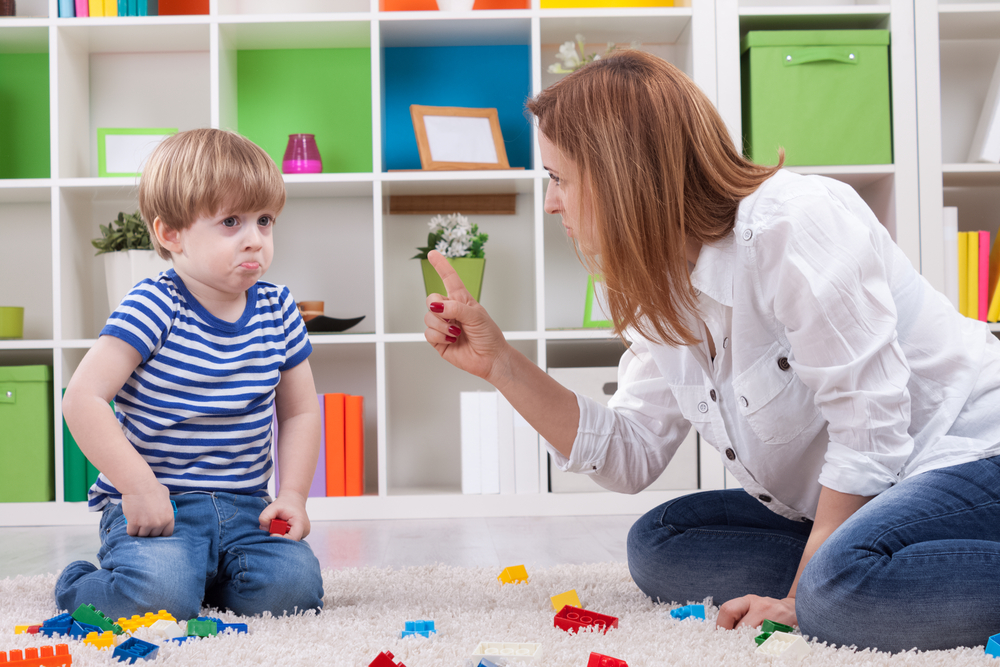
We live in a world of instant everything. And kids are growing up believing that wanting something means getting it immediately. But that’s not how life works.
Sometimes you have to wait, work, save, and be patient. Research on delayed gratification has consistently shown that children who develop the ability to wait for rewards demonstrate better academic achievement, healthier relationships, and greater life satisfaction in adulthood. If kids never hear “no” and never have to wait, they don’t develop that ability. Saying “no” teaches them that patience is part of life.
7. It Reduces Their Anxiety

This sounds counterintuitive, but it’s true. Kids who grow up without boundaries are anxious kids. Because when there are no limits and no clear structure, the world feels chaotic and unsafe. Kids need to know what the rules are. They need to know their parents are in control. When you say “no” consistently, you’re creating that structure. Saying “no” gives them the security of knowing where the limits are, and that security reduces their anxiety.
8. They Learn That Saying “No” Doesn’t Mean You Don’t Care

One of the biggest fears parents have is that their kid will think they don’t care about them. Many parents believe that love means always saying “yes,” but the exact opposite is actually true.
Saying “no” is an act of love. It’s putting a child’s long-term well-being over their short-term happiness.
My daughter used to cry when I said “no.” She’d tell me I was mean, and that everyone else’s parents let them do whatever they wanted. And, to be honest, it hurt. But I kept saying “no” anyway when it was appropriate. And over time, she learned that my “no” didn’t mean I didn’t love her. It meant I loved her enough to be the parent she needed and deserved.
9. It Teaches Them To Advocate For Themselves Appropriately

There’s a difference between advocacy and entitlement.
Advocacy is standing up for yourself when something is unfair.
Entitlement is demanding the world bend to your preferences.
Kids who never hear “no” don’t learn that difference.
Research on assertiveness and social competence indicates that children raised with appropriate limits develop better advocacy skills, learning to distinguish between reasonable requests and unrealistic demands in ways that children from permissive environments struggle to grasp. Saying “no” teaches them to pick their battles and advocate for themselves when they need to.
10. You’re Raising A Future Adult, Not Just Managing A Child

Parenting isn’t about making childhood easy. It’s about preparing your kid for adulthood.
Adults hear “no” constantly. They don’t always get what they want. They have to follow rules, cope with disappointment, manage frustration, and respect boundaries. If you’re not teaching your children those skills now, you’re not preparing them for the life they’re going to live.
Saying “no” is hard. It’s easier to give in, avoid the tantrum, and keep the peace. But your job as a parent isn’t to make your kid happy every second. It’s to raise capable, resilient adults who can handle whatever life throws at them.
And that starts with a two-letter word you’re probably not saying enough: “no.”
11. They’ll Actually Be Able To Keep Friends

Here’s something nobody talks about: spoiled kids don’t have many real friends. They have kids who tolerate them, or kids whose parents force playdates, or kids who haven’t figured out yet that everything has to go their way. But actual, genuine friendships? Those require give and take. Compromise. Sometimes doing what someone else wants to do. And kids who’ve never heard “no” don’t know how to do any of that.
I watched this happen with my son’s classmate. Nice kid, but every playdate ended the same way—tears, arguments, someone going home early. Because he couldn’t handle not getting his way. He couldn’t share. He couldn’t take turns. He couldn’t accept that sometimes other kids get to pick the game. And eventually, the other kids just stopped wanting to hang out with him. It wasn’t mean. It was just exhausting to be around someone who always had to win, always had to be in charge, and always had to get what they wanted.
When you teach your kids that “no” is a normal part of life, you’re teaching them how to be someone people actually want to be around. They’ll know how to compromise and be flexible. And those skills? They don’t just help them make friends—they help them keep them.