

We’ve all been there—feeling triumphant after a marathon cleaning session, only to find out later that our efforts weren’t as effective as we thought. Whether it’s the way we scrub or the products we use, some cleaning techniques might seem foolproof but are actually less efficient or even counterproductive. Believe it or not, even the most meticulous among us can make cleaning blunders. Here’s a list of common cleaning mistakes that many people make and how to fix them.
1. Ignoring Your Dishwasher
You might assume that your dishwasher is self-cleaning because it handles soap and water on the regular. However, food particles and soap scum can accumulate in the filter and spray arms, reducing the efficiency of your appliance. This buildup can lead to unpleasant odors and even re-deposit grime onto your dishes. To keep it running smoothly, give your dishwasher a thorough cleaning once a month. According to Jennifer Gregory from the House Cleaning Institute, a simple mix of baking soda and vinegar run through an empty cycle can work wonders.
Additionally, check the filter at the bottom of your dishwasher and remove any trapped debris. The spray arms can also become clogged, so inspect them for blockages. A toothpick can be quite handy for dislodging any stubborn residue. Once you’ve tackled these problem areas, your dishwasher will likely run quieter, smell fresher, and do a better job cleaning your dishes. Consider it a small investment of time for a big payoff in kitchen hygiene.
2. Overloading The Washing Machine

It’s tempting to cram as much laundry as possible into one load to save time and energy. Unfortunately, overloading your washing machine can have the opposite effect. When a machine is packed too tightly, water and detergent can’t circulate properly. This means your clothes are less likely to come out clean, and they might even retain an unpleasant odor. To make sure your wash is up to snuff, give clothes enough room to move freely.
A good rule of thumb is to fill the drum about three-quarters full. This allows the detergent to distribute evenly and the water to rinse thoroughly. Not only will your clothes be cleaner, but they’ll also come out less wrinkled and easier to dry. Overloading also puts extra strain on your machine, which can lead to costly repairs down the line. So, while it might feel more efficient to do fewer loads, the quality of each wash will undoubtedly improve with a bit more space.
3. Forgetting To Clean Your Vacuum

Your vacuum cleaner is a workhorse, but when’s the last time you gave it some TLC? Many people overlook the importance of maintaining their vacuum, assuming it should work perfectly as long as it’s plugged in. However, a clogged or dirty vacuum can lose suction power and become less effective at picking up dirt and debris. According to cleaning expert Melissa Maker, a good rule of thumb is to empty the dustbin and clean the filters after every few uses to keep it running smoothly.
Inspect the brush roll and remove any hair or fibers that might be tangled around it. A quick snip with scissors can free up the brush roll for optimal performance. Additionally, check the hose for any obstructions that might be affecting suction. Maintaining your vacuum will not only extend its lifespan but also ensure it does a thorough job every time you use it. Investing a little time in upkeep can save you money and hassle in the long run.
4. Using Too Much Cleaner

More is not always better, especially when it comes to cleaning products. Over-application can lead to surface damage, sticky residues, and wasted resources. For example, using too much floor cleaner can leave behind a dull film that attracts more dirt. Similarly, excess laundry detergent can result in buildup that makes clothes feel stiff and look dingy. To avoid these pitfalls, follow the manufacturer’s instructions for each cleaning product.
Start with the recommended amount and adjust as necessary based on the surface or job at hand. A damp cloth or mop can often be enough to spread the cleaner effectively without over-saturating. Rinse thoroughly to ensure no residue remains, especially on floors and countertops. Using the right amount of cleaner not only improves the results but also extends the life of your surfaces and appliances. Plus, it’s more environmentally friendly and cost-effective in the long run.
5. Overlooking Light Fixtures

Light fixtures are often forgotten in cleaning routines, but they’re notorious dust magnets. Ignoring them can dim the brightness of your space and exacerbate allergies for those sensitive to dust. Over time, dust and grime can build up on fixtures, reducing their effectiveness and even causing overheating. According to a study by Dr. Maria Sundaram at the University of Toronto, accumulated dust can significantly diminish indoor air quality. To combat this, include your light fixtures in your regular cleaning schedule.
Before you start, ensure that power to the light fixture is turned off at the switch or circuit breaker for safety. Use a microfiber cloth or a duster with an extendable handle to reach high fixtures. For more stubborn grime, a gentle cleaner on a soft cloth will do the trick. Don’t forget to clean lamp shades, as they can harbor dust just as easily. Regular maintenance will not only keep your home brighter but also improve the overall air quality.
6. Neglecting Your Mattress

Your bed may be a sanctuary of comfort, but it’s also a hotspot for dust mites and allergens. Many people focus on washing sheets and pillowcases, but neglect the mattress itself. Regular cleaning can help extend the life of your mattress and improve sleep quality. Consider vacuuming your mattress every few months to reduce dust and allergens. Additionally, spot-clean any spills with a gentle detergent as soon as they occur to prevent stains.
Rotate your mattress every six months to ensure even wear and tear. This simple act can also help maintain its shape and support. For an extra layer of protection, invest in a quality mattress cover that is washable. This will act as a barrier against spills and allergens, further prolonging the lifespan of your mattress. Taking these measures can lead to a fresher, cleaner bed and a better night’s sleep.
7. Misusing Microfiber Cloths
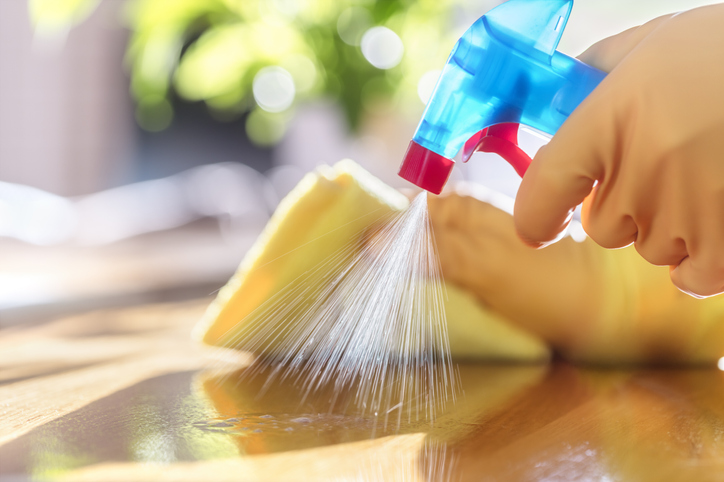
Microfiber cloths are a cleaning staple, but they’re often misused or mistreated. Their fibers are designed to trap dirt and dust, but improper use can diminish their effectiveness. Using fabric softeners or bleach can clog the fibers and reduce their ability to clean. Dr. Richard Shaughnessy, a professor at the University of Tulsa, recommends washing microfiber cloths separately in warm water with a gentle detergent. This preserves their unique structure, ensuring they perform optimally.
When using microfiber cloths, make sure they’re damp, not soaking wet, to maximize their cleaning power. Use them for dusting, polishing, or scrubbing surfaces without leaving streaks. For tougher grime, fold the cloth to expose a clean section and continue cleaning. Rinse them thoroughly after each use to prevent any residues. A well-maintained microfiber cloth can last hundreds of washes, making it a sustainable and efficient cleaning tool.
8. Overlooking Baseboards

Baseboards are often an afterthought in cleaning routines, but they’re quick to accumulate dust and grime. Ignoring them can detract from the overall cleanliness of your space. Over time, the buildup can even discolor the paint or finish. To keep baseboards looking fresh, incorporate them into your regular cleaning schedule. A quick vacuum or dusting with a microfiber cloth can make a noticeable difference.
For more stubborn dirt, a damp cloth with a mild cleaner will suffice. Work in small sections, rinsing the cloth frequently to avoid spreading dust. Pay extra attention to corners and edges where dirt tends to settle. Keeping your baseboards clean not only makes your space look more polished but also improves indoor air quality. It’s a small effort that goes a long way in maintaining a pristine home.
9. Disregarding Electronics

Electronics are a magnet for dust and fingerprints, but they’re easy to overlook in cleaning routines. Neglecting them can affect their performance and lifespan. Dust can clog vents, leading to overheating and reduced efficiency. Make it a habit to dust off monitors, keyboards, and other devices regularly with a microfiber cloth. For screens, use a cleaner specifically designed for electronics to avoid damaging the surface.
Gently wipe down keyboards and remote controls, using a cotton swab or small brush to reach crevices. Paying attention to these details not only keeps your electronics looking new but also ensures they function optimally. For larger appliances like TVs and sound systems, check the manufacturer’s instructions for specific cleaning advice. Regular maintenance of your electronics can lead to fewer breakdowns and extend their usability.
10. Overlooking Underneath Furniture

The areas underneath couches, beds, and other furniture are often ignored but accumulate dust and debris over time. Neglecting these spaces can lead to poor air quality and an increase in allergens. To maintain a truly clean environment, make it a point to reach these hidden spots during your cleaning routine. Use a vacuum with an extension hose to reach under furniture easily.
If possible, move lighter pieces to clean more thoroughly. For heavier furniture, consider investing in furniture sliders to make the task more manageable. A quick sweep or vacuum can make a significant difference in your home’s cleanliness. Don’t forget to check for any lost items or toys that might have disappeared into these forgotten areas. Regular cleaning underneath furniture contributes to a fresher and healthier home.
11. Not Ventilating While Cleaning

Many people underestimate the importance of ventilation during cleaning. Without proper airflow, fumes from cleaning products can linger and affect indoor air quality. This can lead to headaches, dizziness, or respiratory issues. To mitigate these risks, open windows and doors while cleaning to allow fresh air to circulate. This simple step can significantly improve the air you breathe while tackling household chores.
If opening windows isn’t an option, consider using fans to promote airflow. Pay extra attention when using strong chemicals or cleaning solutions. Wearing a mask can further protect you from inhaling harsh fumes. Proper ventilation not only keeps you safe but also helps in drying wet surfaces faster. It’s a small adjustment that enhances both your cleaning routine and your well-being.
12. Using One Cloth For Everything

It’s convenient to grab a single cloth for the entire house, but it’s not the most hygienic choice. Using the same cloth across multiple surfaces can spread germs and bacteria. A cloth used in the bathroom shouldn’t make its way to the kitchen, for example. To maintain cleanliness, have separate cloths for different tasks or areas of the home. Color-coding your cleaning cloths can help you keep track.
After cleaning, wash cloths in hot water to kill any lingering bacteria. Avoid mixing them with your regular laundry to prevent cross-contamination. Having a set rotation of cloths ensures that you always have a clean one on hand. This small habit can make a big difference in maintaining a hygienic home. It’s a straightforward way to elevate your cleaning game.
13. Assuming Clean Smells Are Clean

A fresh scent doesn’t necessarily mean a space is clean. Many cleaning products use fragrances to give the illusion of cleanliness, even if the surface isn’t thoroughly sanitized. This can lead to a false sense of security about the hygiene of your home. Focus on using products that prioritize cleaning power over scent. Unscented options or products with natural fragrances can be just as effective without masking odors.
Check ingredient labels to understand what’s actually in your cleaning products. Opt for those that specify antibacterial or disinfectant properties if sanitation is a priority. Remember, a truly clean home is about eliminating germs, not just covering up odors. Educating yourself about the products you use will help you make informed choices. Ultimately, it’s about creating a safe and healthy environment for you and your family.


