

If you use the cabinet under your kitchen sink as a catch-all, you’re not alone—but it’s probably working against you. That space feels convenient, hidden, and out of the way, which makes it dangerously easy to misuse. Between moisture, temperature changes, and plumbing risks, it’s one of the least stable storage spots in your home. What you put there can quietly get damaged, contaminated, or even become unsafe without you realizing it.
1. Bleach-Based Cleaning Products
You might assume the sink cabinet is the obvious place for cleaning supplies, but products with ammonia or bleach are especially vulnerable there. Leaks or heat can degrade containers and increase the risk of chemical fumes building up. If bottles tip or crack, mixing residues can become dangerous fast. This isn’t just about mess—it’s about safety.
The American Association of Poison Control Centers has repeatedly warned that improper storage increases accidental exposure to chemicals. Under-sink spaces often lack ventilation, which concentrates fumes. Even sealed bottles can degrade over time in humid environments. A cool, dry, well-ventilated area is far safer.
2. Paper Towels And Napkins
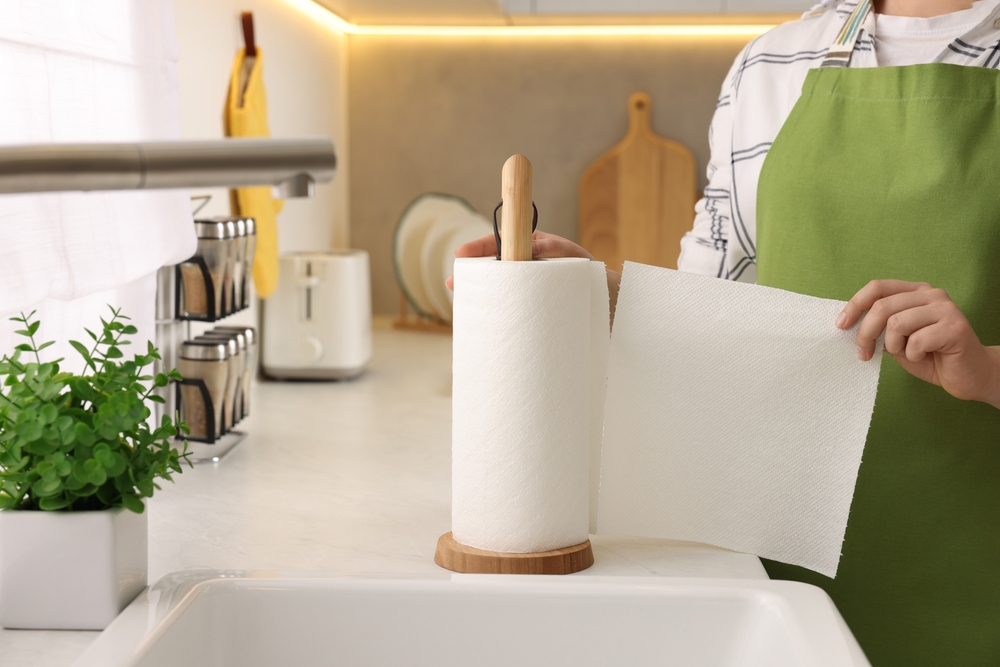
Storing paper goods under the sink seems logical until you consider moisture. Even small leaks or humidity can make paper towels musty, weak, or mold-prone. You may not notice until you grab one and it smells off. At that point, it’s already compromised.
Home safety experts note that moisture damage often goes unnoticed in enclosed cabinets. Paper absorbs ambient dampness quickly, even without visible water. That makes it a poor candidate for under-sink storage. Upper cabinets or pantry shelves are far safer.
3. Medications And Supplements
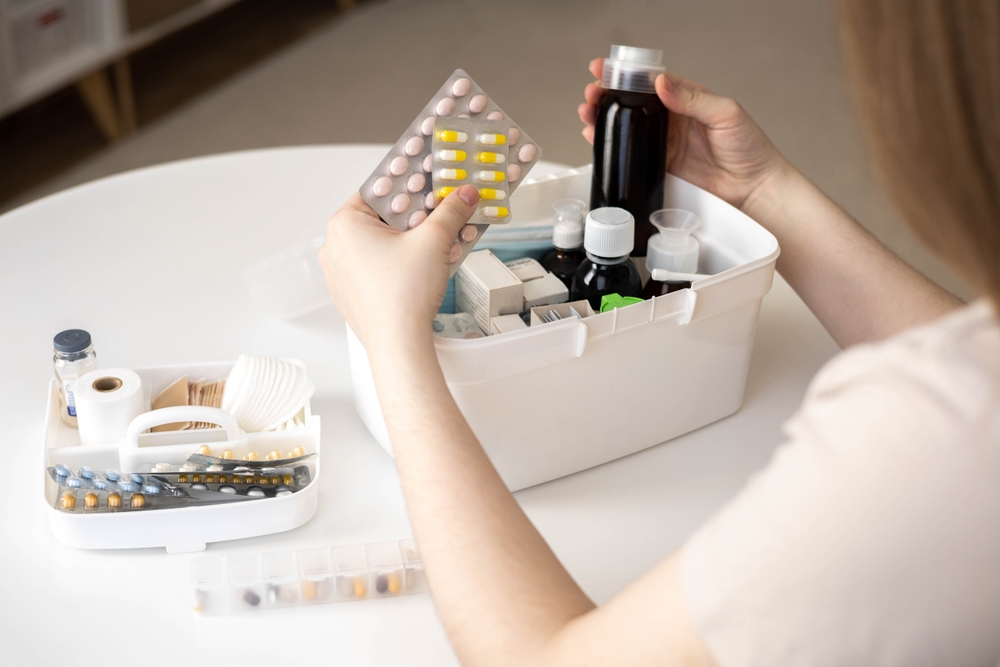
If you’ve ever tucked vitamins or over-the-counter meds under the sink to save space, that’s a problem. Heat and humidity can reduce their effectiveness or alter chemical stability. You may be taking something that no longer works as intended. That’s especially risky for daily medications.
According to FDA storage guidelines, most medications require cool, dry conditions to remain stable. Bathrooms and sink cabinets fail that test consistently. Reduced potency isn’t always obvious, which makes this mistake easy to miss. Medication belongs in climate-stable spaces.
4. Pet Food And Treats
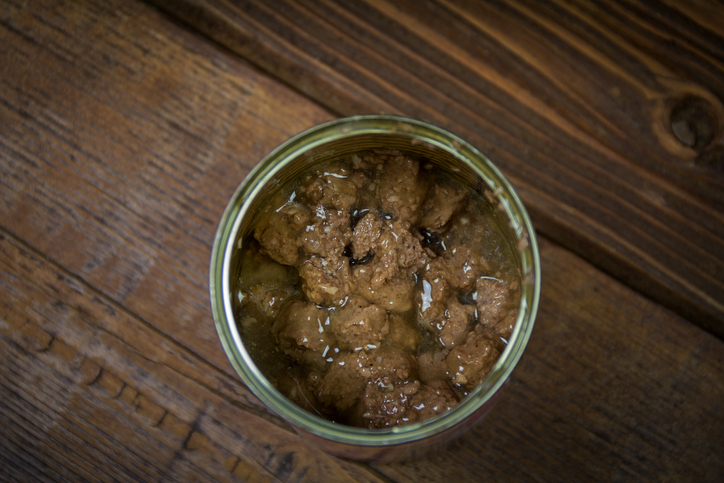
It can feel practical to store pet food near where you clean bowls, but under-sink cabinets invite contamination. Chemical fumes, leaks, or pest exposure can compromise food safety. Even sealed bags can absorb odors over time. Your pet ends up eating more than kibble.
Veterinary nutrition research shows that pet food is sensitive to environmental contamination. Odor absorption and chemical exposure can affect both taste and safety. Pets may refuse food—or worse, ingest trace chemicals. Dry storage away from cleaning products is essential.
5. Reusable Grocery Bags

Reusable bags often get tossed under the sink after errands, but that’s one of the worst places for them. Moisture encourages bacterial growth, especially on fabric bags. If you use them for food, you’re risking cross-contamination without realizing it. The danger builds quietly.
Public health studies on reusable bags have found significant bacterial presence when they’re stored improperly. Damp environments accelerate microbial growth. Bags should be washed regularly and stored somewhere dry. Under the sink fails both requirements.
6. Fire Extinguishers
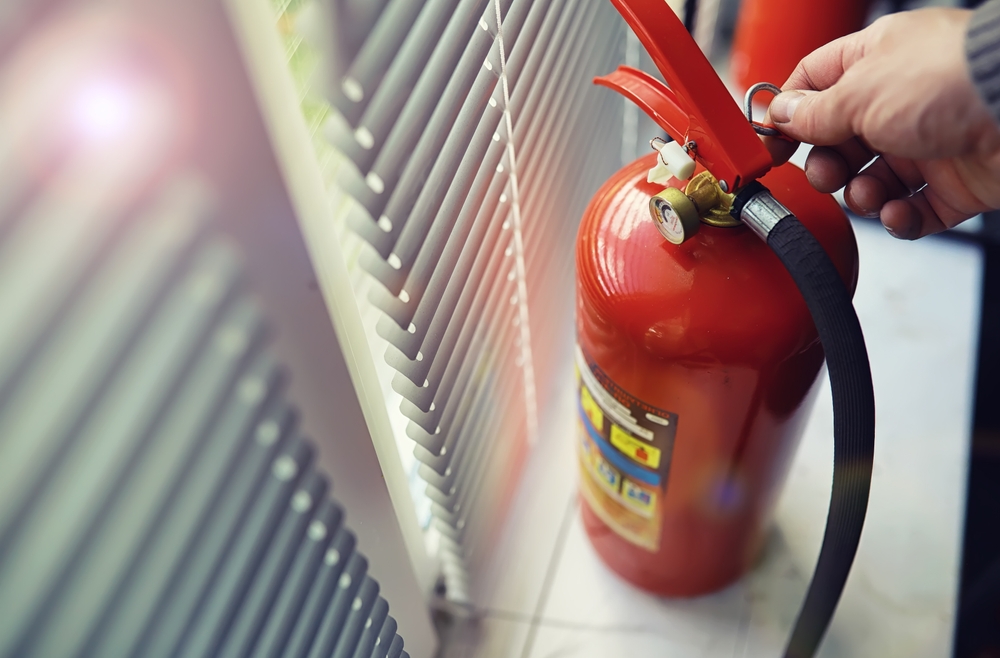
You might store a fire extinguisher under the sink, thinking it’s central and accessible. In reality, it can be blocked, forgotten, or damaged by moisture. In an emergency, seconds matter. Digging through a cabinet is not ideal.
Fire safety professionals recommend wall-mounted or clearly visible placement. Extinguishers need to be easy to grab instantly. Moist environments can also affect pressure mechanisms over time. Accessibility matters more than concealment.
7. Unused Sponges And Cleaning Cloths
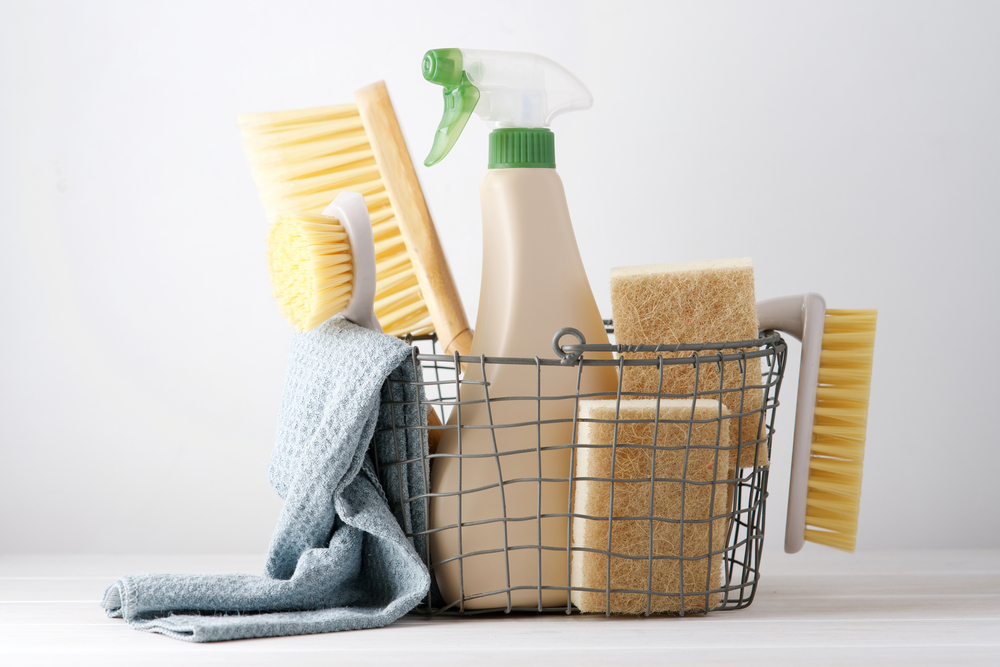
It makes sense to keep backups near the sink, but damp cabinets make them magnets for bacteria. Even unused sponges absorb moisture from the air. That creates the perfect breeding ground for mold and odor. You start dirty before you even clean.
Microbiology research consistently shows that sponges harbor high bacterial loads in moist environments. Storage conditions matter just as much as use. Dry, open-air storage significantly reduces contamination. Under-sink cabinets do the opposite.
8. Plastic Trash Bags
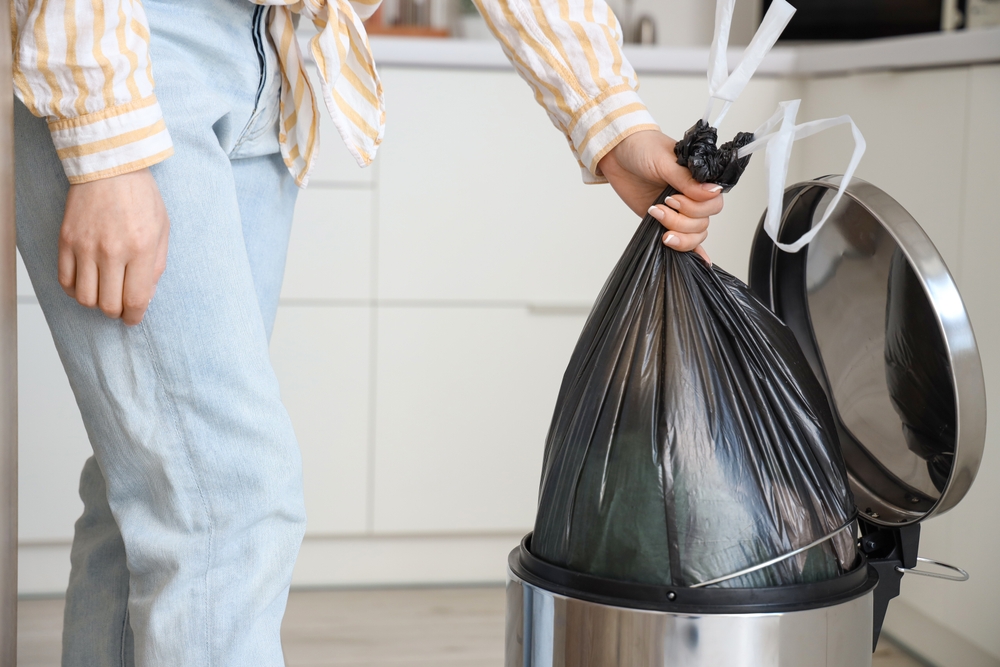
Trash bags are often stored under the sink for convenience, but moisture weakens plastic over time. Bags can stick together, tear easily, or develop odors. You may not notice until one rips mid-use. That’s a mess you didn’t need.
Household materials experts note that plastic degrades faster in fluctuating temperatures and humidity. Sink cabinets experience both regularly. A dry closet or pantry shelf extends shelf life. Convenience isn’t worth the frustration.
9. Electrical Appliances And Batteries

Storing small appliances, extension cords, or batteries under the sink is risky. Any leak—even a slow one—can damage electronics or create shock hazards. Corrosion happens quietly. By the time you notice, the item may be ruined.
Consumer safety data shows moisture exposure is a leading cause of household electrical failure. Sink cabinets are unpredictable environments. Electronics need stable, dry storage. This is one shortcut that often backfires.
10. Paint And Paint Supplies

Leftover paint cans or brushes don’t belong under the sink. Temperature swings can ruin paint consistency and shorten shelf life. Moisture can rust lids, making cans hard to open or seal properly. That turns a simple storage choice into waste.
Professional painters recommend climate-controlled storage to preserve paint quality. Even small temperature changes matter. Sink cabinets experience heat from pipes and humidity from use. Paint belongs in garages or storage rooms, not kitchens.
11. Cookbooks And Recipe Notes

If you’ve tucked handwritten recipes or cookbooks under the sink to save space, they’re at risk. Paper warps, stains, and absorbs odors easily. A single leak can destroy irreplaceable notes. Damage often happens fast.
Archivists emphasize that paper degrades rapidly in humid environments. Once warped or moldy, recovery is unlikely. Sentimental items deserve better protection. Kitchens already test paper enough without hiding it below plumbing.
12. Food Storage Containers
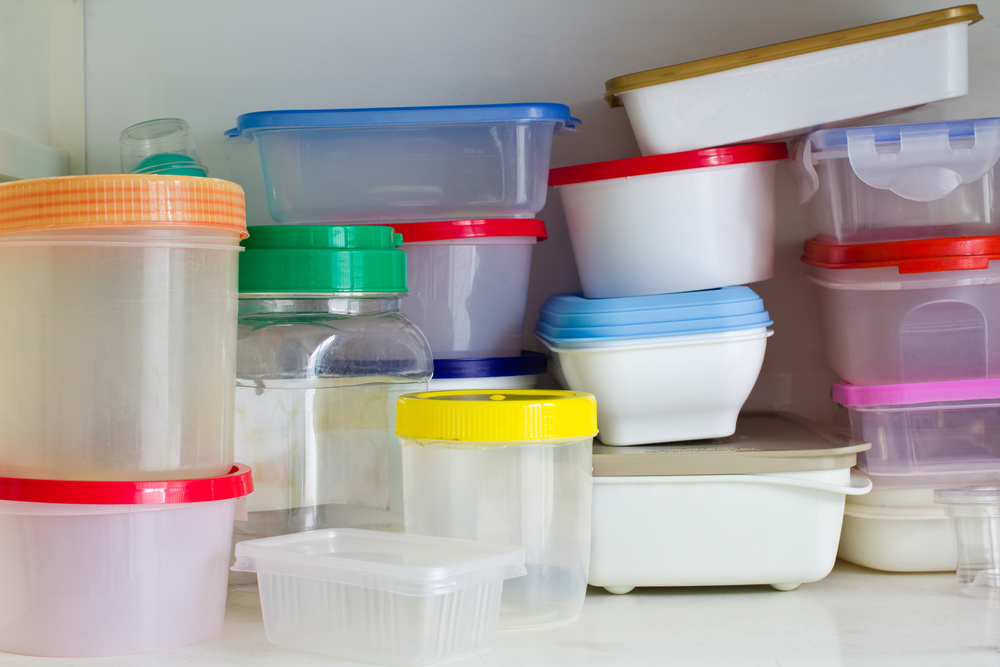
Empty food containers stored under the sink can pick up odors or residue from cleaning products. Even if washed, plastic absorbs smells easily. You may not notice until the food tastes off. That’s a subtle but real problem.
Food safety specialists warn that plastic is porous and sensitive to environmental exposure. Chemical smells can linger invisibly. Storage near cleaning agents increases risk. Food containers belong with food, not chemicals.
13. Instructional Manuals And Documents

Instruction manuals, warranties, or household paperwork often end up under the sink because of limited space. That’s a mistake waiting to happen. Water damage can instantly wipe out documents. You won’t miss them until you need them.
Home organization experts consistently advise keeping papers far from plumbing. Even slow leaks cause irreversible damage. Digital backups help, but originals still matter. This is one area where convenience costs you later.


