
Every day, you interact with a range of objects that you might never suspect could come to your rescue in a pinch. From the mundane to the slightly more obscure, these items can become lifesavers when traditional tools aren’t available. Whether it’s using a piece of clothing as a makeshift bandage or employing a common household item to signal for help, you’d be surprised at how resourceful you can get. As you read through this list, you might just start seeing your environment in a whole new light. So, tuck these tips away for a rainy day—you never know when they might come in handy.
1. Your Smartphone As A Lifeline

You likely carry your smartphone everywhere, but it’s more than just for scrolling through social media or checking emails. In an emergency, your phone can be a beacon of hope. Of course, dialing emergency services is the most straightforward use, but your smartphone has other capabilities too. For instance, GPS can help rescuers locate you with precision. According to a report by the Pew Research Center, nearly 81% of the population owns a smartphone, making it a widespread safety tool, especially in densely populated areas.
Moreover, you can use the flashlight function if you’re stuck in the dark. Various apps are available that can turn your phone into a distress signal by flashing the flashlight in Morse Code. Even when it’s running low on battery, a smartphone might still have enough juice for a critical call or text message. It’s worth having a portable charger on hand to extend its life in emergencies. Never underestimate this pocket-sized powerhouse.
2. Aluminum Foil As A Heat Conductor

Aluminum foil is a kitchen staple, but it can offer more than just food storage. In emergency situations, it can act as a heat conductor. Wrapping aluminum foil around your shoes can help retain heat, potentially saving you from frostbite in freezing conditions. It can also be used as a makeshift signal by reflecting sunlight to catch the attention of rescuers. Whether it’s tearing a bit off to mark a trail or using it to start a fire, aluminum foil is surprisingly versatile.
The toughness and malleability of aluminum foil make it easy to mold into any shape, extending its usefulness. You could even fashion a small bowl out of it to collect rainwater. While it won’t purify the water, it could be invaluable in a dire situation where hydration is critical. Foil also doubles as an emergency sealer for wounds until proper medical treatment can be administered. Your kitchen drawer might just hold a crucial survival tool.
3. Dental Floss As A Multi-Tool

Dental floss is essential for oral hygiene, but it’s a hidden gem when it comes to survival situations. Strong yet compact, floss can serve multiple functions. Whether you need to tie something together or even fish in a pinch, floss can come to the rescue. According to survival expert Les Stroud, dental floss can be used to create a makeshift fishing line or to secure shelter structures. It’s amazing how something so thin can be so strong.
In addition to its strength, dental floss is lightweight, making it easy to carry in your pocket or bag. You could use it to sew up torn clothing or gear, ensuring you stay protected from the elements. If you’re in a situation where you need to signal for help, floss can also be tied to objects to create a makeshift flag. And let’s not forget, keeping up with dental hygiene is important even in emergencies. This little roll of string is more useful than you’d think.
4. Paper Clips As Lock Picks

Simple paper clips can transform into vital tools in a locked-out emergency. You’ve probably used them to hold papers together, but they can do much more. With a little patience and effort, paper clips can be fashioned into makeshift lock picks. This can be invaluable if you’re locked out of a crucial area. However, it’s important to remember this should only be used ethically and legally.
Beyond picking locks, paper clips can also serve as temporary fasteners for broken zippers or straps. Need to create a chain or connect a couple of items quickly? Paper clips come to the rescue. You might even use one as a small hook in a pinch, whether for hanging something up or lifting a small object. These small office supplies are portable enough that you can carry a few without burden. Consider them a tiny but mighty addition to your emergency kit.
5. Duct Tape As A Fix-All Solution

Duct tape is often hailed as the king of all fixes, and for good reason. This sticky wonder can be used to repair almost anything, making it a must-have in emergencies. You can use it to patch up damaged clothing or gear, ensuring you have the shelter or warmth you need. According to psychologist Dr. John Leach, in his book “Survival Psychology,” having tools like duct tape can significantly alter survival outcomes by offering practical solutions to pressing problems. It’s a powerful ally when you need to think on your feet.
In addition to repairs, duct tape can even be used to create a makeshift rope or cord. Need to secure a splint for a broken limb? Duct tape can handle that too. It’s waterproof, making it an excellent choice for sealing leaks or keeping things dry. Because it’s strong, you can count on it to hold its own in challenging conditions. In the right hands, a roll of duct tape can perform miracles.
6. Pantyhose As An Emergency Filter

Pantyhose might seem fragile, but don’t be fooled by their delicate appearance. In emergencies, pantyhose can act as a basic filtration system. While they won’t purify water, they can filter out large particles and debris, making subsequent purification easier. This is particularly useful if you’re in a wilderness setting with access only to murky water sources. By running water through pantyhose first, you reduce the risk of ingesting harmful contaminants.
Beyond acting as a filter, pantyhose can also serve as a makeshift rope or cordage if you need to secure items. They’re stretchy yet strong, making them surprisingly durable. You can even use them to tie up a makeshift shelter or bundle together firewood. Of course, they still serve their original purpose, providing an additional layer of warmth when needed. Having a pair of pantyhose in your kit might seem odd, but their versatility is hard to ignore.
7. Keys As A Makeshift Tool

Your keys are more than just for unlocking doors; they can act as improvised tools in emergencies. Whether you need to tighten a screw or cut through tape, keys can help. They’re small enough to be precise yet sturdy enough to handle some wear and tear. Dr. Frank G. Boudreaux Jr., an expert in emergency preparedness, suggests using keys as a defensive tool if necessary. This dual-use makes them invaluable when you find yourself in unexpected scenarios.
Furthermore, keys can be used to scratch surfaces to leave messages or signals. If you’re lost, marking a path is essential, and keys can help do just that. They can even be used to open cans with a bit of effort, a critical skill if you find yourself needing food. Additionally, keys can work as a makeshift screwdriver for small repairs. These everyday items are more than just metal trinkets in your pocket.
8. Lip Balm As A Firestarter
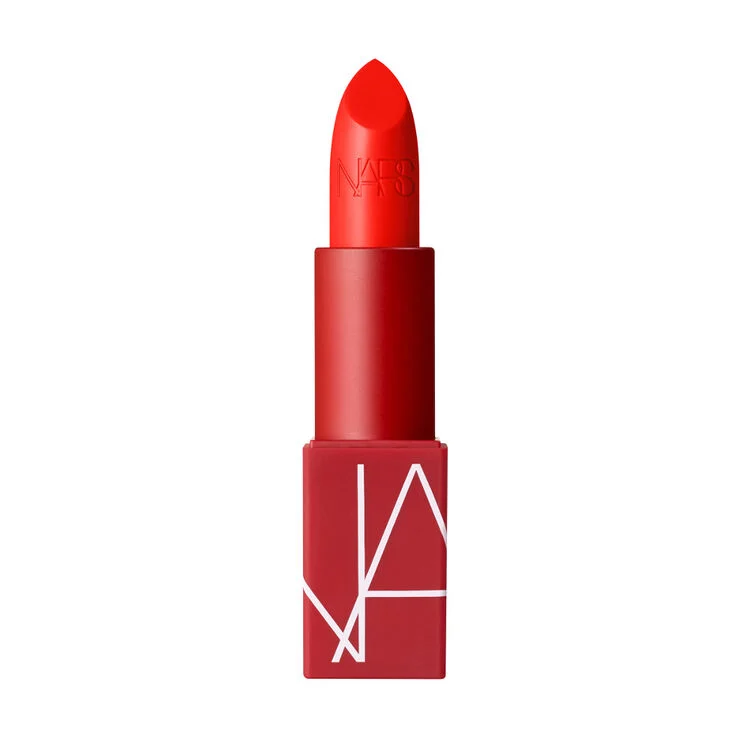
Lip balm is a must-have for keeping lips hydrated, but it can also serve a surprising secondary purpose. In survival situations, lip balm can act as a firestarter. The waxy substance is flammable and can be used to help ignite a fire. By applying lip balm to a cotton ball or piece of paper, you create a makeshift firestarter. This can be a lifesaver when you need warmth or to signal for help.
Besides its fire-starting capabilities, lip balm can also be used as a lubricant in a pinch. Stuck zippers or rusting metal parts can benefit from a little lip balm application. It can also help protect minor cuts or scrapes from infection by providing a moisture barrier. In cold weather, applying it to your face can offer some protection against windburn. Don’t underestimate the power of this small, unassuming tube.
9. Socks As A Water Purifier

Socks may not look like much, but they can prove useful in an emergency. One unexpected use is as a primitive water filter. Similar to pantyhose, socks can filter out larger debris from water. This won’t make the water safe to drink, but it’s a crucial first step in the purification process. In a world where clean drinking water is vital, having this simple pre-filter can make a difference.
Aside from water filtration, socks can be used to store small items, keeping them organized or hidden. They can also be turned into makeshift gloves if you find yourself without hand protection in the cold. The fabric is durable enough to act as a temporary sling for sprained arms. Even when they’re not on your feet, socks have a role to play in survival scenarios. Keep an extra pair handy, just in case.
10. Credit Card As A Scraper

Credit cards are handy for payments, but they can also be lifesavers in other ways. One practical use is as a scraper. Whether you need to remove ice from a windshield or scrape away dirt, a credit card can help. Its rigid yet flexible nature makes it effective for small jobs. Plus, it’s likely you already carry it with you all the time, making it a readily available tool.
Additionally, a credit card can act as an impromptu straight edge for drawing or cutting. You can even use it to open stubborn jar lids by breaking the seal. In an emergency, a credit card can be used to make noise, signaling for help. While it’s not as loud as a whistle, it can still draw attention if used correctly. Next time you pull out your card, remember its potential beyond purchases.
11. Safety Pins As Connectors

Safety pins are more than just for clothing mishaps—they’re tiny multitaskers in emergencies. You can use them to connect items or make quick repairs to clothing and gear. They’re also great for securing bandages or even creating a makeshift splint. The versatility of safety pins makes them a must-have in any emergency kit. Despite their small size, they pack a punch in functionality.
Beyond quick fixes, safety pins can also be used to fish in a pinch. Bend them into a hook, and you’ve got a basic fishing tool. They can also be used to create a chain of items, keeping things secure and organized. If you need to remove a splinter, a sterilized safety pin can do the trick. The humble safety pin is a small, but mighty tool you shouldn’t overlook.
12. A Bar Of Soap As A Lubricant
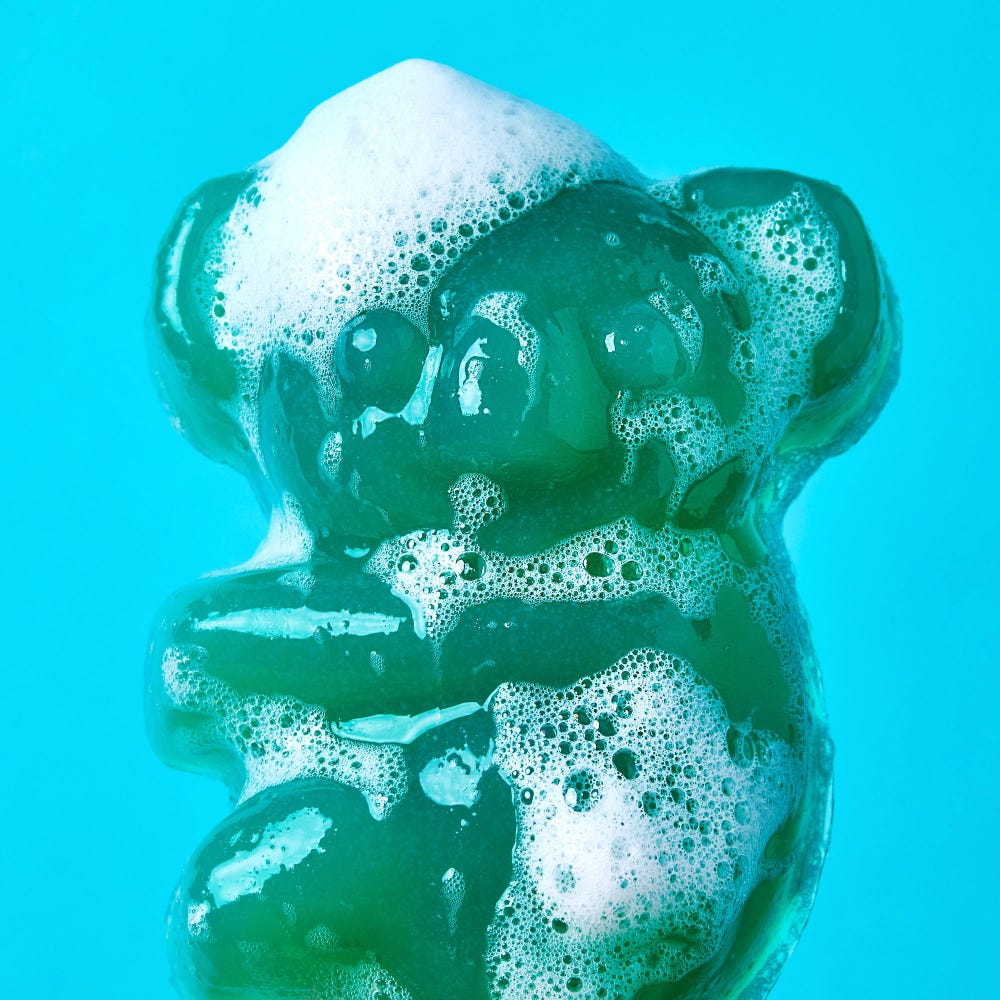
A bar of soap is essential for cleanliness, but it can do more in dire situations. Soap acts as a lubricant, which can be incredibly helpful in certain scenarios. For example, if a drawer is stuck or a zipper won’t budge, a little soap can get things moving again. It can also help if you need to slip out of tight spaces, offering a bit more give. In a survival setting, these small aids can make a big difference.
Another less obvious use for soap is in treating insect bites. Rubbing a bit of soap on a bite can help reduce itching and irritation. It can also be used as a deodorant substitute in a pinch, helping you stay fresh longer. If you need to mark a path or leave a message, a bar of soap can write on various surfaces. So, next time you pack, consider bringing along a bar of soap for more than just washing up.
13. Umbrella As A Defensive Shield

Umbrellas are often seen as a defense against rain, but they have other protective qualities. In an emergency, an umbrella can serve as a physical shield. Whether it’s guarding against falling debris or even small animals, an umbrella can provide a barrier. Its handle can also be used to poke or prod, offering a way to fend off threats. This simple item can help you create a safer space around yourself.
More than just a shield, an umbrella can be used as a walking stick if you find yourself in rough terrain. It can help you maintain balance and stability. In a pinch, an umbrella could also be used to carry items or even catch rainwater. The fabric can be removed and used for other purposes, like creating shade or protection from wind. Don’t underestimate this everyday object; it has more potential than meets the eye.


