
Microwaves are a kitchen staple, but are you using yours to its full potential? You might be surprised to learn that a few small tweaks can make a big difference in the taste and texture of your food. Many people assume that microwaving is a one-size-fits-all solution, but that’s not quite the case. Each type of food has its quirks, and understanding these can help you avoid the common pitfalls of microwave cooking. Let’s dive into the foods you might be microwaving wrong and how to fix those mistakes.
1. Leftover Pizza

Reheating leftover pizza often results in a soggy crust and unevenly melted cheese. The trick is to place a cup of water in the microwave along with your slice. This helps to keep the crust from becoming too chewy and gives the cheese a more even melt. According to food scientist Harold McGee, the steam from the water helps maintain moisture levels, ensuring that crucial balance between crispy and chewy. Give it a try next time you have leftover pizza, and notice the difference.
Another method is to use a microwave-safe plate and cover your slice with a damp paper towel. This helps to reheat the pizza evenly without drying it out. Make sure to heat it in short intervals, checking frequently to avoid overcooking. This small adjustment can transform a sad slice into a satisfying snack. Remember, patience is key—it’s worth the extra minute to get it just right.
2. Rice

Microwaving rice can often result in a dry, unappealing texture. To avoid this, add a splash of water before reheating and cover the bowl with a microwave-safe lid or plate. This creates a steaming effect that keeps the rice moist. Stirring halfway through the microwaving process also helps to ensure even heating. This method is particularly effective for rice that has been stored in the fridge.
If you’re in a hurry, a damp paper towel can also do the trick. Place it over the bowl before microwaving to replicate the steaming effect. Just remember, rice heats up quickly, so it’s best to check it frequently to avoid overcooking. These adjustments might seem minor but can significantly improve your reheated rice’s texture. It’s a small step that can make your leftovers taste freshly made.
3. Pasta

Reheating pasta in the microwave often leads to a dry or gummy texture. To combat this, add a bit of water or sauce to your pasta before microwaving. According to food scientist Shirley Corriher, this helps to prevent the pasta from drying out and becoming too chewy. Stirring the pasta halfway through can also promote even heating and improve texture. These small changes can turn your reheated pasta from bland to delightful.
Another trick is to cover the pasta with a microwave-safe cover or damp paper towel. This traps the steam and helps to maintain the pasta’s moisture content. Make sure to heat in short intervals, giving it a stir each time you check the temperature. This ensures each noodle is perfectly warmed and avoids the dreaded cold center. With these tips, you can elevate your pasta leftovers to new heights.
4. Vegetables

Microwaving vegetables often leads to a mushy mess rather than crisp, vibrant bites. To prevent this, place the vegetables in a microwave-safe dish with a little bit of water. Covering them with a lid or damp paper towel helps to trap the steam. This method helps to cook the vegetables evenly and maintain their color and texture. It’s a simple change that makes a big difference in flavor and appearance.
Cutting the vegetables into uniform pieces can also promote even cooking. Smaller pieces cook faster, so be sure to keep an eye on them to prevent overcooking. Microwaves vary in power, so adjust the cooking time as needed. With these adjustments, your microwaved vegetables can be a side dish to be proud of. Enjoy veggies that are both tasty and nutritious with minimal fuss.
5. Eggs

Microwaving eggs might seem convenient, but it often results in rubbery textures. To achieve better results, consider using a microwave-safe mug or bowl with a bit of water. According to culinary expert J. Kenji López-Alt, this technique helps to cook the eggs more evenly. Stirring the eggs halfway through cooking can also ensure a fluffier texture. This small change can make microwave eggs a viable option for a quick meal.
Another tip is to cover your eggs with a microwave-safe lid or plate. This traps steam and helps cook the eggs evenly from all sides. Be careful with cooking times, as eggs can quickly become overcooked in the microwave. Start with short intervals and adjust based on your microwave’s power. With a little practice, you can master the art of microwaving eggs to perfection.
6. Soup

Reheating soup in the microwave can be deceptive, often resulting in a cold center with the edges boiling hot. To avoid this, always stir your soup halfway through the microwaving process. This promotes even heat distribution and ensures that every sip is deliciously warm. Using a microwave-safe cover or lid also helps to trap heat, making the reheating process more efficient. It’s a small adjustment that can enhance your dining experience.
For thicker soups, adding a splash of water before microwaving can improve consistency. This helps to loosen any thickened areas and make the soup easier to stir. Check the temperature frequently, as soup can vary in density and heat unevenly. With these techniques, you can enjoy a well-reheated bowl of soup every time. It’s worth the extra effort for a comforting meal.
7. Potatoes

Microwaving potatoes can often lead to uneven cooking, with some parts overdone while others are still hard. To fix this, poke holes in the potato before microwaving to allow steam to escape. According to microwave expert Mary Ellen Camire, this helps the potato cook more evenly and prevents bursting. Wrapping the potato in a damp paper towel can also create a steaming effect, which is ideal for softer results. With these tips, microwaving potatoes becomes a breeze.
Another useful idea is to cut the potato into smaller pieces before microwaving. This ensures that the potato cooks evenly and reduces the overall cooking time. Keep an eye on the process, as smaller pieces can overcook quickly. Pair these adjustments with a bit of butter or seasoning after cooking for a quick and delicious dish. Enjoy perfectly microwaved potatoes without the guesswork.
8. Bacon

Microwaving bacon without a plan can result in a greasy, floppy mess. To get crispy strips, layer the bacon between sheets of paper towels. This absorbs excess grease and helps the bacon cook evenly. The paper towels also prevent splatter, keeping your microwave clean. You’ll be amazed at how this simple method can transform your microwaved bacon.
Another tip is to use a microwave-safe bacon tray. These trays are designed to allow fat to drain away during cooking, resulting in a crispier texture. Adjust the cooking time based on your microwave’s power and the bacon’s thickness. With these techniques, you can have perfect bacon ready in no time. It’s an easy way to enjoy your favorite breakfast food without the hassle.
9. Fish

Reheating fish in the microwave is often met with skepticism due to its strong smell and potential for dryness. To counteract this, add a splash of water or lemon juice to the fish before microwaving. Cover the dish with a microwave-safe lid to trap steam and maintain moisture. This method can help keep the fish tender and flavorful. It’s a quick way to enjoy leftovers without compromising on taste.
Heating fish in short intervals and checking often can prevent overcooking. Overcooked fish loses its delicate texture and flavor, so keep an eye on it. Microwaves vary in power, so be ready to adjust the time accordingly. With these adjustments, you can reheat fish without fear. Experience leftovers that taste as good as the day they were made.
10. Bread

Microwaving bread can leave it dry and chewy, far from the texture you want. The solution is to wrap the bread in a damp paper towel before microwaving. This keeps the bread moist while it heats up. You might also consider using a lower power setting to gently warm the bread. It’s a small change that can restore freshness to yesterday’s loaf.
If you’re reheating a large loaf, slicing it into smaller pieces can help. Smaller pieces warm more evenly and quickly. Be sure to check often, as bread can become rubbery if overcooked. With these tips, you can enjoy reheated bread that’s soft and satisfying. Say goodbye to tough and tasteless microwave bread.
11. Oatmeal

Microwaving oatmeal can lead to an explosive mess if you’re not careful. To prevent this, use a larger bowl than you think you need and keep an eye on it as it cooks. Stirring halfway through can help to keep the oatmeal from boiling over. A small splash of milk or water can also improve texture if the oatmeal is too thick. These small steps can make a big difference in your breakfast routine.
Adding fruit or nuts after microwaving can also enhance the flavor and add nutritional value. If you’re using instant oats, be sure to follow the package instructions for water-to-oat ratios. Each microwave is different, so don’t be afraid to experiment with time settings. With these tips, you can enjoy perfectly cooked oatmeal every time. Make mornings smoother with a simple, mess-free approach.
12. Chicken
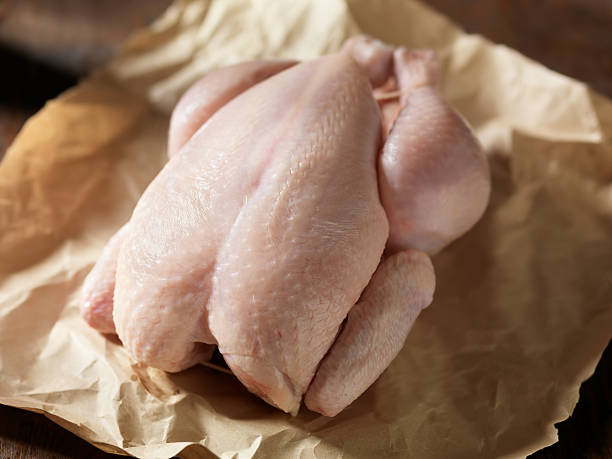
Reheating chicken in the microwave often results in dry, rubbery meat. To combat this, add a splash of broth or water before microwaving and cover the dish. This helps to keep the chicken moist and tender. Stirring or flipping the pieces halfway through can also promote even heating. These adjustments can make leftover chicken a meal to look forward to.
Cutting chicken into smaller pieces before reheating can also help. Smaller pieces warm up more evenly and quickly. Be cautious about overcooking, as chicken can dry out fast. With these methods, you can enjoy chicken that’s just as delicious as when it was first cooked. It’s a simple way to improve your leftovers.
13. Chocolate

Microwaving chocolate can easily lead to burning if you’re not careful. To melt chocolate evenly, use a microwave-safe bowl and stir frequently. Heating in short intervals can prevent overheating and ensure a smooth texture. Adding a small amount of butter or milk can also help achieve the right consistency. These adjustments can make a big difference in your chocolate-based recipes.
Another tip is to use a lower power setting on your microwave. This gives you more control over the melting process and reduces the risk of burning. Be patient and attentive, as chocolate can go from perfect to ruined in seconds. With these techniques, you can achieve the ideal melt every time. Enjoy your chocolate creations with confidence and ease.


