

Mother Nature seems to be sending us urgent messages, and frankly, she’s not using her indoor voice. Whether through erratic weather patterns or unexpected wildlife behaviors, these signs are becoming too glaring to ignore. As conscious inhabitants of this earth, it’s essential to recognize what’s happening around us and understand the deeper implications.
1. Unprecedented Wildfires

You’ve likely noticed that wildfires aren’t just a seasonal issue anymore—they’re practically a year-round disaster. The intensity and frequency of these fires have increased, fueled by prolonged droughts and higher temperatures. According to a detailed study by the National Interagency Fire Center, climate change is exacerbating these conditions, making regions like California and Australia more vulnerable. It’s not just the destruction of forests that’s concerning; it’s the loss of biodiversity and homes that amplifies the urgency.
Wildfires are more than just a spectacle of nature’s wrath; they’re a direct hit to the planet’s lungs. Each acre burned releases massive amounts of CO2, which further accelerates global warming. For people living in affected areas, it’s a yearly cycle of evacuation, rebuilding, and health risks due to smoke. The emotional toll and environmental impact are reminders that Mother Nature is signaling for change.
2. Erratic Weather Patterns

You might be dressing for summer one day and winter the next, as weather becomes increasingly unpredictable. This erraticism isn’t just a wardrobe challenge; it’s a clear sign of a climate in flux. Polar vortexes dipping into southern regions and unseasonal heatwaves are becoming more common. These anomalies disrupt agriculture, economies, and people’s daily lives, making it hard to plan for the future.
This kind of weather volatility is a wake-up call about the stability of our climate systems. When crops fail due to unexpected frosts or floods, food security becomes a looming threat. People find themselves facing new hazards in areas previously unaffected, leading to a rise in climate refugees. Such phenomena underscore the interconnectedness of our global environment and the urgency for a collective response.
3. Melting Glaciers

As you savor your morning coffee, glaciers around the world are quietly receding. These ice giants, which have stood the test of time, are now shrinking at an alarming rate. The World Glacier Monitoring Service reports that this rapid melting contributes significantly to rising sea levels, threatening coastal cities worldwide. It’s a chilling reminder that the effects of climate change are not distant—they’re happening now.
Glaciers are vital indicators of global climate health, acting as reservoirs for freshwater and regulators of sea levels. Their retreat not only impacts marine life and people who rely on glacial water but also disrupts weather patterns. As glaciers melt, they contribute to the rise in sea temperature, further exacerbating extreme weather events. It’s like a domino effect, with one environmental change triggering another, urging us to take notice and act responsibly.
4. Ocean Acidification

If you’ve been following marine news, you know that ocean acidification is taking a toll on sea life. As the oceans absorb more CO2, their chemistry changes, making it harder for organisms like corals and shellfish to survive. This phenomenon isn’t just an ocean problem—it affects the entire planetary ecosystem, as oceans play a crucial role in carbon sequestration. People who depend on the ocean for food and livelihood are now facing uncertainty and loss.
The decline of coral reefs, often called the rainforests of the sea, has a ripple effect on marine biodiversity. Fish populations dwindle as their habitats degrade, impacting the food chain and human nutrition. This acidification also reduces the ocean’s capacity to absorb CO2, amplifying global warming. You can’t help but feel that the oceans, vast and powerful as they are, are sending out a distress signal loud and clear.
5. Declining Pollinator Populations

In your garden or local park, you might notice fewer bees buzzing around. Pollinators, crucial for the reproduction of many flowering plants, are in decline due to habitat loss and pesticide use. A study from the U.S. Geological Survey highlights how crucial these species are for global food production and biodiversity. Without them, crops like fruits, vegetables, and nuts face significant yield losses, impacting diets and economies.
The decline of pollinators is a stark reminder of the delicate balance within ecosystems. As these species vanish, the plants they pollinate struggle to reproduce, leading to a cascade of ecological consequences. People often overlook the fact that a single bee’s disappearance can signal broader environmental issues. The urgency to protect these insects is a call to preserve the natural systems that sustain human life.
6. Disrupted Animal Migration Patterns

Perhaps you’ve noticed that migratory birds are showing up out of season or not at all. Animals rely on stable climate cues for migration, breeding, and feeding. However, climate change is throwing these signals into disarray, altering traditional patterns that have evolved over millennia. As habitats shift and food sources become scarce, wildlife struggles to adapt.
Disrupted migrations can lead to mismatches in food availability, affecting animal survival and reproduction. For people, this means changes in ecosystems that once supported agriculture and biodiversity. It’s like nature’s calendar has gone off-sync, demonstrating how climate change impacts all living creatures. The challenge is to mitigate these changes before they become irreversible.
7. More and Worsening Hurricanes

If you live near the coast, you’ve probably felt the increasing menace of hurricanes. Scientists have observed not just more frequent storms, but also more intense ones, with higher winds and rainfall. According to the National Oceanic and Atmospheric Administration (NOAA), warmer ocean temperatures are fueling these supercharged storms. The damage left in their wake is a concrete reminder of the escalating power of nature.
Hurricanes wreak havoc on communities, economies, and ecosystems, leaving long-lasting scars. For people in their path, it’s a struggle of rebuilding and resilience, often without the resources needed to fortify against the next storm. The financial and emotional toll is enormous, underscoring the urgent need for climate action. As storms grow stronger, so does the message that our planet’s climate demands immediate attention.
8. Coral Bleaching

Even if you’re not a diver, coral bleaching has likely caught your attention through stark before-and-after images. This phenomenon occurs when corals, stressed by temperature spikes, expel the algae that give them color and nutrients. The result is eerily beautiful but a sign of a dying ecosystem. As global ocean temperatures rise, these bleaching events have become more frequent and severe.
Coral reefs support a vast array of marine life and act as natural barriers protecting coastlines. When they bleach, the repercussions ripple through the entire oceanic food web, affecting fish stocks and livelihoods. For many coastal communities, this means a loss of income from fishing and tourism. It’s a poignant example of how environmental health and human well-being are inextricably linked.
9. Deforestation and Habitat Loss

Next time you enjoy a walk through a forest, consider how these green giants are disappearing at an alarming rate. Deforestation driven by agriculture, logging, and urban expansion is decimating habitats and biodiversity. This loss is more than a tragedy for nature; it’s a catastrophe for people who rely on these ecosystems for food, medicine, and shelter. The Amazon Rainforest, often dubbed the “lungs of the Earth,” is diminishing, reducing its capacity to regulate the global climate.
Every tree cut down is a step closer to losing invaluable carbon sinks that mitigate climate change. Animals lose their homes, leading to human-wildlife conflict as they encroach on urban areas. This destruction paves the way for zoonotic diseases to jump from wildlife to people, posing new health threats. Deforestation is a vivid reminder of the interconnectedness between human actions and environmental balance.
10. Plastic Pollution

Plastic pollution has become a ubiquitous part of modern life, whether you encounter it on a beach walk or in local waterways. As you dispose of that single-use plastic bottle, consider the millions like it floating in our oceans, harming marine life. The Great Pacific Garbage Patch is a testament to our throwaway culture, impacting everything from plankton to whales. Plastic takes centuries to decompose, leaving a lasting mark on the environment.
This pollution not only affects wildlife but also enters the human food chain through seafood. Microplastics have been found in water supplies and even table salt, posing unknown health risks. People often overlook the long-term consequences, but the pervasive nature of plastic pollution is a wake-up call. It’s a challenge that requires global cooperation and individual responsibility to address effectively.
11. Species Extinction
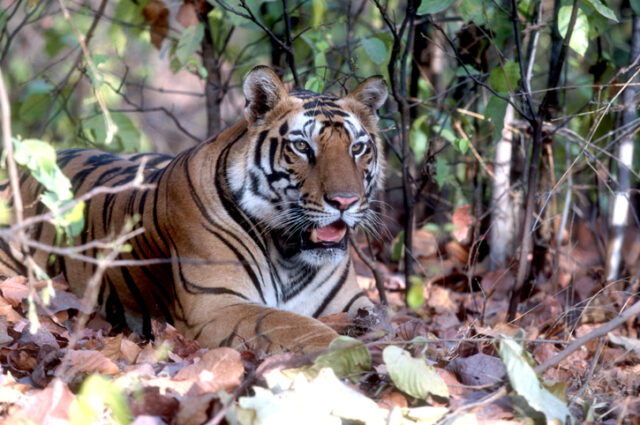
You might not notice immediately, but the silent disappearance of species is underway. The current rate of extinction is estimated to be 1,000 times higher than natural background rates, primarily due to human activities. The loss of species means the loss of biodiversity, which is crucial for ecosystem resilience and stability. It’s a sobering reminder of our impact on the planet and the urgency to preserve what remains.
Every extinct species is a thread cut from the fabric of life, affecting everything from pollination to predator-prey relationships. For people, this translates to ecosystem services that are disrupted or lost, impacting agriculture, medicine, and even climate regulation. The extinction crisis calls for a reevaluation of how we interact with nature. Protecting endangered species is not just about saving animals; it’s about safeguarding our own future.
12. Rising Sea Levels

You may have heard about cities preparing for rising sea levels, but the reality is more complex and closer than you think. As glaciers and ice sheets melt, sea levels rise, threatening coastal communities with frequent flooding. The Intergovernmental Panel on Climate Change (IPCC) warns that if current trends continue, many low-lying areas could become uninhabitable. It’s a stark reminder that climate change is reshaping our landscapes and lives.
Rising seas affect not only where you can live but also freshwater supplies, as saltwater intrusion contaminates aquifers. For coastal ecosystems, this means habitat loss and increased salinity, disrupting local flora and fauna. People face the difficult choice of adapting, relocating, or facing the consequences of inaction. It’s a monumental challenge that requires innovative solutions and global cooperation.
13. Algal Blooms

The next time you hear about a beach closed due to algal blooms, know that it’s a symptom of a larger problem. These blooms, fueled by nutrient runoff and warmer waters, can produce toxins harmful to both marine life and humans. They disrupt local fisheries and tourism, impacting economies dependent on healthy waterways. For people, this means potential health risks from contaminated seafood and recreational waters.
The proliferation of algal blooms is a sign of nutrient imbalances and climate changes in aquatic ecosystems. As these blooms die off, they consume oxygen, creating dead zones where little life can survive. This degradation of water quality highlights the urgent need to manage agricultural practices and reduce pollution. Tackling the root causes of algal blooms can lead to healthier ecosystems and communities, underscoring the importance of sustainable practices.


