

The American healthcare system is often described as the best in the world—until you actually need to use it. Behind the glossy rhetoric of innovation and choice lies a harsh reality: millions of Americans are navigating a system that’s confusing, unequal, and outrageously expensive. Even those with good insurance often find themselves buried under medical debt, denied essential care, or trapped in bureaucratic nightmares that put profits before patients.
For many, getting sick in the U.S. isn’t just a health crisis—it’s a financial and emotional one, too. From sky-high costs to systemic inefficiencies and glaring inequities, these are the uncomfortable truths Americans are forced to live with every day in a system that too often prioritizes money over medicine
1. The Cost Is Astronomical
There’s no denying it: healthcare in the U.S. is expensive. You’re aware that a simple doctor’s visit can set you back hundreds, and heaven forbid you need a specialist or hospital stay. According to a report from the Kaiser Family Foundation, the average annual premium for family coverage in 2021 was around $22,221, with workers on the hook for about $5,969 of that cost. It’s a financial burden that weighs heavily on many families, forcing tough decisions between healthcare and other essentials.
This all might leave you wondering if quality justifies the cost. While advanced technology and cutting-edge treatments are available, they don’t always translate to better health outcomes. People often find themselves navigating a system that seems to prioritize profit over people. It’s a tough pill to swallow, yet you continue to maneuver through it, hoping for the best outcome at a manageable cost.
2. It Doesn’t Cover Everything

You’ve probably experienced the sinking feeling of opening a medical bill only to find a staggering amount due, despite having insurance. It’s a common scenario where the fine print of your policy reveals just how selective coverage can be. You quickly learn that terms like “out-of-network” and “deductible” are not just jargon but the keys to understanding your financial responsibility. And let’s not forget the pre-authorizations that make accessing care even more complicated.
It’s a bitter reminder that insurance isn’t a safety net as comprehensive as you once thought. The reality is, even with a policy, you may still have significant out-of-pocket expenses. These can include copayments, coinsurance, and services not covered at all. It’s a constant game of trying to anticipate which services will actually be covered and which will be a surprise expense.
3. The System Is Complex (And Broken)

If you’ve ever tried to make sense of insurance policies or billing statements, you know the system is anything but straightforward. It’s a maze of codes, terms, and conditions that seem designed to confuse. According to a study by the American Medical Association, administrative complexity is one of the primary drivers of high healthcare costs. This complexity leaves people spending hours on the phone with insurance companies or deciphering bills instead of focusing on their health.
You might find yourself longing for a more transparent system that prioritizes simplicity. In an ideal world, you’d spend less time trying to understand the difference between HMO, PPO, and EPO plans and more time getting the care you need. Yet, the current reality means you’re perpetually in a cycle of learning and re-learning the intricacies of your coverage. It’s a frustrating dance of bureaucracy that you, like many others, have unwillingly become adept at navigating.
4. Prescription Drug Prices Are High

The price you pay at the pharmacy counter can often feel like a punch to the gut. Prescription medication costs in the U.S. are notoriously high, sometimes forcing you to make tough decisions between essential medicines and other necessities. It’s a harsh realization that generic versions aren’t always available, and brand-name drugs can be exorbitantly expensive. You learn to ask your doctor for samples or search for discount programs to lighten the financial load.
This issue isn’t just about money; it’s about access to life-saving treatments. The frustration builds when you realize that similar medications are available at lower prices in other countries. People often resort to buying prescriptions from abroad or skipping doses to make their supply last longer. It’s a cycle of compromise and ingenuity to manage something that should be straightforward — taking your prescribed medication.
5. Wait Times Can Be Very Long

The concept of “waiting” becomes all too familiar when you’re dealing with the U.S. healthcare system. Whether it’s scheduling an appointment or waiting for lab results, time can feel excruciatingly slow. A report from the Commonwealth Fund highlights that Americans often face longer wait times for specialist appointments compared to other high-income countries. You find yourself feeling grateful for same-day appointments, even if they are a rarity.
The waiting doesn’t stop at appointments. It extends to the time spent in waiting rooms and the delay in getting test results. While you’re in the waiting limbo, you’re acutely aware of how precious time is, especially when it involves health concerns. Despite these frustrations, you learn to incorporate patience into your healthcare experiences, often bringing a book to appointments just in case.
6. Mental Health Care Is Often Inaccessible

When it comes to mental health, you might feel like you’re navigating an entirely different system. Access to mental health services is often fraught with barriers, including cost and availability of providers. Many insurance plans offer limited coverage for mental health, making it difficult to find affordable care. You might encounter waitlists weeks long just to see a therapist or psychiatrist.
This lack of accessibility can be disheartening, particularly when mental health is just as vital as physical health. The stigma surrounding mental health issues only adds to the challenge of seeking help. You learn to advocate for yourself, pushing through the red tape to find the support you need. It’s a journey of persistence and resilience, made harder by a system that doesn’t always prioritize mental well-being.
7. Preventive Care Is Not Always Prioritized

There’s a growing awareness of the importance of preventive care, yet it often feels like an afterthought in the U.S. healthcare system. Screenings, vaccines, and routine check-ups are essential, but they can fall by the wayside due to cost or lack of access. According to the Centers for Disease Control and Prevention, many adults in the U.S. miss out on recommended preventive services. You might find it challenging to prioritize these appointments amidst a busy life and a system that doesn’t emphasize prevention.
The irony is that preventive care could save both money and lives in the long run. But with higher immediate costs and a focus on reactive rather than proactive care, prevention often gets sidelined. You might find yourself juggling schedules and budgets to fit in these important health checks. Despite the system’s complexities, you know that staying on top of preventive care is a key part of managing your long-term health.
8. Surprise Medical Bills Are Common

Even when you think you’ve covered all your bases, surprise medical bills can hit you out of nowhere. These unexpected expenses often come from services rendered by out-of-network providers during emergency visits or surgeries. It’s a common scenario where you think everything is within your insurance network, only to receive a hefty bill later. It leaves you feeling blindsided, adding stress to an already challenging situation.
Surprise bills can be a significant financial burden, forcing you to dip into savings or negotiate payment plans. The lack of transparency around medical billing practices makes it difficult to anticipate these costs. You’re left questioning how you can avoid such surprises in the future, often spending additional time on the phone with billing departments. Despite these challenges, you persist, learning to ask more questions upfront and advocate for clarity in your medical expenses.
9. Emergency Room Visits Are Often Misused
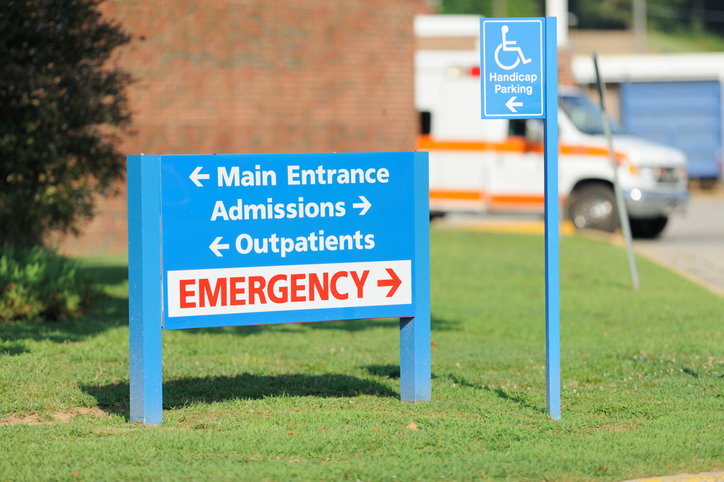
Emergency rooms are a critical part of the healthcare system, but you might notice they are often used for non-emergency situations. This misuse is partly because of the difficulty in accessing timely primary care. People turn to the ER for urgent but non-life-threatening conditions because it’s one place they know they can get immediate attention. You might have done the same, finding that a trip to the ER is sometimes the quickest way to get medical care.
This practice can lead to overcrowded emergency rooms and increased costs for everyone involved. It’s a cycle where the inability to access regular care pushes people to seek immediate solutions at the ER. Unfortunately, it’s not always the best environment for non-emergency issues, both in terms of cost and quality of care. You learn to assess when an ER visit is truly necessary, often seeking alternative urgent care centers for less critical needs.
10. Health Disparities Are Rife

Health disparities across different populations in the U.S. are a stark reality you can’t ignore. Factors like race, socioeconomic status, and geographic location significantly influence the quality of care you receive. You see this play out in various ways, including access to services, health outcomes, and overall life expectancy. It’s a reminder that the healthcare system doesn’t treat everyone equally, contributing to broader societal inequities.
For those affected, navigating the healthcare system becomes even more complicated. You might find yourself advocating harder for quality care or struggling to find providers that understand your specific needs. Recognizing these disparities can be the first step towards seeking change, both on a personal and systemic level. It’s a complex issue that requires ongoing awareness and action to address the root causes and improve equity in healthcare access.
11. Medical Debt Is a Common Burden

You’re not alone if you’ve found yourself drowning in medical debt. It’s a widespread issue that affects millions of people across the U.S., often leading to financial instability. Even with insurance, the high cost of treatments, surgeries, and emergencies can accumulate quickly, overwhelming many households. The stress of managing this debt can impact every facet of your life, from your credit score to your mental health.
Navigating medical debt involves a lot of strategy and negotiation. You might spend countless hours on the phone with billing departments, setting up payment plans, or contesting charges. It’s a burdensome process, but there are resources and organizations dedicated to helping people manage and reduce their medical debt. You learn to be proactive, seeking assistance and advocating for your financial future amidst the chaos.
12. Rural Areas Face Unique Challenges

If you live in a rural area, accessing healthcare presents a unique set of challenges. Long distances to the nearest hospital or clinic can make routine care a logistical nightmare. You may find that specialists are few and far between, requiring travel to urban centers for certain treatments. This geographic barrier can delay care and exacerbate health issues, adding to the stress of managing your health.
Telemedicine has emerged as a potential solution, bringing care to those in remote locations. However, it’s not without its own limitations, such as access to reliable internet or the ability to conduct thorough examinations remotely. You might find yourself advocating for more resources and attention to rural healthcare needs. Despite the hurdles, you adapt, finding ways to make the most of the options available to you and your community.
13. Technology Is a Blessing and a Curse

Technological advancements in healthcare have the potential to improve your experience, but they can also complicate it. Electronic health records, telemedicine, and online appointment scheduling are convenient but often come with their own set of challenges. You might encounter issues with privacy, data breaches, or simply navigating new systems. It’s a double-edged sword where technology can streamline processes but also introduce new frustrations.
Despite these challenges, technology offers significant benefits like improved access to information and better communication with providers. You learn to embrace the positive aspects, like tracking your health data or attending virtual appointments. Still, the learning curve can be steep, requiring patience and adaptability. In the end, technology in healthcare is a tool that, when used effectively, can enhance your care — if you can manage the occasional tech headache.


