

Hollywood loves to frame feuds as personality clashes—two egos that couldn’t coexist, two stars who just didn’t get along. That framing keeps things entertaining and shallow. What it avoids is the harder truth: many of these conflicts were about leverage, hierarchy, silence, and who was allowed to set the terms of success. These feuds weren’t dramatic because of what was said publicly. They were deep because of what was at stake privately.
1. Taylor Swift vs. Scooter Braun
At first glance, the Taylor Swift–Scooter Braun conflict looked like an unusually bitter business dispute. But beneath it was a structural imbalance that had long been normalized in the music industry: artists creating value they never truly own. Braun’s acquisition of Swift’s masters forced that imbalance into public view.
What made this feud deep wasn’t personal animosity—it was exposure. Swift refused to accept the standard explanation that this was simply “how the industry works.” By re-recording her catalog, she didn’t just respond emotionally; she challenged the logic of ownership itself, turning a private injustice into a systemic reckoning.
2. Kim Cattrall vs. Sarah Jessica Parker

The Sex and the City feud was repeatedly framed as a personality issue, with Kim Cattrall positioned as difficult and Sarah Jessica Parker as diplomatic. Over time, it became clear the conflict revolved around compensation, authority, and the expectation that women maintain public unity regardless of internal inequity.
What made this feud deep was the cost of noncompliance. Cattrall’s refusal to perform harmony disrupted a narrative that benefited everyone but her. The backlash revealed how professionalism is often defined not by fairness, but by silence—and how quickly dissent is punished when it threatens a legacy.
3. Kanye West vs. Jay-Z

The breakdown between Kanye West and Jay-Z was never about one comment or one betrayal. It reflected a growing imbalance as Jay-Z consolidated institutional power while Kanye became increasingly volatile and uncontainable. Their paths diverged not just personally, but structurally.
What made this feud deep was asymmetry. Jay-Z had the ability to disengage quietly; Kanye did not. The conflict revealed how relationships change when one person becomes the gatekeeper and the other becomes the liability, even when history binds them.
4. Britney Spears vs. Her Family
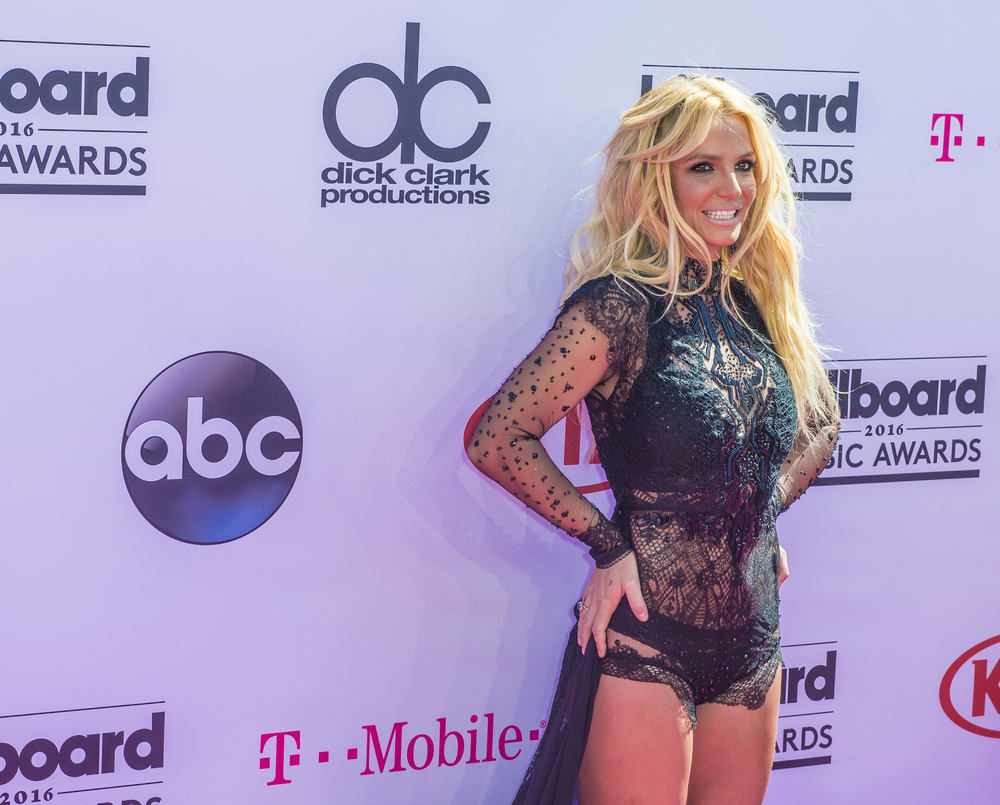
Britney Spears’ conflict with her family was often framed as tragic dysfunction. In reality, it exposed how legal systems can convert care into control when profit and authority align. The conservatorship functioned less as protection and more as containment.
What made this feud deep was its legitimacy. It wasn’t fueled by rumor—it was upheld by courts. The situation forced a public reckoning with how easily autonomy can be removed under the guise of concern, especially when the person affected is both vulnerable and lucrative.
5. Olivia Wilde vs. Florence Pugh

What looked like interpersonal tension during Don’t Worry Darling promotions was actually a struggle over narrative authority. Olivia Wilde spoke publicly, framed events, and managed perception. Florence Pugh largely refused to participate.
What made this feud deep was restraint. Pugh’s silence wasn’t passive—it was strategic. In an industry where speaking often reinforces hierarchy, opting out became a form of resistance, exposing how power operates through storytelling rather than direct conflict.
6. Madonna vs. Lady Gaga
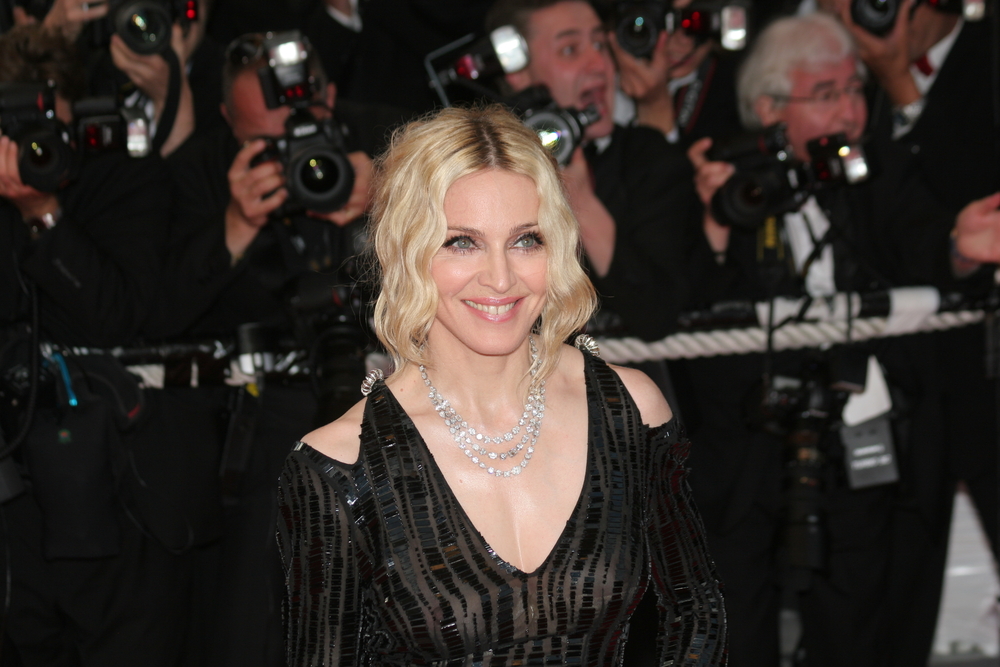
This feud was reduced to accusations of imitation, but at its core, it was about cultural inheritance. Madonna built a career on reinvention and boundary-pushing, then encountered an artist who occupied that space without needing validation or lineage.
What made this conflict deep was inevitability. Influence doesn’t ask for approval when it evolves. The tension revealed how difficult it can be for icons to witness succession that doesn’t require acknowledgment—and how ownership of legacy is often more emotional than legal.
7. Johnny Depp vs. Amber Heard

What began as a private relationship breakdown became a global spectacle where narrative itself was the central battleground. The conflict unfolded not just in courtrooms, but across social media platforms that rewarded certainty, outrage, and entertainment over complexity. Evidence, testimony, and context were flattened into shareable moments.
The feud revealed how public opinion can function as a parallel justice system. Once a narrative gains momentum, it becomes self-reinforcing, resistant to nuance or reversal. The deeper issue wasn’t who won legally, but how easily credibility can be shaped by visibility, timing, and audience appetite.
8. Mariah Carey vs. Jennifer Lopez

This feud is often reduced to Mariah Carey’s infamous refusal to acknowledge Jennifer Lopez. But beneath the surface, it reflected how recognition itself operates as currency in celebrity hierarchies. To acknowledge is to validate; to withhold acknowledgment is to deny equivalence.
The tension highlighted how power can be exercised quietly. Carey didn’t attack or compete—she simply refused to participate. In an industry where relevance is constantly negotiated, silence can be a form of dominance rather than dismissal.
9. Gwyneth Paltrow vs. Winona Ryder

The rumored fallout between Gwyneth Paltrow and Winona Ryder centered on allegations of idea and opportunity theft during a period when roles for young women were both lucrative and limited. Whether every detail was accurate mattered less than the environment that made such a rupture plausible.
The feud reflected how scarcity reshapes relationships. When success feels finite, collaboration gives way to suspicion. Hollywood’s competitive structure often turns personal trust into collateral damage, especially when careers hinge on access rather than abundance.
10. Ryan Murphy vs. His Former Collaborators

Ryan Murphy’s repeated fallouts with writers and collaborators weren’t isolated incidents; they followed a recognizable pattern. Conflicts emerged around credit, control, and whose vision was ultimately amplified under the banner of a single “creator.”
This feud pattern exposed how collaboration is often romanticized while credit remains centralized. When one name becomes synonymous with a project, everyone else becomes replaceable. The tension wasn’t personal—it was structural, built into how creative power is distributed and remembered.
11. Shannen Doherty vs. Her Co-Stars

Shannen Doherty’s conflicts on sets like Beverly Hills, 90210 and Charmed were framed as proof of her being “difficult.” That label followed her for decades, flattening context, health struggles, and workplace dynamics into a single narrative.
The feud revealed how reputations are constructed and enforced. Once someone is categorized as the problem, their behavior is interpreted through that lens permanently. Hollywood’s tolerance for assertive women has always been thin, and Doherty became a cautionary tale that discouraged complexity.
12. Oprah Winfrey vs. Mo’Nique

The conflict between Oprah Winfrey and Mo’Nique stemmed from disagreements over pay, promotion, and what behavior is considered acceptable from Black women in positions of visibility. Mo’Nique’s refusal to comply quietly was framed as ingratitude rather than protest.
This feud illuminated how power polices tone. Advocacy is welcomed only when it’s palatable. The fallout showed how quickly someone can be excluded when they challenge expectations of humility in spaces that claim to celebrate empowerment.
13. Leonardo DiCaprio vs. the Studio System

Leonardo DiCaprio’s long-standing avoidance of franchises and overexposure functions as a quiet but persistent conflict with Hollywood economics. Rather than confront studios directly, he opted out of systems that prioritize repeatability over craft.
This wasn’t rebellion—it was leverage. By limiting access to himself, DiCaprio reshaped his value and protected his autonomy. The feud here was invisible but consequential, demonstrating that withdrawal can be as powerful as confrontation.


