

Most of us rely on our kitchen appliances daily—but that doesn’t mean we’re using them correctly. In fact, some of the most common tools in your kitchen are probably being used in ways that waste energy, ruin food, or shorten the lifespan of the appliance itself. From refrigerators to blenders, there are simple mistakes that can cost you time, money, and even flavor.
The good news? These habits are easy to fix once you know what to look for. Whether you’re an everyday cook or a weekend meal-prepper, understanding how to properly use your appliances can make a huge difference. Here are 13 kitchen appliances you’re probably using completely wrong—and how to fix it.
1. The Fridge
Many people assume that where you place food in the refrigerator is merely about convenience, but each shelf has a specific purpose. The top shelves are the warmest, making them ideal for drinks and leftovers. The middle shelves are perfect for dairy products since they benefit from a stable, cool temperature. Lower shelves, being the coldest, are best suited for raw meat to prevent cross-contamination. Drawers are specifically designed for fruits and vegetables to maintain humidity levels and prolong freshness.
According to Dr. Maya Vadiveloo, a nutrition expert at the University of Rhode Island, organizing your fridge properly can also help in reducing food waste. By placing perishables at eye level, you’re more likely to use them before they spoil. Also, understanding the temperature zones can help keep bacteria at bay, minimizing foodborne illnesses. Make it a habit to regularly check expiration dates and rearrange items to make sure nothing gets lost in the back. So, rethink your approach, and let your fridge work more efficiently for you.
2. The Dishwasher

Loading a dishwasher may seem straightforward, but there’s actually a method to the madness. Plates should be placed on the bottom rack angled toward the center for optimal cleaning. Larger items like pots and pans belong on the sides of the lower rack to avoid blocking the detergent dispenser. The top rack is designed for glasses and small bowls, which should be angled to prevent pooling water. Avoid overcrowding, as it can stop water from reaching all surfaces.
You might be tempted to pre-rinse everything, but that’s not necessary with modern dishwashers. They are equipped to handle food residues, and over-rinsing can make your dishwasher work less effectively. Using too much detergent can also be detrimental, leaving residues on your dishes. Refer to your specific dishwasher manual for optimal detergent amounts and cycle settings. A properly loaded dishwasher saves time, water, and energy.
3. The Microwave

Microwaves do more than just reheat leftovers, but many people don’t utilize their full potential. The power settings aren’t just arbitrary numbers; they determine how your food cooks. For instance, defrosting should be done at 30% power to ensure even thawing without cooking the edges. Reheating liquids at high power can cause uneven temperature, so adjust to 70% to avoid spills or burns. Using the manufacturer’s specific settings can deliver the best results for different types of food.
According to a study by the American Chemical Society, microwaving vegetables at certain power levels can actually help retain more nutrients compared to other cooking methods. Experiment with your microwave’s settings to see what works best for you. Don’t hesitate to consult your manual for guidance on power levels and cooking times. The right settings can make your microwave a versatile cooking tool, rather than just a reheating appliance. Give those buttons a chance to show their worth.
4. The Blender

Blenders aren’t just for smoothies; they can make soups, sauces, and even chop vegetables if used correctly. When you load your blender, always start with liquids to prevent clogging the blades. Add soft items like yogurt or bananas next, then finish with harder ingredients like ice or frozen fruit. This order helps the blades move more freely and blend everything evenly. Don’t blend for too long, as it can overheat the motor.
Blender settings offer more than just speed adjustments. Pulsing can be great for chopping veggies or nuts without turning them into mush. For hot soups, start on a low setting to prevent splattering. Regularly check the blades and seals for wear and tear, as dull blades reduce efficiency. Use the pulse feature to clean your blender quickly by blending soapy water at low speed for a few seconds.
5. The Coffee Maker

A coffee maker’s role is pivotal for many morning routines, but it often gets neglected. Regular cleaning is essential to ensure that it operates efficiently and keeps your coffee tasting fresh. The water reservoir can build up mineral deposits, especially if you use hard water, which impacts the machine’s performance. Descaling should be done monthly using a solution of equal parts water and white vinegar. Run this solution through a brewing cycle followed by two cycles of just water to remove any vinegar taste.
According to coffee expert James Hoffmann, author of “The World Atlas of Coffee,” maintaining your coffee maker can also affect the taste and quality of your brew. He emphasizes that a clean machine extracts coffee flavors more effectively, as mineral buildup can lead to inconsistent brewing temperatures. Regular cleaning extends the life of the appliance and ensures a better-tasting cup every time. Even if your coffee maker seems to be working fine, don’t skip these maintenance steps. A little attention goes a long way.
6. The Oven

Oven racks have a purpose beyond just holding your baking trays. The position of the rack affects cooking time and food texture. Placing a rack in the top third of the oven is ideal for broiling. The middle rack is perfect for baking and roasting, where you need even heat circulation. The bottom rack is best for dishes that require a crispy base, like pizza or pies.
Understanding these heat zones prevents food from overcooking or undercooking. For even results, always preheat the oven before placing food inside. If baking multiple trays, rotate them halfway through cooking to ensure even browning. Ovens can have hot spots, so it’s crucial to know your appliance’s quirks. Adjusting rack positions is a simple way to improve your cooking.
7. The Toaster Oven

A toaster oven is more than just a miniature oven for toast and snacks. It’s a versatile kitchen appliance that can handle a wide range of cooking tasks if you know how to use it properly. Many people overlook its potential for tasks like baking small batches of cookies, roasting vegetables, or even cooking a small chicken. The convection feature, available in many models, circulates hot air for faster and even cooking. Knowing when to use this feature can save time and energy, particularly for baked goods.
According to culinary expert J. Kenji López-Alt, author of “The Food Lab,” toaster ovens can be more energy-efficient than full-sized ovens for small tasks. He notes that preheating times are generally shorter, and the smaller cavity requires less energy to maintain temperature. This makes them an excellent choice for quick meals or when cooking for one or two people. Use the timer and temperature settings to experiment with different recipes. With a little practice, your toaster oven can become your go-to appliance for quick and easy meals.
8. The Rice Cooker

Rice cookers are designed for more than just cooking rice, but many people don’t explore beyond the basic function. The ‘white rice’ and ‘brown rice’ settings adjust cooking times and temperatures for different grains. Experiment with cooking quinoa, oatmeal, or even steaming vegetables using your rice cooker. The ‘keep warm’ function is perfect for making sure side dishes are ready when you are. Playing around with these settings can enhance your meal prep routine.
Before adding rice or grains, rinse them to remove excess starch and improve texture. Use the measuring lines inside the pot for accurate water-to-grain ratios. Allow the grains to rest with the lid on after cooking to finish absorbing steam for a fluffier texture. Regular cleaning of the inner pot and lid ensures that your rice cooker works efficiently. So, take advantage of all those settings for more than just rice.
9. The Food Processor
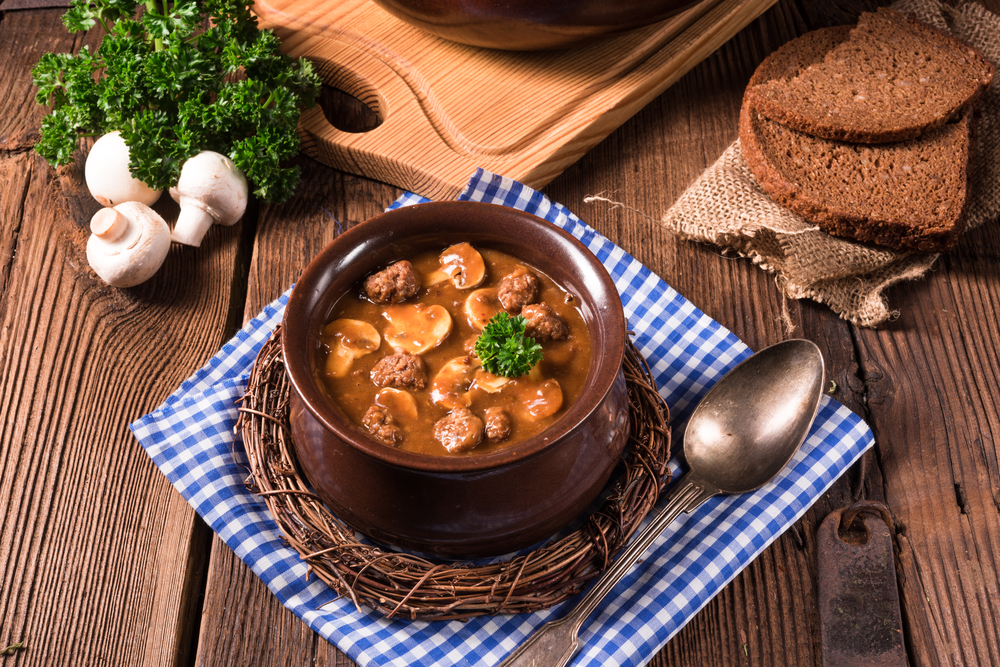
A food processor can be a kitchen powerhouse if you use the right blades for the job. The standard S-shaped blade is versatile and great for chopping, blending, and pureeing. However, using the slicing or shredding disks can give you consistent results for salads or gratins. Dough blades can knead bread or pizza dough without overworking the gluten. Blade selection can transform how you approach cooking.
Don’t underestimate the importance of speed settings. Lower speeds are better for doughs and delicate tasks, while high speeds are perfect for making nut butters or purées. Clean blades immediately after use to prevent food from drying and sticking. Store them safely to maintain their sharpness and ensure long-term performance. Understanding your food processor’s capabilities can save time and effort in the kitchen.
10. The Electric Kettle

If you frequently use an electric kettle, you might not realize the energy-saving potential it holds. Filling the kettle with only as much water as you need can cut down on energy waste and boiling time. Use the kettle’s temperature settings if available, to heat water to the optimal brewing temperature for different types of tea or coffee. Descale regularly to maintain efficiency, especially if you notice it taking longer to boil. A quick cleaning with vinegar can keep your kettle in top condition.
Overfilling can be a safety hazard and lead to spills. Pay attention to the recommended fill lines to prevent overheating and spillage. Consider using the boiled water for multiple purposes, like pre-warming cups or cooking. With a few adjustments, your kettle can become an even more useful kitchen tool. Efficiency is key when it comes to daily appliances.
11. The Slow Cooker
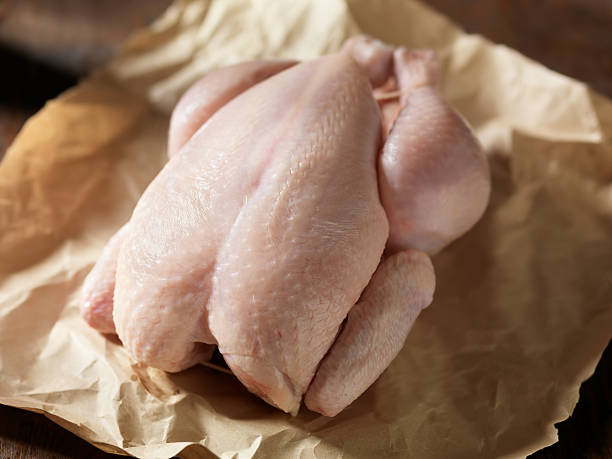
Slow cookers are a busy person’s best friend, but timing is everything. It’s not just about setting it and forgetting it; timing impacts texture and flavor. Cooking on low heat is ideal for breaking down tough cuts of meat and developing deep flavors. However, cooking for too long can result in mushy vegetables or dried-out meats. Be mindful of when to add ingredients that require less cooking time, like dairy or quick-cooking vegetables.
Layering ingredients properly can also affect the outcome. Place root vegetables at the bottom, as they take longer to cook. Proteins should sit on top to prevent overcooking. For optimal flavor, brown meats before adding them to the slow cooker. A little planning results in better meals that maintain their intended textures.
12. The Stand Mixer

Stand mixers are often underutilized, with many people sticking to the basic paddle attachment. Yet, each attachment provides unique functions that can drastically improve your culinary creations. The dough hook is excellent for kneading bread or pizza dough without tiring your arms. The wire whisk can whip cream or egg whites to perfection in a matter of minutes. Trying out these attachments can expand what you thought possible with your mixer.
Beyond baking, you can try attachments for pasta making or food grinding, taking the versatility even further. Make sure to adjust the speed according to the task, as overmixing can ruin the texture of your food. Regularly check the mixer head to ensure it’s properly aligned for even mixing. Cleaning attachments promptly after use prevents food from hardening and makes it easier to maintain. Dive into the world of attachments to unlock the full potential of your stand mixer.
13. The Air Fryer

Air fryers have surged in popularity, yet many people only use them for frying. They are actually mini convection ovens that can bake, roast, and even grill. For best results, preheat the air fryer to ensure even cooking. Lightly coat food in oil for a crispy texture without deep frying. Avoid overcrowding the basket, as this can impede air circulation and result in uneven cooking.
Shake or flip food halfway through the cooking time for even browning. Use parchment paper or foil sparingly, as too much can block airflow. The air fryer is fantastic for reheating leftovers, maintaining their crispiness. Regular cleaning of the basket and tray will prevent smoke and maintain performance. Explore beyond typical fried foods to get the most out of this versatile appliance.
More Bolde Stories

7 habits that look like overthinking but are often signs someone processes information unusually ...

Men who only value relationships for what they can get from them usually do these 7 things casually

