
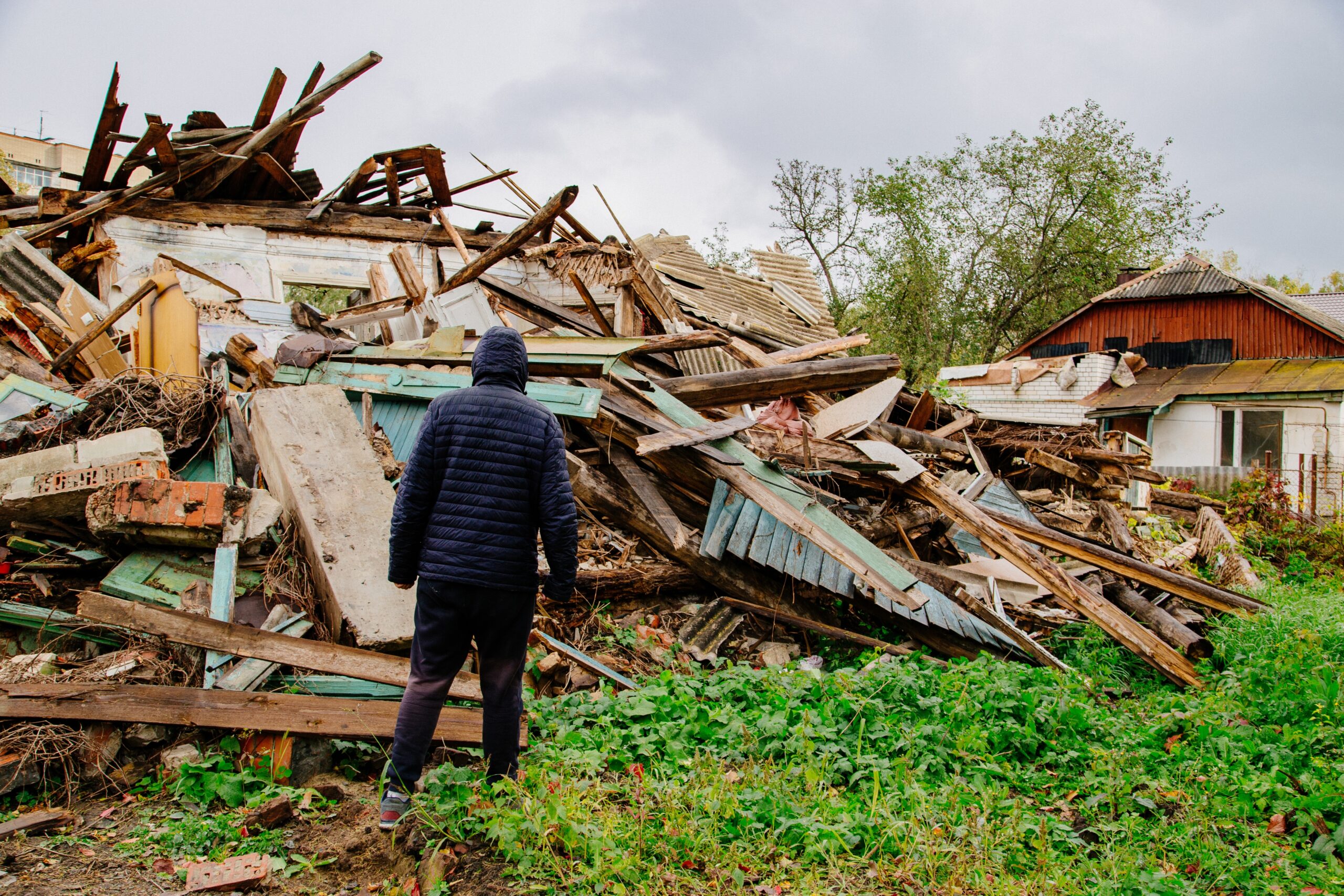
Some disasters don’t just destroy cities—they reshape civilizations. From volcanic eruptions that blotted out the sun to floods that inspired ancient myths, nature has always had the power to rewrite human history in a single, cataclysmic moment. These weren’t just acts of destruction—they were turning points that changed economies, migrations, and even the course of empires. Here are 13 natural disasters so massive, their aftermaths still echo through time.
1. The Eruption of Mount Vesuvius (79 AD)
Imagine living in ancient Pompeii, a bustling Roman city enjoying its peak of prosperity, surrounded by the everyday hustle of markets and life. Then, without warning, Mount Vesuvius explodes, burying your world in volcanic ash and preserving it for millennia. The residents, caught off guard, left behind a haunting tableau of daily life frozen in time. Today, Pompeii serves as a poignant reminder of nature’s indiscriminate power and our own impermanence.
According to National Geographic, the well-preserved ruins of Pompeii provide invaluable insights into Roman life, offering a direct window into the past. Archaeologists continue to unearth new findings, helping us understand everything from Roman diet and architecture to their social hierarchies. It’s a powerful testament to how a single event can open up an entire world of knowledge. The eruption of Vesuvius has not only shaped our understanding of volcanic activity but also enriched our appreciation of ancient civilizations.
2. The Lisbon Earthquake (1755)

Picture yourself in 18th century Lisbon, a vibrant hub of European culture and commerce. On November 1st, the city is rocked by a massive earthquake, followed by fires and a tsunami, virtually erasing Lisbon from the map. The natural disaster, coinciding with All Saints’ Day, led to a crisis of faith and sparked philosophical debates across Europe about the nature of God and human suffering. It was a turning point that catalyzed the Age of Enlightenment, altering the way people perceived divine intervention and natural laws.
The earthquake’s aftermath also saw the birth of modern seismology as scientists began systematically studying earthquakes for the first time. Lisbon’s reconstruction was an early example of urban planning with a focus on earthquake resistance, setting a precedent for future developments. The disaster highlighted the importance of engineering and resilience, pushing societies toward a more scientific understanding of the world. It marked a shift from seeing natural events as purely divine acts to phenomena that could be studied and understood.
3. The Tambora Eruption (1815)

Imagine the sky turning dark and temperatures dropping dramatically as you witness the mighty eruption of Mount Tambora in Indonesia. This colossal eruption, the largest in recorded history, spewed vast amounts of ash into the atmosphere, leading to the “Year Without a Summer” across the Northern Hemisphere. Crops failed, livestock perished, and widespread famine ensued, highlighting the interconnectedness of global climates and economies even in the 19th century. The event underscored the fragile balance humanity maintains with nature and the wide-reaching impact of volcanic activity.
A study published in the journal Nature Geoscience details how Tambora’s eruption was a major climatic event that disrupted global weather patterns. This research explains how volcanic aerosols led to cooling and erratic weather, emphasizing the importance of understanding volcanic impacts on climate systems. The eruption inspired art and literature, including Mary Shelley’s *Frankenstein*, written during the gloomy summer. Tambora’s legacy lingers as a stark reminder of nature’s ability to transcend borders and affect the entire planet.
4. The Irish Potato Famine (1845-1852)

Travel back to mid-19th century Ireland, where the potato is a staple food for millions of people. Then imagine watching helplessly as potato blight decimates crops, leading to mass starvation, disease, and the deaths of over a million people. The Great Famine triggered a massive wave of emigration, reshaping demographics in Ireland and across the Atlantic, particularly in the United States. It was a turning point that exposed the vulnerabilities of an economy reliant on a single crop and the deep-seated issues of governance and land ownership.
The social ramifications were profound, as the famine deepened divisions between Ireland and Britain, influencing Irish nationalist movements. The diaspora created by the famine helped to forge Irish communities abroad, particularly in cities like Boston and New York, significantly impacting cultural landscapes. It also sparked debates on political responsibility and humanitarian aid, themes still relevant in how we address global food security today. The Irish Potato Famine serves as a historical lesson on agricultural sustainability and the socio-political ramifications of environmental disasters.
5. The Galveston Hurricane (1900)

Imagine standing on the shores of Galveston, Texas, in 1900, unaware of the colossal storm brewing over the Gulf of Mexico. The deadliest natural disaster in U.S. history, this hurricane claimed between 6,000 and 12,000 lives, nearly wiping the city off the map. The storm’s devastation prompted changes in urban planning, disaster preparedness, and the creation of the seawall that still protects Galveston today. It highlighted the urgent need for improved weather forecasting and communication systems, which were then in their infancy.
According to NOAA, the Galveston hurricane catalyzed the advancement of meteorological science and led to the establishment of more robust weather monitoring networks. The aftermath saw major investments in infrastructure designed to mitigate future disasters, setting a precedent for modern disaster response strategies. The hurricane also spurred the development of the National Weather Service, as the importance of accurate forecasting became undeniably clear. Galveston’s story underscores the continuous evolution of how we anticipate, respond to, and learn from nature’s fury.
6. The 1918 Flu Pandemic

Envision a world still reeling from the effects of World War I when a new and deadly influenza virus emerges, spreading rapidly across the globe. The 1918 flu pandemic infected a third of the world’s population and caused millions of deaths, far exceeding the toll of the war itself. It was a stark reminder of how vulnerable human populations are to widespread disease, underscoring the need for global health preparedness. The pandemic transformed medical practices, leading to significant advancements in virology and public health policies.
The 1918 pandemic also changed societal behaviors, as people adopted practices like wearing masks and social distancing to curb the spread of infection. These measures, along with the pandemic’s impact on workforce dynamics, helped shape modern public health responses. It highlighted the necessity of international cooperation in disease control, laying the groundwork for organizations like the World Health Organization. The lessons learned from this global health crisis continue to inform our responses to pandemics today, echoing across a century of medical progress.
7. The Dust Bowl (1930s)

Picture yourself in the American Great Plains during the 1930s, when severe drought and poor farming practices turned once-fertile soil into barren dust. The Dust Bowl wreaked havoc on agriculture, displacing millions of people and exacerbating the Great Depression. It was a pivotal moment in environmental history, highlighting the dire consequences of unsustainable farming and land management. The ecological disaster prompted a shift in agricultural policy, leading to the development of soil conservation programs and sustainable farming practices.
According to the U.S. Department of Agriculture, the lessons from the Dust Bowl led to significant advancements in soil science and the implementation of the Soil Conservation Act of 1935. This legislation marked the beginning of federal efforts to prevent soil erosion and promote environmental stewardship. The disaster also influenced American culture, inspiring works like John Steinbeck’s The Grapes of Wrath, which depicted the human struggles of the era. The Dust Bowl serves as a cautionary tale on the importance of balancing economic development with environmental sustainability.
8. The Great Tangshan Earthquake (1976)

Step into Tangshan, a rapidly growing city in China, in the summer of 1976. In the early morning hours of July 28th, a massive earthquake strikes, flattening the city and claiming hundreds of thousands of lives. It was one of the deadliest earthquakes of the 20th century, with casualties rivaling those of Hiroshima and Nagasaki. The disaster highlighted the need for improved seismic monitoring and emergency response in densely populated areas.
The earthquake’s impact on Chinese society was profound, as the government faced criticism for its handling of the disaster. It spurred investments in earthquake-resistant infrastructure and the establishment of more comprehensive disaster preparedness systems. The international humanitarian response to the earthquake also marked a turning point in China’s engagement with the global community. Tangshan’s recovery and reconstruction efforts underscore the resilience of human communities in the face of overwhelming adversity.
9. The Indian Ocean Tsunami (2004)

Imagine a serene morning on December 26th, 2004, as people enjoy the holiday season along the shores of the Indian Ocean. Suddenly, a massive undersea earthquake triggers a tsunami, unleashing waves that devastate coastlines from Indonesia to Africa, killing over 230,000 people. The disaster brought global attention to the need for a coordinated tsunami early warning system, which was subsequently developed in vulnerable regions. It also highlighted the critical role of international aid and cooperation in disaster relief and recovery.
The tsunami’s aftermath revealed the complexities of delivering humanitarian aid and rebuilding communities across diverse cultural and logistical landscapes. It prompted innovations in disaster management, emphasizing the importance of local capacity-building and community resilience. The event also raised awareness about the impact of natural disasters on vulnerable populations and the need for sustainable development practices. The 2004 tsunami remains a stark reminder of the interconnectedness of global communities and the shared responsibility to mitigate the effects of natural calamities.
10. The Devastation of Hurricane Katrina (2005)

Picture New Orleans, a vibrant city known for its rich culture and music, standing in the path of a powerful hurricane. When Katrina made landfall in August 2005, it left a trail of destruction, exposing deep-rooted social and infrastructural vulnerabilities. The catastrophic flooding that followed breached levees, inundating neighborhoods and displacing hundreds of thousands of residents. The disaster highlighted the urgent need for investment in resilient infrastructure and equitable disaster preparedness.
Hurricane Katrina also underscored the critical role of government and community collaboration in disaster response and recovery efforts. It exposed systemic inequalities and reshaped policy discussions around urban planning, environmental justice, and climate change adaptation. The city’s rebuilding process has been a long and complex journey, reflecting broader challenges of resilience in the face of climate-driven disasters. Katrina’s legacy continues to influence how communities worldwide approach disaster risk reduction and recovery.
11. The Tōhoku Earthquake and Tsunami (2011)

Transport yourself to Japan on March 11th, 2011, a day that starts like any other until a massive earthquake strikes off the coast, triggering a devastating tsunami. The dual disaster cripples infrastructure, causes thousands of deaths, and leads to the Fukushima nuclear crisis, raising global concerns over nuclear safety. The event was a catalyst for re-evaluating energy policies and disaster risk management, not just in Japan but around the world. It underscored the intricate balance between technological advancement and environmental safety.
The international response to the Tōhoku disaster emphasized the importance of cross-border collaboration in humanitarian aid and nuclear safety protocols. Japan’s recovery efforts included innovations in building design and early warning systems, aimed at better preparing for future seismic events. The disaster also provoked widespread public debates on energy reliance and sustainability, leading some countries to reconsider their nuclear energy strategies. Tōhoku’s impact extends beyond immediate recovery, influencing global dialogues on resilience and sustainability.
12. The Nepal Earthquake (2015)

Imagine trekking through the majestic landscapes of Nepal, a country known for its towering peaks and vibrant culture, when the ground suddenly starts to shake. The earthquake that struck on April 25th, 2015, was a devastating blow, causing significant loss of life and widespread destruction of homes and historical sites. The disaster highlighted the vulnerability of densely populated areas in developing nations and the urgent need for seismic safety measures. It also emphasized the critical importance of cultural preservation in the face of natural calamities.
The international community’s response to Nepal’s earthquake was marked by a rapid mobilization of aid and resources, reflecting the global commitment to disaster relief. The event underscored the role of community resilience and local knowledge in recovery efforts, as Nepalese people worked tirelessly to rebuild their lives. It also raised awareness about the need for sustainable development practices that prioritize disaster risk reduction. The earthquake’s legacy is a testament to the enduring spirit of communities in rebuilding and preserving their cultural heritage.
13. The Australian Bushfires (2019-2020)

Picture the vast landscapes of Australia, home to unique ecosystems and wildlife, as they are engulfed by unprecedented bushfires. The catastrophic fire season of 2019-2020 devastated communities and ecosystems, bringing global attention to the impacts of climate change on wildfire frequency and intensity. The fires prompted discussions on environmental policy, land management, and the role of Indigenous knowledge in fire prevention and response. It highlighted the shared responsibility of addressing climate change and protecting biodiversity.
Australia’s response to the bushfires emphasized the importance of community resilience and adaptive management in the face of climate-driven disasters. The fires also sparked international support and solidarity, highlighting the interconnectedness of global ecological systems. It served as a wake-up call for the urgent need to invest in climate adaptation and mitigation strategies. The disaster continues to influence policy debates on environmental sustainability and the protection of natural resources for future generations.


