

Traveling through airports can test the patience of even the most seasoned flyers. As you plan your next trip, you might want to steer clear of these U.S. airports known for their infamous flight delays. While weather and air traffic can be unpredictable, consistently delayed departures can turn a journey into a test of endurance. Let’s dive into a list of airports where you’re most likely to find yourself spending more time than planned. This guide will help you navigate through these delay-prone hubs with a little more insight.
1. Newark Liberty International Airport
Newark Liberty International Airport is notorious for its persistent flight delays. Nestled in one of the busiest airspaces in the world, it often falls victim to congestion. The combination of weather conditions typical of the Northeast and high traffic volumes doesn’t help. In fact, according to the Bureau of Transportation Statistics, Newark ranks high on the list of airports with significant delays. If you’re flying through Newark, it’s wise to brace for potential hold-ups and plan accordingly.
On any given day, you might notice a long line of people anxiously scrolling through their phones, checking the status of their flights. Whether it’s an unexpected storm or simply too much traffic, the outcomes can be frustrating. Newark serves as a major hub, so delays ripple out, impacting countless connecting flights. Those who travel frequently through Newark have learned to make the best of it, finding spots to work or relax. For those unprepared, however, the waiting can feel interminable.
2. San Francisco International Airport

San Francisco International Airport is another delay hotspot, thanks in part to its infamous fog. The airport’s location along the Pacific coast makes it susceptible to dense fog, often disrupting flight schedules. During certain times of the year, particularly in the spring and fall, the morning and afternoon fog can cause significant delays. To counteract this, the airport has invested in advanced technology to help pilots land safely and efficiently. Still, weather remains a significant factor that travelers should be aware of when flying through San Francisco.
The delays aren’t just due to weather; San Francisco is one of the busiest airports on the West Coast. This high volume of air traffic can lead to congestion both on the ground and in the air. For those traveling through, it’s a good idea to keep an eye on the weather forecast and adjust plans accordingly. Many people make the mistake of booking tight layovers, which can be risky at an airport known for delays. Instead, consider giving yourself some extra time between connections to reduce stress.
3. Chicago O’Hare International Airport

Chicago O’Hare International Airport is infamous for its complex web of delays, often due to weather and sheer volume. As one of the busiest airports in the world, it handles a massive number of flights daily. According to aviation expert Brian Sumers, O’Hare’s location in the Midwest makes it susceptible to a variety of weather issues, from snowstorms to summer thunderstorms. These weather patterns can wreak havoc on flight schedules, causing significant delays. If you’re traveling through O’Hare, it’s prudent to factor in some extra time for possible disruptions.
Despite these challenges, O’Hare continues to operate as a vital hub connecting various destinations. The airport has implemented numerous improvements to reduce delays, including new runways and updated air traffic control systems. However, the combination of weather and traffic remains a formidable challenge. For travelers, having a backup plan or knowing the airport’s layout can be beneficial. Many people find solace in the airport’s numerous dining and shopping options, which can make a delay feel a bit less tedious.
4. Los Angeles International Airport

Los Angeles International Airport, commonly known as LAX, is another major hub where delays are frequent. The sheer volume of travelers passing through LAX contributes to its reputation for long waits and late departures. As one of the primary gateways to the Pacific and beyond, it handles an enormous amount of international and domestic flights. The airport’s ongoing construction projects, aimed at improving facilities, ironically add to the congestion and delays. For those flying through LAX, it’s wise to keep tabs on construction updates as they can alter traffic patterns and increase wait times.
Additionally, the notorious Los Angeles traffic can make getting to and from the airport a time-consuming nightmare. Many travelers have missed flights due to underestimating the time it takes to navigate through the city’s gridlock. Within the airport itself, lines for security and customs can stretch out, especially during peak hours. It’s crucial to arrive early and remain patient. Those who prepare for these realities tend to have a smoother experience despite the delays.
5. Miami International Airport

Miami International Airport, a major hub for flights to Latin America and the Caribbean, is also prone to delays. The airport’s location in South Florida makes it particularly susceptible to tropical weather disturbances. According to meteorologist Heather Tesch, the hurricane season can bring unexpected and severe disruptions to flight schedules. Even outside of hurricane season, thunderstorms and heavy rains can cause significant delays. Travelers should be aware of weather forecasts and plan for potential changes.
Beyond weather, Miami’s bustling schedule contributes to the delays. It serves as a critical connection point for international travelers, leading to congested airspace. The airport has attempted to alleviate some of this congestion by expanding its facilities, but challenges remain. Those flying through Miami should prepare for the possibility of extended waits. While delays can’t always be avoided, knowing what to expect can make the experience a bit more bearable.
6. Dallas/Fort Worth International Airport

Dallas/Fort Worth International Airport is a sprawling hub with a reputation for flight delays. As one of the largest airports in the United States, it serves as a key connecting point for numerous flights. The airport’s size and complexity can lead to delays, as moving planes, luggage, and people efficiently is a constant challenge. Texas’s unpredictable weather, from severe thunderstorms to heatwaves, only adds to the delay potential. For those traveling through Dallas/Fort Worth, keeping an eye on the weather forecast and airport bulletins is crucial.
The airport has made efforts to improve efficiency, including upgrading its air traffic systems and expanding terminals. However, the sheer volume of flights continues to strain the system. Travelers often find themselves waiting longer than expected, especially during peak travel times. Those with tight connections should be prepared for potential delays and have a backup plan in place. While delays can be frustrating, being prepared can help manage expectations and reduce stress.
7. Denver International Airport

Denver International Airport, situated in the heart of Colorado, also has its share of delay issues. The airport’s elevation and location mean it can experience unique weather conditions that contribute to delays. According to airport operations expert Michael Boyd, sudden snowstorms and high winds can disrupt flight schedules significantly. The airport has invested in state-of-the-art snow removal equipment, yet Mother Nature is not easily tamed. Travelers passing through Denver should keep an eye on weather conditions and prepare for potential changes to their itineraries.
Despite the weather challenges, Denver is a major hub for both domestic and international flights. The airport’s vast size can also contribute to delays, as navigating between terminals sometimes requires additional time. Travelers should plan for extra time when connecting flights, especially during the winter months. Though delays are common, many people find comfort in the airport’s amenities, such as its diverse dining options and art installations. Being aware of potential delays and planning accordingly can make a world of difference.
8. Hartsfield-Jackson Atlanta International Airport

Hartsfield-Jackson Atlanta International Airport is one of the busiest in the world and, unsurprisingly, frequently experiences delays. The sheer volume of flights and passengers moving through Atlanta means that congestion is almost inevitable. Traffic bottlenecks both in the air and on the ground can lead to long wait times and unexpected schedule changes. The airport is continuously upgrading its facilities to manage the high demand, but challenges persist. For travelers, knowing the airport’s layout and potential delay factors can help ease the stress.
Weather can also play a role in delays at Atlanta, particularly during the summer months when thunderstorms are prevalent. The airport has developed strategies to mitigate weather-related disruptions, but they can’t always prevent them. For those flying through Atlanta, it’s wise to keep track of weather forecasts and plan for potential delays. Many people find themselves exploring the airport’s extensive offerings, from shopping to dining, during wait times. Being prepared for the likelihood of delays can help you make the most of your time at the airport.
9. Boston Logan International Airport

Boston Logan International Airport is another airport where delays seem to be a frequent occurrence. The airport’s location along the Atlantic coast makes it prone to a variety of weather issues, from nor’easters to summer thunderstorms. These conditions can lead to unexpected delays and disruptions in flight schedules. Boston Logan is a major hub for both domestic and international travel, which adds to the congestion. Travelers should be aware of these factors and plan accordingly to avoid stress.
The airport has worked to improve its operations and reduce delays, including upgrading runways and air traffic systems. Despite these efforts, the combination of weather and high passenger volumes continues to present challenges. Those flying through Boston Logan should be prepared for the possibility of extended wait times and adjust their plans accordingly. Many people find it helpful to have a backup plan in case of delays, such as access to airport lounges or travel apps for real-time updates. Awareness and preparation can make navigating the delays a bit more manageable.
10. Philadelphia International Airport
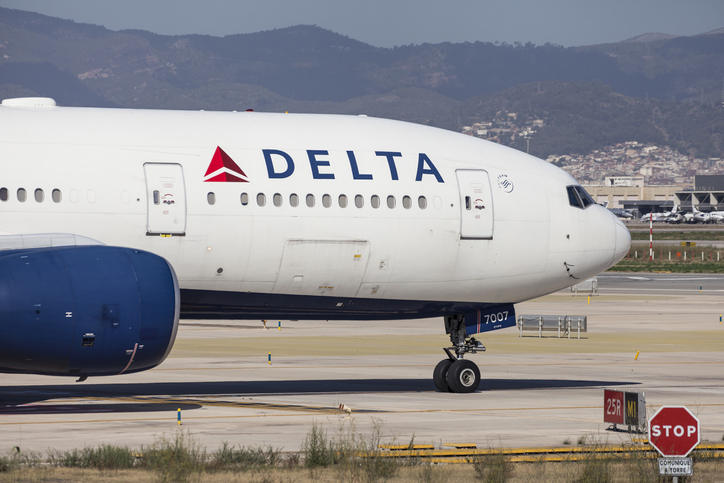
Philadelphia International Airport is another airport where delays are common, often due to weather and traffic. The airport’s location in the Northeast means it’s susceptible to a range of weather conditions that can disrupt flight schedules. From winter snowstorms to summer thunderstorms, these weather patterns can lead to significant delays. Philadelphia International is a key connecting hub, further complicating schedules and contributing to congestion. Travelers should be prepared for the possibility of delays and plan accordingly.
The airport has made efforts to improve efficiency, including expanding terminals and upgrading facilities. However, the combination of high passenger volumes and unpredictable weather continues to pose challenges. For those traveling through Philadelphia, it’s wise to keep an eye on weather forecasts and allow for extra time between connections. Many people find that a little preparation can make a significant difference in managing the frustration of delays. Knowing what to expect and being ready for potential disruptions can help ease your travel experience.
11. Seattle-Tacoma International Airport

Seattle-Tacoma International Airport, also known as Sea-Tac, is no stranger to flight delays. The airport’s location in the Pacific Northwest means it often grapples with the region’s notorious rain and fog. These weather conditions can lead to significant disruptions in flight schedules, particularly during the fall and winter months. Sea-Tac is a major hub for flights across the Pacific and within the United States, adding to the congestion. For those flying through Seattle, keeping an eye on weather forecasts and planning for potential delays is essential.
The airport has invested in advanced technology to help mitigate weather-related delays, but challenges remain. High passenger volumes and air traffic congestion can also contribute to longer wait times. Travelers should be prepared to navigate these potential delays and adjust their plans accordingly. Many people find comfort in the airport’s dining and shopping options, which can help pass the time during delays. Being aware of the airport’s delay tendencies and preparing for them can help make your experience more pleasant.
12. Phoenix Sky Harbor International Airport
Phoenix Sky Harbor International Airport is another airport where delays are more common than you might expect. The airport’s location in the desert means it’s susceptible to extreme weather conditions, such as summer heat and monsoon storms. These weather patterns can lead to unexpected delays and schedule changes. In addition, Phoenix serves as a major hub for flights to and from the Southwest, contributing to congestion. Travelers should be aware of these factors and plan accordingly to avoid stress.
Sky Harbor has made efforts to improve efficiency and reduce delays, including expanding terminals and upgrading facilities. Despite these efforts, the combination of weather and high passenger volumes continues to present challenges. For those traveling through Phoenix, it’s wise to keep an eye on weather forecasts and allow for extra time between connections. Many people find that a little preparation can make a significant difference in managing the frustration of delays. Knowing what to expect and being ready for potential disruptions can help ease your travel experience.
13. Orlando International Airport

Orlando International Airport, a major hub for tourists heading to nearby attractions, frequently struggles with flight delays. The airport’s location in Central Florida means it often deals with tropical weather patterns that can disrupt flight schedules. Summer thunderstorms and hurricane season can lead to significant delays and cancellations. Orlando International is a key gateway for travelers visiting the area’s popular theme parks, adding to the congestion. Travelers should be prepared for potential delays and plan accordingly.
The airport has invested in improving its infrastructure and operations to mitigate delays, including expanding terminals and upgrading air traffic systems. Despite these efforts, the combination of weather and high passenger volumes continues to pose challenges. For those traveling through Orlando, it’s wise to keep an eye on weather forecasts and allow for extra time between connections. Many people find that a little preparation can make a significant difference in managing the frustration of delays. Knowing what to expect and being ready for potential disruptions can help ease your travel experience.


