

Staying healthy in today’s world means being aware of the germs around you. It’s hard to avoid touching certain things in public, but you can protect yourself by sanitizing afterward. Whether you’re running errands, commuting, or just grabbing a coffee, you’ll encounter surfaces that aren’t exactly clean. It’s not about being paranoid; it’s about being smart and minimizing your risk of picking up something unwanted. So, let’s dive into some of the places you should never touch without a good hand sanitizing session afterward.
1. Shopping Cart Handles
Shopping carts are a necessity during grocery trips, but their handles are breeding grounds for germs. Countless hands touch them daily, and some of those hands belong to people with colds or the flu. Dr. Charles Gerba, a microbiologist at the University of Arizona, found that shopping cart handles often harbor more bacteria than public restrooms. These germs can easily transfer to your hands and eventually make their way into your home. To minimize the risk, always wipe the handle with a sanitizing wipe before use and clean your hands afterward.
Even if your grocery store provides wipes, it’s wise to carry your own, just in case. It’s a simple habit that can significantly reduce your exposure to harmful bacteria. Beyond bacteria, shopping cart handles can also harbor viruses like the norovirus. Children often touch the carts, which can transfer whatever they’ve picked up from sneezes, coughs, or runny noses. So, make it a routine: sanitize before and after using a shopping cart.
2. Elevator Buttons

Elevators are convenient, especially when you’re carrying heavy loads or are in a hurry. However, the buttons you press to get to your floor are touched by dozens, if not hundreds, of people throughout the day. Public spaces like office buildings, hotels, and shopping malls see a high volume of traffic, making elevator buttons prime spots for germ transmission. The small surface area makes it difficult to clean thoroughly between uses. To stay safe, press buttons with your knuckle or elbow and sanitize your hands afterward.
This might seem excessive, but it helps you avoid direct contact with germs. Elevators are enclosed spaces with limited airflow, which may increase the risk of germ spread. While some buildings have installed touchless systems, most still rely on good old-fashioned buttons. As a precaution, keep a small hand sanitizer in your bag or pocket for quick access. It’s an easy step that can make a big difference in keeping you healthy.
3. Door Handles

Door handles are unavoidable, whether you’re entering a building, using a restroom, or getting into a car. They’re one of the most touched objects in public spaces and, therefore, one of the most germ-laden. Dr. Kelly Reynolds, an environmental microbiologist, points out that door handles can host bacteria, viruses, and fungi. These microorganisms can survive on surfaces for extended periods, waiting for the next person to touch them. Whenever possible, push doors open with your shoulder or use a tissue to avoid direct contact.
Frequent handwashing and sanitization can help counteract any exposure from door handles. It’s an effective habit, especially during flu season or in high-traffic areas. Door handles aren’t just a concern in public buildings; think about your office or even your home. Wipe them down regularly to keep them as germ-free as possible. Taking these precautions can help reduce the risk of illness for you and those around you.
4. Public Restroom Faucets

Using a public restroom is sometimes unavoidable, and washing your hands afterward is a crucial step in staying healthy. However, the faucets you use to wash your hands can be surprisingly germy. Many people touch these faucets with dirty hands before washing, leaving bacteria and viruses behind. When you turn off the faucet after washing, you risk recontaminating your hands. To combat this, use a paper towel to turn off the faucet if available.
Touchless faucets are becoming more common, reducing the need for direct contact. But not all places have upgraded their facilities, so it’s best to be prepared. Once you’ve washed and dried your hands, take a moment to clean them with sanitizer as an extra precaution. Remember, germs can transfer easily from surface to surface, so be mindful of what you touch. A little awareness goes a long way in keeping you and your hands clean.
5. ATM Keypads

ATMs are a common stop for many of us, whether we’re withdrawing cash or checking account balances. Unfortunately, their keypads are notorious for being germ hotspots. A study published in the journal “Applied and Environmental Microbiology” found that ATM keypads can host bacteria similar to those found in public restrooms. These germs can include E. coli, which is especially concerning if you touch your face afterward. To minimize exposure, use your knuckle to press buttons and sanitize your hands immediately after.
Carrying a small bottle of hand sanitizer is a wise move when using ATMs frequently. While banks clean these machines regularly, it’s impossible to eliminate all germs. Consider using contactless payment methods whenever possible to avoid ATMs altogether. If you must use one, be cautious about what you touch afterward, especially before eating. A few seconds of sanitizing can save you from some unwelcome bacteria and viruses.
6. Public Pens

Whether you’re signing a receipt, filling out a form, or jotting down a note, public pens are often unavoidable. Unfortunately, they’re also handled by countless people every day. This makes them prime carriers for germs, including viruses and bacteria. If you don’t have your pen, using a public one is sometimes necessary, but make sure to clean your hands afterward. Carrying your pen is a simple way to avoid this problem.
Using your pen isn’t just more sanitary; it’s also more convenient. You won’t have to search for a pen when you need one, and you’ll reduce your risk of picking up germs. If you do need to use a public pen, try to avoid contact with your face until you’ve sanitized your hands. It’s these little habits that contribute to overall health and well-being. Plus, having your pen is just a smart way to stay organized.
7. Gas Pump Handles

Filling up your gas tank is routine for many, yet gas pump handles are often overlooked as germ carriers. They are touched by numerous people every day, making them a hotspot for bacteria and viruses. A study conducted by Kimberly-Clark Professional found that 71% of gas pump handles are highly contaminated with germs. This high contamination level is due to the constant use and lack of regular cleaning. Always sanitize your hands after touching a gas pump handle.
Consider keeping disposable gloves in your car for added protection while pumping gas. If gloves aren’t an option, use a paper towel to grip the handle and avoid direct contact. After you’ve filled your tank, use hand sanitizer or wipes to clean your hands thoroughly. It’s an easy way to prevent bringing unwanted germs into your car and home. A little caution goes a long way in maintaining your health.
8. Handrails

Handrails are essential for safety on stairs and escalators, but they’re also a haven for germs. Many people use them for support, and not everyone has clean hands. This frequent contact increases the likelihood of bacteria and viruses lingering on the surface. When using handrails, be mindful of where you place your hands. If you can maintain balance without them, it’s safer to avoid direct contact.
If you must use a handrail, try not to touch your face afterward. As soon as you can, wash your hands or use sanitizer to reduce the risk of picking up something unwanted. High-traffic areas like subway stations and malls see the most germ buildup on handrails. Keeping sanitizer handy can be a game-changer in these environments. It’s a minor inconvenience for major peace of mind.
9. Restaurant Menus

Dining out is a treat for many, but restaurant menus can be surprisingly germy. They circulate from table to table, touched by diners throughout the day, and are rarely cleaned. Studies have shown that menus have bacteria levels higher than toilet seats. This is because they aren’t washed as frequently as utensils or plates. To play it safe, wash or sanitize your hands after placing your order.
While some restaurants have moved to digital menus or QR codes, paper menus are still common. If you’re concerned, opt for establishments with alternatives to physical menus. Avoid putting menus on your dining surface, where you place your utensils. It’s a small step that can help ensure your meal is enjoyable and worry-free. After all, you’re there to savor the food, not the germs.
10. Gym Equipment

Hitting the gym is great for your health, but gym equipment can be full of germs. From weights to cardio machines, everything you touch has likely been used by someone else. Sweat and bacteria can linger on these surfaces, making it crucial to clean them before and after your workout. Always use the disinfectant spray or wipes provided by the gym. It’s not just a courtesy for the next person; it’s a necessity for your health.
Even if you see someone else wipe down equipment, it’s a good idea to do it yourself. Everyone has different standards of cleanliness, and it’s better to be thorough. Keep sanitizer in your gym bag for quick hand cleaning between exercises. Avoid touching your face during your workout to minimize the risk of transferring germs. Your workout should be a time to focus on fitness, not fret over germs.
11. Playground Equipment

Playgrounds are fantastic for kids, offering a place to run, climb, and play. However, the equipment is shared by many little hands, which may not always be clean. Swings, slides, and climbing frames can harbor bacteria and viruses can easily be transferred to your child. Encourage your kids to wash their hands or use sanitizer after playing. It’s a simple step that can keep them healthy and happy.
When visiting a playground, consider bringing your wipes or sanitizer. It’s handy for cleaning hands and any surfaces that look particularly dirty. Educating your children about the importance of hand hygiene can instill lifelong healthy habits. While a little dirt is part of being a kid, nobody wants their child to bring home more than just fun memories. A few moments of sanitizing can make a big difference.
12. Touch Screens

While convenient, touch screens are another spot where germs love to linger. Whether you’re using a self-checkout at the grocery store or a ticket machine, these surfaces see dozens of hands per day. Unlike personal devices, public touch screens aren’t cleaned regularly, increasing the risk of germ transmission. To protect yourself, use a stylus if available or sanitize your hands immediately after use. Keeping your hands clean will help you stay healthy.
Touch screens are becoming more common, so being prepared is essential. Carrying a small hand sanitizer can help you quickly clean your hands after using these devices. Avoid touching your face until you’ve had a chance to sanitize. It’s a swift routine that can help reduce your exposure to bacteria and viruses. As technology advances, being mindful of hygiene around it becomes increasingly important.
13. Public Transport Poles
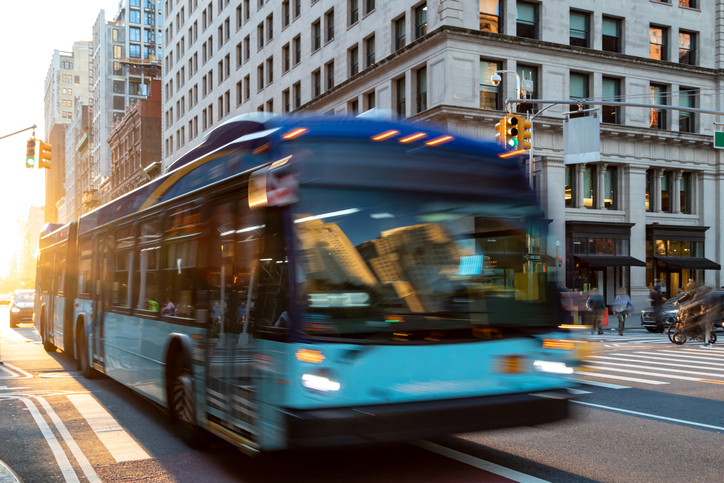
Commuting via public transport is part of daily life for many. While it’s a convenient way to get around, the poles and handles in buses and trains are touched by many people. These surfaces can be teeming with germs, especially during peak hours. If possible, avoid touching them and try to maintain your balance without support. If you do use them, make sure to sanitize your hands afterward.
It’s easy to forget about germs when rushing to get to your destination. However, a little awareness can go a long way in keeping you healthy. Keep hand sanitizer accessible, especially if your commute is long and involves multiple transfers. Wash your hands thoroughly once you reach your destination. It’s a small effort that can help ensure your commute doesn’t include any hitchhiking germs.


