

Self-reflection is how normal people grow. You look at what you did, where you messed up, and how you could do better next time. But for narcissists, introspection isn’t a tool for growth—it’s a threat to their entire existence. The carefully curated image they’ve built can’t survive honest examination, so they avoid looking inward at all costs.
1. Their Whole Personality Is A Performance
Everything about them is constructed for an audience. The confidence, the success stories, the effortless charm—it’s all a show designed to hide who they actually are. Self-reflection would mean pulling back the curtain and seeing the scared, insecure person running the operation.
Looking inward would reveal the exhausting truth: they don’t actually know who they are underneath it all. The superior, special version they present isn’t a slightly exaggerated truth—it’s a complete fabrication. Admitting that would mean admitting they’ve been lying to everyone, including themselves, and the shame of that revelation is unbearable.
2. Their Confidence Is Low

On the surface, narcissists seem bulletproof, but research shows their self-esteem is incredibly fragile, dependent on constant external validation. One moment of honest self-assessment would expose how much their confidence relies on other people’s reactions. They’re only as good as their last compliment, and they know it.
The confidence isn’t coming from within—it’s borrowed from whoever’s currently giving them attention. They’d have to admit that the second people stop admiring them, they feel worthless. That dependency is humiliating to acknowledge, so they never look at it directly.
3. The Shame Would Be Too Much

Studies show that people with narcissistic traits carry significantly more shame than the average person, even though they’d never admit it. Their entire personality is built to run from that shame, to never feel it, to convince themselves and everyone else that they’re above it. Self-reflection would drag all that buried shame to the surface at once. Every failure they’ve denied, every person they’ve hurt, every time they fell short—it would all come flooding back.
They can’t afford to feel what they’ve been avoiding their entire lives. The shame isn’t just about specific actions—it’s existential, a deep sense that they’re fundamentally flawed or unlovable. Looking inward would mean opening that door, and they’re terrified they wouldn’t survive what comes out.
4. Being Wrong Isn’t An Option

Self-reflection means admitting you made mistakes, and mistakes don’t fit the character narcissists play. Being wrong would require them to step down from the pedestal they’ve put themselves on. It would mean they’re ordinary, fallible, human—everything they’ve worked to convince people they’re not.
Their identity is wrapped up in being right, being the smartest person in the room, having the answers. They’d have to look at all the times they blamed others for their own failures, all the situations they twisted to avoid responsibility. The pattern of manipulation and deflection would become impossible to ignore, and facing that would mean losing the moral high ground they’ve claimed as their birthright.
5. Other People’s Pain Would Become Real

Research emphasizes that narcissists avoid self-reflection because it would force them to see how their behavior actually affects others, and that awareness would trigger the shame they’re desperately trying to escape. Right now, other people are basically NPCs in their personal video game—there to validate them, serve them, make them feel important.
They’d have to watch the highlight reel of every relationship they’ve destroyed, every person they’ve used and discarded. The casual cruelty that felt justified in the moment would look different under honest examination. They’d see themselves as the villain in someone else’s story.
6. The Narrative Would Escape Them

Narcissists are brilliant at rewriting history. Every conflict was someone else’s fault, every failure was bad luck, every success was their genius. Self-reflection would introduce facts, timelines, accountability—things that threaten the carefully edited version of events they’ve convinced themselves is true. They need control over the story to maintain control over their image.
The truth is messy and damning. Real self-reflection would expose all the times they lied, manipulated, or gaslit people into believing their version of reality. They’ve been doing it for so long, they’ve started to believe their own fiction.
7. The Mask Would Crack

Psychologists describe narcissists as “supply-seeking androids” whose false self makes genuine introspection emotionally meaningless—they can gain awareness without it changing anything because the feelings never connect. The persona they show the world is all they have. Underneath it is a void, or worse, the vulnerable, needy person they’ve spent their life burying. Self-reflection would chip away at that mask.
That vulnerable self feels like death to them. It’s weak, it’s desperate, it’s everything they’ve been taught is worthless. The mask protects them from that terror. Introspection would mean acknowledging that the real them has been locked away so long that it might not even exist anymore.
8. Feelings Would Require Attention

Narcissists don’t do emotional honesty. They perform emotions—anger when they need to intimidate, charm when they need to manipulate, tears when they need sympathy. But actually sitting with real feelings like sadness, loneliness, or guilt? That’s terrifying. Self-reflection requires you to feel what you feel, not what you think you should feel or what serves your agenda.
This would reveal how empty they actually are, how disconnected from themselves. They’d have to admit that the relationships don’t fulfill them, that the admiration doesn’t actually fill the void. The performance has been exhausting, and it’s never been enough.
9. They’d See Themselves Through Other People’s Eyes

They’d have to see themselves as the person who ruins holidays, who makes everything about them, who sucks the air out of every room. The villain edit they’ve given everyone else would suddenly apply to them. They’d recognize that people don’t actually respect them—they’re afraid of them, tired of them, or just tolerating them.
Friends who stuck around did so out of fear or obligation, not love. Romantic partners stayed because they were manipulated or trauma-bonded, not because of a genuine connection. That reality—that they’re fundamentally alone despite being surrounded by people—is too crushing to face.
10. The Void Would Be Undeniable
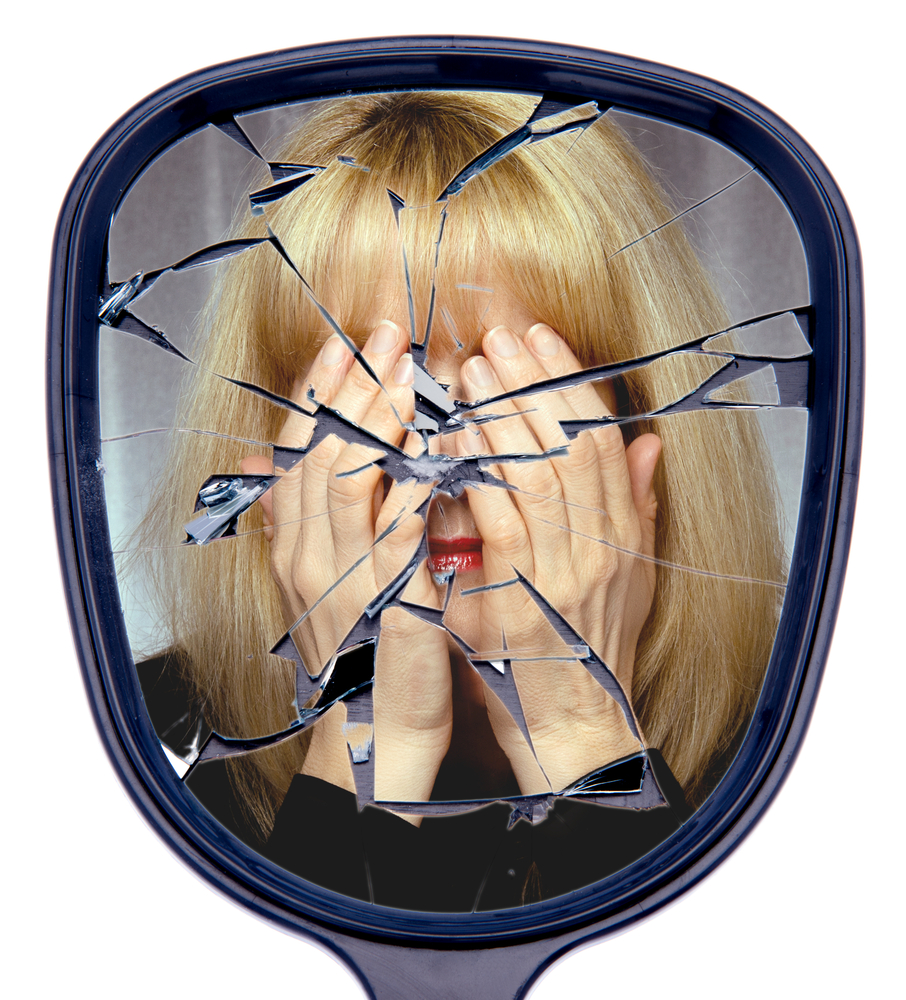
Strip away the accomplishments, the image, the validation, and there’s nothing there. Narcissists have built their entire identity on external factors because they have no internal sense of self. They’d realize they don’t know what they value, what they believe in, who they are when no one’s watching. That existential nothingness is terrifying.
Introspection would show them that the hole can’t be filled from the outside. They’d have to build a self from scratch, based on something real, and they have no idea how to do that.
11. Growth Means Admitting You Needed It

Change requires acknowledging that you were wrong before, that the old version needed fixing. Narcissists can’t afford that admission because their entire identity is based on being superior already. Saying “I need to grow” is the same as saying “I’m not as perfect as I claimed.” That vulnerability isn’t in their vocabulary.
Real transformation takes work—consistent, unglamorous, slow work with no guarantee of external validation. Narcissists want the credit for being deep without doing the labor to get there. They’ll perform growth, read the right books to impress people, and use therapy language as manipulation. But actual change? That’s too threatening to their identity.
12. Their Defense System Would Collapse

Blame, denial, projection, rationalization—these aren’t just bad habits for narcissists, they’re survival mechanisms. Self-reflection would mean dismantling the very tools they use to protect their ego. Without the ability to blame other people, they’d have to own their behavior. Without denial, they’d have to look at the damage they’ve caused.
These mechanisms are so automatic that they don’t even realize they’re using them. It’s how they’ve navigated the world for decades. Removing them through honest self-examination would leave them psychologically naked, vulnerable to every truth they’ve spent their life avoiding.
13. The Pain Would Be Apocalyptic

At the end of the day, narcissists avoid self-reflection because it would hurt too much. We’re not talking about garden-variety discomfort—it would be years of repressed shame, grief, loneliness, and fear hitting all at once. The realization of how much time they’ve wasted, how many relationships they’ve destroyed, how far they are from the person they could have been—it’s catastrophic.
They’d have to grieve the love they sabotaged, the connections they destroyed, the life they could have lived if they’d been honest. That grief is an ocean, and they’re terrified they’d drown in it. So they keep the armor on, keep the show running, and never look too closely at what it’s all costing them.


