

There might not be a ghost rattling chains in your attic, but there are likely mundane objects in your home subtly eroding your peace of mind. Sometimes it’s the things you least suspect that weigh you down, both mentally and emotionally. From cluttered closets to noisy neighbors, these seemingly trivial aspects of daily life can contribute to an ambiance of latent stress and dissatisfaction. H
1. Cluttered Closets
Your closet may be more than just an organizational nightmare; it’s a source of stress and decision fatigue. With clothes spilling out and a jumble of shoes at the bottom, you start your day sifting through chaos. It leaves you feeling overwhelmed and sometimes even guilty for owning so much that you don’t actually wear. According to a study published in the Journal of Environmental Psychology, cluttered spaces can lead to increased stress and decreased productivity.
Taking time to declutter can transform your closet into a sanctuary of calm. Start by purging items you haven’t worn in a year, then organize what’s left by category or color. Consider investing in matching hangers or storage bins to unify the space visually. A tidy closet not only saves you time each morning but also offers a sense of accomplishment and peace.
2. Dim Lighting

Dim lighting might seem cozy at first glance, but it can dampen your mood and energy levels. Insufficient lighting makes spaces feel smaller and can strain your eyes, especially during tasks like reading or cooking. Over time, this can lead to headaches and a sense of lethargy or even mild depression. The lack of natural light can particularly affect your circadian rhythm, interfering with your sleep cycle.
To counteract this, evaluate the lighting in each room and explore a combination of ambient, task, and accent lighting. Swap out heavy curtains for sheer ones to maximize natural light during the day. Invest in warmer bulbs that mimic sunlight or consider smart bulbs that adjust in intensity throughout the day. Brightening up your environment can make a significant difference in your overall mood and energy.
3. Silent Spaces

While peace and quiet are desirable, too much silence can be unnerving and contribute to feelings of isolation. A completely silent home can amplify feelings of loneliness, especially if you live alone. According to a study conducted by the University of California, daily engagement with music or ambient sound can elevate mood and reduce feelings of loneliness. Adding some sound can make your home feel more alive and welcoming.
Consider filling your space with the gentle hum of a playlist or the soothing sounds of a podcast. You can also try nature sounds like birdsong or ocean waves, which can create a calming environment. If you enjoy tackling daily tasks to a beat, opt for an upbeat music mix while you cook or clean. The key is to find sounds that make you feel comfortable and content in your space.
4. Stagnant Air

Stale air is more than just uninviting—it can also have adverse effects on your health and mood. Poor ventilation contributes to indoor air pollution, which can aggravate allergies and respiratory issues. This can leave you feeling sluggish, congested, and even irritable. A lack of fresh air also means a lack of oxygen, which can affect brain function and mood.
Combat stagnant air by regularly opening windows to let fresh air circulate throughout your home. Incorporate houseplants known for air purification, like spider plants or snake plants, to naturally improve air quality. If your budget allows, consider investing in an air purifier for added protection against pollutants. Breathing easier can lead to clearer thinking and a more pleasant living environment.
5. Uncomfortable Furniture

Your chic couch might be a sight for sore eyes, but if it’s uncomfortable, it’s doing you more harm than good. Furniture that doesn’t support your body properly can lead to physical discomfort and stress over time. According to ergonomic experts, poor seating can exacerbate back pain, neck strain, and even contribute to poor posture. These physical discomforts can significantly impact your overall happiness and well-being.
Evaluate your furniture and consider upgrading or adjusting what isn’t serving you well. Ergonomic furniture doesn’t have to be unattractive; you can find stylish chairs and sofas designed with comfort in mind. Even small additions like lumbar cushions or footrests can make a big difference. Remember, your home should be a place of comfort, not a source of physical strain.
6. Outdated Technology
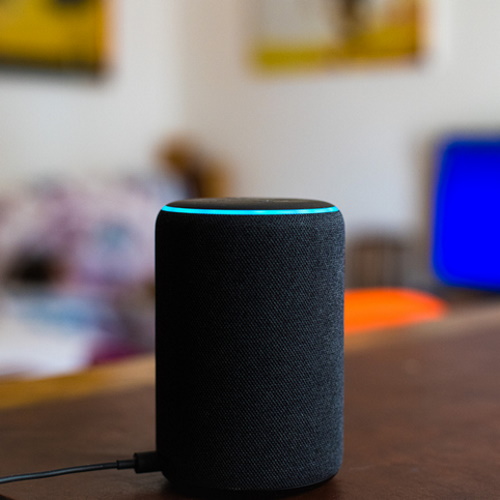
Using outdated technology might seem trivial, but it can be a surprisingly significant source of frustration. That old laptop that takes forever to boot up or the phone with a battery that dies quickly can disrupt your workflow and patience. Constant tech hiccups can lead to stress, especially when you’re in a rush or need to get important work done. Not to mention, outdated devices might not support current security standards, putting your data at risk.
Upgrading doesn’t always mean spending a fortune—sometimes, simple updates can extend the life of your devices. Regularly updating software or replacing outdated hardware components can improve functionality. Consider trading in or selling old tech to offset the cost of newer models. Streamlined technology in your home can lead to a smoother daily life and a more efficient workflow.
7. Unfinished Projects

Unfinished projects scattered around your home can become psychological burdens, serving as constant reminders of incomplete tasks. Whether it’s a DIY project or a book you promised to read, these loose ends can create stress and guilt. According to Dr. Susan Krauss Whitbourne, a professor of psychological and brain sciences, unfinished tasks can weigh heavily on your mind, affecting your mental health. The ever-present “to-do” list in your head may contribute to feelings of overwhelm and dissatisfaction.
Start by compiling a list of these projects and prioritize them based on importance and feasibility. Break larger tasks into manageable steps and set small, achievable goals. Celebrate each completed project to motivate yourself to tackle the next one. Transforming unfinished tasks into completed achievements can offer a profound sense of relief and accomplishment.
8. Unpleasant Smells

Lingering odors can subtly but significantly impact your mood and perception of your home. Whether it’s the musty smell from the basement or last night’s cooking odors, unpleasant smells can make you feel uneasy and anxious. They can also deter you from fully relaxing in your space, as scent is strongly linked to mood and memory. A home that smells fresh and clean can, conversely, evoke feelings of calm and happiness.
Regular cleaning and proper ventilation can help eliminate unwanted odors. Incorporating natural elements like essential oils or fresh flowers can add a pleasant aroma to your home. Consider using a diffuser or scented candles that align with your mood—lavender for relaxation, or citrus for invigoration. A fresh-smelling home can elevate your living experience, making it a more inviting space for you and your guests.
9. Harsh Chemicals

While aiming for a spotless home, you might be inadvertently exposing yourself to harsh chemicals. Many conventional cleaning products contain toxic substances that can irritate your eyes, skin, and respiratory system. Over time, this exposure can lead to chronic health issues and contribute to a sense of discomfort in your home. The Environmental Working Group highlights the hidden dangers in household cleaners, emphasizing the importance of knowing what’s in your products.
Switch to natural or eco-friendly cleaning products to reduce exposure to harmful chemicals. Ingredients like vinegar, baking soda, and lemon juice can be effective alternatives for a variety of cleaning tasks. Not only do they help maintain a healthy environment, but they also contribute to better air quality. A cleaner home shouldn’t come at the cost of your health or peace of mind.
10. High-Maintenance Decor

While stylish, high-maintenance decor can steal precious time and energy. Items that require constant cleaning, dusting, or rearranging can become more of a chore than an enjoyment. This constant upkeep can lead to frustration, preventing you from fully appreciating your living space. The pressure to maintain a picture-perfect home can also add unnecessary stress and detract from your comfort.
Opt for decor that is both beautiful and practical, reducing the need for frequent maintenance. Choose materials that are durable and easy to clean, such as machine-washable fabrics or dust-resistant surfaces. Simplifying your decor can free up time for relaxation and enjoyment of your home. Your space should be a reflection of you, not a constant source of obligation.
11. Mismatched Items

Mismatched or broken items around your house can create a sense of disharmony and disarray. A drawer that doesn’t close properly or a chipped coffee mug may seem trivial, but these small imperfections can irritate you over time. Ignoring them can contribute to a general sense of neglect and disorder in your home. A cohesive and well-maintained environment can enhance your sense of well-being and satisfaction.
Take the time to repair or replace broken items and consider donating mismatched ones. Investing in high-quality, durable items can also reduce the need for frequent replacements. Coordinating colors and styles can create a harmonious look that pleases the eye. A harmonious home environment supports a harmonious state of mind.
12. Impersonal Touches

A home without personal touches can feel more like a showroom than a sanctuary. Generic decor might look picture-perfect but can lack the warmth and personality that makes a space truly yours. This impersonal atmosphere can contribute to a feeling of disconnect and emotional distance from your surroundings. Personalizing your space can foster a deeper sense of belonging and emotional comfort.
Incorporate meaningful items that reflect your personality and experiences, such as family photos, travel souvenirs, or art that speaks to you. These elements can create a sense of familiarity and warmth, making your home feel uniquely yours. Rearrange your space to highlight these personal touches, creating areas that bring you joy and comfort. A home that truly reflects who you are can be a powerful source of happiness.
13. Noisy Neighbors

Noisy neighbors can be more than just a nuisance; they can significantly impact your peace of mind. Persistent noise intrusion can lead to stress, sleep disruption, and even health issues. The World Health Organization has identified noise pollution as a major environmental health risk, emphasizing the importance of managing noise levels in your home. Finding ways to mitigate this can lead to a more peaceful and restful environment.
Start by identifying the main sources of noise and explore possible solutions like soundproofing. This could involve installing thicker curtains, adding a white noise machine, or using earplugs. If the noise persists, consider having a polite conversation with your neighbors to explore mutually beneficial solutions. Creating a quieter home environment can significantly enhance your quality of life and well-being.


