

In today’s hyper-digital world, your tech habits can say more about you than you might think. Whether you’re a digital native or someone who remembers dial-up, certain behaviors can give away your age faster than you can say “MySpace.” From how you craft emails to your preferred method of consuming news, these habits are like little time capsules of our tech journey. Let’s dive into some tech tendencies that might just broadcast your generational roots.
1. The Double Space After A Period
Once upon a time, typing instructors taught that a double space after a period was the norm. This practice hails from the days of typewriters, where monospaced fonts made sentences easier to read with the extra space. If you use double spaces, it might suggest you learned to type before the digital era took over. Today, single spacing rules the roost in digital communications, making the double space a telltale sign of old-school typing methods. According to typography expert David Jury, modern digital fonts are designed for single spacing, making the double space not just unnecessary, but also a sign of older typing habits.
Yet, for some, the double space is more than a habit; it’s a deeply ingrained reflex. The rhythm and aesthetics of typing can feel off without it. Younger people, however, often see double spaces as relics of the past, prompting gentle corrections or even giggles. If you’re in a professional setting, sticking with a single space can help you blend in with digital norms. But remember, it’s just a space; it doesn’t define your tech savvy as much as it hints at your history.
2. Bookmarking Websites

There’s something comforting about a curated list of bookmarked websites, all neatly organized in your browser’s toolbar. While younger generations might rely on search engines or social media for quick access, a bookmark folder signifies a deliberate approach to web surfing. Creating bookmarks requires forethought, an act of setting aside digital content for future reference. It reflects a mindset accustomed to a more static web environment, where content wasn’t perpetually in flux. For many, bookmarks are a testament to personal interests and a map of internet exploration.
Yet, the shift to mobile devices has challenged the traditional bookmark’s relevance. With search engines smarter than ever, the need to bookmark has diminished. Instant access to information via voice commands or quick searches makes bookmarking feel like an extra step. Still, for those who cherish their bookmarks, they’re akin to a personal library—each link a chapter in a digital journey. While it might hint at an older browsing habit, it’s also a testament to a methodical way of engaging with the internet.
3. Using Internet Slang From The Early 2000s

Phrases like “BRB,” “TTYL,” and “OMG” once dominated online chats and texts, and if you still use them, it might reveal your early days on the internet. These acronyms were born out of necessity, a creative language to fit into character limits of early messaging platforms. Using them today might suggest that you came of age during the rise of AOL Instant Messenger and SMS texting. While some acronyms have stood the test of time, others have faded, replaced by memes, GIFs, and emojis that convey tone and emotion more vividly. Language expert Gretchen McCulloch notes that this evolution reflects how communication styles adapt to the tools available, with internet slang acting as a linguistic time marker.
While younger generations might interpret “BRB” as quaint, they might still appreciate the creativity behind early internet slang. These terms serve as a bridge between past and present, a callback to when the internet was a new frontier. Using early internet slang today can spark nostalgia, a nod to simpler digital times. However, in professional settings, it’s wise to err on the side of clarity and conciseness. Embracing new digital languages while appreciating the old can keep your communication both current and meaningful.
4. Printing Documents

In a world increasingly pushing for digital solutions, printing documents can seem anachronistic. But for many, there’s still a comfort in holding a physical piece of paper, whether it’s a boarding pass or a meeting agenda. The tactile experience of paper adds a layer of engagement that screens can’t quite replicate. However, younger generations, who grew up in more paperless environments, often view printing as unnecessary. This habit might suggest a preference for tangible over digital, a desire for something you can hold and mark up.
The environmental impact of printing can also play a role in its decline. As eco-consciousness rises, many are opting for digital alternatives to reduce paper waste. Yet, for those who still print, the paper serves as a backup, a safeguard against tech failures. While digital solutions are more convenient, the reliability of a printed document is comforting. Balancing both worlds, using digital methods while occasionally opting for paper, can keep you grounded in both convenience and tradition.
5. Preferring Phone Calls Over Texts

For many, a phone call is a straightforward means of communication, cutting through the ambiguity of texts and emails. A preference for calls can suggest a time when voice communication was the fastest way to convey complex thoughts or emotions. In contrast, younger generations often favor texting, finding it less intrusive and more convenient for multitasking. According to communication expert Sherry Turkle, phone calls demand focused attention, which might feel burdensome in a world used to the flexibility of texts. This preference can highlight a generational divide, where the immediacy of a call feels either comforting or overwhelming.
Yet, there’s an intimacy in hearing someone’s voice, a nuance that texts can’t capture. For many, a phone call solidifies connections, providing clarity and emotional depth. While texts can be efficient, they lack vocal inflections that convey tone and intent. If you’re in a hurry, a call can resolve issues quicker than a lengthy text exchange. Ultimately, understanding when to call versus text is key in navigating modern communication landscapes, blending efficiency with personal touch.
6. Writing Formal Emails

Crafting an email with a proper salutation and closing was once a standard practice. The formality of “Dear” or “Sincerely” set the tone for professional communication, a digital nod to traditional letters. However, email styles have evolved, with younger people often opting for brevity and directness. A formal email today might suggest a more traditional approach to communication, hinting at a time when emails were viewed as digital letters. For many, maintaining formality in emails is about clarity and professionalism.
Despite the shift towards informality, formal emails can still have their place. In professional settings, they convey respect and attention to detail, qualities that can set you apart. While casual emails might reflect a friendly tone, formal ones project seriousness and intent. Understanding when to dial up or down the formality is crucial in adapting to diverse communication styles. Ultimately, the art of email is about matching tone to context, ensuring your message resonates with the intended audience.
7. Physically Owning Media

There was a time when owning media meant having a shelf full of CDs, DVDs, or even vinyl records. This tangible connection to media can highlight a preference for ownership over the ephemeral nature of digital streaming. While streaming platforms offer convenience and access, they lack the personal touch of a carefully curated collection. Media expert Mark Mulligan notes that physical media often carries sentimental value, serving as a tangible connection to significant life moments. Owning your media suggests an appreciation for the art form itself, beyond the convenience of digital access.
Yet, the move to digital has undeniable benefits, from space-saving to instant access to vast libraries. Younger generations often lean towards streaming, valuing access over ownership. However, for those who cherish physical media, it’s about more than just the content—it’s about the experience. The tactile feel, the cover art, and the liner notes all add to the enjoyment. Balancing digital and physical media can offer the best of both worlds, merging convenience with nostalgia.
8. Using Yahoo Or AOL Email Addresses

An email address can be a digital time stamp, with domains like Yahoo or AOL hinting at the early days of internet adoption. These platforms were once pioneers in bringing email to the masses, but today, they can seem outdated compared to newer services. Holding onto an AOL or Yahoo address might suggest loyalty or reluctance to transition, a comfort with the familiar. For many, these addresses are like old friends, known and trusted even as the digital landscape evolves. Yet, younger people often opt for platforms like Gmail, which offer more features and integration.
Despite their age, legacy email addresses can still serve a purpose. They might be linked to long-standing accounts or serve as a digital archive of past communications. While they may not have the bells and whistles of modern platforms, they offer stability and reliability. Using an older email domain can be a conversation starter, a nod to digital history. Ultimately, your email address is a personal choice, reflecting both your past and your present digital preferences.
9. Sending Chain Emails

Remember those emails urging you to forward to ten friends for good luck or else face dire consequences? While chain emails have largely faded, sending them today can signal a nod to early internet culture. These emails were once a digital version of chain letters, promising rewards or warnings. While younger people might see them as spammy or even a bit quaint, they remind us of a time when the internet felt like a smaller, more personal space. For some, they were a means of maintaining connections, a way to engage in shared digital rituals.
Even though chain emails have mostly disappeared, their spirit lives on in viral content and social media challenges. They highlight a universal desire to belong, to participate in shared experiences. While forwarding chain emails today might seem outdated, they serve as a reminder of the internet’s communal roots. Understanding their appeal can offer insights into digital behaviors and trends. Whether you embrace or avoid them, they remain a fascinating part of internet history.
10. Using Traditional Alarm Clocks

In a world where smartphones double as alarm clocks, using a traditional bedside alarm might reveal a preference for simplicity. These devices have a singular purpose, free from the distractions of notifications and apps. For many, the act of setting a physical alarm is a nightly ritual, marking a boundary between waking and sleeping. Yet, younger people often rely on phones for everything, including alarms, making the traditional clock feel redundant. Despite this, the charm of an old-school alarm is hard to deny.
Traditional alarm clocks offer a reprieve from digital overload, a chance to disconnect before sleep. Without the temptation of a screen, they promote healthier nighttime routines. For some, the tactile act of turning a dial or flipping a switch adds a layer of engagement missing from digital interactions. While they might seem old-fashioned, traditional alarms symbolize a desire for simplicity and focus. Balancing digital and analog worlds can enhance both rest and productivity.
11. Reading Print Newspapers

While many have turned to digital news sources, reading a print newspaper can suggest a deeper engagement with news. The physical act of turning pages fosters a more immersive experience, free from the distractions of pop-up ads and endless tabs. For some, the ritual of morning coffee with a newspaper is irreplaceable, a comforting start to the day. Yet, younger generations often consume news through apps or social media, valuing immediacy over tradition. Reading print can highlight a preference for curated content and a slower, more deliberate consumption of information.
Despite the shift to digital, print newspapers offer a tactile connection to current events. They provide context and depth, presenting stories in a cohesive format. While digital news is often fragmented, print offers a broader view, encouraging reflection and analysis. Embracing both print and digital news can enrich your understanding of the world. Whether you prefer ink on paper or pixels on a screen, staying informed is what truly counts.
12. Playing Solitaire On Your Computer
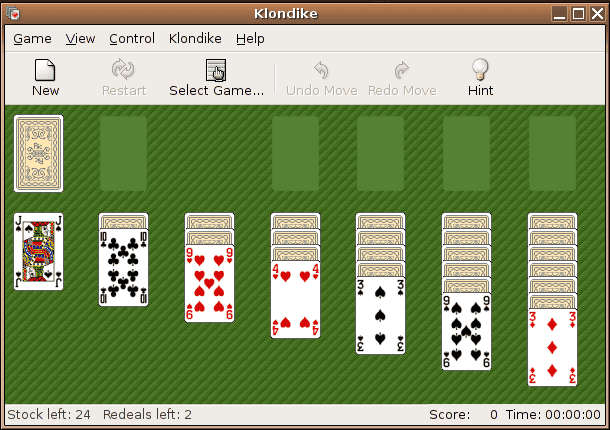
Solitaire, the classic card game bundled with early versions of Windows, can be a nostalgic nod to the dawn of personal computing. For those who remember its pixelated cards, playing Solitaire on your computer might evoke memories of simpler digital times. It’s a game that requires no internet, offering a solitary escape from an increasingly connected world. Younger people, accustomed to online multiplayer games, might view Solitaire as quaint or even archaic. Yet, its enduring appeal lies in its simplicity and accessibility.
Playing Solitaire can be a meditative experience, a break from the constant stimulation of modern gaming. It offers a pause, a chance to reset and unwind without the pressures of competition or achievement. For many, it is a digital comfort food, familiar and reliable. While it might signal a throwback to earlier tech days, it remains a beloved pastime for people of all ages. Embracing both classic and contemporary games can offer a richer gaming experience.
13. Owning A Landline Phone

In an era dominated by mobile phones, owning a landline might seem like a relic of the past. However, for some, a landline offers reliability and clarity unmatched by mobile devices. It can be a lifeline during emergencies, providing a stable connection when cell signals falter. Younger people, who grew up in a mobile-first world, often view landlines as unnecessary. Yet, for those who keep one, it’s about staying connected in a way that’s both nostalgic and pragmatic.
Landlines can symbolize stability, a permanent fixture in an ever-changing tech landscape. They offer a sense of continuity, a reminder of a time when phone calls were more intentional. While mobile phones offer convenience, landlines provide a consistent quality that many still value. Balancing both can ensure you’re reachable no matter the situation. Choosing to keep a landline is less about clinging to the past and more about preserving a reliable mode of communication.


