

Every generation faces challenges, but the sheer unpredictability of earlier decades hits differently when you look closely. Many Boomers grew up in a time when danger was normalized, regulations were minimal, and safety often relied on optimism rather than systems. Risk was baked into daily life, from the air they breathed to the cars they rode in. Looking back through the lens of modern standards, it’s astonishing how much survival depended on luck.
1. Nuclear War Drills
During the Cold War, children practiced hiding under desks in preparation for a nuclear attack. Events like the Cuban Missile Crisis made global annihilation feel imminent. Fear was normalized through drills and media. Anxiety seeped quietly into daily life.
Psychological research links these drills to chronic stress and long-term anxiety. Boomers internalized existential dread early. Gen Z faces different threats, but fear still shapes childhoods. The form changes, but the weight remains.
2. Unsafe Medical Practices

Medical care once prioritized authority over consent. Patients weren’t fully informed, pain was minimized, and questioning doctors was discouraged. Practices like routine episiotomies or limited anesthesia were common. Trust was demanded, not earned.
Research on medical ethics indicates that patient rights evolved significantly following scandals and advocacy movements in the late 20th century. Boomers accepted risk because alternatives were limited. Today’s patients expect transparency and choice. Progress was built on hard lessons.
3. Dangerous Work Conditions
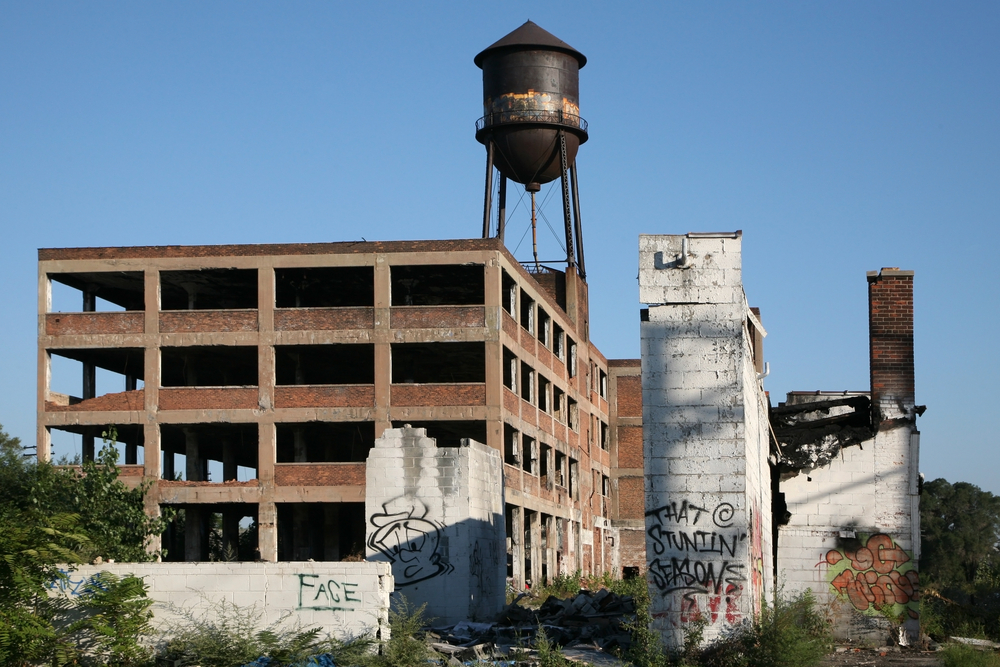
Factories, mines, and construction sites often lacked basic protections. Injuries were routine, and deaths were sometimes treated as inevitable. OSHA wasn’t established until 1970, after decades of labor activism. Workers endured hazards with little recourse.
Labor safety studies show that injury and fatality rates declined sharply following the implementation of regulations. Boomers bore the physical cost of unsafe labor. Modern standards exist because survival once wasn’t guaranteed. Protection came after pain.
4. Unregulated Pharmaceuticals

Medications were once marketed aggressively with limited oversight. Drugs like thalidomide caused devastating birth defects before regulations tightened. Side effects were downplayed, and trust was blind. Patients became unwitting test subjects.
Medical history research confirms lax regulation prior to the FDA’s strengthening of approval processes. Boomers lived through trial-and-error medicine. Oversight saves lives now. Pain taught policy.
5. No Seatbelts or Safety in Cars

For much of the mid-20th century, children rode loose in cars, sprawled across back seats, or stood between parents in the front. Seatbelts weren’t federally mandated until the late 1960s, and child car seats didn’t become widely regulated until the 1980s. Accidents were frequent, and injuries were often chalked up as “part of life” rather than preventable tragedies. Many Boomers survived crashes that would be unthinkable today without protection.
Transportation safety research shows childhood car fatalities dropped sharply after mandatory seatbelt and car seat laws were introduced. Boomers often survived serious collisions by chance rather than design. The modern idea that safety is non-negotiable simply didn’t exist yet. Back then, danger was tolerated as a normal cost of mobility.
6. Toxic Lead Exposure

Lead was everywhere during the postwar boom—paint, gasoline, pipes, toys, and even household dust. Children played on floors coated in lead paint and inhaled exhaust from leaded gasoline that lingered in neighborhoods and schoolyards. The dangers were known in fragments but ignored at scale until the 1970s. Entire generations absorbed toxins daily without consent or warning.
Public health studies now link lead exposure to cognitive impairment, behavioral issues, and long-term health consequences. The CDC has confirmed widespread exposure before lead was phased out in the late 20th century. Survival didn’t mean safety—it often meant invisible damage that surfaced years later. The consequences linger in health statistics to this day.
7. Passive Smoke Everywhere

Cigarette smoke filled airplanes, hospitals, classrooms, restaurants, and homes without question. Doctors appeared in cigarette ads, and smoking was framed as glamorous, sophisticated, or even healthy. Children grew up breathing secondhand smoke daily, often in closed spaces with no ventilation. The risks were dismissed or buried under industry influence.
Medical research has since confirmed the serious dangers of secondhand smoke, linking it to cancer, heart disease, and respiratory illness. Boomers inhaled it as a fact of life, not a choice. Today, indoor smoking bans are standard and expected. Back then, smoke-filled rooms were the norm.
8. Unsafe Playground Equipment

Playgrounds once prioritized durability over safety, featuring metal slides that burned skin in summer and froze fingers in winter. Concrete, asphalt, or packed dirt waited beneath swings and jungle gyms. Supervision was minimal, and injuries were expected rather than prevented. Broken bones were treated as childhood milestones.
Injury prevention research shows playground safety improved dramatically with the introduction of soft surfaces and safety standards in the late 20th century. Boomers learned resilience the hard way. Regulation arrived only after years of preventable harm. Childhood play was thrilling—but often dangerous.
9. Public Safety Dangers

Boomer childhoods unfolded in an era where strangers knocking on doors wasn’t immediately alarming. Kids roamed neighborhoods freely, hitchhiked, or accepted rides without a cultural framework for danger. High-profile cases like the disappearance of Etan Patz in 1979 later shifted public awareness, but for decades, trust was assumed. Risk was invisible until it wasn’t.
Crime research indicates that perceived exposure risks were widely underestimated prior to mass media coverage, which altered parental behavior. Boomers navigated the world without warning systems or instant communication. Gen Z grows up surrounded by alerts, trackers, and safety education. Ignorance wasn’t bliss—it was vulnerability.
10. Tough Punishment at School

Physical discipline in schools was legal and normalized across much of the U.S. until the late 20th century. Paddles hung in classrooms, and fear was used as a teaching tool. Students were expected to endure punishment silently, often without parental input. Trauma was dismissed as a discipline.
Educational psychology now links corporal punishment to long-term emotional harm and academic disengagement. Boomers experienced it openly and without recourse. Today, such practices would spark outrage and lawsuits. Cultural expectations around authority have shifted dramatically.
11. Drinking Contaminated Water

Prior to modern environmental regulations, industrial waste was often discharged into rivers and other waterways without oversight. Events such as the Cuyahoga River fire in 1969 exposed the extent of water pollution. Communities unknowingly drank contaminated water for years. Health consequences surfaced slowly and unevenly.
Environmental health studies confirm widespread contamination before the Clean Water Act and EPA oversight. Regulation came only after damage was undeniable. Many Boomers lived with the effects without knowing the cause. Survival often masked long-term harm.
12. No Mental Health Support

Mental health struggles were rarely named, let alone treated. Anxiety and depression were framed as personal weakness or moral failure. Therapy carried stigma, and emotional silence was expected. Many Boomers coped alone through work, alcohol, or avoidance.
Psychiatric research shows that untreated mental illness can ripple across generations. Boomers often lacked language or resources for support. Gen Z has normalized therapy and mental health conversations. Awareness saves lives—but it arrived late.
13. Zero Data Privacy

Before digital protections, personal records were public and permanent. Errors in files could follow someone for life. There was no concept of data ownership or correction. Exposure was common and unavoidable.
Information privacy research shows modern protections evolved only recently. Boomers had little recourse over their data. Gen Z expects control and transparency. Survival once meant acceptance, not consent.


