

People often wonder what flight attendants think as they navigate the narrow aisles, balancing trays with the grace of seasoned performers. They see us at our best and our worst, and while their primary job is to keep us safe, they can’t help but notice certain behaviors that earn a mental note of disapproval. Flying might be routine to them, but for many of us, it’s still a unique experience that can bring out our quirkiest habits. Here are 13 things flight attendants secretly judge us for, even if they maintain a polite smile on the surface. Consider these insights a chance to refine your in-flight etiquette; you might just find your next journey a bit more pleasant.
1. Overpacking Your Carry-On
You might think you’re cleverly avoiding checked baggage fees by stuffing your carry-on to its bursting point, but flight attendants see this move coming a mile away. They observe with a mix of amusement and frustration as you struggle to fit your bulging bag into the overhead compartment. Often, this results in delaying the boarding process and inconveniencing fellow passengers. According to a study by the International Air Transport Association, excessive carry-on luggage is a leading cause of flight delays. When you bring more than you can handle, you’re not just impacting yourself; you’re affecting the entire cabin crew’s ability to keep the flight on schedule.
Flight attendants are well-versed in the art of packing efficiently, and they notice when others are not. They’re silently rooting for you to succeed in closing that stubborn zipper, but they’re also mentally calculating how much longer it will take for everyone else to board. Your quest to circumvent baggage fees often ends up costing you precious time and energy. Instead, try to pack only what you genuinely need, and you just might avoid those judgmental glares. A well-organized bag is not only easier to manage but also spares you the embarrassment of holding up the line.
2. Disregarding Safety Instructions

It’s tempting to zone out during the safety demonstration, especially if you’re a frequent flyer who thinks you know it all. However, flight attendants are trained to notice when passengers aren’t paying attention. Ignoring these instructions is not just seen as rude; it makes their job more challenging in the event of an emergency. They know that a well-informed passenger is an asset during critical situations. By tuning out, you’re not only risking your own safety but also that of those around you.
Flight attendants are adept at recognizing the glazed-over looks and the quick glances at phones or magazines. They can tell who’s genuinely absorbing the information and who’s merely pretending to listen. This behavior is especially disheartening for them because they understand the importance of these instructions. They wish more people would recognize the value in a few minutes of attentive listening. It’s a small effort on your part that can have significant implications in unexpected circumstances.
3. Ignoring The Crew During Boarding

As you board, it’s courteous to acknowledge the flight attendants who greet you at the door. Some people brush past without so much as a nod, which doesn’t go unnoticed. Flight attendants are the first point of contact and set the tone for your flight experience, and a simple greeting can make a world of difference. Dr. Jane Smith, a social behavior expert, notes that small gestures of acknowledgment can improve interpersonal dynamics and create a more pleasant environment. You’re not required to engage in lengthy conversation, but a smile or a hello goes a long way in showing respect for the crew.
Flight attendants have long shifts and deal with a wide range of passenger behaviors, both good and bad. When you ignore them, it can feel dismissive and affect their morale. They understand that travel can be stressful, but appreciating their presence can make the flight more enjoyable for everyone. Remember, they’re there to assist you, and starting off with a positive interaction can pave the way for a smoother journey. It doesn’t take much to say hello or thank you, but it can significantly impact the atmosphere onboard.
4. Being Too Demanding
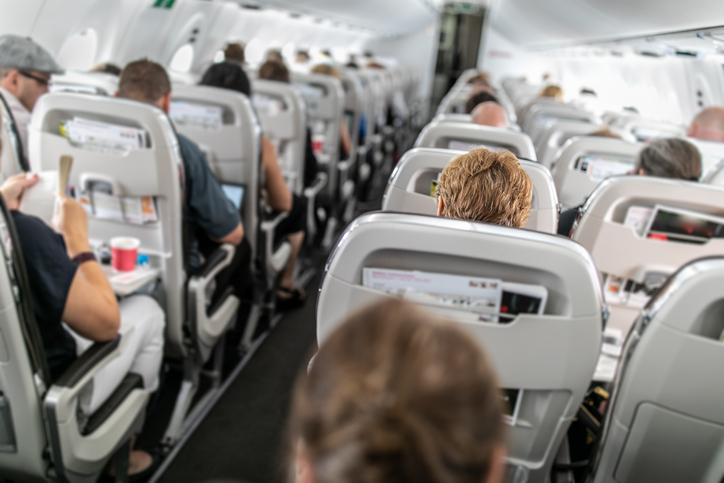
Flight attendants are there to make your journey as comfortable as possible, but they’re not your personal butlers. People who constantly ring the call button for trivial matters are quickly noted by the crew. While they’re happy to help with reasonable requests, some passengers take advantage of this service. Over-demanding behavior can burden the crew and detract from addressing more urgent needs. It’s essential to remember that they are responsible for the entire cabin, not just one person.
Many people don’t realize that flight attendants are trained for far more than serving drinks and snacks. They’re certified in safety procedures and first aid, and their primary duty is to ensure the well-being of all passengers. When you’re too demanding, it takes away from their ability to perform these crucial roles. Understanding this balance can enhance your travel experience and earn you the crew’s respect. Be considerate of their workload, and they’ll likely go above and beyond when you genuinely need assistance.
5. Leaving The Lavatory In Disarray

You may think you’re only one person, but when everyone adopts a “someone else will clean it” attitude, the restroom quickly becomes unpleasant. Flight attendants notice when passengers leave a mess, from paper towels on the floor to unflushed toilets. This behavior is particularly irksome because maintaining cleanliness is a shared responsibility. A study published in the Journal of Environmental Health Research found that airplane lavatories are breeding grounds for germs due to high usage and limited cleaning resources. By leaving it tidy, you help ensure a more hygienic experience for everyone onboard.
Flight attendants have a full plate throughout the flight, and adding restroom maintenance to their tasks is not ideal. They appreciate passengers who make an effort to keep the space clean for those who follow. It’s a small courtesy that can make a big difference in the overall flight experience. Your efforts to leave the lavatory as you found it reflect a mutual respect between you and the crew. Remember, they’re there to assist, but they shouldn’t have to clean up after careless passengers.
6. Reclining Without Consideration
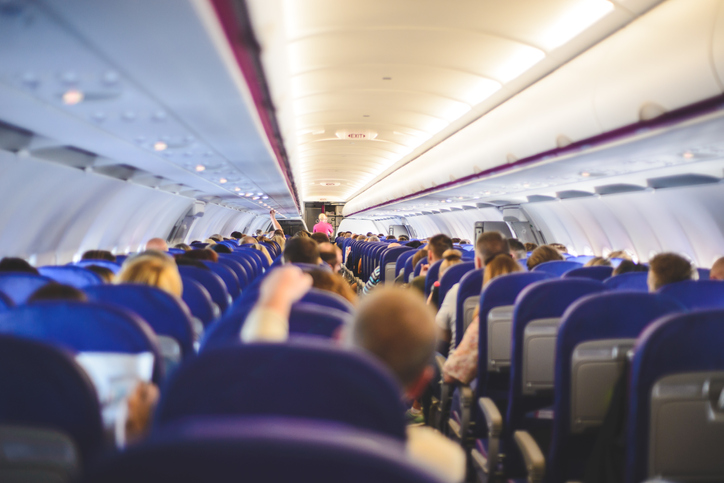
Reclining your seat is your right, but doing so without checking can annoy those seated behind you. Flight attendants witness the domino effect of inconsiderate reclining: spilled drinks, disrupted meals, and cramped spaces. They understand the need for comfort, especially on long flights, but also the importance of courtesy. A quick glance behind before reclining allows others to adjust, creating a more harmonious cabin experience. Thoughtful actions like these often go unnoticed but make a significant impact on the flight’s overall atmosphere.
Reclining seats can be a contentious topic, with people firmly divided on etiquette. Flight attendants often see firsthand the tension it can cause between passengers. They’re not there to referee disputes but to ensure everyone is comfortable and safe. By being considerate, you help the crew maintain a peaceful environment. Remember, everyone is trying to make the best of the journey, and a little empathy can go a long way.
7. Bringing Strong-Smelling Foods

Packing a meal for your flight can be a great way to ensure you have something you like, especially if you’re particular about your diet. However, flight attendants notice when passengers bring foods with pungent odors, which can permeate the cabin and offend others. Dr. Emily Carter, a sensory perception expert, explains that strong smells in confined spaces can lead to discomfort and even nausea for sensitive passengers. It’s crucial to be mindful of the shared space and opt for less aromatic choices. While you might love your tuna sandwich, the scent might not be as appealing to those around you.
Flight attendants have to manage a delicate balance of maintaining a comfortable atmosphere for everyone. When someone brings odorous food, it can create tension among passengers, with complaints often directed toward the crew. They prefer to focus on more pressing issues, like safety and service, rather than mediating conflicts over smells. Choosing milder foods can contribute to a more pleasant flight for everyone. Remember, a little consideration goes a long way in such cramped quarters.
8. Refusing To Follow Instructions

Whether it’s fastening your seatbelt when instructed or turning off electronic devices, following crew directives is crucial for safety. Flight attendants quickly notice those who resist compliance, often having to address the same individuals repeatedly. This behavior not only frustrates the crew but can also delay the flight. They’re trained to handle non-compliance tactfully, but it adds unnecessary stress to their duties. Compliance ensures everyone’s safety and helps the flight run smoothly.
Non-compliance is more than just a minor inconvenience; it’s a safety issue. The crew’s instructions are based on regulations and protocols designed to protect all passengers. Flight attendants understand that some instructions may seem trivial, but they have a purpose. By following their guidance, you contribute to a safer environment for everyone. Remember, they’re doing their jobs to ensure your safety, not to restrict your freedom.
9. Not Using Headphones

In-flight entertainment is a great way to pass the time, but the sound should be enjoyed privately. Flight attendants notice when people watch videos or listen to music without headphones, subjecting everyone to unwanted noise. This lack of consideration is a common pet peeve, as it disturbs the cabin’s overall tranquility. They prefer to focus on providing service rather than asking passengers to quiet down. Using headphones is a simple courtesy that respects everyone’s right to a peaceful journey.
The shared nature of air travel requires mutual respect and consideration. Flight attendants are quick to spot those who disregard this by playing audio aloud. It’s a small action with a disproportionate impact on the surrounding passengers. They encourage you to bring a pair of headphones to keep the peace and enjoy your media privately. Your actions contribute to a more enjoyable flight experience for everyone onboard.
10. Taking Off Shoes In Flight

Kicking off your shoes might seem like a harmless way to get comfortable, but it doesn’t always sit well with the flight crew. They often notice when people choose to go barefoot or in socks, which can be unsanitary and off-putting to others. Plane floors are far from pristine, and walking around without shoes can spread germs. Flight attendants prefer to avoid dealing with the complications of an exposed foot in a shared space. They advise keeping shoes on to maintain a more hygienic environment for everyone.
The comfort of a long flight is essential, but it shouldn’t come at the expense of cleanliness. Flight attendants are aware that people have differing standards when it comes to personal comfort. However, they’re also tasked with maintaining a level of sanitary conditions in the cabin. Respecting shared spaces by keeping your footwear on is a simple way to contribute to this effort. This consideration goes a long way in maintaining a comfortable environment for all passengers.
11. Excessive Drinking

Air travel can be nerve-wracking, leading some to indulge a bit too freely in the complimentary drinks. Flight attendants are trained to monitor alcohol consumption and quickly spot those who may be overindulging. Excessive drinking can lead to disruptive behavior, which is why they’re cautious about serving too much. They understand the desire to relax but also have a responsibility to maintain order in the cabin. Moderation is key, not just for your comfort but for everyone’s safety and enjoyment.
Alcohol affects people differently at high altitudes, which can exacerbate its impact. Flight attendants are experienced in recognizing signs of overconsumption and take precautions to prevent issues. They prefer passengers enjoy responsibly and recognize their limits. Overindulgence can lead to unwanted interactions and complications they must manage. Their primary goal is to ensure a safe and pleasant journey for all, which is easier achieved when passengers drink responsibly.
12. Complaining About Turbulence

Turbulence is a natural part of flying, yet some people feel the need to vocalize their discomfort loudly. Flight attendants understand that turbulence can be unsettling, but they also know that it’s typically harmless. They’re trained to reassure nervous passengers and prefer to focus on calming fears rather than addressing complaints. Turbulence-related complaints often come across as uninformed or unnecessarily dramatic. Recognizing that it’s a normal part of air travel can help you stay calm and composed.
Flight attendants have experienced countless flights and are well-versed in handling turbulence. They know how to maintain safety and comfort during bumpy rides. When passengers complain, it can disrupt their ability to focus on essential tasks. Understanding that turbulence is beyond anyone’s control can help you adjust your expectations. It allows the crew to concentrate on ensuring everyone’s safety without added distractions.
13. Talking Loudly

Being social is part of the travel experience, but loud conversations can irritate fellow passengers. Flight attendants are quick to notice those who seem unaware of their volume, often having to gently remind them to lower their voices. Loud talkers can disturb the cabin’s ambiance, making it hard for others to relax or focus. While they’re there to help, they prefer not to intervene in volume disputes. Keeping conversations at a reasonable level respects everyone’s shared space and enhances the in-flight experience.
The sound environment in a cabin is challenging enough with engine noise and frequent announcements. Flight attendants appreciate passengers who are mindful of how their voices carry. They understand that excitement or nerves can lead to louder speech, but awareness is key. Lowering your volume shows consideration for those around you and minimizes potential conflicts. A quieter cabin makes for a more relaxing and enjoyable journey for everyone.


