

We all do it. We say we don’t, but deep down, we know we’re silently giving side-eye for things we probably shouldn’t. Judging others is a guilty pleasure that many of us partake in, even when we try to rise above it. These little judgments are often harmless but undeniably human. So, let’s own up to some of the petty reasons we secretly judge people. Here’s a list of 13 things that probably make you raise an eyebrow, even if you’d never admit it out loud.
1. Overusing Hashtags
When someone peppers their social media posts with a buffet of hashtags, it’s hard not to roll your eyes. It’s as if they’re trying to win a non-existent game of “who can fit the most hashtags in a single post.” We can’t help but wonder if they’re desperately seeking validation or followers. According to Dr. Laura Gerber, a social media expert, excessive hashtagging can often make content seem less credible and more attention-seeking. So next time you see a hashtag overload, know you’re not alone in your silent judgment.
It’s not just the sheer volume, though. The randomness of some hashtags can make you question their thought process. When a picture of a sunset comes with tags like #Love, #Food, and #YOLO, you start to wonder if they understand how hashtags work. It’s as if they’re just throwing spaghetti at a wall to see what sticks. Surely, not every moment needs to be linked to a hodgepodge of unrelated concepts.
2. Talking During Movies

There’s a special kind of frustration reserved for people who can’t stay quiet during movies. You’re there to enjoy the film, not to hear a running commentary on every plot twist. It takes a lot of self-control not to shush them into oblivion. You might even start questioning their ability to follow a storyline without verbalizing every thought. It’s as if they believe their insights are essential to everyone’s viewing experience.
This habit can be particularly grating in a theater, where you’ve paid good money for a seat and some peace. It’s not just about the noise, either. It’s about respecting the shared space and the enjoyment of others. Movie talkers often seem unaware of how disruptive they are, wrapped up in their own bubble. It’s hard not to judge them for not understanding basic movie etiquette.
3. Texting Back One Word

There’s nothing quite like receiving a one-word response when you’ve just sent a carefully crafted message. It feels dismissive, like the person on the other end couldn’t be bothered to engage. Dr. Emily Carter, a communication specialist, points out that brief texts can often signal disinterest or an unwillingness to invest in the conversation. A “K” or “Cool” can feel like a conversational dead end. You can’t help but judge their lack of effort.
Of course, there are times when short responses are warranted, like in the middle of a busy day. But when it becomes a pattern, it starts to feel like your friend doesn’t value the conversation. It makes you wonder if they’re always this concise or if it’s just you. You might even begin to question the strength of your relationship. It’s hard not to take it personally when they seem perpetually uninterested.
4. Not Picking Up After Their Dog

There’s something particularly irksome about people who let their dogs do their business and then just walk away. It’s as if they believe they’re exempt from the social contract of cleaning up after their pets. You can’t help but judge them for leaving a mess for others to deal with. It’s not just about cleanliness; it’s about common courtesy. Everyone deserves to walk their neighborhood without dodging or stepping into unwanted surprises.
Even if it’s a one-time lapse, it’s hard to shake the impression that they’re inconsiderate. A simple act of neglect can make you question their awareness of their surroundings. It’s easy to assume they’re the type who cut corners, leaving others to deal with the fallout. You might even start wondering if they lack responsibility in other areas of life. It’s a small act that can lead to big judgments.
5. Bad Table Manners

Dining with someone who has poor table manners can be a real test of patience. It’s hard not to judge someone for talking with their mouth full or chewing loudly. Etiquette expert Judith Martin, also known as Miss Manners, emphasizes that good table manners are a sign of respect for those dining with you. When someone disregards these social norms, it can feel like a personal affront. You might find yourself silently critiquing every bite they take.
It’s not just about following arbitrary rules; it’s about showing consideration. Poor table manners can make a meal feel less enjoyable and more like an endurance challenge. You can’t help but wonder if they were never taught or simply don’t care. Either way, it’s difficult to overlook. Manners might not matter to everyone, but to those who value them, they say a lot about a person.
6. Over-Sharing Personal Drama

We all know someone who shares every detail of their life online. They treat social media like a personal diary, airing grievances and announcing every minor inconvenience. It’s hard not to judge them for not keeping some things private. You start to wonder if they have a filter or understand the concept of oversharing. Their constant updates can begin to feel like emotional clutter.
There’s a balance to be struck between being open and maintaining some mystery. When someone tips the scales too far, it can be overwhelming. You might start to question their need for attention or validation. While everyone’s entitled to share their life, there’s a point where it becomes too much. It’s hard to engage when you feel like a spectator in their never-ending drama.
7. Using Too Many Emojis
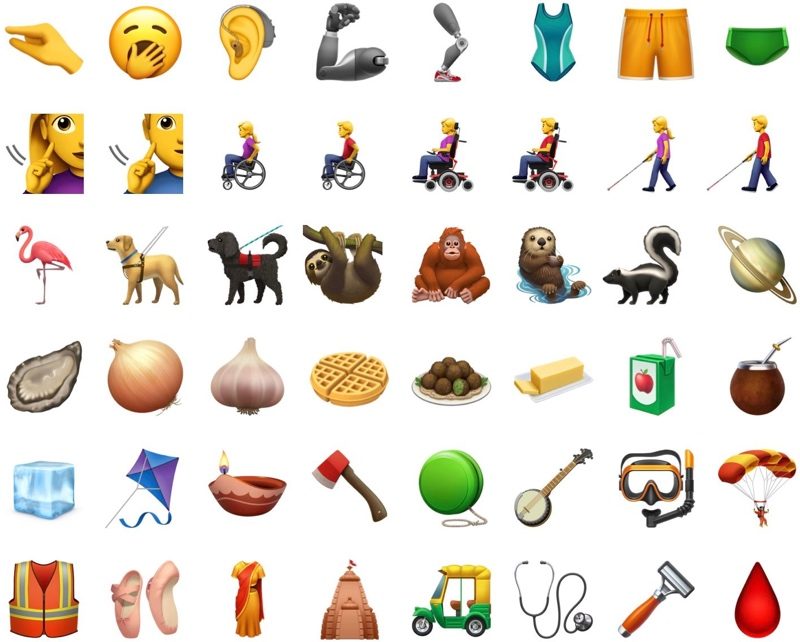
While emojis can add a splash of fun to messages, there’s a tipping point where they become overwhelming. A message laden with emojis can come across as juvenile, making the sender seem less mature. Linguist Dr. Sarah Jones suggests that while emojis can enhance communication, overuse may dilute the intended message and confuse the receiver. A line of hearts, stars, and smileys might seem colorful, but it leaves you questioning the sender’s seriousness. It’s hard not to judge their communication style.
There’s an art to using emojis effectively, and not everyone has mastered it. When every sentence is followed by a parade of symbols, it can feel excessive. You might start to wonder if they think their words aren’t enough. It’s easy to assume they’re trying too hard to be relatable. While emojis can express emotions, they’re no substitute for genuine communication.
8. Invading Personal Space

Everyone has a personal bubble, and when someone bursts it without invitation, it’s hard not to feel uncomfortable. You can’t help but judge their inability to recognize social boundaries. Whether it’s a close talker or someone who disregards your comfort zone, it’s unsettling. You find yourself leaning back or sidestepping, silently wishing for more space. It’s hard not to question their awareness or respect for others’ personal space.
This behavior can feel invasive and inconsiderate, leaving a lasting impression. It’s not just about physical proximity; it’s about respecting another person’s comfort. When someone consistently ignores these boundaries, it raises questions about their social awareness. You might wonder how they’d feel if the roles were reversed. It’s a small thing, but it can lead to big judgments.
9. Constantly Being Late

Being perpetually late can make others question your reliability and respect for their time. It’s hard not to judge someone who seems unable to manage their schedule. Punctuality is a simple way to show consideration, and repeated tardiness can feel like a disregard for others. You start to wonder if they think their time is more valuable than yours. It’s a habit that can wear on relationships over time.
Even if they have valid reasons, the pattern speaks volumes. You might begin to anticipate their lateness, adjusting your own schedule accordingly. It’s frustrating when someone consistently fails to show up on time. It’s easy to assume they’re disorganized or inconsiderate. While life happens, chronic lateness is hard to excuse without judgment.
10. Not Saying Thank You

It’s a small gesture, but failing to say thank you can leave a big impression. Gratitude is a simple yet powerful way to acknowledge kindness or effort. When someone neglects to express it, you can’t help but question their manners. It’s hard not to judge them for taking things for granted. A lack of thanks can make you feel unappreciated.
You might start to wonder if they’re always this ungrateful or if it’s a momentary lapse. Either way, it doesn’t take much effort to express appreciation. When someone consistently overlooks this, it raises questions about their character. It’s a small thing, but it speaks volumes. A simple thank you can go a long way in building goodwill.
11. Interrupting Conversations

When someone constantly interrupts, it’s difficult not to feel frustrated. It can seem like they value their own thoughts over yours. You can’t help but judge them for lacking conversational etiquette. Interruptions disrupt the flow of dialogue and make meaningful exchanges harder. It’s hard not to question their listening skills.
This behavior can make conversations feel one-sided and dismissive. You might start to feel like your input isn’t valued. It’s challenging to engage when you’re constantly being cut off. It’s easy to assume they’re self-centered or impatient. While everyone interrupts occasionally, habitual interruptions are hard to overlook.
12. Complaining About Everything

We all have bad days, but some people seem to live in a perpetual state of complaint. It’s hard not to judge someone for never seeing the silver lining. Constant negativity can be draining, making you want to avoid interactions. You might start to wonder if they’re ever satisfied with anything. It’s challenging to stay positive when surrounded by relentless pessimism.
There’s a point where venting turns into a habit of negativity. When someone consistently focuses on the downside, it can feel like they’re stuck in a cycle. You might begin to question their perspective or resilience. It’s hard to maintain a relationship when complaints overshadow everything else. While everyone needs to vent, balance is key.
13. Talking Loudly On The Phone In Public

Few things are more annoying than someone broadcasting their phone conversation in public. It’s hard not to judge them for disregarding the people around them. You can’t help but wonder if they’re unaware of their volume or simply don’t care. It feels inconsiderate to force others to listen to their conversation. You might silently wish they’d take it outside.
This behavior can make public spaces feel intrusive and uncomfortable. It’s not just about the noise; it’s about respecting shared environments. When someone consistently talks loudly on the phone, it raises questions about their social awareness. You might start to wonder if they’re always this oblivious. It’s a small courtesy that can make a big difference in public settings.


