

In a world where the environment often takes a backseat to progress and profit, Jane Goodall stands as a beacon of hope and action. Her dedication to wildlife conservation and her revolutionary work with chimpanzees have not only reshaped our understanding of the natural world but have also inspired generations to reconsider our relationship with the planet. Goodall’s life and accomplishments are a testament to what passion and perseverance can achieve. Rest in Power Jane.
1. She Revolutionized Primatology with Her Groundbreaking Research
Jane Goodall stepped into the world of Gombe Stream National Park in Tanzania over six decades ago, and what she uncovered changed the landscape of primatology forever. Without any formal scientific training, she observed chimpanzees in their natural habitat and documented behaviors that were previously thought to be exclusive to humans. Her detailed accounts of chimpanzees making and using tools shattered existing perceptions and highlighted the complex emotional and social lives of these creatures. This discovery was not only pivotal for primatology but also for wider discussions on animal intelligence and empathy.
Her work is widely recognized, including by the esteemed National Geographic, which funded her early research and brought her findings to a global audience. Her observational methods became the gold standard in animal studies, emphasizing the importance of patience and immersion into the subject’s world. Goodall’s approach was revolutionary at the time, embracing a more empathetic lens to science that allowed the world to see chimpanzees not just as subjects but as beings worthy of understanding and protection. This has prompted many to reevaluate the ethical considerations in animal research, pushing for more humane scientific practices.
2. She Established the Jane Goodall Institute

In 1977, Jane Goodall founded the Jane Goodall Institute, a pivotal moment in conservation history. The institute was created with a vision to support the ongoing research at Gombe, but it quickly grew into a global conservation organization. Its efforts extend beyond the protection of chimpanzees, focusing on broader ecological preservation and community-centered conservation strategies. The institute works to empower local communities with sustainable practices that benefit both people and wildlife.
The organization’s holistic approach has been fundamental in promoting conservation education across the globe. By aligning local and global efforts, it addresses complex environmental challenges with dynamic solutions. Goodall’s institute has also spearheaded pioneering programs like “Roots & Shoots,” which encourages young people to take action for the environment in their own communities. This initiative has inspired countless youths, proving that age is no barrier when it comes to making a difference.
3. She Advocated for Ethical Treatment of Animals

Beyond her scientific contributions, Goodall’s advocacy for the ethical treatment of animals has profoundly influenced policy and public perception. She has persistently spoken against animal cruelty and the exploitation of wildlife, raising awareness about the conditions of captive animals. Her campaign against the use of animals in entertainment and research has encouraged many institutions to reconsider their practices. Goodall’s voice has been pivotal in the movement toward more ethical treatment of animals in captivity.
The Humane Society recognizes her as a relentless advocate, citing her efforts in pushing for legislation that protects animal rights. By highlighting the intrinsic value of all creatures, she has made a persuasive case for why animals deserve humane treatment. Her advocacy extends to the consumption of wildlife products, promoting the idea that respect for animals goes beyond conservation and taps into ethical consumerism. Goodall’s tireless work has helped shift the narrative, urging society to view animals as sentient beings rather than commodities.
4. She Championed Global Environmental Awareness

Jane Goodall’s commitment to raising global environmental awareness is unwavering. Through her lectures, documentaries, and books, she reaches millions with a message that is both urgent and hopeful. She paints a vivid picture of the interconnectedness of all life and the stakes involved if we fail to protect the planet. Her ability to communicate complex environmental issues in relatable terms has made her an effective advocate for change.
Goodall’s storytelling is powerful, blending scientific insight with personal anecdotes that resonate deeply with audiences worldwide. She stresses the impact of human actions on the planet, urging a collective responsibility to reverse ecological damage. Her conversations often pivot to actionable solutions, offering tangible steps that anyone can take to contribute to environmental conservation. Goodall’s influence extends beyond activism, leaving a legacy of environmental education and stewardship.
5. She Inspired Generations through Roots & Shoots

Roots & Shoots, founded by Goodall in 1991, is more than just an environmental program—it’s a movement. It empowers young people from over 50 countries to engage in hands-on projects that address environmental, animal welfare, and humanitarian issues. By fostering leadership and critical thinking, Roots & Shoots equips youth with the tools they need to enact meaningful change. Participants learn to identify problems in their communities and apply innovative solutions, cultivating a new generation of environmental stewards.
A study published in the Journal of Environmental Education highlights the program’s impact, noting significant increases in participants’ environmental awareness and community engagement. This initiative has connected thousands of young people with nature, instilling a sense of global citizenship. Goodall’s vision for Roots & Shoots emphasizes hope and empowerment, showing young people that their actions, no matter how small, can contribute to a sustainable future. It’s a testament to her belief in the power of youth-driven change and its potential to reshape the world.
6. She Promoted Sustainable Agriculture

Jane Goodall’s advocacy extends to promoting sustainable agriculture as a critical component of environmental conservation. Recognizing the immense impact of agriculture on ecosystems, she argues for practices that minimize harm to the environment while ensuring food security. Goodall calls for a re-evaluation of industrial farming techniques, emphasizing organic and regenerative methods that restore soil health and biodiversity. Her message underscores the importance of aligning agricultural practices with ecological principles to sustain both human and environmental health.
Her work encourages a shift from monoculture farming to diversified systems that support ecosystem resilience. By promoting permaculture and agroforestry, Goodall highlights the benefits of integrating natural processes with food production. She also emphasizes the role of consumer choices in driving demand for sustainable products, urging people to support local and organic food sources. Goodall’s vision for sustainable agriculture is rooted in a profound respect for nature’s balance, advocating for harmony between human needs and environmental stewardship.
7. She Engaged with Global Leaders on Climate Change

Goodall’s influence extends beyond grassroots initiatives, reaching the halls of power where she advocates for urgent climate action. She uses her platform to engage with global leaders, urging them to prioritize climate change on the international agenda. Her participation in key environmental summits and her collaboration with organizations like the United Nations have amplified her call for systemic change. Goodall’s engagement with policymakers underscores the importance of collaborative efforts in addressing climate challenges.
In discussions with the BBC, Goodall emphasized the critical role of international cooperation in combating climate change. She advocates for policies that are informed by scientific evidence and driven by a sense of global responsibility. Her dialogue with leaders is not only about highlighting problems but also about presenting solutions that are feasible and sustainable. Goodall’s efforts aim to bridge the gap between science, policy, and public action, fostering a comprehensive approach to climate resilience.
8. She Highlighted the Importance of Biodiversity
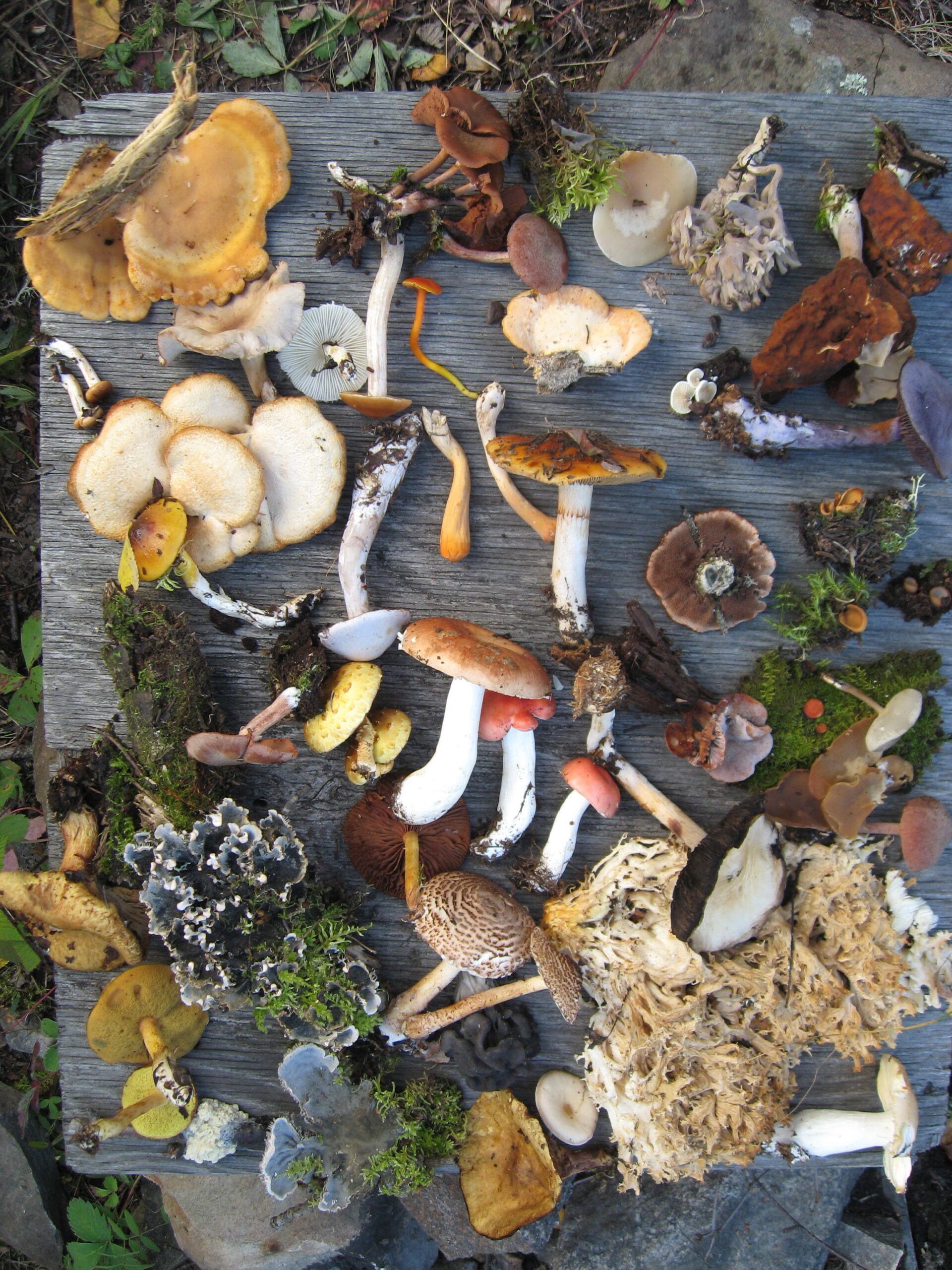
Jane Goodall has often spotlighted biodiversity as the cornerstone of a healthy planet. Her work underscores the interconnectedness of all species, emphasizing the need to preserve diverse ecosystems. Goodall argues that biodiversity is not just about protecting individual species but also about maintaining the ecological processes that sustain life. Her advocacy highlights the critical role that diverse habitats play in climate regulation, food security, and overall planetary health.
Through various platforms, she communicates the threats posed by habitat destruction, pollution, and climate change on biodiversity. Goodall calls for urgent action to protect endangered species and restore degraded ecosystems. Her message is clear: safeguarding biodiversity is not an optional endeavor but a necessity for human survival. Goodall’s insights have been instrumental in rallying support for conservation initiatives worldwide, reinforcing the importance of a balanced and biodiverse planet.
9. She Addressed the Challenges of Wildlife Trafficking
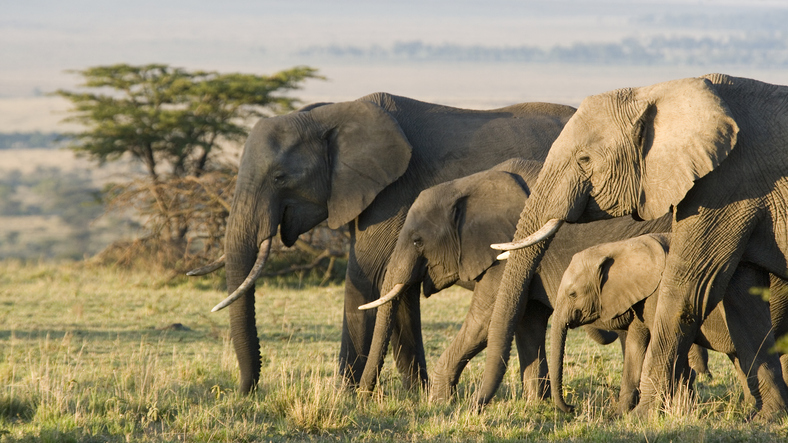
Wildlife trafficking is a pressing issue that Jane Goodall has tirelessly campaigned against. She has raised awareness about the devastating impact of illegal wildlife trade on species survival and ecosystems. Goodall’s efforts have highlighted the complex networks that drive this trade, from poachers to black market dealers. Her advocacy has been crucial in mobilizing international efforts to combat wildlife trafficking.
Through the Jane Goodall Institute, she collaborates with global organizations to strengthen anti-trafficking laws and enhance enforcement. Goodall emphasizes the need for community involvement in conservation, advocating for alternative livelihoods to reduce dependency on illegal trade. Her work has contributed to policy changes and increased funding for anti-trafficking initiatives. Goodall’s commitment to this cause underscores her belief in a world where wildlife can thrive free from human exploitation.
10. She Led by Example with Her Plant-Based Lifestyle

Jane Goodall’s dedication to environmental conservation is reflected in her personal lifestyle choices, particularly her commitment to a plant-based diet. She views dietary choices as a powerful tool in reducing one’s ecological footprint and promoting animal welfare. Goodall advocates for a shift away from meat-centric diets, citing the environmental degradation associated with livestock farming. Her choice to adopt a plant-based diet serves as an example of aligning personal values with global sustainability goals.
Her advocacy is backed by research highlighting the benefits of plant-based diets in lowering greenhouse gas emissions and conserving water resources. Goodall encourages people to make mindful food choices that contribute to a healthier planet. She believes that even small changes in dietary habits can collectively make a significant impact. By leading by example, Goodall inspires others to consider how their food choices affect the environment and to embrace more sustainable lifestyles.
11. She Documented Nature’s Beauty Through Film

Goodall’s passion for the natural world extends into the realm of filmmaking, where she has been involved in documentaries that capture the splendor of wildlife. Films like “Jane” provide an intimate glimpse into her life and work, highlighting the beauty and complexity of the natural world. Through these visual narratives, Goodall aims to inspire a deep appreciation for nature and a sense of urgency in protecting it. Her documentaries are a call to action, emphasizing the wonders of the world that we stand to lose if conservation efforts are not prioritized.
The films serve as an educational tool, bringing the realities of wildlife conservation to audiences who may never experience these ecosystems firsthand. Goodall’s storytelling through film is both informative and emotive, bridging the gap between science and the public. By documenting the intricate behaviors and habitats of animals, she fosters a connection that motivates audiences to join conservation efforts. Her films are an enduring testament to the power of visual media in advancing environmental awareness.
12. She Connected People with Nature Through Storytelling

Jane Goodall’s storytelling prowess is a key element of her advocacy, connecting people with nature in profound ways. Her ability to weave scientific facts with compelling narratives has sparked a global conversation about environmental responsibility. Goodall’s stories often highlight her personal experiences with wildlife, offering a unique perspective that captivates and educates. Through her books, lectures, and interviews, she invites people to see the world through her eyes and to share in her deep reverence for all living things.
Her storytelling transcends generations, resonating with people of all ages and backgrounds. By humanizing the animals she studies, Goodall breaks down barriers and fosters empathy for wildlife. Her narratives emphasize the moral imperative to protect the environment, tapping into the shared values of compassion and stewardship. Through storytelling, Goodall has cultivated a widespread appreciation for the natural world and inspired countless people to take action.
13. She Fought for Environmental Justice

At the core of Jane Goodall’s work is a commitment to environmental justice, advocating for equitable access to natural resources and a fair distribution of environmental benefits and burdens. She recognizes the disproportionate impact of environmental degradation on marginalized communities and calls for inclusive solutions that address these disparities. Goodall’s advocacy emphasizes the intersectionality of social and environmental issues, urging a holistic approach to conservation that considers human rights.
Her involvement in environmental justice initiatives highlights the need for systemic change to achieve sustainability goals. Goodall’s work with local communities demonstrates her belief in empowering people to be stewards of their own environments. She advocates for policies that support sustainable development and equitable resource management. Goodall’s enduring legacy in environmental justice is a testament to her unwavering commitment to a more just and sustainable world for all.


