

Gen Z has inherited a world shaped by Boomer values—the suburban dream, the corporate ladder, the ritualized milestones—and they’re systematically deciding which parts to keep and which to leave behind.
It’s not rebellion, exactly. It’s more like a slow, deliberate edit.
Here are thirteen traditions that defined their grandparents’ lives that Gen Z is quietly walking away from.
1. The 9-to-5 grind
Clocking in, staying late, and being physically present at your desk—these were the visible markers of dedication and character.
But only 19% of Gen Z prioritize salary when choosing a job, while 25% rank work-life balance as their top concern. The pandemic proved that productivity doesn’t require fluorescent lighting and a commute.
They’re not lazy—they’re just unwilling to equate suffering with virtue. Trends like “Bare Minimum Monday” and “lazy girl jobs” aren’t about doing less work; they’re about refusing to let work consume everything else.
By 2030, Gen Z will make up 30% of the workforce, and their refusal to worship at the altar of hustle culture is already reshaping what employers can demand. The corner office doesn’t sparkle like it used to.
2. Answering the phone

Boomers picked up the phone when it rang. That was the deal. You heard the ring, you answered, you had a conversation—even if it was awkward, even if you didn’t want to.
Now, nearly a quarter of people aged 18 to 34 never answer phone calls at all, and 70% prefer texts over voice communication.
The phenomenon has a clinical name now: telephobia. Some Gen Zers experience genuine anxiety—elevated heart rate, trouble concentrating—when the phone rings.
Nottingham College in the UK recently launched sessions to help students build confidence on calls, treating phone conversations as a skill that needs to be taught rather than assumed.
More Bolde Stories


3. Cable television
There was a time when families gathered around the TV at a specific hour to watch a specific show, and if you missed it, you just missed it.
Only 16% of adults aged 18 to 29 subscribe to cable or satellite TV. Gen Z didn’t cut the cord—they never plugged it in. The concept of scheduled programming feels antiquated.
The same age group watches about 20 minutes of live TV per day but spends nearly 90 minutes on platforms like YouTube and TikTok. The competition for Gen Z’s attention isn’t Netflix versus Hulu—it’s streaming versus a relic from a world that no longer exists for them.
4. Drinking culture

Happy hour, nightcaps, cocktail parties, wine with dinner—alcohol was woven into the fabric of Boomer social life.
But the share of adults under 35 who drink has dropped ten percentage points over two decades, from 72% to 62%. Gen Z has been labeled “the sober curious generation,” and around a third of people aged 18-24 don’t drink alcohol at all.
They grew up with unprecedented access to information about alcohol’s health effects, including its links to cancer and mental health decline. Forty-three percent of Americans identify Gen Z as leading the sober curious movement, and 65% of Gen Zers plan to drink less in 2025.
They’re not judging their parents’ martini habits—they’re just making different choices.
5. Traditional weddings

The Boomer wedding was a production: church ceremony, hundreds of guests, tiered cake, diamond ring. Gen Z is rewriting the script.
Nearly 20% of Gen Z couples have used AI to help plan their weddings, from drafting websites to writing ceremony scripts. They’re also favoring colored gemstones and vintage cuts over traditional diamonds—a shift that’s already hurting major jewelers.
Seventy-five percent of Gen Z and Millennial couples believe weddings are too expensive in the current economy, and they’re responding by prioritizing intimate ceremonies over lavish spectacles.
Companies like David’s Bridal have filed for bankruptcy as demand shifts away from catalog-style formalwear toward versatile, mix-and-match options that reflect individuality. The wedding-industrial complex is scrambling.
More Bolde Stories


6. Homeownership as a life milestone

For Boomers, buying a house was the cornerstone of adulthood—proof you’d made it, a foundation for everything else.
But just 26.1% of Gen Zers owned their home in 2024, a rate that’s flatlined despite the generation aging into prime homebuying years. When 27-year-old Boomers were that age, 40.5% already owned homes.
Gen Z isn’t abandoning the dream—they’re delaying it indefinitely because they can’t afford it. Mortgage rates above 6%, skyrocketing home prices, and rental costs eating into savings have made homeownership feel less like a milestone and more like a fantasy.
So they’re rewriting the timeline entirely, embracing renting as a lifestyle rather than a stepping stone.
7. Diamond engagement rings
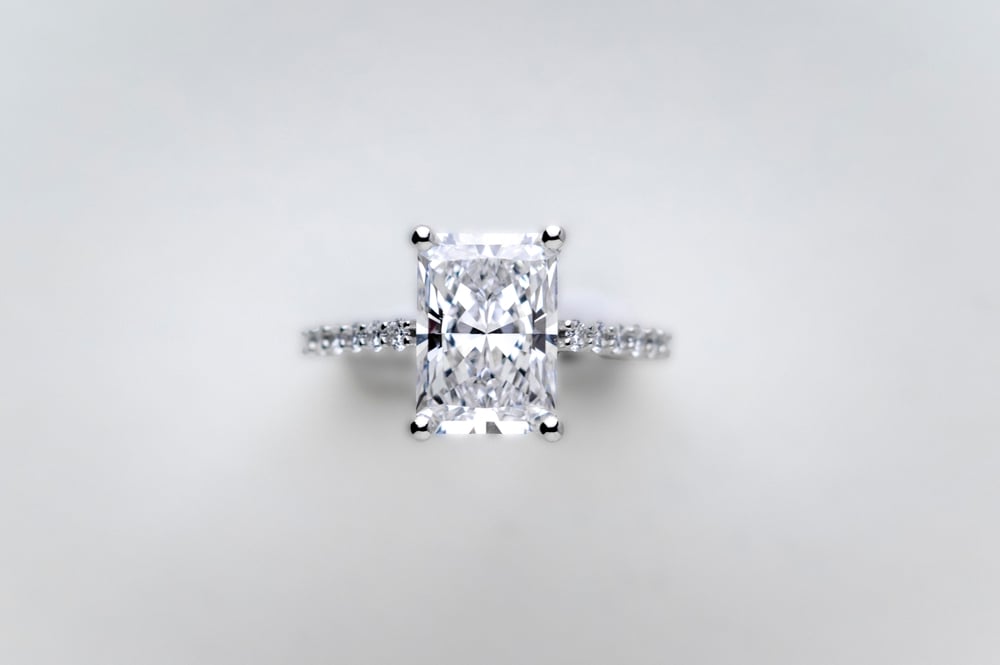
De Beers convinced Boomers that a diamond engagement ring was non-negotiable—a symbol of love so essential it was practically a prerequisite for marriage. Gen Z disagrees.
Lab-grown diamonds accounted for about 45% of U.S. engagement ring purchases in 2024, with two-thirds of Gen Z buyers choosing synthetic stones over mined ones. The “A Diamond Is Forever” era is winding down.
It’s partly economics and partly ethics. Lab-grown diamonds cost a fraction of natural ones, letting couples get larger stones for less—the average lab-grown center diamond jumped from 1.31 to 2.45 carats between 2019 and 2025.
But Gen Z also grew up hearing about blood diamonds and environmental destruction. They want the sparkle without the moral weight.
8. Company loyalty

Boomers often spent decades at the same company, climbing the ladder rung by rung, collecting pensions and gold watches. Gen Z has no such attachment.
They’ve watched their parents get laid off despite years of loyalty and concluded that devotion is a one-way street. Younger workers are unafraid of job-hopping if they find their situations unsatisfactory—and 73% will quit if their managers don’t provide development opportunities and regular feedback.
The relationship between employer and employee has deteriorated over the past quarter-century, and Gen Z arrived in the workforce already skeptical. They prioritize flat organizations, upward mobility, and having their opinions heard regardless of tenure.
The implicit contract that kept Boomers at the same desk for 30 years doesn’t exist anymore.
More Bolde Stories


9. Formal dress codes

There was a time when showing up to work or a social event in anything less than a suit or dress was unthinkable. Boomers associated formal attire with respect, status, and professionalism.
Gen Z associates it with discomfort.
This shift accelerated during the pandemic, when everyone realized that sweatpants didn’t actually diminish productivity. Gen Z entered the workforce during this reset and has shown little interest in returning to starched collars and uncomfortable shoes.
The tie is becoming optional in ways that would have horrified their grandparents.
10. Country club membership
The country club was once the ultimate Boomer status symbol—a place to golf, network, and prove you’d arrived.
But golf participation has dropped from 9 million to around 6 million regular players in the U.S., and millennials and Gen Z aren’t rushing to fill the gap. Traditional clubs are facing an identity crisis as their core demographic ages out and younger generations show little interest in initiation fees and dress codes.
The clubs that survive are the ones reinventing themselves entirely. Rooftop yoga sessions, seasonal cocktail nights, live music by the pool—anything but the stuffy formality that defined the Boomer country club experience.
Gen Z values experiences and community over prestige and exclusivity. If a club can’t compete with boutique fitness memberships and concert tickets for their discretionary spending, it’s not making the cut.
11. Marriage before 30

Boomers tended to marry young, following a predictable sequence: college, job, marriage, house, kids. Gen Z is blowing up the timeline.
Around 40% of young adults prioritize travel over buying a home or getting married before 30. They’re not anti-marriage—most still want to tie the knot eventually, around 75%—but they’re refusing to treat it as a deadline.
Part of this is economic: student debt, housing costs, and stagnant wages make the traditional milestones feel financially impossible. But part of it is philosophical. Gen Z has watched older generations divorce at high rates and concluded that rushing into marriage isn’t worth the risk.
They’d rather get it right than get it done on schedule, even if that means spending their 20s on a bucket-list trip to Thailand instead of a wedding registry.
More Bolde Stories


12. Department store shopping
Boomers built their wardrobes at Macy’s and JCPenney, browsing racks and trusting brand names. Gen Z discovers products through TikTok and buys them on their phones.
Around 80% of Gen Z’s shopping happens online, and they’re far more likely to trust an influencer’s recommendation than a department-store display.
They read an average of three reviews before a first-time purchase, and one in six consults nine or more. They scroll through TikTok, watch YouTube unboxings, and check Reddit threads before spending money.
Department stores offered one thing: a physical space to browse. Gen Z has infinite browsing in their pocket, and they’re not interested in anything else.
13. Living to work

Perhaps the biggest shift of all is existential. Boomers built identities around careers, finding meaning and status in professional achievement.
Gen Z has decided that work is something you do, not something you are. They want jobs that pay fairly, support their mental health, and leave room for the rest of their lives. Personal fulfillment now ranks nearly as high as financial gain for Gen Z.
Ninety-one percent of Gen Z have faced at least one mental health challenge or bout of burnout, and they’ve concluded that no job is worth that cost.
They’re working to live, not living to work, and they expect employers to meet them where they are. The Boomer framework—sacrifice everything now, enjoy life later—doesn’t compute.


