

Enjoying wine shouldn’t require breaking the bank, yet many of us have opened a bottle of budget vino and wished it tasted just a bit more luxurious. The good news is that you don’t need to be a sommelier to elevate the experience of inexpensive wine. With a few clever tricks, you can transform even the most modest selections into something that feels a touch more sophisticated and palatable.
1. Let It Breathe
Simply uncorking a bottle and letting it sit can dramatically enhance its flavor. Oxygen interacts with wine, helping to soften harsh tannins and release more complex aromas. This is especially true for red wines, which often benefit from a little air exposure. Experts suggest letting wine breathe anywhere from 15 minutes to an hour, depending on the variety and its initial robustness.
According to a study published in the Journal of Agricultural and Food Chemistry, allowing wine to aerate can significantly impact its chemical composition, effectively “opening up” the flavors. The study found that certain compounds responsible for enhancing taste become more pronounced after aeration. This means not only will your wine taste better, but it will also smell more inviting—a win-win for your senses. So, next time you’re pouring a glass, remember patience is a key ingredient.
2. Use a Decanter

Investing in a decanter can be a game-changer for your wine enjoyment experience. Not only does it look elegant, but it also serves a practical purpose by increasing the wine’s surface area to air ratio. This exposure allows for better oxidation, which can bring out hidden flavors in your wine. Plus, the act of decanting can be a visually pleasing ritual that enhances your wine night.
A decanter doesn’t have to be expensive to be effective; even affordable options can drastically improve your wine’s flavor. The shape of the decanter can also influence the aeration process, making it a worthwhile consideration if you’re serious about your wine. When you pour wine into a decanter, the swirling motion helps integrate oxygen quickly, mimicking hours of breathing in just a few minutes. It’s a small investment with a big impact on taste.
3. Chill It Properly

Temperature plays a crucial role in how wine tastes, and chilling your wine just right can make it seem more refined. Reds should be slightly cooler than room temperature, while whites and rosés benefit from a bit more time in the fridge. This cooling can help tone down any unpleasant acidity or bitterness, allowing the wine’s true flavors to shine through. To achieve the perfect temperature, try popping reds in the fridge for about 15 minutes before serving.
Wine experts from the American Journal of Enology and Viticulture suggest that serving wine at the optimal temperature can enhance not only flavors but also mouthfeel and aroma. Their research indicates that temperature impacts the perception of sweetness, acidity, and alcohol, altering how a wine is experienced. By tweaking the serving temperature, you’re essentially fine-tuning the wine to perform at its best. So, think of your wine fridge as an ally in your quest for a rich-tasting experience.
4. Use the Right Glass

The shape and size of your wine glass can remarkably affect how wine tastes. Glasses with a wider bowl allow for more swirling, which in turn enhances aeration and releases aromas. The rim should also be slightly tapered to direct these aromas towards your nose as you sip. Investing in proper glassware doesn’t just elevate the wine; it elevates the entire drinking experience.
While it might seem like a trivial detail, using the right glass for each type of wine can make a noticeable difference in taste. Glasses designed for reds often have a larger bowl to accommodate their fuller body and higher tannin levels. White wine glasses, on the other hand, tend to be smaller to maintain cooler temperatures. Paying attention to these subtleties can turn even an ordinary wine into an extraordinary treat.
5. Pair It with the Right Food

The right food pairing can bring out the best in any wine, even the most budget-friendly. Rich, fatty foods can soften harsh tannins, making reds taste smoother and more balanced. Similarly, acidic foods can enhance the crispness of whites, making them taste brighter and more refreshing. Consider the characteristics of your wine and pair accordingly for the best results.
Research in the International Journal of Gastronomy and Food Science underscores the importance of food and wine pairings, showing that the right combination can significantly improve the perceived quality of wine. The study suggests that congruent pairings—where food and wine share similar flavor compounds—can enhance wine’s taste and aroma. So, the next time you’re hosting a dinner or simply enjoying a quiet meal, think about how your food choices can elevate your wine. It’s a deliciously simple way to make any bottle feel special.
6. Add a Splash of Fruit Juice

A hint of fruit juice can add complexity and depth to an otherwise lackluster wine. Citrus juices like orange or grapefruit can brighten white wines and make them more refreshing. Similarly, a splash of berry juice can add richness to reds, complementing their inherent fruitiness. This little trick can transform a flat wine into something lively and dynamic.
Don’t go overboard, though—a little goes a long way. Start with a small amount of juice and adjust to taste; you want to enhance the wine, not overpower it. This method is also a fun way to experiment with different flavor profiles, allowing you to customize your wine experience. It’s a simple yet effective way to elevate your everyday bottle into something unique.
7. Try the Blender Method

While it might sound unconventional, a quick spin in the blender can significantly improve the taste of cheap wine. The blending process integrates oxygen quickly, mimicking the effects of decanting and breathing. The result is a smoother, more harmonious flavor profile that can make a budget wine taste more expensive. It’s an easy trick when you’re short on time but still want to elevate your wine.
A study published in the Journal of the Science of Food and Agriculture supports this method, showing that mechanical aeration can influence wine’s chemical properties and improve its taste. While you might not find the blender method in upscale wine guides, it’s an accessible hack for those looking to maximize flavor without waiting. Just a 30-second blend can offer results comparable to hours of traditional breathing. So, if you’re feeling adventurous, let your blender be your secret weapon.
8. Add a Pinch of Salt

It may seem counterintuitive, but adding a small pinch of salt can enhance the flavors in wine. Salt can neutralize bitterness and bring forward the fruitier notes, creating a more balanced taste. This hack works well with wines that are overly tannic or acidic, smoothing out the rough edges. It’s a subtle adjustment, but one that can make a noticeable difference.
The key is moderation; too much salt can ruin the wine, so start with a tiny pinch and taste as you go. This method is particularly effective when serving wine with food, as the salt can harmonize the wine with savory dishes. Though it may not be a traditional approach, it’s a quick and easy fix when a wine just isn’t hitting the right notes. Sometimes, the smallest adjustments have the biggest impact.
9. Serve It with a Cheese Board
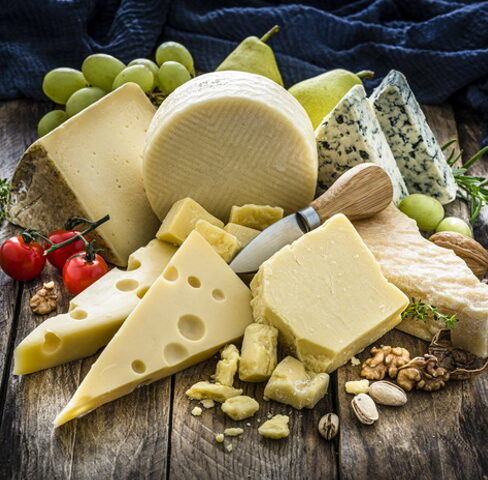
Cheese and wine are a classic pairing for a reason. The creamy, rich textures of cheese can soften the harshness of less expensive wines, making them taste more luxurious. Opt for a variety of cheeses to complement different wine notes, from sharp cheddars to soft bries. This pairing is not just about taste but also about elevating the entire drinking experience.
Cheese can also introduce new flavor profiles that interact interestingly with your wine. The saltiness of cheese can accentuate the sweetness in wine, while its fattiness can balance tannins. Additionally, a visually appealing cheese board creates a sense of occasion, making any wine feel like it’s part of a special event. It’s a tried-and-true method for making wine nights more indulgent and memorable.
10. Add a Splash of Soda

Turning your wine into a spritzer can be a refreshing way to enhance its flavor. Adding a splash of club soda or lemon-lime soda can lighten up a wine while adding a bit of fizz. This method is perfect for inexpensive whites and rosés, giving them a crisp, refreshing quality. It’s an easy way to elevate your wine for casual get-togethers or a laid-back evening at home.
The fizz from the soda can also help to mask any off-flavors, making it an excellent choice for wines that aren’t quite up to par. Start with a small amount of soda to maintain the wine’s original flavor, then adjust to your liking. The effervescence not only enhances the sensory experience but also adds a fun twist to traditional wine drinking. It’s an uncomplicated trick that brings a playful touch to your wine.
11. Serve It Slightly Warmed

Slightly warming your wine can bring out flavors that are otherwise muted when it’s too cold. This is particularly true for red wines that can taste more robust at a slightly higher temperature. Be cautious, though—you don’t want to overheat and spoil the wine. Just a few degrees can make a significant difference in how its flavors unfold.
You can achieve this warming effect by holding the wine glass in your hands or letting the bottle sit out for a bit longer before serving. This method works well in cooler climates where room temperature can be quite low. The warmth can also accentuate the aroma, enhancing the overall tasting experience. It’s a simple adjustment that can profoundly impact how your wine is perceived.
12. Add a Cinnamon Stick

Infusing your wine with a cinnamon stick can introduce warm, spicy notes that add complexity and depth. This trick works wonders with red wines, giving them a festive twist that’s perfect for colder months. The cinnamon can enhance the wine’s natural flavors, making it taste richer and more robust. It’s a creative way to play with spice and elevate your wine.
Let the cinnamon sit in the wine for a short time—just enough to impart a subtle flavor without overpowering it. You can also experiment with other spices like cloves or star anise for a unique touch. This method is particularly effective for holiday gatherings, where a hint of spice can make your wine feel more seasonal. It’s a fun experiment that turns ordinary wine into a conversation starter.
13. Serve It with Confidence

Sometimes, perception is everything. Presenting your wine with confidence can make it feel more sophisticated, no matter its price. Use a nice wine opener, pour with flair, and engage your guests with a bit of wine trivia. The atmosphere you create can elevate the wine-drinking experience, making it feel special.
Confidence can also encourage others to view the wine more favorably, enhancing their enjoyment. Your attitude sets the tone, and by showing enthusiasm for the wine, you invite others to share in that excitement. This psychological trick can transform how the wine is perceived, proving that a little confidence goes a long way. Ultimately, the experience of enjoying wine is as much about the ambiance as it is about the drink itself.


