
Putting together a delicious meal often means you need a good mix of fresh ingredients. While frozen veggies can be a convenient option, not all produce handles the freezing process well. Some vegetables lose their flavor, texture, or nutritional value when frozen, which can turn your meal into a mushy or tasteless disappointment. You deserve the best possible experience with your culinary endeavors, so knowing which vegetables to avoid buying frozen can make all the difference. Here’s a list of 13 veggies you should always opt to buy fresh.
1. Potatoes
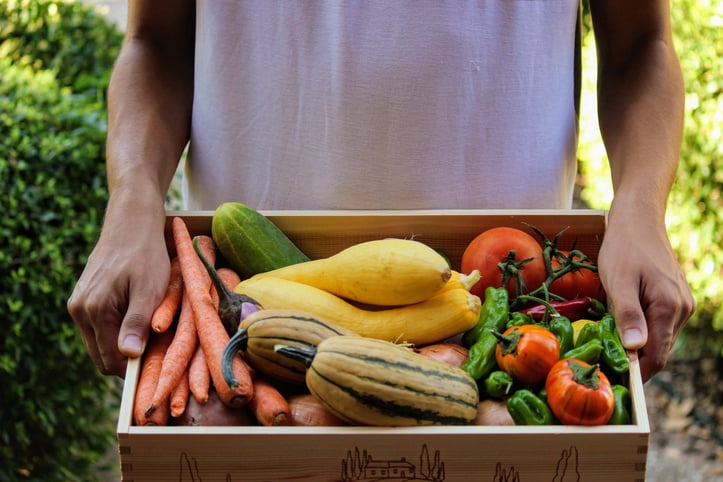
When it comes to spuds, freshness is key. Potatoes have a high water content, which makes them particularly susceptible to changes in texture when frozen. Once thawed, they can become grainy and unappetizing, losing that fluffy interior you love in your mashed potatoes. According to Dr. Linda Harris, a food safety expert at the University of California, freezing can cause the cell walls of potatoes to break down, resulting in a less appealing texture. So, if you’re craving that perfect potato dish, it’s best to stick with fresh.
Furthermore, frozen potatoes can also suffer in terms of flavor. They often take on an off-taste that can make your dishes fall flat. You’ve probably noticed that frozen fries just don’t compare to fresh-cut ones. By choosing fresh potatoes, you retain their natural sweetness and earthy flavor. The next time you’re at the store, skip the frozen aisle for this staple.
2. Lettuce

Lettuce is another vegetable that just doesn’t fare well with freezing. This leafy green is mostly water, and when you freeze it, it turns into a wilted, limp mess. The crispness that makes lettuce so enjoyable in salads and sandwiches disappears, leaving you with something entirely unappealing. Fresh lettuce has a satisfying crunch and a clean taste – qualities that you simply can’t replicate with a frozen alternative. So when building a fresh salad, leave the frozen stuff behind and pick up a fresh head instead.
Additionally, frozen lettuce can often develop a bitter taste. This occurs because freezing alters the chemical structure of the leaves, affecting the flavor. You don’t want a bitter surprise in your Caesar salad, so it’s wise to avoid frozen lettuce altogether. Stick with fresh selections to ensure that your greens are as vibrant and tasty as they should be. After all, the crisp bite of fresh lettuce can make all the difference in your meals.
3. Cucumber

Cucumbers are another vegetable that should never be frozen for the sake of texture and taste. Their high water content means that freezing turns them into a soggy mess once thawed. You’d be hard-pressed to find a cohesive slice after the freezing process, as they lose their crunch and become mushy. According to a study by the Food and Agriculture Organization, cucumbers’ texture deteriorates significantly upon freezing, making them less than ideal for any dish requiring a fresh crunch. For your salads and sandwiches, always opt for fresh cucumbers to maintain that refreshing quality.
Moreover, frozen cucumbers can also experience flavor loss. They tend to lose their subtle sweetness and refreshing taste, rendering them bland. If you enjoy the crisp, clean flavor of cucumbers in your dishes, freezing them would be a major disservice. By sticking to fresh cucumbers, you’ll ensure your dishes retain their intended taste and texture. So skip the freezer aisle when it comes to cucumbers, and enjoy them fresh for the best possible experience.
4. Celery

Celery is notorious for its inability to withstand the freezing process well. It’s another vegetable with high water content, which means it becomes limp and watery when thawed. The crunchiness that makes celery so appealing in salads, soups, and snacks is lost when you choose the frozen variety. You might find that the texture becomes stringy and unappetizing, detracting from its usual appeal in your dishes. Go fresh with celery to keep that satisfying snap and flavor.
In addition to texture issues, frozen celery can also lose its distinctive taste. It often ends up bland, which means it won’t add the intended depth of flavor to your cooking. When you use fresh celery, you get that aromatic, slightly peppery taste that complements many dishes. Avoid the disappointment of a subpar meal by skipping frozen celery entirely. Your dishes will thank you for it.
5. Zucchini

Freezing zucchini is generally a bad idea if you care about texture and taste. Zucchini contains a lot of water, which transforms into ice crystals when frozen, wreaking havoc on its structure. Once thawed, you’re left with a mushy texture that doesn’t hold up well in most dishes. According to food scientist Dr. Harold McGee, freezing causes the cell walls to rupture, resulting in a loss of texture integrity. If you’re planning to enjoy zucchini in a stir-fry or a fresh pasta dish, keep it fresh to retain its pleasant bite.
Flavor-wise, frozen zucchini doesn’t fare much better. It tends to lose its subtle sweetness and can take on an off-putting taste, negatively impacting your meals. If you enjoy zucchini’s delicate flavor profile, you’ll want to ensure it’s fresh. Utilizing fresh zucchini helps to maintain its intended flavor and contributes positively to the overall taste of your dishes. So, for the best results, skip the frozen varieties and go fresh.
6. Eggplant
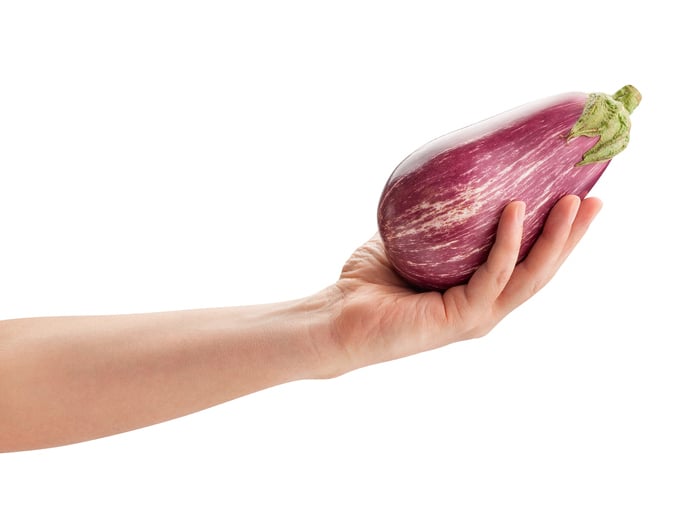
Eggplant has a rich, creamy texture when cooked correctly, but freezing destroys this appeal. The high water content in eggplant means that its texture suffers significantly once frozen. You may find it becomes spongy and unappetizing after thawing, which can ruin dishes like eggplant parmesan or ratatouille. Fresh eggplant retains its firm yet tender texture when cooked, making it a much better choice for your recipes. For optimal results, always buy your eggplant fresh.
Apart from texture, freezing can also alter the flavor of eggplant. The delicate taste of this vegetable can become bitter after being frozen, which is not what you want in your culinary creations. You’ll find that fresh eggplant offers a much superior taste experience, enhancing your dishes rather than detracting from them. By choosing fresh eggplant, you ensure that your meals are as delightful as possible. Trust in fresh when it comes to this versatile vegetable.
7. Bell Peppers

While bell peppers are often available frozen, they tend to lose their signature crunch during the freezing process. Their high water content leads to a soggy result once thawed, which can be a real letdown in dishes that rely on their crisp texture. Dr. Barry Swanson, a food scientist at Washington State University, notes that freezing can cause significant textural changes in bell peppers, leading to a less enjoyable eating experience. If you want to keep that satisfying crunch in your stir-fries or salads, stick to fresh bell peppers instead.
Moreover, freezing can impact the vibrant flavor of bell peppers. Their sweet, slightly tangy taste is often dulled, leaving you with a less flavorful ingredient. Fresh bell peppers add a burst of color and flavor to your dishes, which is something you simply can’t replicate with their frozen counterparts. To enjoy their full taste potential, it’s best to buy them fresh. Your taste buds will appreciate the difference that fresh can make in your meals.
8. Spinach

Spinach is another veggie that is often available frozen, but it’s not always the best choice. While it might be convenient, frozen spinach often turns out mushy and loses its bright green appearance. The texture becomes more suitable for soups and dips but falls short if you’re aiming to make a fresh salad. When you use fresh spinach, you retain that tender, mild bite that works beautifully in a variety of dishes. For salads and other fresh applications, always aim to buy fresh spinach.
Additionally, frozen spinach can sometimes develop a slightly metallic taste. This can detract from the flavor profile of your meals, leading to disappointing results. Fresh spinach, on the other hand, maintains its mild, sweet flavor, adding a pleasant touch to your dishes. Whether you’re whipping up a smoothie or a sautéed side, fresh spinach delivers the flavor and texture you want. Keep it fresh to keep your meals enjoyable.
9. Asparagus

Asparagus is a spring vegetable that really shines when it’s fresh. Unfortunately, freezing it leads to a rubbery texture that just doesn’t cut it in terms of quality. The delicate flavor of asparagus can also be compromised, resulting in a less-than-satisfying eating experience. When you choose fresh asparagus, you keep its tender, crisp texture and unique, slightly bitter taste intact. It’s worth waiting for asparagus season to get the real deal.
In terms of cooking, frozen asparagus can be finicky. It often doesn’t hold up well to grilling or roasting, which are some of the best ways to cook this vegetable. Fresh asparagus, however, retains its structure and flavor in these cooking methods, making for a delightful dish. If you love asparagus, it’s best to avoid the frozen option and enjoy it fresh. Your taste and texture preferences will thank you.
10. Cabbage

Cabbage is a veggie that’s best enjoyed fresh due to texture considerations. Freezing cabbage causes its leaves to become limp and watery, making it less appealing for dishes that require a crunch. Whether you’re making coleslaw or stuffed cabbage rolls, fresh cabbage provides the texture and firmness you need. When you choose fresh cabbage, you also preserve its slightly peppery and sweet flavor. It’s a veggie that’s definitely worth buying fresh.
Flavor-wise, frozen cabbage can sometimes turn bitter, which isn’t ideal for most recipes. This change in taste can throw off the balance in your dishes, leading to an uneven culinary experience. Fresh cabbage, on the other hand, maintains its flavor integrity, enhancing rather than compromising your meals. For your cooking endeavors, sticking with fresh cabbage is a smart move. You’ll appreciate the difference it makes in your recipes.
11. Rhubarb

Rhubarb is a tart vegetable often used in desserts, but it loses its structural integrity when frozen. The fibrous stalks become mushy when thawed, which isn’t ideal for pies or crisps where texture matters. Fresh rhubarb maintains a firmness that allows it to hold up well during cooking, providing the right balance of tartness and texture. When you choose fresh rhubarb, your baked goods will have that delightful contrast between tender fruit and crisp topping. It’s worth seeking out fresh rhubarb during its season for the best results.
Moreover, the flavor of rhubarb can be dulled by freezing. The tangy bite that complements sweet ingredients so well may become less pronounced. Fresh rhubarb provides the zing and brightness that your desserts need to shine. For an optimal baking experience, always opt for fresh when it comes to this distinctive ingredient. Your pies and desserts will taste better with fresh rhubarb.
12. Green Beans

Green beans, also known as string beans, lose their appealing snap when they’re frozen. Once thawed, they tend to become limp and watery, which detracts from many dishes that benefit from their crisp texture. Fresh green beans, on the other hand, maintain that satisfying crunch and vibrant flavor. Whether you’re blanching them for a salad or sautéing them as a side dish, fresh green beans deliver the texture and taste you’re looking for. For a more enjoyable dining experience, it’s best to select fresh green beans.
In addition to texture, the flavor of green beans can suffer when frozen. They may lose some of their sweetness and take on an undesirable taste, impacting your meal. Fresh green beans provide a mild, sweet flavor that’s versatile in many recipes. By choosing fresh, you ensure your dishes are flavorful and satisfying. Skip the frozen options and go for fresh to enjoy the best of what green beans have to offer.
13. Broccoli

Broccoli is a vegetable that can be hit or miss when frozen. While it’s convenient, frozen broccoli often turns out mushy, which is a far cry from the tender-crisp texture that’s most appealing. Fresh broccoli retains that satisfying firmness and slightly nutty flavor, making it a better choice for most cooking applications. Whether you’re roasting, steaming, or stir-frying, fresh broccoli provides a superior eating experience. For dishes where texture matters, always buy broccoli fresh.
Furthermore, frozen broccoli can lose some of its vibrant flavor. It may taste bland and uninspiring, detracting from your culinary creations. Fresh broccoli, however, enhances your dishes with its robust flavor profile. Choosing fresh broccoli ensures that your meals are as delicious and enjoyable as they should be. When it comes to broccoli, fresh is definitely the way to go.


