

The U.S. has always been a place where reality sometimes feels stranger than fiction—a melting pot of cultures, technologies, and trends that blend into a wild tapestry of life. But lately, things have been dialed up a notch, and navigating day-to-day life can feel like you’ve slipped into an alternate reality. It’s as if you’re living in a blockbuster where plot twists happen every day, and the unexpected is the status quo. From the way we work to the way we connect with each other, everything feels just a bit out of sync and surreal. So, buckle up and dive into these 13 ways life in the U.S. feels like an episode from a parallel universe.
1. The Work-from-Home Landscape Has Messed With Our Lifestyle
Remember when WFH was a temporary solution? Now, it’s become the new normal, and it’s reshaping our lives in unexpected ways. Your dining table doubles as a desk, and video calls have replaced face-to-face meetings. According to a 2021 survey by Pew Research, 71% of people working from home are doing so by choice, rather than necessity. The boundaries between work and personal life blur, as pajamas become the unofficial uniform of productivity.
While the flexibility is a dream come true for many, it comes with unique challenges. You might find yourself missing the casual water cooler chats and the structure of a typical workday. The convenience of zero commute is balanced by the struggle to switch off when your home is your office. As you juggle work, family, and personal time under one roof, you may feel like you’re living in a reality that’s part corporate office, part cozy retreat. It’s a world where the line between professional and personal is as thin as ever.
2. The Rise of Digital Nomadism Can Feel Overwhelming

With remote work becoming the norm, people are redefining what it means to have a home base. Digital nomadism is on the rise, with folks swapping suburban life for an adventurous, location-independent lifestyle. You see it on social media—people trading their cubicles for café tables in Bali or mountain views in Colorado. The world is your oyster, and all you need is a strong Wi-Fi connection. Yet, the lure of wanderlust comes with its own set of hurdles, from navigating time zones to finding community on the move.
The shift to digital nomadism means your office can be anywhere, which is both exhilarating and daunting. You might enjoy the freedom to explore new places while earning a living, but maintaining work-life balance can be tricky. Constant travel can lead to fatigue, and the novelty of new locales can sometimes wear thin. It’s a lifestyle that demands adaptability and a strong sense of self-discipline. As you craft your own unique path, you realize that home is more about a state of mind than a fixed address.
3. The Social Media Echo Chamber Is Making Us Reactive

Social media has become an integral part of daily life, yet it often feels like a double-edged sword. Platforms like Instagram and TikTok are virtual stages where everyone is both a performer and an audience. The echo chamber effect is real, with algorithms curating content that aligns with your existing beliefs. According to a study published in Nature Communications, social media can amplify polarized views, creating digital bubbles where dissenting opinions rarely penetrate. In this parallel universe, your newsfeed is your reality, and likes are the currency of validation.
While social media is a powerful tool for connection, it can also lead to a skewed perception of the world. You might find yourself doomscrolling or feeling FOMO as you compare your life to curated highlight reels of others. The constant barrage of information can be overwhelming, with misinformation spreading as quickly as truth. As you navigate this digital landscape, the challenge lies in finding authentic connections amidst the noise. It’s a reminder that the online world is a reflection of reality, but not reality itself.
4. The Climate Change Threat Is In Our Backyard

Climate change feels less like a distant threat and more like a present-day reality, with its impacts being felt across the U.S. From wildfires in the West to hurricanes in the Southeast, extreme weather events have become alarmingly common. You might notice subtle changes in your local environment—hotter summers, unpredictable winters, and shifting wildlife patterns. The urgency to address climate change is growing, but the path forward can seem daunting. As you confront these changes, it may feel like you’re living in a science fiction narrative turned reality.
Despite the challenges, there is a growing movement towards sustainable living and environmental stewardship. People are making more conscious choices, from reducing plastic use to supporting renewable energy initiatives. Communities are coming together to advocate for policy changes and to implement local solutions. As you adapt to this new normal, there’s a sense of collective responsibility and hope. The journey towards a sustainable future is a testament to human resilience and innovation.
5. The Streaming Explosion Is Causing Bed Rotting

Gone are the days when entertainment was a one-size-fits-all experience. The landscape has evolved, with streaming platforms offering a personalized buffet of content at your fingertips. Whether it’s binge-watching a series in one sitting or exploring niche documentaries, you have endless options. The way we consume media is in constant flux, and companies like Netflix and Hulu are leading the charge. According to a report by Deloitte, streaming subscriptions in the U.S. surpassed cable for the first time in 2020, signaling a seismic shift in entertainment consumption.
This evolution has transformed the way stories are told and shared. The democratization of content means new voices are being heard, and diverse perspectives are gaining visibility. However, the sheer volume of choice can be overwhelming, making it hard to decide what to watch next. Your preferences are analyzed and used to suggest content, creating a personalized viewing experience. In this alternate reality, entertainment is not just about escapism; it’s about connection and discovery.
6. The Health and Wellness Boom

The wellness industry is booming, and people are more focused on health than ever before. From fitness apps to meditation podcasts, self-care has become a daily ritual. You’re inundated with options for improving your physical and mental wellbeing, and the choices are vast. It’s a world where yoga retreats and smoothie bowls are not just trends but a way of life. Wellness is no longer a luxury—it’s an integral part of the modern lifestyle.
While the focus on health is commendable, it can also be overwhelming. The pressure to maintain a perfect wellness routine can be daunting, leading to guilt when you fall short. With so many products and practices to try, it’s easy to get lost in the sea of wellness offerings. The key is finding what genuinely works for you, rather than jumping on every trend. As you navigate this wellness boom, it’s important to remember that health is personal and not a one-size-fits-all journey.
7. The Cryptocurrency Explosion Is Causing Fear

Cryptocurrency has taken the financial world by storm, and it’s no longer just for tech-savvy investors. From Bitcoin to Ethereum, digital currencies are making headlines and capturing the imagination of the masses. According to a report by CNBC, nearly one in ten people in the U.S. have invested in cryptocurrency, highlighting its growing popularity. You hear stories of overnight millionaires and blockchain innovations, fueling curiosity and speculation. It’s a financial frontier that feels as unpredictable as it is exciting.
The concept of decentralized finance challenges traditional banking systems and offers new opportunities. While the potential for high returns is enticing, the volatility of the market is a stark reminder of its risks. You might find yourself torn between the fear of missing out and the wisdom of caution. As you navigate this new financial landscape, it’s crucial to stay informed and consider expert advice. In this alternate reality, the future of money is a subject of both fascination and caution.
8. The Way We Shop Is Draining Our Pockets
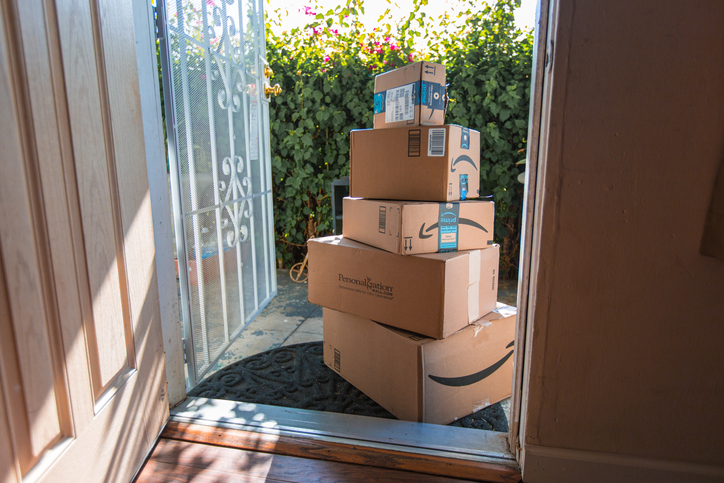
Shopping has undergone a radical transformation, and the way we buy things is unrecognizable compared to a decade ago. Online shopping is the norm, with everything from groceries to fashion available at the click of a button. Traditional brick-and-mortar stores are adapting, offering curbside pickups and virtual try-ons. The convenience of e-commerce is matched by the thrill of same-day delivery options. In this new retail landscape, the customer experience is all about personalization and speed.
While the shift is convenient, it also raises questions about sustainability and consumerism. The ease of online shopping can lead to impulsive buying and a growing environmental footprint. As you enjoy the benefits of modern shopping, you might also consider the impact on local businesses and communities. The future of retail is a blend of digital innovation and conscious consumerism. In this alternate reality, the way you shop is a reflection of changing values and priorities.
9. The Political Rollercoaster Feels Like A Living Nightmare

Navigating the political landscape in the U.S. feels like riding a never-ending rollercoaster. The past few years have been marked by unprecedented events and heightened political engagement. You see it in protests, social media activism, and record voter turnout. The political climate is charged with emotion and division, making it feel like you’re living in a high-stakes drama. As policies and leaders change, the impact on daily life is immediate and tangible.
Staying informed is more important than ever, yet the sheer volume of news can be overwhelming. You might find yourself questioning sources and seeking out multiple perspectives. The challenge lies in cutting through the noise to understand the issues that matter most to you. As you engage with the political process, there’s a sense of both responsibility and empowerment. In this alternate reality, every voice contributes to shaping the nation’s future.
10. The Quest for Work-Life Balance Never Ends

In the hustle and bustle of modern life, achieving work-life balance can feel like an elusive dream. With technology blurring the lines between work and home, disconnecting has never been more challenging. You’re encouraged to pursue passions and prioritize downtime, yet the demands of work persist. The quest for balance is a constant juggle, requiring intentional choices and boundaries. In this world, self-care is an essential part of productivity.
Finding balance is about more than just managing time—it’s about redefining success. You might find yourself reassessing priorities and focusing on what truly matters. The pandemic has forced many to reevaluate their relationship with work, leading to new approaches and expectations. As you navigate this new reality, flexibility and adaptability are key. In this parallel universe, balance is not a destination, but a journey of continuous growth.
11. The Rise of Plant-Based Living Makes Us Feel Guilty

Plant-based living has surged in popularity, with more people embracing vegetarian and vegan diets. From oat milk lattes to meatless burgers, the options are more delicious and accessible than ever. You’re part of a movement that prioritizes health, ethics, and environmental sustainability. The plant-based lifestyle is reshaping the food industry and sparking conversations about our dietary choices. In this alternate reality, plants are taking center stage on our plates and in our lives.
While the benefits are numerous, transitioning to a plant-based diet can come with challenges. You might face skepticism or struggle to find suitable options when dining out. The key is focusing on balance and variety to ensure nutritional needs are met. The growing availability of plant-based products makes it easier than ever to experiment and explore. As you embark on this journey, you’re contributing to a more sustainable and compassionate world.
12. The Escalation of Urban Gardening Is Keeping Us Stuck

Urban gardening is flourishing, with city dwellers transforming rooftops and balconies into green sanctuaries. In a world where concrete is abundant, the desire to connect with nature is stronger than ever. You’re part of a trend that’s about more than just growing food—it’s about community, sustainability, and mental health. Gardening offers a therapeutic escape from the hustle and bustle of urban life. In this reality, green spaces are reclaiming their place in cities, bringing people closer to nature.
Creating a garden in a confined space requires creativity and a bit of trial and error. You might experiment with vertical gardens or hydroponic systems to maximize your area. Urban gardening fosters a sense of accomplishment and provides fresh produce right at your doorstep. As you dig your hands into the soil, you find a sense of peace and connection. In this world, cultivating plants is a reminder of the resilience and beauty of life.
13. The Digital Detox Movement Keeps Us Up at Night

Amidst the digital deluge, the desire for a digital detox is stronger than ever. You find yourself craving moments of silence and disconnection, away from screens and notifications. The movement towards unplugging is gaining momentum, with people seeking balance in a tech-saturated world. Digital detox retreats and gadget-free zones are becoming popular, offering a respite from the constant connectivity. In this alternate reality, mindfulness and presence are the new luxuries.
Detoxing from digital devices can be challenging, given their integral role in daily life. You might start small, setting boundaries for screen time and carving out tech-free spaces in your home. The benefits of disconnecting are profound, from improved focus to a greater sense of calm. As you embrace digital detox, you reclaim your time and attention, focusing on what truly matters. In this world, the power to unplug is a catalyst for deeper connections and personal growth.


