

Junk drawers are a staple in many homes. They act as catch-alls for items that don’t have a designated spot, but they can quickly become cluttered and chaotic. In the quest to simplify your life, it’s essential to be mindful of what goes into your junk drawer. While some items are harmless, others can create unnecessary mess or even pose safety risks. To keep your drawer organized and functional, here are 13 things you should never store in a junk drawer.
1. Expired Batteries
Storing expired batteries in your junk drawer might seem convenient, but it’s not a good idea. As batteries age, they can leak and release corrosive materials, damaging other items in the drawer. According to the Battery University, an industry resource for battery knowledge, leaking batteries can create a safety hazard, especially if you have children or pets. It’s essential to dispose of old batteries properly, either by recycling them at designated facilities or placing them in a separate container for safe disposal. By keeping expired batteries out of your junk drawer, you avoid potential messes and safety issues.
Moreover, keeping expired batteries can lead to unnecessary clutter, making it harder to find what you actually need. When your drawer is filled with items you can’t use, it becomes ineffective as a storage space. By choosing to remove expired batteries, you can maintain a more organized and efficient space. You’ll also prevent confusion and frustration when trying to find a functional battery quickly. Streamline your junk drawer by keeping only items that are still useful and safe.
2. Important Documents

Junk drawers are notorious for swallowing important papers, never to be found again. Important documents, like birth certificates, tax papers, and passports, can get lost among the clutter. Keeping them in a junk drawer can mean scrambling to find them when you need them most, such as during tax season or when planning a trip. Instead, designate a secure place for important documents where they won’t accidentally be thrown out or damaged. Consider using a small file box or a filing cabinet to keep them organized and easily accessible.
In addition to risking loss or damage, storing important documents in a junk drawer can also lead to identity theft. If sensitive information is left in an unsecured spot, it can be easily accessed by anyone. It’s crucial to protect your personal information by keeping these documents in a safe location. Taking a few extra steps to safeguard your essential papers can save you time and stress in the long run. Ensuring they’re securely stored will also give you peace of mind.
3. Loose Change

While it might seem convenient to toss loose change into your junk drawer, it can lead to clutter and disorganization. Coins can scatter and get stuck in drawer corners, making it difficult to retrieve them when needed. According to organizational expert Marie Kondo, maintaining a tidy space means having a designated spot for everything, including loose change. Consider using a dedicated coin jar or a small container to keep your change together and easily accessible. This way, you’ll always know where to find it, and your drawer stays neat.
Furthermore, having loose change in your junk drawer can lead to lost money over time. When coins are mixed with other items, they can easily be overlooked or accidentally thrown away. If you regularly use cash for small purchases, having your change organized and readily available can be particularly beneficial. It also saves you time when you need exact change quickly. Keep your coins in one place, and you’ll find your junk drawer is much easier to manage.
4. Cords And Chargers

Cords and chargers are notorious for tangling and becoming a mess in your junk drawer. When mixed with other items, it can become a frustrating task to find the right charger when you need it. Instead of throwing them into your junk drawer, consider using a designated bin or container to keep them organized. Label each cord and charger to make it easier to find the right one. This approach helps prevent damage and extends the life of your electronics accessories.
Additionally, having a separate space for cords and chargers helps prevent unnecessary purchases. It’s easy to forget what you already own if everything is mixed up in a mess. By organizing these items, you can quickly take inventory and avoid buying duplicates. This not only saves you money but also reduces clutter in your drawer. A little effort in organizing your cords can go a long way in keeping your space tidy and functional.
5. Sharp Objects

Your junk drawer is not the place for sharp objects like scissors, knives, or other tools that could be a safety hazard. These items can pose a risk not only to you but also to anyone else who might rummage through the drawer, especially children. According to the American Academy of Pediatrics, keeping sharp objects out of reach of children is a crucial step in preventing accidents at home. Instead, store sharp items in a specific, secure location, such as a toolbox or a kitchen drawer with dividers. This will help you quickly find them when needed and keep everyone in the household safe.
Keeping sharp objects out of the junk drawer also prevents damage to other items. Scissors or knives can easily scratch or tear softer materials, compromising their use or value. Additionally, having a designated spot for sharp objects helps you keep track of their condition and ensures they’re always ready for use. You’ll spend less time sifting through a cluttered drawer and more time efficiently completing tasks. Protect your possessions—and fingers—by keeping sharp objects in a safer, more organized location.
6. Broken Items

Hanging on to broken items with the hope of fixing them someday is a common habit. However, keeping these items in your junk drawer can quickly lead to unnecessary clutter. Broken items are often neglected and can remain in the drawer indefinitely, taking up valuable space. Instead of letting them pile up, make a habit of assessing whether they’re worth repairing or if it’s better to let them go. This decision will help keep your drawer free of clutter and more functional.
Additionally, a drawer full of broken items can be demoralizing and prevent you from maintaining a tidy space. It’s easy to feel overwhelmed when faced with a pile of things that need attention or repair. By addressing broken items promptly, you can reduce stress and maintain a more organized home. If an item is truly worth fixing, dedicate time to repair it or seek professional help to get it done. This approach will ensure your drawer remains a space for useful and functional items.
7. Old Electronics

Old electronics, like outdated phones or chargers for devices you no longer own, don’t belong in your junk drawer. Keeping them there takes up valuable space and makes your drawer less functional. According to a study by the Environmental Protection Agency, e-waste is a growing concern, and proper disposal or recycling of old electronics is crucial. Consider donating or recycling these items to free up space and prevent them from ending up in landfills. This step not only helps the environment but also keeps your junk drawer organized.
Moreover, old electronics can contain hazardous materials like lead and mercury, which can be harmful if they deteriorate. By removing them from your junk drawer, you reduce the risk of exposure to these harmful substances. It’s always better to find a more appropriate spot for storing or recycling electronics. Taking this step ensures your drawer remains a place for items you actually use. Streamline your space and protect the environment by properly disposing of old electronics.
8. Food Items

It might seem harmless to stash a granola bar or a pack of gum in your junk drawer for later, but food items don’t belong there. Keeping food in your junk drawer can attract pests, leading to a bigger problem than just clutter. Pests like ants and mice are drawn to even small amounts of food, and once they find a source, they can be tough to eradicate. Instead, reserve space in your kitchen pantry or a specific drawer designated for snacks. This will help you avoid unwanted visitors in your home.
Additionally, food items left in the junk drawer can spoil or become stale, rendering them inedible. This can lead to unnecessary waste and more clutter as expired items accumulate. Keeping food where it belongs ensures it’s consumed before it goes bad, saving you money and reducing waste. By maintaining a dedicated space for food, you’ll also keep your junk drawer cleaner and more organized. It’s a small but effective way to improve your household management.
9. Random Buttons

Random buttons seem to collect in junk drawers like they have a life of their own. It’s easy to throw them in without a second thought, but they don’t add any value to your drawer’s organization. Instead of letting them pile up, consider creating a dedicated spot for spare buttons, like a small jar or container. This way, if you ever need to replace a button, you’ll know exactly where to find them. Keeping buttons separate from the junk drawer maintains clarity and space for more critical items.
Random buttons can also be a source of frustration when mixed with other small, miscellaneous items. If you ever need to find a specific button, sorting through a jumble of odds and ends can be time-consuming and irritating. By giving buttons their own place, you reduce the time spent searching for them and keep everything organized. This approach also allows you to quickly assess your collection and get rid of any buttons you no longer need. A little organization goes a long way in making your junk drawer more efficient.
10. Hair Accessories

Hair ties, clips, and other accessories can easily become tangled and lost in a junk drawer, leading to chaos and frustration. When mixed with other items, it becomes a challenge to find the specific accessory you need in a pinch. Instead, designate a separate container or drawer for your hair accessories to keep them organized and easily accessible. By doing so, you’ll always know where to find them, saving you time during your morning routine. This simple step ensures your junk drawer remains clutter-free and functional.
Moreover, organizing hair accessories prevents them from becoming damaged or unusable. Tangles can lead to broken elastic bands or bent clips, rendering them useless. Keeping these items organized prolongs their lifespan and ensures they’re always in good condition when you need them. It’s a simple yet effective way to streamline your daily routine and maintain an orderly space. By taking the time to organize, you can enjoy a clutter-free junk drawer and efficient mornings.
11. Unused Keys
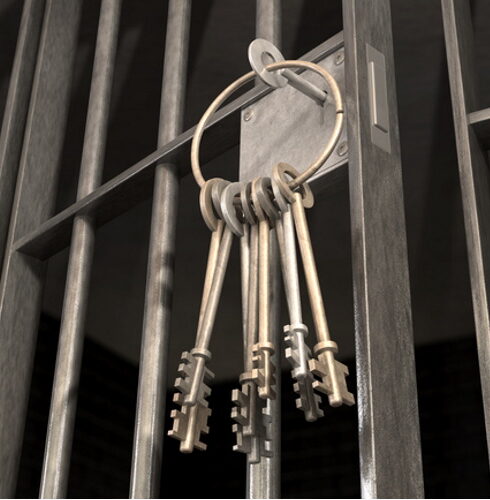
Many people accidentally accumulate a collection of unused keys in their junk drawer. Whether they’re from previous apartments, old locks, or forgotten purposes, they add unnecessary clutter. Instead of letting them gather dust, take the time to identify the purpose of each key and decide if they’re worth keeping. For keys you still need, label them and store them in a dedicated spot. This way, if you ever need them, they’re easy to find and readily accessible.
Keeping unused keys also poses the risk of security issues. If someone else gains access to your home, they could potentially use the keys to gain entry. By keeping track of which keys you have and where they belong, you minimize this risk. Organizing and labeling your keys keeps your home secure and reduces clutter in your junk drawer. It’s a small step that brings significant peace of mind.
12. Miscellaneous Hardware

Loose screws, nails, and other small hardware items tend to end up in junk drawers, creating a mess. These items are often small and easily lost, making it difficult to find what you need when you’re working on a project. Instead of keeping them in the junk drawer, consider using a small container or a dedicated toolbox to organize them. Label each compartment to ensure you can quickly find the right piece of hardware. This level of organization makes home maintenance and DIY projects far more efficient.
Additionally, having a separate space for hardware prevents damage to other items in the drawer. Loose nails and screws can scratch or break fragile items, leading to unintentional damage. By keeping them organized in a dedicated space, you avoid this risk and maintain a more orderly drawer. It also helps you keep track of what you have, preventing unnecessary purchases. A little organization goes a long way in maintaining a clean and functional space.
13. Craft Supplies

Craft supplies like beads, glue, and glitter can quickly turn a junk drawer into a chaotic mess. These small items are easily scattered and lost among other things, making it difficult to find what you need for a project. Instead, create a designated space for craft supplies, such as a craft box or organizer with compartments. This way, you can keep everything neat and easily accessible when creativity strikes. It also helps you quickly assess your inventory and avoid purchasing duplicates.
Organizing craft supplies also prevents messes and potential damage to other items in your junk drawer. Spilled glue or scattered glitter can make a sticky, sparkly mess that’s tough to clean. By storing these items properly, you minimize the risk of spills and keep your junk drawer tidy. This organization allows you to focus on your creative projects rather than cleaning up after them. A little effort in organizing your supplies goes a long way in nurturing your creative passions while keeping your space orderly.
More Bolde Stories

Psychology says dog owners who do these 7 things on walks tend to have better relationships with ...

Psychology says people who keep these 6 opinions to themselves at family dinners tend to be more ...

