
Fear of flying is more common than you might think. Many people find themselves gripping their armrests, feeling jittery, or even avoiding air travel altogether. While conventional advice suggests breathing exercises and positive visualizations, sometimes you need something a little more out-of-the-box to conquer your aviophobia. Here are 13 unconventional methods to help you overcome your fear of flying, each with a touch of whimsy but grounded in practicality. Let’s dive into these weird but effective strategies to make your next flight a breeze.
1. Embrace Your Inner Scientist
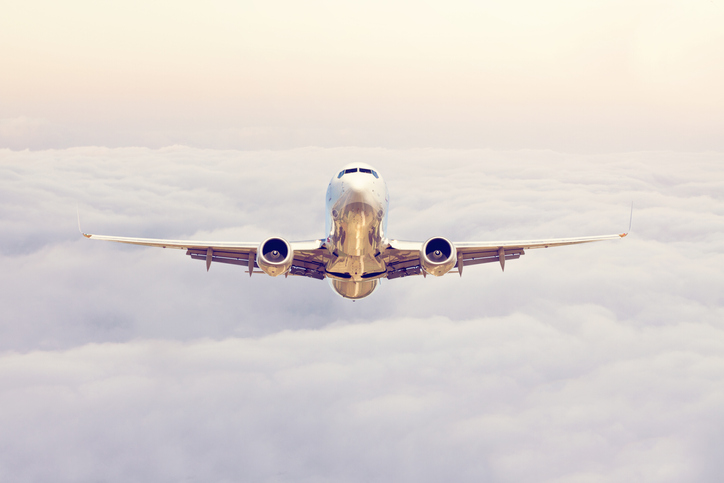
Understanding the science behind flying can make a huge difference. By educating yourself on how planes work, you can demystify the experience and reduce anxiety. Read up on aerodynamics, learn about the physics of flight, and familiarize yourself with common flight sounds. Harvard psychologist Dr. Robert Epstein suggests that knowledge can be a powerful antidote to fear, as our brains tend to calm down when they understand what’s happening. Treat each flight as an opportunity to learn, and soon you may find your fear dissipating.
Once you’re familiar with the technical side of flying, make it a habit to observe these principles in action. Watch the wings flex during turbulence and remind yourself that they are designed to do so. Listen to the engine noises and identify them—knowing what they signify can turn apprehension into curiosity. By reframing your experience through the lens of science, you make the unknown known, which demystifies the whole flight ordeal. This rational approach can put your mind at ease, leaving less room for irrational fears.
2. Listen To Hypnotic Audio

Hypnotherapy has grown in popularity as a means to address various fears and anxieties, including fear of flying. Many audio recordings are available that simulate a hypnotherapy session, allowing you to try this technique from the comfort of your home or even while on the plane. These audios typically guide you into a relaxed state and use positive affirmations to help change your mindset about flying. It’s an easy, low-commitment way to explore a potentially effective solution without visiting a hypnotherapist.
After familiarizing yourself with a few recordings, consider making it a routine. Just like practicing for a performance, repetition can reinforce the calming effect of the audio. Plus, once you associate these recordings with relaxation, simply hearing a few seconds can put you in a more serene state of mind. You could even use them as a backup during unexpected delays or turbulence. Remember, the goal here is consistency; the more you practice, the easier it becomes to tap into that tranquility when you need it most.
3. Calculate Your Odds

Sometimes, the best way to combat fear is with cold, hard facts. Statistically, flying is one of the safest modes of transportation. In fact, the odds of being in a plane crash are about 1 in 11 million, according to the National Safety Council. Instead of letting your mind run wild with worst-case scenarios, focus on these reassuring numbers. When you put risk into perspective, it diminishes its power over your emotions.
So, the next time you’re preparing for a flight, take a moment to do the math. Compare the odds of flying mishaps to other daily activities, like driving or even just walking down the street. Understanding these statistics can help ground your thoughts in reality, providing a comforting perspective. The more you remind yourself of the improbability of an accident, the less room there is for fear to take hold. Let the numbers be a calming mantra as you board your next flight.
4. Try “Fear Of Flying” Courses

Airlines and independent organizations often offer specialized courses designed to help people overcome their fear of flying. These courses usually combine classroom learning, practical exercises, and sometimes even a flight that serves as a real-world test. They can be an excellent way to gain confidence and meet people who share your anxieties. Group settings can also provide a supportive environment where you can share experiences and tips with fellow participants.
Before signing up, research your options to find a course that fits your needs. Some are more focused on psychological techniques, while others might delve deeper into the mechanics of flying. By exposing yourself to different aspects of air travel in a controlled setting, you’re gradually building a toolkit to manage your fear. Completing a course can be a significant milestone, instilling a sense of accomplishment and readiness for future flights. It’s a proactive approach that can yield long-term benefits.
5. Try Virtual Reality Drills

Virtual Reality (VR) technology has opened up new avenues for tackling phobias, including the fear of flying. VR can simulate the experience of a flight, from boarding to landing, providing a safe space to confront your anxieties. A study conducted by the University of Barcelona found that VR therapy effectively reduced fear in participants by allowing them to face their fears in a controlled environment. It’s like a test run for the real thing, giving you a chance to practice relaxation techniques while “in flight.”
Using VR regularly can help desensitize you to the triggers that typically induce anxiety. You can gradually increase the level of realism and duration of your virtual flights as you grow more comfortable. This technology allows you to experience various scenarios, like turbulence or night flights, which can help prepare you for real-life situations. Plus, it offers the flexibility to practice whenever and wherever you like. Over time, you may find yourself more at ease with the idea of flying, having tackled your fears head-on in a virtual world.
6. Create A Pre-Flight Ritual

Sometimes, rituals can provide a sense of control in situations where you feel powerless. Develop a pre-flight routine that includes activities you find calming or enjoyable. Whether it’s listening to a particular playlist, savoring a favorite snack, or wearing a lucky piece of clothing, these rituals can become comforting habits. By creating a sense of familiarity, you can turn the unknowns of flying into something more predictable and manageable.
Once you establish your ritual, stick to it consistently before each flight. The routine itself becomes a part of the journey, something you can count on regardless of where you’re flying. Over time, this predictability can become a source of comfort, reducing anxiety by adding a personal layer of control to the situation. It’s a small step, but it can make a big difference in how you approach each flight. After all, the goal is to make flying feel like just another part of your day.
7. Engage In Mindful Eating

Mindful eating isn’t just a trend; it can serve as a practical tool for managing anxiety, including fear of flying. By focusing intently on the taste, texture, and aroma of your food, you can redirect nervous energy and ground yourself in the present moment. Nutritionist Dr. Jane Smith suggests that mindful eating can also help stabilize blood sugar levels, which is crucial for maintaining a calm mental state during stressful situations. So, pack some healthy snacks that you enjoy and practice mindful eating before and during your flight.
Implementing mindful eating involves more than just munching on snacks. It’s about savoring each bite and using it as an anchor for your attention. Concentrate on how each morsel feels and tastes, allowing your senses to fully engage. This activity can serve as a sanctuary amidst the chaos of air travel, offering both mental and physical benefits. Over time, this approach can become a natural part of your flying routine, turning what was once a source of anxiety into an opportunity for mindful practice.
8. Use Aromatherapy To Promote Relaxation

Aromatherapy is a subtle yet effective way to manage anxiety. Certain scents, like lavender or chamomile, have been shown to promote relaxation and calm. Before your flight, consider purchasing a small bottle of essential oil to bring along. Apply a few drops to a handkerchief or even your wrist, and inhale the soothing aroma whenever you feel anxious. This olfactory cue can serve as a quick and portable method to regain your composure.
Integrating aromatherapy into your pre-flight and in-flight routine can create a calming ritual. The act of using the oils can become a sensory anchor, bringing you back to a peaceful state of mind. As you breathe in the familiar scent, your body and mind may start associating it with relaxation. Over time, even the anticipation of the aroma can instill a sense of calm. This simple tool adds an extra layer of comfort to your flying experience, making the skies seem a bit friendlier.
9. Adopt A Copilot Buddy

Having a trusted friend or family member by your side can be incredibly comforting. If possible, fly with someone who is calm and supportive, someone who can talk you through any anxious moments. This “copilot” can serve as an emotional anchor, providing reassurance and distraction when needed. They can share in the rituals you’ve created and even remind you of calming techniques. Having a supportive presence can make all the difference on your journey.
To make the most of this strategy, communicate openly with your copilot about what you find most helpful. Whether it’s engaging in conversation, watching a movie, or simply holding hands during take-off, establish a game plan that suits your needs. This partnership can transform the flying experience into a shared adventure rather than a solo ordeal. Their presence can provide a sense of security, making it easier for you to relax. Over time, you might find that flying becomes less daunting, knowing you’re not alone in the skies.
10. Shift Your Perspective
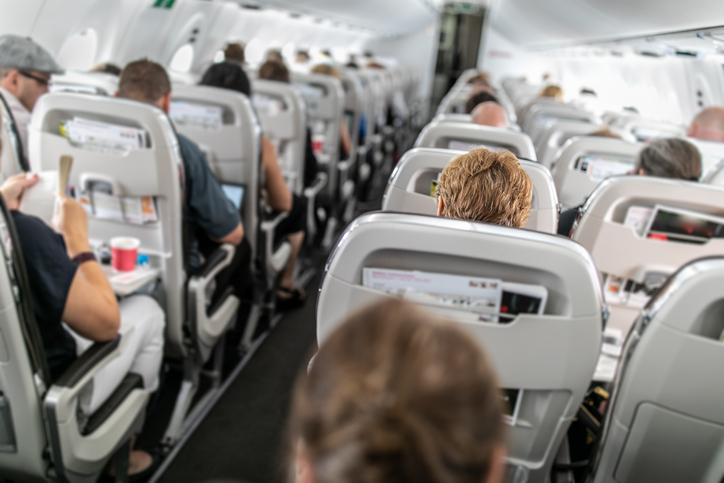
Sometimes, a shift in perspective can work wonders. Instead of focusing on what worries you about flying, try to see it as an opportunity. Consider the adventure awaiting you at your destination, or even the chance to catch up on reading or movies during the flight. Changing your focus from fear to opportunity can alter your emotional response to flying. This mindset shift doesn’t happen overnight, but intentional practice can steer your thoughts in a more positive direction.
Start by identifying what excites you about air travel. Maybe it’s the chance to explore new cultures, or perhaps the simple pleasure of taking time out for yourself. Remind yourself of these positives whenever anxiety creeps in. This conscious shift in focus can help ease tension and redirect your energy towards things you actually enjoy. Over time, you might find that your fear of flying diminishes as you train your mind to focus on the excitement rather than the unease.
11. Channel Your Creativity To Induce Calm

Channel your nervous energy into a creative outlet during your flight. Whether it’s doodling, knitting, or even writing, engaging in a craft can serve as a form of meditation. It provides a focal point for your mind, offering a distraction from any anxiety you might be experiencing. Plus, the sense of accomplishment from completing a small project can be incredibly satisfying. This hands-on approach can make the flight feel shorter and more enjoyable.
Integrating crafting into your flight routine requires a little preparation. Choose a portable project that’s easy to carry and doesn’t require too many materials. As you engage with your craft, let your mind fully immerse in the activity. The repetitive motions can be soothing, helping to calm your nerves and make time fly by. Over time, this practice can become a comforting habit, transforming your perception of flying from stressful to serene.
12. Watch A Comedy Marathon

Laughter is a powerful antidote to fear. When you’re feeling anxious about flying, indulging in a comedy marathon can help alleviate your worries. Queue up your favorite funny movies or TV shows before the flight and let humor become your travel companion. The physical act of laughing releases endorphins, which can significantly improve your mood and reduce stress. This approach turns your attention away from anxiety and allows you to enjoy the journey.
To maximize the effect, choose comedies that are light-hearted and engaging. Opt for shows that make you belly-laugh or movies you’ve loved for years. This familiarity can add an extra layer of comfort, contributing to an overall sense of well-being. As you immerse yourself in laughter, you may find that your fear takes a backseat. Over time, this joyful association with flying can help reframe your experience, making air travel a little less daunting and a lot more fun.
13. Ground Yourself By Practicing Gratitude

Turning your focus to gratitude can be a grounding experience when anxiety hits. Before and during your flight, take a moment to reflect on what you’re grateful for. It can be anything from the opportunity to travel and see new places to simply having a safe journey. By concentrating on the positives, you shift your mindset away from fear and towards abundance. This practice can transform your in-flight experience into a moment of reflection and appreciation.
Developing a gratitude habit requires consistency and intention. Consider keeping a small journal to jot down your thoughts or simply spending a few minutes in quiet contemplation. As you immerse yourself in gratitude, your perspective on flying may begin to change. The act of acknowledging what you’re thankful for can create a sense of peace and contentment. Over time, this practice can help reduce anxiety, making your flights not only manageable but also meaningful.


