

Language has always been a performance, and in today’s culture, certain words get overworked until they lose all meaning. You’ve probably heard them tossed around at dinner parties, on social media, or in office Slack channels—buzzwords that signal awareness but often feel more like posturing than real substance. They start as powerful ways to describe justice, identity, or progress, but after being repeated endlessly, they end up diluted, hollow, or even cringe.
1. Ally
The term “ally” has become almost ubiquitous in discussions around social justice. Originally, it was a powerful designation for those who support marginalized groups through action and advocacy. However, “ally” can lose its meaning when people use it as a self-proclaimed badge of honor without doing the necessary work. According to a 2022 article in The Atlantic, many people claim the title of “ally” without engaging in sustained, meaningful action, which can lead to performative activism. So, instead of just calling yourself an ally, make sure your actions align with your words.
When you truly act as an ally, you actively listen, learn, and advocate for those who are less privileged than you. It’s not merely about sharing posts on social media or attending the occasional protest. It’s about consistently using your platform to amplify marginalized voices and challenge systemic inequalities. True allyship involves ongoing education and the willingness to be uncomfortable. Remember, allyship is a journey, not a destination.
2. Intersectionality

“Intersectionality” is a term that has gained traction in recent years, primarily thanks to its importance in understanding layered identities. Coined by Kimberlé Crenshaw, it highlights how different aspects of a person’s identity can overlap, leading to unique experiences of discrimination or privilege. But be wary of using it as a catch-all term without grasping its complexities. Simply tossing “intersectionality” into a conversation doesn’t automatically make it more nuanced. Instead, take the time to understand how different identities intersect and influence each other in various contexts.
By truly understanding intersectionality, you can better appreciate the multifaceted nature of people’s experiences. It’s not just about recognizing that someone can belong to multiple marginalized groups, but also understanding how those identities interact. Take the time to listen to people’s stories and understand their lived experiences through an intersectional lens. This rich understanding will allow you to engage more thoughtfully and empathetically. Remember that intersectionality is about acknowledging complexity, not simplifying it.
3. Privilege

“Privilege” is one of those words that can make people uneasy, often because it feels accusatory. However, understanding privilege is essential to fostering a more equitable society. As explained by sociologist Michael Kimmel in his book “Privilege: A Reader”, privilege isn’t inherently negative; it’s what you do with your privilege that counts. Recognizing your own privileges allows you to use them for the benefit of others who might not share the same advantages. It’s about leveraging your position to challenge inequalities and support those who are marginalized.
Understanding privilege requires a level of introspection and honesty that can be challenging. It involves acknowledging the unearned advantages you might have, whether based on race, gender, socioeconomic status, or other factors. This acknowledgment isn’t about guilt; it’s about awareness. Use this self-awareness to inform your actions and advocate for systemic change. When you acknowledge privilege, you take a crucial step toward genuine allyship and solidarity.
4. Equity

“Equity” often gets used interchangeably with “equality,” though they are not the same thing. While equality means providing the same resources to everyone, equity accounts for the varying needs and circumstances of different groups. However, simply mentioning “equity” doesn’t solve disparities; it’s a framework for addressing needs based on fairness. To talk about equity effectively, you have to understand the specific challenges faced by different communities. This means listening to people’s stories and learning about the systemic barriers that exist.
Incorporating equity into your conversations requires a shift in perspective. It means moving beyond a one-size-fits-all approach and recognizing the unique needs of each group or individual. By focusing on equity, you aim to level the playing field in a way that accounts for existing imbalances. This can involve policy changes, community initiatives, or even personal actions that prioritize fairness. Remember, equity is about creating opportunities for all, not just a select few.
5. Safe Space

“Safe space” is a term that has gained popularity in educational and social justice circles. Originally, it described environments where marginalized groups could feel secure to express themselves without fear of judgment or harm. However, proclaiming a place as a “safe space” doesn’t automatically make it so. As pointed out by New York Times columnist Roxane Gay, truly safe spaces are created through intentional action and ongoing commitment. To foster a genuinely safe space, you must continually work to dismantle the barriers that make people feel unsafe.
Creating a safe space isn’t just about decorations or friendly slogans. It involves concrete actions like establishing clear guidelines for behavior, actively listening to concerns, and addressing issues when they arise. It means being willing to adapt and change based on feedback from those who use the space. By doing so, you ensure that the environment remains welcoming and inclusive for everyone. Remember, a safe space is a living concept that requires nurturing and attention.
6. Marginalized
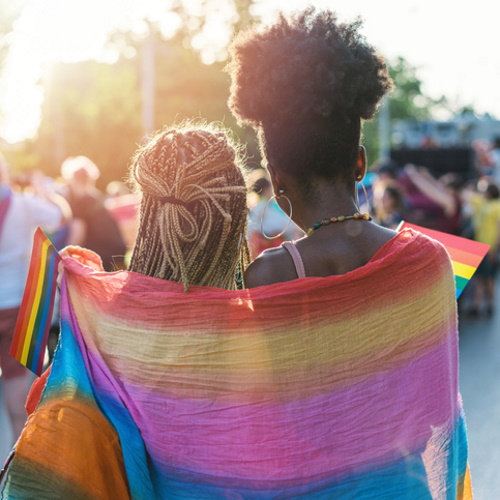
“Marginalized” is a key term when discussing social justice, but it’s often used without understanding its full implications. Being marginalized means more than just being underrepresented; it involves systemic exclusion from resources, opportunities, and rights. When you talk about marginalized communities, it’s crucial to consider the specific factors contributing to their marginalization. This might include historical, economic, or social dynamics that perpetuate inequality. To use the term effectively, you need to engage with these complex realities, not just use the word as a placeholder.
Understanding marginalization requires you to listen to the experiences of those who are affected. This means going beyond surface-level engagement and seeking out stories, studies, and historical context. By doing so, you can better appreciate the nuanced ways that marginalization operates in society. It’s also essential to recognize that marginalization isn’t a static condition; circumstances can change, and advocacy can make a difference. Remember, the term “marginalized” should lead to action, not complacency.
7. Triggered

The term “triggered” has become a catchphrase that is often misused or trivialized. Originally, it referred to the intense emotional response people with PTSD might experience when confronted with reminders of their trauma. However, its frequent use in everyday conversations has diluted its meaning, making it a punchline rather than a legitimate psychological term. According to Psychology Today, misusing “triggered” can minimize the serious experiences of those with mental health conditions. It’s essential to respect the term’s roots and use it appropriately.
When discussing the concept of being “triggered,” consider the genuine implications for those it affects. Using the term flippantly can contribute to the stigmatization of mental health issues. Instead, approach discussions with empathy and a desire to understand the impact of trauma. Recognize that for some people, being triggered is a real and painful experience that requires sensitivity. By using the term judiciously, you can contribute to a more respectful and informed dialogue.
8. Decolonize

“Decolonize” is a powerful term that carries a weighty legacy. It refers to the process of undoing colonial systems of power and reclaiming indigenous or marginalized cultures. The term has gained popularity in academia and social movements, but it requires more than just casual reference. Decolonization involves deep, systemic change and a commitment to alter how institutions operate. Simply throwing around the term without understanding its depth can render it a hollow gesture.
To genuinely engage with the concept of decolonization, you need to understand the histories and systems it seeks to dismantle. This involves educating yourself on colonial histories and their lasting impacts on various communities. It also means supporting movements and policies that aim to rectify these historical injustices. By doing so, you contribute to a broader effort to create a more equitable society. Remember, decolonization is about action and transformation, not just conversation.
9. Gaslighting

“Gaslighting” has emerged as a popular term for describing manipulative behavior, but it’s often used incorrectly. It originated from the 1938 play “Gas Light,” where a man manipulates his wife into questioning her reality. In today’s context, it refers to psychological manipulation that leads someone to doubt their perceptions. However, labeling all disagreements or discomforts as “gaslighting” can trivialize the term. To use it correctly, focus on situations where manipulation is intended to undermine someone’s sense of reality.
When you understand the true meaning of gaslighting, you can better identify it in genuine contexts. This involves recognizing patterns of behavior designed to confuse or destabilize someone. It’s essential to differentiate between deliberate manipulation and simple misunderstandings or disagreements. By doing so, you maintain the integrity of the term and its psychological implications. Remember, gaslighting is a serious form of manipulation that requires careful consideration.
10. Empowerment

“Empowerment” is a word that has become synonymous with self-help and motivational movements. The idea is to give people the tools and confidence to take control of their lives and make meaningful changes. However, empowerment can sometimes feel like an empty promise when used as a buzzword without actionable steps. It’s important to ground the concept in tangible actions and support systems. Instead of just talking about empowerment, focus on creating opportunities that enable people to thrive.
True empowerment involves more than just words; it requires resources, education, and support networks. It’s about removing barriers and providing the skills and tools necessary for people to succeed. When you talk about empowerment, consider how you can contribute to these efforts in a meaningful way. This might involve advocating for policies that promote equal opportunities or supporting community initiatives. Remember, empowerment is about creating lasting change, not temporary inspiration.
11. Nonbinary

“Nonbinary” is a term that describes gender identities outside the traditional binary of male and female. As awareness of nonbinary identities grows, so does the usage of the term. However, like many terms that enter mainstream discourse, it can be oversimplified or misunderstood. Nonbinary identities are diverse and can encompass a range of experiences and expressions. To use the term respectfully, strive to understand the complexities and nuances of nonbinary identities.
Educating yourself about nonbinary identities involves more than just learning definitions. It’s about listening to the experiences of nonbinary people and acknowledging the challenges they face. This might include issues related to recognition, legal rights, and social acceptance. By engaging with these topics, you can support nonbinary communities more effectively. Remember, understanding nonbinary identities requires openness and a willingness to learn.
12. Inclusive

“Inclusive” is an admirable goal, but it’s a word that is often thrown around without much substance. True inclusivity goes beyond token gestures and requires systemic change to ensure that everyone feels valued and represented. It’s easy to say that a space is inclusive, but ensuring it involves ongoing effort and evaluation. Instead of just labeling something as inclusive, focus on the specific measures that make it so. This might involve diverse representation, accessible resources, and equitable opportunities.
When you talk about inclusivity, consider the different dimensions that contribute to it. It’s not just about having a diverse group of people in the room; it’s about making sure their voices are heard and respected. Inclusivity involves breaking down barriers that prevent people from fully participating in society. By actively working toward this goal, you can help create environments where everyone can thrive. Remember, inclusivity is a continuous process, not a checkbox.
13. Normalize

“Normalize” is a popular term used to advocate for the acceptance of diverse identities, behaviors, and ideas. It suggests making something more common or standard in society. However, the repeated use of “normalize” can sometimes ignore the complexities involved in changing societal attitudes. Simply saying “let’s normalize this” often overlooks the nuanced discussions and actions required to effect real change. Instead of relying on the word alone, focus on the steps needed to shift perceptions and behaviors.
Changing societal norms involves more than just declaring something normalized. It requires challenging existing stigmas, fostering open dialogue, and creating supportive environments. By understanding the full scope of what it takes to normalize something, you can engage more effectively in these efforts. This might involve grassroots organizing, policy changes, or educational initiatives. Remember, normalizing is about altering the status quo, not just wishing for it.


