Boomer-era parenting was built on a very different set of assumptions—about kids, authority, discipline, and emotional toughness. What was once considered “normal” or even responsible now feels harsh, dismissive, or wildly outdated to many modern parents. From rigid rules to questionable discipline tactics, these old-school approaches often prioritized obedience over emotional health. Looking back, it’s no wonder so many of today’s parents are determined to do things differently.
1. Letting Kids Play Unsupervised
Back in the day, kids were often sent outside to play with little to no supervision for hours on end. The idea was that freedom fostered independence and creativity. You roamed the neighborhood, explored nature, and maybe even got into a bit of mischief—all without an adult in sight. Today, though, the idea of unsupervised play can make many parents nervous. According to a study by Dr. David Finkelhor at the University of New Hampshire, perceptions of safety have shifted significantly over the years, leading to a more protective approach.
Many modern parents prefer to keep a closer eye on their kids, often scheduling playdates or activities to ensure they are safe. With growing concerns about safety and a better understanding of child development, unsupervised play isn’t as widely accepted. Society now leans towards structured, supervised activities. Plus, with technology at our fingertips, it’s easy to keep track of where your kids are. Still, many parents miss the days when kids could just be kids without so much oversight.
2. Disciplining Them With A Firm Hand

Back in the boomer days, using a firm hand was seen as a necessary part of discipline. Parents didn’t think twice about giving a swift spank when a child misbehaved. The idea was that physical punishment would teach kids right from wrong and instill discipline. Today, however, many parents and experts argue that this approach can have negative long-term effects. There’s a greater focus on understanding a child’s behavior and using positive reinforcement instead.
The shift in perspective is supported by research showing that corporal punishment can lead to increased aggression and mental health issues in children. Parents today are encouraged to use more constructive methods of discipline, like time-outs or taking away privileges. There’s a push to understand the root cause of behavior rather than just punishing the action. While some might argue that the older methods were effective, the trend leans towards more empathetic and supportive parenting strategies.
3. Insisting They Go to Bed Super Early

Back in the day, bedtime was often non-negotiable, and it was pretty early. Parents believed early bedtimes were crucial for growth and good behavior. You’d find yourself tucked in long before you were actually tired. Today, while routines are still important, there’s more emphasis on understanding a child’s natural sleep patterns. According to sleep expert Dr. Jodi A. Mindell, it’s beneficial to consider individual needs rather than sticking rigidly to a one-size-fits-all bedtime.
Modern parents often let their kids stay up a bit later, especially as they get older, to ensure they have quality family time or to accommodate after-school activities. The focus is more on ensuring kids get enough sleep overall, rather than strictly enforcing a particular bedtime. Flexibility allows parents to respond better to the needs of their children. In this new paradigm, the well-being of the child takes precedence over rigid routines. It’s about finding a balance that works for everyone.
4. Telling Them to “Suck It Up.”

In the boomer era, emotional expression wasn’t exactly encouraged in many households. Kids were often told to “suck it up” or “stop crying,” believing that showing emotion was a sign of weakness. Parents thought they were teaching resilience and stoicism. Nowadays, there’s a much greater awareness of the importance of emotional intelligence. Many parents now strive to create an environment where children feel safe to express their emotions.
Instead of dismissing a child’s feelings, today’s parents are more likely to encourage open discussions about emotions. Teaching kids to understand and articulate their feelings is seen as a critical part of development. This approach helps children manage their emotions better and fosters healthier relationships. Society recognizes the value of emotional education much more than in previous generations. The goal is to raise emotionally intelligent and empathetic individuals.
5. Making Them Eat What They’re Given

It wasn’t uncommon for parents to insist that kids clean their plates at every meal. You ate what was served, and asking for alternatives was often not an option. This approach was rooted in the idea of not wasting food and teaching kids to be grateful for what they had. Today, there’s a shift towards recognizing individual preferences and balanced nutrition. Registered dietitian Jennifer Anderson emphasizes the importance of letting children listen to their own hunger cues and preferences.
Modern parents often take a more flexible approach to meals, sometimes catering to different tastes or dietary needs. Many encourage kids to try new foods, but don’t force them to eat something they genuinely dislike. The focus is more on balanced nutrition and fostering a positive relationship with food. This shift reflects a broader understanding of nutrition and child psychology. It’s about encouraging healthy eating habits without the pressure.
6. Giving Them No Sense of Privacy

In the boomer era, the concept of privacy for kids was pretty limited. Parents felt it was their right to know everything about their child’s life. Bedrooms often had open-door policies, and diaries were sometimes fair game. The idea was that parents needed to stay involved and informed to guide their children properly. Today, there’s a greater respect for a child’s privacy and individuality.
Modern parenting often involves giving kids their own space to grow and develop independence. Parents are encouraged to respect boundaries and foster open communication rather than prying. This doesn’t mean a lack of involvement, but rather a more respectful approach to a child’s growing autonomy. The emphasis is on trust and mutual respect. It’s about guiding your child while also giving them the freedom to learn and grow independently.
7. Insisting They Respect Authority

Back then, if an adult said something, you listened, no questions asked. Respecting authority was a big deal, and questioning it was often not tolerated. Parents believed that this respect was essential for discipline and order. However, recent insights from child psychologist Dr. Laura Markham suggest that encouraging critical thinking and questioning can foster more informed and confident individuals.
Today, many parents encourage their kids to ask questions and think critically about what they’re told. The idea is to empower children to express their thoughts and challenge ideas respectfully. This shift reflects a more democratic approach to parenting, where children are seen as individuals with their own voices. It’s about creating an environment of mutual respect and understanding. Encouraging questions can lead to important conversations and learning opportunities.
8. Keeping Money Matters Secret

In the boomer days, money matters were often considered adult business, not to be discussed with children. Parents kept financial stress and discussions away from kids, thinking it was best to shield them from adult concerns. The belief was that kids should focus on being kids without the burden of financial worries. Today, many parents see the value in teaching kids about money from an early age. It’s about preparing them for the future and fostering financial literacy.
Modern parenting often involves age-appropriate discussions about money, saving, and spending. Parents might give kids allowances to teach them about budgeting and the value of money. This openness helps demystify finances and prepares children for real-world responsibilities. The goal is to equip kids with the tools they need to manage their own finances wisely. It reflects a shift towards transparency and education over protection.
9. Enforcing Strict Gender Roles

Gender roles were much more rigid in the past, with clear expectations for boys and girls. Boys were expected to be tough and unemotional, while girls were encouraged to be nurturing and delicate. Parents believed that adhering to these roles would prepare their children for adult life. However, today’s parents often encourage children to explore their interests and identities without the constraints of traditional gender roles.
The modern approach recognizes that children are individuals with unique personalities and capabilities, regardless of gender. Parents now strive to offer a more open and supportive environment where kids can pursue their passions. Encouragement is based on interest and ability, not gender. This shift allows children to develop a stronger sense of self and confidence. It’s about allowing kids to be who they truly are.
10. Dishing Out Old-School Punishments

Boomer parents weren’t afraid to dole out old-school punishments like writing lines or standing in the corner. The belief was that these actions would instill discipline and deter bad behavior. They were seen as effective ways to teach consequences and correct misbehavior. Nowadays, many parents are moving away from these punitive measures. The focus is more on understanding behavior and finding constructive solutions.
Modern discipline often involves more dialogue and understanding the reasons behind a child’s behavior. Parents aim to teach lessons through empathy and communication rather than fear or humiliation. This approach is about helping children learn from their mistakes in a supportive environment. It reflects a shift toward more effective and compassionate parenting techniques. The goal is to guide rather than punish.
11. Not Allowing Them to Watch TV
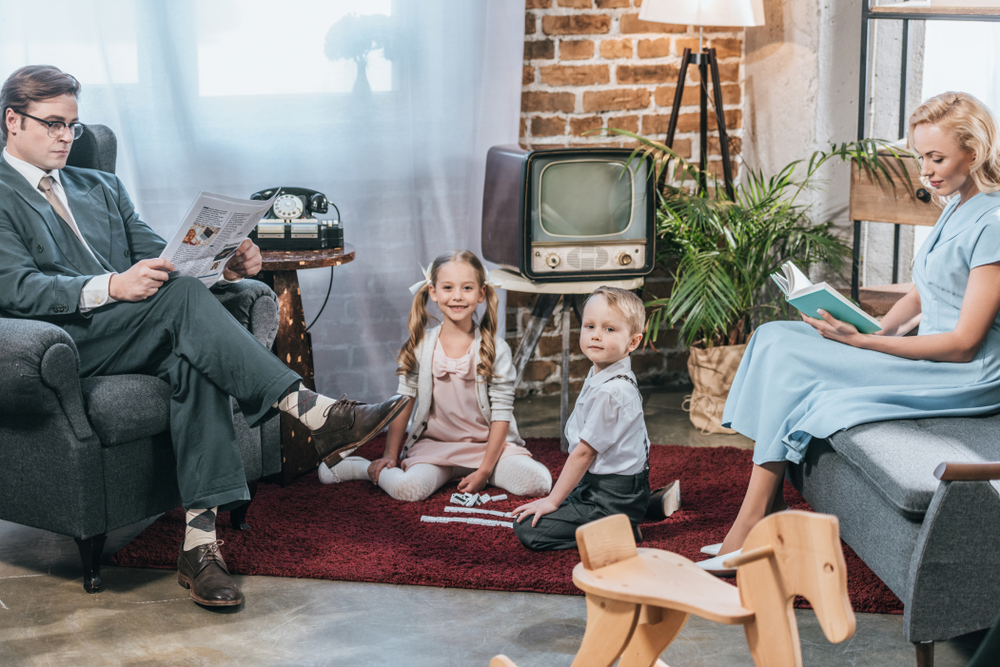
In the boomer era, screen time didn’t dominate discussions about parenting. With limited technology, kids watched TV, but it wasn’t a major concern. The primary focus was on outdoor play and social interactions. Today, the conversation around screen time is front and center, as devices play a significant role in daily life. Parents often grapple with how much screen time is appropriate.
Modern parents have to navigate the digital world and decide what balance works best for their family. There’s a greater emphasis on ensuring that screen time is educational and interactive rather than passive. Parents are encouraged to guide their children’s media consumption and ensure it aligns with developmental goals. It reflects a new challenge that wasn’t an issue in the past. The aim is to use technology positively without letting it overshadow other important activities.
12. Enforcing the Tough Love Parenting Style

“Tough love” was a favored approach by many boomer parents, believing that strictness would produce resilient, disciplined kids. Parents thought that by being hard on their children, they would prepare them better for the hardships of life. This often meant withholding affection and being firm with rules. In contrast, today’s parents lean towards a more nurturing style, emphasizing the importance of love and support. They believe that a supportive environment helps children become confident and well-adjusted.
Current parenting philosophies prioritize emotional connections and understanding between parents and children. Many parents now recognize the importance of balancing structure with warmth and empathy. The focus is on fostering a loving relationship while guiding children positively. This approach reflects a broader understanding of child psychology and the importance of emotional health. It’s about encouraging growth through love, not fear.
13. Telling Them They Should Be “Seen And Not Heard.”

Boomer parents often adhered to the idea that children should be “seen and not heard.” The focus was on obedience and respect rather than self-expression. Parents believed that children should listen rather than speak up or voice their opinions. Today, this approach is largely considered outdated. Parents now encourage kids to express themselves and participate in conversations.
Modern parenting values a child’s voice and encourages open dialogue within the family. This shift fosters a sense of belonging and confidence in children, helping them feel valued and understood. Parents today are more likely to engage with their children in discussions and consider their perspectives. It’s about fostering an environment where everyone feels heard and respected. This change reflects a broader cultural shift towards valuing individual expression.
14. Refusing to Give Them Any Praise

In the past, many parents believed that too much praise could lead to arrogance and entitlement. Achievements were often acknowledged with a simple nod or a brief comment. The focus was on encouraging kids to work hard without expecting accolades. These days, however, parents are more likely to celebrate their children’s achievements and offer praise. The emphasis is now on building self-esteem and confidence.
Modern parenting recognizes the power of positive reinforcement and encouragement. Many parents understand that acknowledging efforts and achievements can motivate kids to strive for more. This approach helps children develop a healthy sense of self-worth and determination. The idea is to support and encourage rather than withhold praise. It’s about finding a balance that fosters growth and confidence.