

Keeping your home clean can sometimes feel like a never-ending task. You might think you’re doing a great job, but some common cleaning habits may actually be leaving your house dirtier than it should be. It’s easy to overlook these small mistakes, especially when life gets busy or when you pick up cleaning tips from unreliable sources. Let’s break down some of these cleaning blunders so you can tidy up effectively and enjoy a truly clean home. Here are 14 cleaning mistakes you might be making and how to fix them.
1. Using Dirty Cleaning Tools
Cleaning with dirty tools is like trying to wash your face with a muddy cloth. You might be spreading germs and grime around instead of getting rid of them. Take your mop, for instance; if you don’t clean it regularly, it can end up leaving filthy water streaks on your floors. The same goes for your cleaning cloths and sponges; they can harbor bacteria if left damp or unwashed for too long. According to Dr. Charles Gerba, a microbiologist at the University of Arizona, kitchen sponges can contain more bacteria than a toilet seat, making it crucial to sanitize or replace them frequently.
To solve this, make sure to wash or replace your cleaning tools regularly. Toss your dishcloths and sponges in the washing machine every few days and let them dry completely before using them again. For mops, rinse them thoroughly after use and store them in a way that allows them to dry out. Consider using washable microfiber cloths, which are easy to clean and reuse. By paying attention to the cleanliness of your cleaning tools, you’ll be one step closer to a cleaner home.
2. Ignoring High-Touch Surfaces
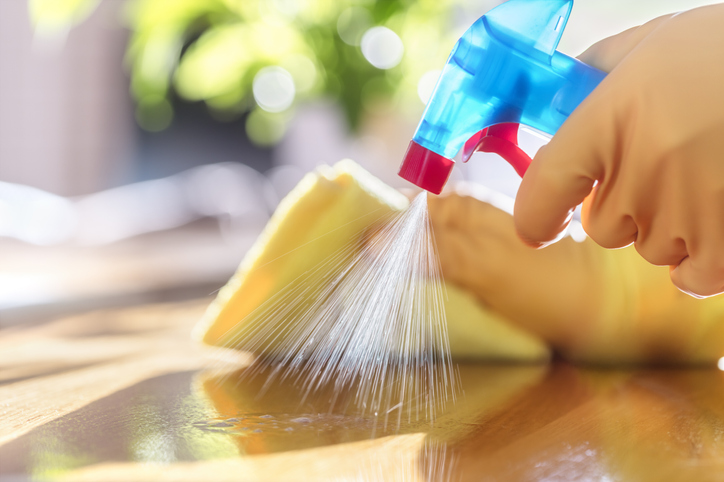
High-touch surfaces like light switches, door handles, and remote controls often get overlooked during regular cleaning. These spots are breeding grounds for germs because they’re used so frequently throughout the day by everyone in the house. You might focus on dusting and vacuuming while these germ hotspots remain untouched. Not cleaning these areas regularly can contribute to the spread of germs and make your house look and feel less clean than it actually is. Keeping these areas clean is especially important during cold and flu season.
To address this, make it a habit to wipe down high-touch surfaces every few days with a disinfectant. Use wipes or a cloth dampened with a solution that can kill bacteria and viruses effectively. Pay extra attention to areas that get used the most, and don’t forget about less obvious places like cabinet handles or fridge doors. This simple habit can significantly reduce the spread of germs throughout your home. You’ll soon notice how much fresher and cleaner these areas feel.
3. Using Too Much Cleaning Product

More isn’t always better, especially when it comes to cleaning products. Using too much can leave a residue that attracts more dirt and grime, making your surfaces sticky and dull. This is especially true for products like floor cleaners and laundry detergents. A study by Consumer Reports found that using more detergent than needed doesn’t make your clothes cleaner; in fact, it can make them dingy over time. Overuse of products can also lead to a buildup that’s difficult to rinse away, complicating the cleaning process further.
To avoid this mistake, always follow the instructions on the product label. Measure out the recommended amount, and remember that a little goes a long way. If you’re cleaning with a spray, a couple of spritzes are usually enough to cover an area. For laundry, consider using high-efficiency detergents that are designed to work well in smaller amounts. Sticking to the right amounts will not only save you money but also ensure that your surfaces and clothes stay cleaner for longer.
4. Forgetting To Clean Vacuum Filters

If you’ve noticed that your vacuum isn’t picking up as much dirt as it used to, the filter might be to blame. Vacuum filters are essential for trapping dust and allergens, but when they’re clogged, they can’t do their job effectively. You might end up recirculating dust back into the air instead of capturing it. This oversight can make your cleaning efforts feel pointless, as rooms won’t feel as fresh as they should. Moreover, failing to clean or replace filters can cause your vacuum cleaner to work harder, potentially leading to costly repairs or replacements.
To keep your vacuum working efficiently, check the filter regularly and clean it according to the manufacturer’s instructions. Some filters are washable, while others need to be replaced after a certain period. Be proactive in maintaining your vacuum; this extends its life and ensures it operates at peak performance. If you’re unsure how often to clean or replace the filter, consult the manual that came with your vacuum or check the manufacturer’s website. Taking care of this small detail can make a big difference in your cleaning routine.
5. Overlooking The Shower Curtain

The shower curtain is an easy spot to forget during cleaning sessions, but it can become a mold magnet if ignored. Mold and mildew thrive in damp environments, and your shower curtain is no exception. If you notice a musty smell or see spots forming, it’s time to take action. Mold not only looks unpleasant, but it can also affect your health, especially if you’re sensitive to allergens. Dr. Neil Schachter, a pulmonologist at the Mount Sinai School of Medicine, emphasizes the importance of minimizing mold exposure to reduce potential respiratory issues.
To keep your shower curtain fresh, wash it regularly according to its care instructions. Many fabric curtains can be tossed in the washing machine with some mild detergent and a couple of towels to help scrub away grime. For plastic curtains, a soak in a mixture of water and vinegar can help remove mildew. Make sure to let your curtain dry completely after use by leaving it open to air out. Regular maintenance will keep your bathroom smelling fresh and free from mold.
6. Not Dusting Before Vacuuming

If you vacuum before dusting, you’re not cleaning as efficiently as you could be. Dusting after vacuuming can leave particles to settle on freshly cleaned floors, making them dirty again. It’s a classic mistake that can undo all your hard work in no time. The key is to clean from the top down, so any dust you dislodge from higher surfaces gets picked up during the vacuuming process. This approach ensures that you’re not just moving dirt around, but actually removing it from your home.
To improve your cleaning routine, start by dusting high surfaces like shelves, windowsills, and furniture. Use a microfiber cloth or a duster to trap dust rather than just push it around. Once you’ve tackled the dusting, move on to vacuuming the floors. Be thorough, especially in corners and hard-to-reach areas where dust tends to accumulate. By following this order, you’ll achieve a more thorough clean, and your home will look and feel much fresher.
7. Neglecting Baseboards

Baseboards often get overlooked, but they can collect a surprising amount of dust and dirt over time. When you skip cleaning them, you might notice that your rooms still seem dingy, no matter how clean the floors are. Dusty baseboards can also detract from the overall appearance of a room, making it look less polished. A study published in the Journal of Environmental Health found that dust accumulation can contribute to poor indoor air quality, highlighting the importance of thorough cleaning practices. Regular cleaning of baseboards can help maintain a cleaner, healthier home environment.
To keep your baseboards in tip-top shape, incorporate them into your regular cleaning routine. A quick wipe with a damp cloth or a pass with a vacuum’s brush attachment can make a big difference. For stubborn dirt spots, a gentle cleaning solution and a soft sponge should do the trick. Pay attention to corners and edges, where dust tends to build up. By keeping your baseboards clean, you’ll enhance the overall cleanliness and appearance of your home.
8. Skipping The Dishwasher Filter

If your dishwasher isn’t getting your dishes as clean as it used to, a clogged filter might be the reason. Food particles and debris can get trapped in the filter, reducing the appliance’s effectiveness over time. Ignoring this part of your dishwasher might mean you’re washing your dishes with dirty water, leaving them less clean than expected. It’s a common oversight, but one that can easily be remedied with a bit of regular maintenance. A clean filter not only helps your dishwasher perform better but also extends its lifespan.
To ensure your dishwasher is in top form, make a habit of cleaning the filter monthly. Start by removing the bottom rack to access the filter, then take it out and rinse it under hot water. Use a soft brush to remove any stubborn debris. Once clean, pop it back in place and continue using your dishwasher as usual. By taking care of this small task, you’ll improve your dishwasher’s performance and keep your dishes sparkling clean.
9. Overlooking Ceiling Fans

Ceiling fans are great for circulating air and keeping rooms comfortable, but they can also accumulate a lot of dust. When you turn them on, that dust can get scattered around the room, settling on furniture and floors. Skipping the cleaning of ceiling fan blades can lead to a dustier home overall. It’s easy to forget about them because they’re out of sight, but regular cleaning is essential for maintaining a clean environment. Plus, keeping your fans clean can improve their efficiency and prolong their lifespan.
To keep your ceiling fans clean, make it a point to dust them every few weeks. Use a long-handled duster or a pillowcase to trap dust without making a mess. If the blades are particularly dirty, a damp cloth can help remove stubborn grime. Make sure to clean both the top and bottom of each blade for the best results. By staying on top of this task, you’ll prevent dust from circulating and ensure your home stays cleaner.
10. Forgetting About Trash Bins

Emptying the trash is one thing, but cleaning the trash bin itself is often forgotten. Over time, spills and leaks can occur, leaving behind unpleasant odors and bacteria. This can contribute to a less-than-fresh atmosphere in your kitchen or any room with a trash bin. Regular cleaning of your trash bins is essential for keeping odors at bay and maintaining a healthy home environment. Neglecting this task is a surefire way to make your house feel dirtier than it should.
To keep your trash bins clean, give them a thorough scrub every few weeks. Use a mixture of dish soap and water, or a disinfectant spray, to clean the interior and exterior. Make sure to rinse thoroughly and let the bin dry completely before putting a new bag in. For added freshness, consider sprinkling some baking soda at the bottom of the bin to absorb odors. A clean trash bin will help your home smell better and feel more welcoming.
11. Not Cleaning Under Furniture

It’s easy to skip cleaning under heavy furniture when you’re in a hurry, but doing so can lead to a buildup of dust and allergens. Areas under beds, couches, and large cabinets can become dust traps that affect your home’s air quality. Ignoring these spots means you’re not achieving a thorough clean, and you might find that your efforts elsewhere seem less effective. Regularly cleaning under furniture can make a noticeable difference in how clean your home feels and looks. Dust and allergens can also contribute to respiratory issues, so it’s worth the effort to tackle these hidden spots.
To clean under furniture effectively, use a vacuum with a hose attachment or a long-handled duster. If possible, move smaller pieces of furniture to reach the area underneath. For heavier items, use a flat duster or mop that can slide under the furniture. Regularly addressing these areas will help maintain a cleaner home and improve the overall air quality. You’ll be surprised at the difference it makes in creating a truly clean living space.
12. Overuse Of Air Fresheners

While air fresheners can temporarily mask odors, relying on them too heavily can lead to a less clean home. They often contain chemicals that can linger and contribute to indoor air pollution. Instead of eliminating the source of the odor, air fresheners can mix with existing smells, resulting in an overpowering, artificial scent. It’s like putting a band-aid on a larger issue, making your house smell less fresh than you might think. Experts suggest that a clean home should smell like nothing at all, which is a sign that odors have been effectively removed.
To tackle odors at the source, identify and clean the spots causing them, such as trash bins, sinks, or carpets. Use natural options like baking soda or vinegar to neutralize odors without introducing chemicals into your home. Ensure good ventilation by opening windows or using exhaust fans to keep the air fresh. If you do use air fresheners, opt for natural or less chemically intensive options. By addressing the root cause of odors, your home will feel cleaner and more inviting.
13. Neglecting Window Tracks

Window tracks can collect a surprising amount of dirt, dust, and even mold if not cleaned regularly. Overlooking these areas can make your windows look grimy and obstruct the smooth opening and closing of the windows. Cleaning window tracks is often forgotten because it requires a bit more effort, but the results are worth it. Dirty tracks can also contribute to indoor allergens and impact the overall cleanliness of your home. Paying attention to these small details can make a noticeable difference in your home’s appearance and air quality.
To keep window tracks clean, start by vacuuming out loose debris with a brush attachment. Follow up with a damp cloth or sponge to wipe away dirt and grime. For stubborn spots, a toothbrush and a bit of soapy water can be effective. Regular maintenance will ensure your windows function smoothly and look their best. Clean window tracks are an easy way to improve your home’s cleanliness and highlight the beauty of your windows.
14. Overlooking Pet Areas

Pet areas, including beds, litter boxes, and feeding stations, can become dirty quickly and contribute to odors if not cleaned regularly. It’s easy to forget about these spots during your usual cleaning routine, especially when you’re focused on more visible areas. However, neglecting pet areas can lead to a build-up of hair, dirt, and bacteria, affecting the overall cleanliness of your home. Regular cleaning of these areas can help control pet odors and create a healthier environment for both you and your furry friends.
To keep pet areas clean, make a habit of washing pet bedding and cleaning litter boxes or cages frequently. Use a vacuum to remove hair and debris from around feeding stations and other pet-frequented spots. Wipe down surfaces with a pet-safe cleaner to eliminate odors and bacteria. Consistent cleaning will not only improve your home’s cleanliness but also keep your pets happier and healthier. By giving attention to these areas, you’ll contribute to a fresher, more inviting home.


