

While the U.S. has its own quirky customs, other countries have traditions and behaviors that might make you raise an eyebrow or two. Whether it’s the way people greet each other or how they handle their food, these cultural quirks can be surprising and sometimes bewildering. Here are 14 cultural norms from around the world that Americans often find a bit absurd—but also fascinating.
1. Having a Siesta in Spain
In Spain, the afternoon siesta is more than a nap—it’s a cherished tradition. Americans, used to their non-stop hustle, might find this practice baffling. After lunch, many shops close, and people take a break to rest, recharge, or spend time with family. According to a BBC report, this custom is especially prevalent in smaller towns where the pace of life is slower. While the idea of daily downtime sounds appealing, it’s not always practical in an American work culture that values productivity above all else.
Yet, this midday pause is rooted in centuries-old tradition and is seen as a way to enhance overall well-being. For Spaniards, it’s an opportunity to avoid the afternoon heat and come back to work refreshed. It’s a lifestyle choice that prioritizes balance, something that can be hard to come by in the fast-paced American lifestyle. While some urban areas in Spain are moving away from the siesta, its cultural significance remains strong. Embracing the siesta might just be the mindset shift you didn’t know you needed.
2. Slurping Noodles in Japan
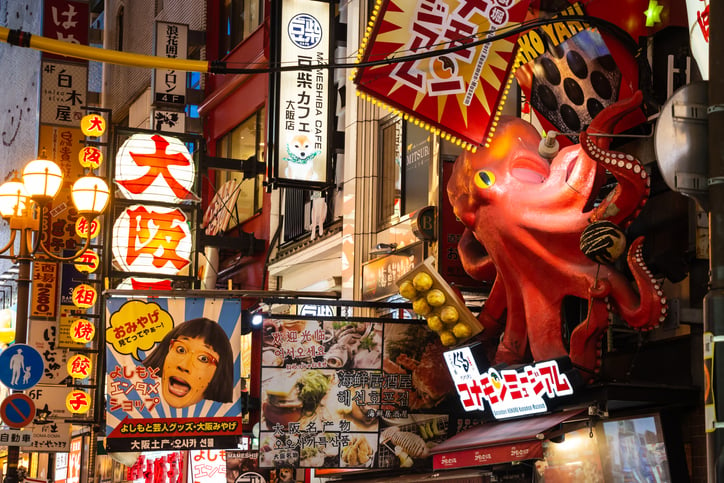
In Japan, slurping your noodles isn’t just acceptable—it’s encouraged. For Americans taught to eat quietly, this habit can be a bit shocking. The louder you slurp, the more you show appreciation for the meal, especially if it’s a steaming bowl of ramen or soba. This concept might seem strange, but in Japan, it’s considered polite and even a compliment to the chef. It’s a cultural nuance that turns the American etiquette of silence at the table on its head.
Slurping also serves a practical purpose, as it helps cool down hot noodles while enhancing the flavors. While you might be hesitant at first, trying this tradition can make for a fun and immersive dining experience. Plus, it’s a chance to let go of any dining inhibitions and embrace the lively spirit of Japanese food culture. If you ever find yourself in a Tokyo noodle joint, don’t shy away from making some noise. After all, when in Rome—or Tokyo—do as the locals do.
3. Saying “No” in India

In India, nodding your head can mean “no,” and shaking it can mean “yes.” This head bobble can be perplexing for Americans used to more straightforward body language. The head bobble is a common gesture that can indicate agreement, understanding, or a polite refusal. A 2014 article from The New York Times highlighted how these non-verbal cues can lead to amusing misunderstandings for first-time visitors. Understanding these gestures takes some time, but it’s an essential part of connecting with locals.
The head bobble is a testament to India’s diverse cultural landscape, where communication is rich in nuance. It reflects a society that values indirect communication and subtlety, contrasting with the directness often valued in American interactions. If you’re traveling in India, it’s worth observing these gestures to better understand the context. Once you get the hang of it, the head bobble becomes an endearing part of the travel experience. It’s one of those cultural quirks that leaves a lasting impression.
4. Enforcing Personal Space in Scandinavia

Scandinavians cherish their personal space, and it’s more noticeable here than in many other places. For Americans, who are generally comfortable with casual touch or closer proximity, this can feel a bit distant. In countries like Sweden and Norway, people stand further apart when talking and rarely hug upon greeting. This preference reflects a cultural emphasis on personal boundaries and respect for others’ space. It’s not about being unfriendly; it’s just a different way of interacting.
This approach to personal space often translates to quieter public spaces, like buses and trains. You’ll find people keeping to themselves, absorbed in a book or their own thoughts. While it might seem aloof, this respect for personal space is something many Americans might find refreshing. It offers a peaceful, introspective moment in a world that’s constantly buzzing. When in Scandinavia, embracing this reserved demeanor can make for a calming experience.
5. No Tipping in Japan

Tipping in Japan is often seen as unnecessary or even offensive. In the U.S., leaving a tip is customary, and not doing so can be considered rude. However, in Japan, excellent service is expected, and the price you pay reflects that standard. The Travel Channel notes that tipping can create confusion and embarrassment in Japan, as the focus is on providing good service with dignity. Instead of tips, customers might show appreciation by returning to the establishment.
Japanese service providers take pride in their work, seeing it as a reflection of themselves rather than a transaction. This cultural norm encourages a genuine commitment to hospitality that feels refreshingly sincere. While the absence of tipping might initially feel awkward for Americans, it can also be liberating. It offers a reminder that not everything needs to have an additional cost, especially not impeccable service. When dining in Japan, simply enjoy the experience without the pressure of calculating a tip.
6. Shoes Off in Nordic Homes

In the Nordic countries, removing your shoes before entering a home is a well-established custom. Americans might find this a bit of a hassle, especially when not prepared for the situation. However, this tradition is all about maintaining cleanliness and respect for the household. It’s a gesture that shows consideration for the home’s sanctity and the comfort of its occupants. While it requires a bit of adjustment, it’s a simple act that carries significant meaning.
The practice extends beyond homes, as it’s often expected in schools and even some offices. Leaving shoes at the door keeps spaces cleaner, especially during snowy or rainy weather. It’s an eco-friendly habit that minimizes dirt and reduces cleaning efforts, aligning with the region’s emphasis on sustainability. If you’re planning a visit, consider packing a pair of indoor-friendly slippers. Embracing this custom can lead to a more authentic and courteous travel experience.
7. Kissing on the Cheeks in France

In France, greeting someone with cheek kisses is the norm, which can feel quite personal for Americans. While a handshake or hug suffices in the U.S., the French “bise” involves kissing both cheeks. A study from the University of Savoie Mont Blanc noted that this practice is deeply rooted in French social customs. The number of kisses can vary by region, adding another layer of complexity to what might seem a simple greeting. It’s a cultural tradition that emphasizes closeness and familiarity.
For visitors, the cheek kiss can be an intimidating gesture to navigate. Yet, it’s an essential part of interacting with locals and embracing French culture. The act is less about actual kissing and more about the connection it symbolizes. It’s a chance to break down formal barriers and engage on a more personal level. Once you get accustomed to it, the “bise” becomes a charming aspect of French social life.
8. Drinking Tea as a Ritual in the UK

In the UK, tea is more than just a beverage—it’s a ritual steeped in tradition. Americans, who might quickly sip a coffee on the go, can find the ceremonious nature of tea time intriguing. It’s an opportunity to pause, converse, and enjoy the moment, often with biscuits or scones. This custom represents a break from the day-to-day rush and encourages mindfulness. While it might seem quaint, it’s a practice that many find comforting and grounding.
Afternoon tea is a time-honored tradition that encompasses etiquette and social interaction. It’s a gathering that brings people together, whether at home or in a cozy tea room. For those unaccustomed, the array of teas and formal settings can feel a bit formal. However, embracing this tradition offers a glimpse into British culture and its emphasis on hospitality. It’s an experience that invites you to slow down and savor the simple pleasures of life.
9. Eating with Your Hands in India

In India, eating with your hands is commonplace and considered a way to connect with your food. For Americans used to forks and knives, this can seem a bit uncivilized at first. However, this practice is deeply rooted in cultural and spiritual beliefs. It’s said to enhance the sensory experience of eating, allowing you to enjoy the texture and flavors more fully. By using your right hand, you engage more authentically with the meal.
Learning to eat this way can be a fun and liberating experience. It encourages you to be present, appreciating each bite as part of a larger cultural tradition. While it might feel strange initially, adapting to this norm offers a deeper understanding of Indian dining customs. It’s a simple yet profound way to engage with local culture and connect with the community. Next time you’re in India, don’t hesitate to ditch the cutlery and dive in hands-first.
10. Public Displays of Affection in Italy

In Italy, public displays of affection are a common and accepted part of everyday life. For Americans, who might be more reserved in public settings, this can be a bit surprising. Italians are known for their warmth and expressiveness, and it shows in how they interact with loved ones. Holding hands, hugging, and even kissing in public are normal and celebrated. This openness reflects the Italian emphasis on love, passion, and human connection.
Italians see these displays as a natural extension of their rich emotional culture. It’s a way to express genuine feelings without reservation or judgment. For those visiting, witnessing such affection can feel refreshing and liberating. It invites you to embrace a more open-hearted way of living and interacting with those around you. If you find yourself in Italy, allow yourself to be swept up in the spirit of love and connection that permeates the streets.
11. Sauna Culture in Finland

In Finland, saunas are a fundamental part of life, offering a place for relaxation and socializing. Americans might find the idea of sitting naked in a hot room with strangers a bit daunting. However, in Finland, it’s a cherished tradition that transcends social boundaries. Saunas are seen as a space for cleansing both body and mind, promoting a sense of community and well-being. It’s a cultural norm that emphasizes simplicity, nature, and the value of disconnecting.
Finns view the sauna as a sacred space, where hierarchy and status fade away. It’s a place where everyone is equal, fostering a unique sense of camaraderie and openness. This tradition is not just about physical relaxation; it’s a mental respite from the everyday hustle. For those willing to embrace it, the sauna offers a profound cultural experience that goes beyond mere heat. It invites you to slow down, reflect, and connect on a deeper level.
12. Eating Late in Spain

In Spain, dinner is often served as late as 9 or 10 PM, which can be quite the adjustment for Americans. Accustomed to earlier meal times, this shift can be a challenge for those traveling to Spain. However, late dining is a deep-seated tradition that aligns with the country’s vibrant nightlife and social culture. It reflects a lifestyle that prioritizes socializing and leisure late into the evening. For Spaniards, dinner is a time for family, friends, and lively conversation.
This late-night dining schedule allows for a relaxed and unhurried approach to meals. It often involves multiple courses, encouraging diners to savor their food and enjoy each other’s company. While it might disrupt your usual routine, embracing this dining culture offers a delightful taste of Spanish life. It’s a chance to experience the warmth and hospitality that define the country’s culinary scene. Adjusting to Spain’s dining schedule might just change your perspective on how meals should be enjoyed.
13. Refusing a Gift in China

In China, it’s customary to refuse a gift once or twice before accepting it. For Americans, who might see this as impolite, the practice can be confusing. However, this ritual is rooted in the cultural value of humility and modesty. The giver and receiver engage in a polite exchange to show respect and gratitude. It’s a tradition that underscores the importance of relationships and social harmony in Chinese culture.
This practice emphasizes the symbolic nature of gifting, where the act of giving is more significant than the gift itself. It reflects a culture that prizes reciprocity and mutual respect. For those unaccustomed, it might take some getting used to, but it’s a meaningful gesture worth embracing. By participating, you demonstrate cultural sensitivity and an appreciation for the nuances of Chinese customs. When in China, remember that sometimes a little politeness goes a long way.
14. Queuing Up in the UK

In the UK, queuing is practically an art form, with people lining up patiently for everything. Americans, who may be more accustomed to a free-for-all approach, might find this amusingly formal. The British have a deep-seated respect for the orderly queue, viewing it as a hallmark of civility. It reflects a cultural emphasis on fairness, patience, and respect for others’ time. Joining a queue in the UK means adhering to an unspoken social contract.
The practice of queuing is so ingrained that it’s almost second nature, making it a quintessentially British experience. While it might seem overly structured, it promotes an efficient and respectful way of managing public spaces. For visitors, it’s a lesson in patience and the value of waiting your turn. Embracing this custom can lead to smoother interactions and a deeper appreciation for British etiquette. Next time you’re in the UK, remember: good things come to those who queue.


