
When you think about zoos, you might picture a fun day out with family or the chance to see exotic animals up close. But beneath the surface, there’s a side of zoos that most visitors never get to see. While zoos can play a role in conservation and education, they also have their downsides. These less visible aspects are as real as the animals you’ll find there. So, let’s dive into the dark realities of zoos that aren’t on display with the animals.
1. Limited Space

Zoo animals often live in enclosures that are much smaller than their natural habitats. They’re deprived of the freedom to roam vast distances like they would in the wild. This lack of space can lead to stress, boredom, and even mental health issues in animals. According to Dr. Vint Virga, a veterinarian and animal behaviorist, confinement can significantly impact an animal’s well-being, leading to repetitive behaviors known as “zoochosis.” It’s a reality that many visitors overlook while enjoying their day at the zoo.
When animals are kept in limited spaces, they can’t engage in their natural behaviors. Predators like big cats and wolves lack the space for hunting, while elephants can’t roam like they would in the wild. This can lead to physical health issues, such as obesity or weakened muscles. The stress of confinement also affects reproduction, lowering birth rates and shortening lifespans. While zoos try to mimic natural environments, it’s nearly impossible to replicate the freedom of the wild.
2. Lack Of Privacy

In zoos, animals are on display 24/7, which means they have little to no privacy. Imagine being watched all day, every day, with no way to escape the crowd’s gaze. This constant exposure can cause anxiety and stress in animals, disrupting their natural behaviors. Many animals, like big cats or primates, thrive in secluded environments, but zoos often fail to provide adequate hiding spaces.
Without the chance to retreat from human eyes, animals can become agitated or exhibit unusual behaviors. They might pace back and forth, over-groom, or withdraw completely. In the wild, they would choose when to be seen and when to hide, but in a zoo, that choice is taken away. This lack of control can have long-term effects on their mental and emotional health. It’s a part of zoo life that’s easy to ignore but crucial to animal welfare.
3. Altered Behavior

Zoo life can change an animal’s behavior in ways that aren’t always obvious to visitors. Animals that are usually solitary in the wild may be forced into close quarters with others, leading to stress and aggression. A study by the University of Exeter revealed that captive animals often display behaviors not seen in the wild, such as pacing or over-grooming, due to stressors in their environment. These changes can affect their social structures and overall well-being.
The altered behavior might seem subtle, like a tiger pacing its enclosure or a monkey engaging in repetitive actions. But these behaviors are indicators of the mental and emotional toll that captivity takes. It’s not just about adapting to a new environment; it’s about coping with an environment that doesn’t meet their natural needs. Over time, these changes can become permanent, even if the animal is eventually released into the wild. This is one of the hidden costs of using animals for entertainment and education.
4. Health Issues
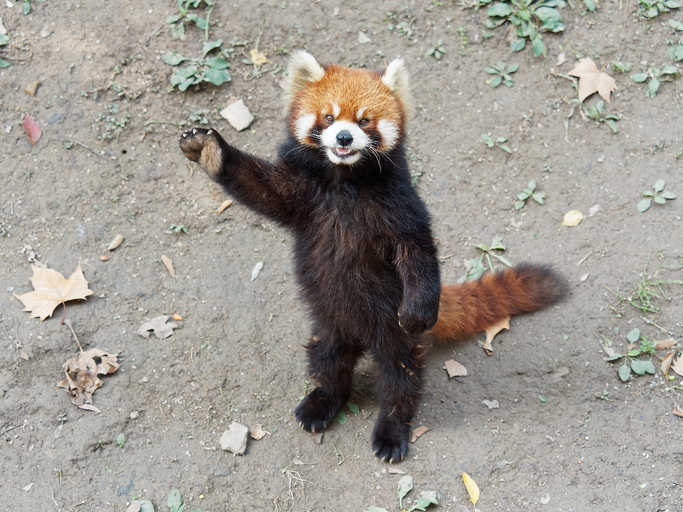
Zoo animals often face health issues that their wild counterparts don’t experience. Lack of exercise, unnatural diets, and stress can lead to obesity, heart disease, and other chronic conditions. In the wild, animals have the freedom to hunt, forage, and migrate, keeping them fit and healthy. However, in zoos, the limited space and curated diet can result in health problems.
Veterinarians in zoos work hard to care for the animals, but even the best care can’t fully replicate the health benefits of a natural lifestyle. Medical interventions are sometimes necessary, but they can’t replace the physical activity and mental stimulation animals get in the wild. Over time, these health issues can affect the animals’ quality of life and lifespan. It’s a harsh truth that visitors might not see, but is part of the zoo experience for many animals.
5. Breeding For Display
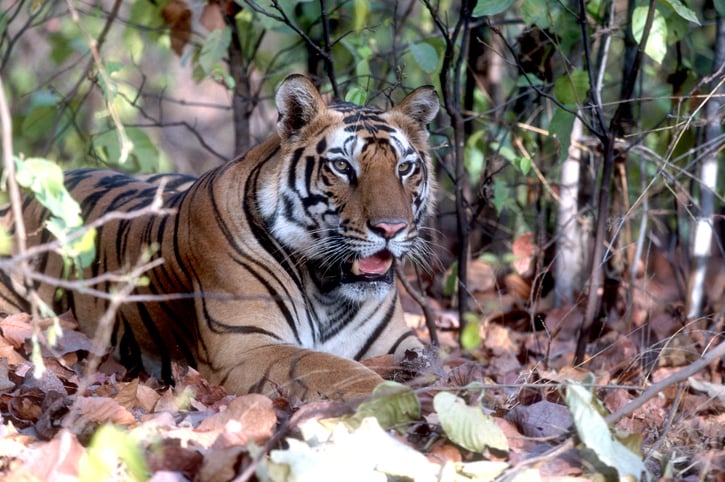
While zoos often promote their breeding programs as conservation efforts, the reality can be more complex. Some animals are bred not for release into the wild but to ensure a steady supply of cute and interesting animals for visitors to enjoy. Conservationist and author Virginia McKenna has criticized zoos for prioritizing breeding programs that focus more on visitor attraction than genuine conservation. This focus on display rather than conservation can divert resources from more impactful conservation efforts.
In some cases, animals are bred despite there being no plan or possibility for their reintroduction into the wild. This means more animals living in captivity, sometimes leading to overcrowded conditions in zoos. Animals bred in captivity may also face challenges if they’re ever released, as they lack the skills and behaviors needed to survive in the wild. The cycle of breeding for display rather than true conservation is a controversial aspect of many zoo programs.
6. Surplus Animals

When zoos breed animals, they sometimes end up with more animals than they can care for. These “surplus” animals pose a significant ethical and logistical problem. While some zoos find new homes for surplus animals, others resort to euthanasia or sell them to less reputable facilities. Visitors rarely see this side of the zoo industry, but it’s a reality that affects many animals.
Zoo management often finds itself making tough decisions about the fate of these surplus animals. Options are limited, and not all outcomes align with the ethical standards people expect from modern zoos. This surplus problem highlights a disconnect between the public perception of zoos and the behind-the-scenes challenges they face. It raises important questions about the ethical responsibilities zoos hold toward their animals.
7. Questionable Conservation Claims
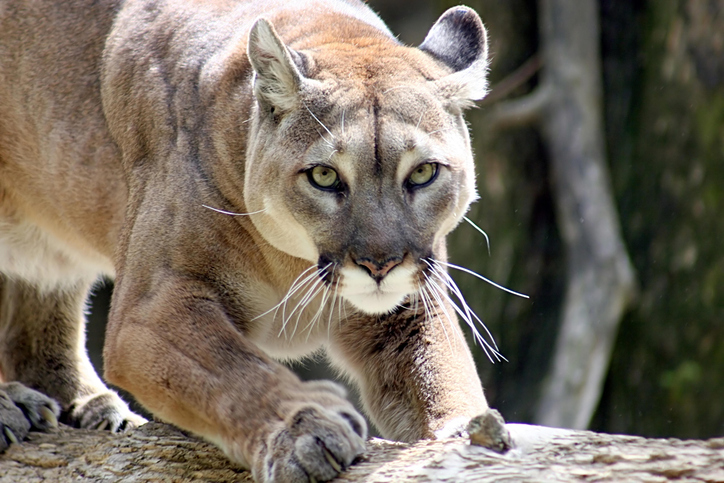
While zoos often market themselves as champions of conservation, the impact of their efforts is sometimes overstated. A report by the Born Free Foundation found that only a small percentage of zoo animals belong to species involved in significant conservation programs. Dr. Chris Draper, head of animal welfare and captivity at the foundation, points out that many zoos focus on breeding popular species rather than those most in need of conservation. This gap between marketing and reality can mislead the public about the true impact of zoos on wildlife conservation.
In some cases, zoos may claim conservation efforts to justify keeping animals in captivity, even when the programs have little tangible benefit. The focus can be more on visitor attraction than genuine conservation work. This raises questions about the ethical responsibility of zoos to ensure their conservation claims are backed by meaningful action. Visitors might not always see this disparity, but it’s an important aspect of understanding the role of zoos in global conservation.
8. Psychological Stress
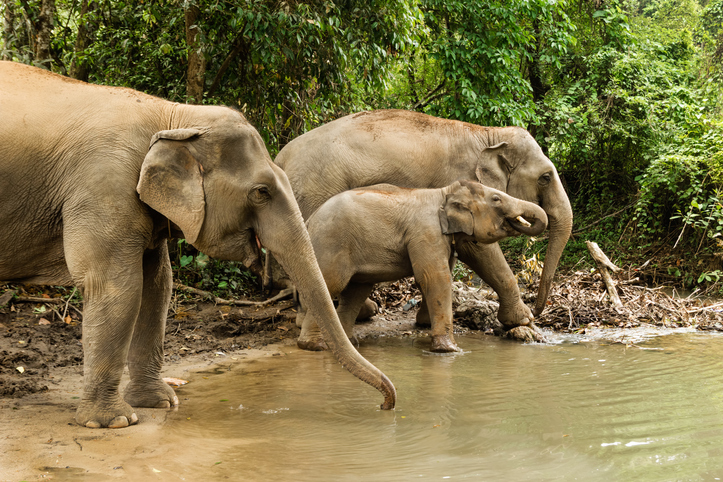
The psychological effects of captivity on animals are often overlooked by zoo visitors. The confinement and lack of stimulation can lead to a condition known as zoochosis, where animals display repetitive and self-harming behaviors. This mental distress is a significant concern for animal welfare experts. It’s not just about the physical space but also the mental challenges that captivity imposes on animals.
Animals in zoos may experience boredom and frustration, leading to abnormal behaviors like pacing, swaying, or self-mutilation. These behaviors are attempts to cope with their environment but are signs of underlying stress. Over time, this psychological stress can lead to more severe health issues and a decline in the animal’s quality of life. Zoo visitors might not always recognize these behaviors as signs of distress, but they are critical indicators of an animal’s mental well-being.
9. Inadequate Enrichment
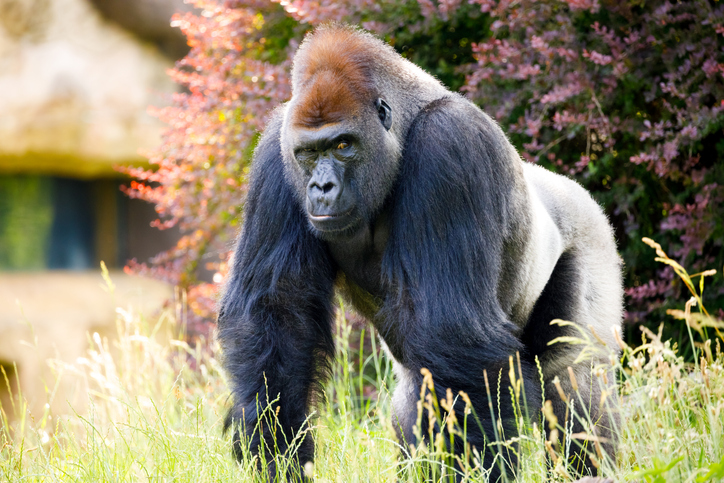
Zoos try to provide enrichment activities to stimulate the animals mentally and physically, but these efforts often fall short. Enrichment activities are meant to encourage natural behaviors, but they can’t fully replicate the challenges and complexities of life in the wild. Many zoos struggle to provide enough variety and frequency in their enrichment programs. The result is that animals may still experience boredom and frustration despite these efforts.
While zoos have made progress in understanding and implementing enrichment, there are always limitations. Budget constraints, space, and staff availability can all impact the quality and quantity of enrichment animals receive. As a result, many animals still lack the stimulation they need to thrive. It’s a challenge that zoos continue to face, and one that visitors might not realize when they see animals engaging with toys or puzzles.
10. Ethical Dilemmas
Zoos often face ethical dilemmas about the balance between animal welfare and public education or entertainment. Keeping animals in captivity raises questions about their right to live in a natural environment versus the educational benefits for humans. This debate is ongoing and complex, with no easy answers. Visitors might not think about these ethical considerations when they visit a zoo.
The ethical dilemmas extend to decisions about animal breeding, display, and the overall purpose of the zoo. Each choice has implications for animal welfare and the message the zoo sends to the public. Balancing these concerns is a constant challenge for zoo management. While zoos aim to educate and inspire conservation, they must also consider the ethical implications of their practices.
11. Financial Pressures

Zoos are often under financial pressure to attract visitors and maintain operations. This economic reality can influence decisions about animal care, exhibit design, and conservation priorities. Financial constraints can lead to cutbacks on animal welfare programs or enrichment activities. Visitors might not see the financial challenges zoos face, but they are a significant part of the operation.
In some cases, financial pressures can lead zoos to prioritize popular attractions over more pressing conservation needs. The need to generate revenue can conflict with the goal of providing the best possible care for the animals. These financial realities often shape the decisions and priorities of zoo management. It’s a side of zoo operations that isn’t always visible to the public but plays a crucial role behind the scenes.
12. Conservation Vs. Entertainment

The dual role of zoos as centers for conservation and entertainment creates tension in their operations and priorities. While zoos aim to educate the public and support conservation work, they also serve as entertainment venues. This dual purpose can lead to compromises in animal care or conservation efforts. Visitors might not see the balancing act zoos perform between these two roles.
The focus on entertainment can sometimes overshadow the conservation message zoos aim to promote. Animal shows and interactive exhibits are designed to engage visitors, but may not always align with conservation goals. This tension between conservation and entertainment raises questions about the true mission of zoos. It’s a complex challenge that every zoo must navigate to ensure its practices align with its stated goals.
13. Limited Educational Impact

Zoos pride themselves on their educational value, but the real impact on visitors’ understanding of wildlife and conservation can be limited. While seeing animals up close can spark interest, it doesn’t always translate to a deeper understanding of conservation issues. Some studies suggest that the educational impact of zoos is often superficial, focusing more on entertainment than on meaningful learning. Visitors might leave with fond memories but little new knowledge about conservation.
The educational programs offered by zoos vary widely in their depth and effectiveness. While some zoos invest heavily in educational initiatives, others may offer only basic information or displays. The challenge is to engage visitors in a way that fosters a genuine appreciation and understanding of wildlife conservation. It’s an area where zoos continue to strive for improvement but often fall short of their educational potential.
14. Wild Vs. Captive Experience
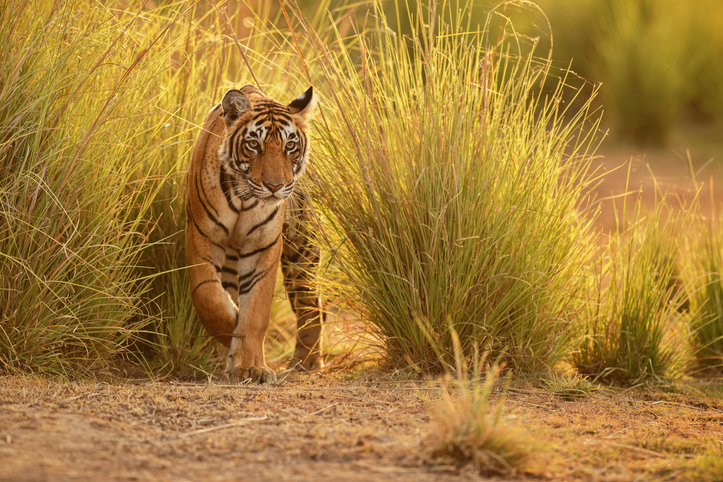
The experience of seeing animals in a zoo can differ dramatically from encountering them in the wild. In zoos, animals are often more inactive or display behaviors not typical of their wild counterparts. This can lead to misconceptions about how animals behave naturally. Visitors might leave with a skewed perception of wildlife, thinking what they see in the zoo is representative of animals in their natural habitats.
The captive experience limits the ability of animals to exhibit natural behaviors, leading to a less authentic representation of wildlife. While zoos provide an opportunity to see animals up close, they can’t fully capture the complexity and wonder of animals in the wild. This gap between the zoo experience and reality can affect public understanding and appreciation of wildlife. It’s a reminder that while zoos can offer a glimpse into the animal world, they are no substitute for the wild.


