

Washing food before cooking is often seen as a necessary step in food preparation. However, there are certain foods that you should actually skip washing to avoid compromising taste, texture, or even safety. This might come as a surprise, but sometimes a rinse under the tap does more harm than good. From spreading bacteria to ruining flavors, understanding which foods you shouldn’t wash before cooking can make all the difference in your kitchen routine.
1. Chicken
Many people believe that washing chicken before cooking it will remove bacteria and make it safer to eat. However, the opposite is true; washing chicken can actually spread bacteria, such as salmonella, around your kitchen and onto other foods and surfaces. The USDA advises against washing raw poultry, as the bacteria are killed during cooking when the internal temperature reaches at least 165°F. To keep your kitchen safer, skip the rinse and go straight to cooking it thoroughly.
According to a study by Drexel University, washing chicken can aerosolize bacteria, spreading it up to three feet away onto kitchen counters and nearby food. This unnecessary step creates a higher risk of cross-contamination, which can lead to foodborne illnesses. Instead of rinsing, focus on proper cooking techniques and maintaining cleanliness in your kitchen. Clean all surfaces and utensils that come into contact with raw chicken to ensure a hygienic cooking environment.
2. Mushrooms
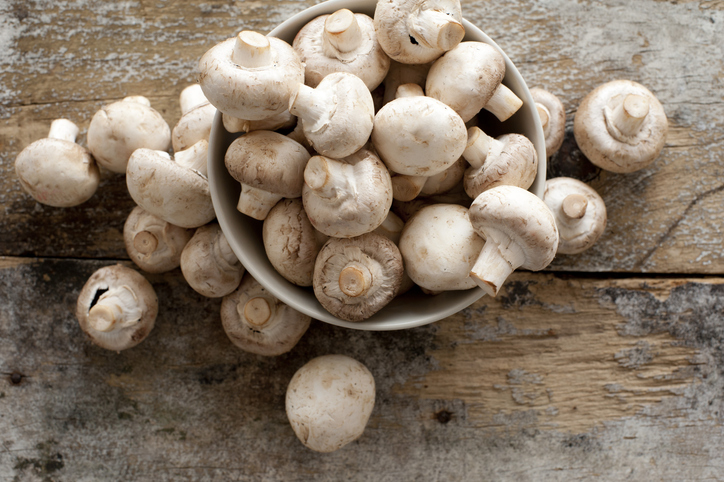
Mushrooms are often misunderstood when it comes to cleaning. Their porous nature means they can absorb water quickly, affecting their texture and flavor. Instead of rinsing them under running water, a better approach is to gently wipe them with a damp cloth or use a mushroom brush. This method removes any dirt while keeping their spongy texture intact and their earthy flavor vibrant.
When mushrooms absorb too much water, they can become mushy and lose their ability to brown properly during cooking. Browning is crucial for enhancing their savory umami profile, which is essential in many dishes. By avoiding washing, you preserve their unique qualities that add depth to your culinary creations. Remember, sometimes less is more when it comes to preparing your food.
3. Eggs

You might be tempted to wash eggs to remove any dirt or debris, but doing so can actually compromise their safety. Commercial eggs in the U.S. are washed and sanitized before being packaged, which removes the protective bloom that naturally coats an egg. Washing them at home can push bacteria through the porous shell, increasing the risk of contamination. Trust the washing process already done by the producers and focus on storing eggs properly instead.
According to the American Egg Board, the best practice is to refrigerate eggs promptly and keep them in their original carton to maintain freshness. The bloom that’s washed away during commercial processing is replaced with a thin layer of mineral oil to protect the egg from bacteria. By leaving your eggs unwashed, you help extend their shelf life and maintain the safeguards put in place during production. Plus, it saves you an unnecessary step in your kitchen routine.
4. Fish Fillets

Fish fillets are delicate, and washing them can do more harm than good. Rinsing fish under water can cause the flesh to break apart, especially if it’s a soft fillet like tilapia or cod. Additionally, washing fish splashes bacteria-laden water onto your kitchen surfaces. Instead, pat the fillets dry with paper towels before cooking to remove any excess moisture and keep your preparation area clean.
Moisture can hinder the cooking process by preventing the skin from getting crispy or the fillet from achieving a good sear. By skipping the rinse, you’re ensuring that your cooking methods work as intended, enhancing the texture and flavor of the fish. Keeping the preparation simple allows the natural flavors to shine through, whether you’re grilling, frying, or baking. Trust the cooking process to eliminate any potential bacteria.
5. Beef
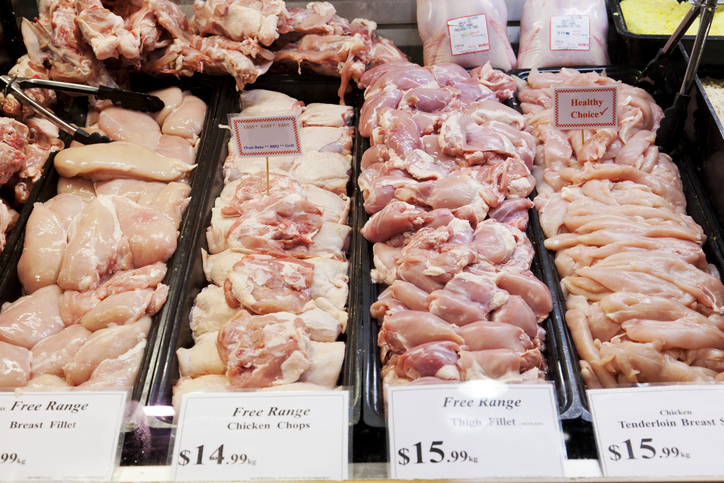
Washing beef, whether it’s a steak or ground meat, isn’t necessary and can actually lead to cross-contamination. The juices from the meat can splash onto your countertops and other foods, spreading bacteria around your kitchen. Cooking beef to the appropriate temperature is the best way to ensure it’s safe to eat. The FDA recommends cooking ground beef to 160°F and steaks to at least 145°F with a three-minute rest time.
According to the USDA, any bacteria present on raw beef will be killed during the cooking process. Washing doesn’t remove harmful bacteria, but can instead create a web of contamination throughout your kitchen. Focus instead on proper storage and handling to minimize any risk. Keep raw beef separate from other foods and use separate cutting boards for meat and produce.
6. Pasta

It might surprise you, but washing pasta before cooking is a step best skipped. Rinsing pasta washes away the starches that help sauces cling to it, leading to a less flavorful dish. These starches are important for creating that perfect, cohesive texture that makes a pasta dish shine. Instead, only rinse pasta after cooking if you’re preparing a cold pasta salad.
Rinsing cooked pasta for a salad is beneficial as it stops the cooking process and cools the pasta quickly, but before cooking, it’s unnecessary. Pre-rinsing can also lead to a waterlogged texture, which nobody wants. Trust the boiling process to clean the pasta and keep the focus on creating a delicious sauce that complements it. By keeping the starch intact, you ensure every twirl of spaghetti or forkful of penne is as flavorful as it deserves to be.
7. Pre-Washed Salad Greens

Salad greens labeled as pre-washed or triple-washed are designed to save you time and hassle. Re-washing these greens not only negates the convenience but also increases the risk of contaminating them with kitchen bacteria. During commercial processing, these greens undergo rigorous cleaning to meet safety standards. According to Consumer Reports, re-washing pre-washed greens is not just unnecessary—it could make them less safe to eat.
The packaging and processing methods are designed to maintain freshness and hygiene, so you can trust these products to be table-ready. If you do decide to wash them again at home, you risk introducing pathogens from your sink or hands. Keep the greens in their original packaging until you’re ready to use them, and enjoy the ease of adding them directly to your meal. It’s one less thing to worry about in your busy kitchen schedule.
8. Rice

Rice is another staple that you might instinctively rinse, but it’s not always necessary. While rinsing rice can remove excess starch that causes stickiness, some varieties like risotto or sushi rice benefit from that clingy texture. Washing can also remove nutrients, especially in enriched rice varieties. Decide based on your recipe’s needs, knowing that skipping the rinse won’t harm your dish.
For dishes that require fluffy, separate grains, such as certain pilafs, rinsing may be beneficial. However, for creamy dishes or when using short-grain rice, that extra starch contributes to the dish’s signature texture. Understand your rice and your recipe, and don’t rinse out of habit. Making an informed choice will elevate your dishes and your confidence in the kitchen.
9. Canned Beans

Canned beans come conveniently pre-cooked and don’t need a wash before being added to your dish. In fact, the liquid in the can, often referred to as aquafaba, can be a wonderful addition to soups and stews for added flavor and thickness. However, if you’re watching your sodium intake, a quick rinse can help reduce the salt content. The choice is yours, but know that you’re not compromising safety by skipping the wash.
For those who embrace the convenience of canned beans, the aquafaba can also be used in innovative ways, such as a vegan substitute for egg whites. The water-soluble proteins create a meringue-like texture when whipped. Whether you rinse or not, canned beans offer a quick and nutritious addition to meals. It’s all about how you want to use them and what fits your dietary needs.
10. Ground Meat

Much like beef, other ground meats such as chicken, turkey, or pork do not benefit from a pre-cooking wash. Washing these can cause the same problems with bacteria spreading around your kitchen. All pathogens are neutralized during cooking, making the rinse a redundant and potentially hazardous step. Stick to proper cooking temperatures: 165°F for poultry and 160°F for ground pork.
The texture of ground meat can also suffer from washing, leading to a less appealing consistency in your dishes. Focus on safe handling, like keeping the meat refrigerated until you’re ready to cook and using dedicated utensils and surfaces. This way, you ensure your meals are both tasty and safe without any unnecessary steps. Ground meats are versatile and quick-cooking, making them perfect for busy meal prep—just keep it simple and straightforward.
11. Bacon

Bacon, whether you’re frying it to a crisp or baking it for breakfast, doesn’t need a pre-cook rinse. The curing process that bacon undergoes adds flavor and acts as a preservative, making washing unnecessary. Moreover, running bacon under water can dilute its flavors and cause excess splattering when it hits the hot pan. Let the cooking process work its magic without interruption.
When you’re working with bacon, focus on how you cook it to achieve the perfect texture, whether you like it chewy or crunchy. Using methods like oven-baking can help achieve an even cook and reduce the risk of splattering. Remember, bacon is all about indulgence, and maintaining its full flavor is key. Allow the curing process to do its job and enjoy the savory results.
12. Pre-Packaged Snacks

Pre-packaged snacks like chips, crackers, or nuts are prepared for immediate consumption and don’t require washing. They’re usually seasoned and sealed in a way that maintains freshness and flavor. Washing them would not only dissolve any seasoning but also introduce moisture, which can lead to sogginess and spoilage. Enjoy them straight from the bag as they’re intended.
These snacks are a testament to modern convenience, offering a quick and satisfying option that requires no prep. If you’re conscious about salt or sugar content, consider moderation rather than washing away the flavor. You save time and effort, allowing you to focus on enjoying their deliciousness guilt-free. Let the packaging and processing work for you, ensuring a quality experience every time you indulge.
13. Soft Cheese
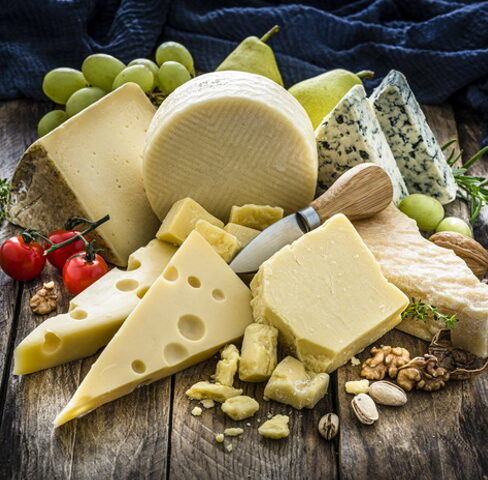
Soft cheeses like Brie, Camembert, or goat cheese come with a delicate rind or texture that doesn’t mix well with water. Washing these cheeses can ruin their subtle flavors and creamy consistency. The rind acts as a natural barrier, keeping the cheese fresh and flavorful, so there’s no need to introduce water. Enjoy soft cheeses at room temperature to fully appreciate their taste and texture.
When working with soft cheese, focus on pairing it with the right accompaniments, like fruit or nuts, to enhance its natural flavors. Knowing how to store it properly, such as wrapping it in parchment and refrigerating it, ensures longevity and safety without washing. The artistry of cheese-making provides all the necessary quality controls, allowing you simply to savor the result. Appreciate the nuanced craftsmanship and let your taste buds explore the complexity of soft cheese without interference.
14. Deli Meats

Deli meat is another food that doesn’t require washing. They’re processed and packaged in a way that maintains freshness and safety without additional cleaning. Washing deli meats can dilute their flavors and lead to unnecessary moisture, which might compromise quality. Instead, focus on proper storage by keeping them in an airtight container in the refrigerator.
With deli meats, it’s all about how you use them in your meals to maximize their flavors. Whether in a sandwich, salad, or charcuterie board, their convenience is key. Handling them with clean hands and utensils is the best practice to maintain safety and taste. Let the processor’s quality controls assure you, and enjoy the effortless addition to your culinary repertoire.


