

Global travel can go horribly wrong, especially when you’re victim to the allure of so-called “must-see” spots that, while undeniably iconic, have become tourist traps that locals secretly cringe over. You arrive full of anticipation, only to find crowds, overpriced trinkets, and an experience that feels more manufactured than magical. Here’s a savvy traveler’s guide to 14 tourist traps around the world that might not live up to the hype, plus a few tips on how to experience these destinations like a local instead.
1. Times Square, New York City
Ah, Times Square, the buzzing heart of New York City. You arrive expecting glamour and the quintessential New York experience, only to be met with throngs of people, aggressive costumed characters, and chain restaurants you can find at home. It’s easy to get swept up in the neon lights and mega-billboards, but if you’re seeking authenticity, you might leave feeling more disoriented than dazzled. The spectacle is undeniable, yet it can feel more like a consumerist maze than a cultural treasure trove.
According to cultural critic Jeremiah Moss, author of “Vanishing New York,” Times Square epitomizes the commercialization that has swept over the city. He argues that it’s a “mall-ification” of NYC, stripping away the unique charm that once defined this iconic area. Instead, savvy travelers venture to vibrant neighborhoods like the Lower East Side or Brooklyn’s Williamsburg for a more genuine slice of New York life. Here, you’ll find indie boutiques, eclectic eateries, and a creative energy that feels worlds away from the tourist throngs.
2. The Blarney Stone, Ireland
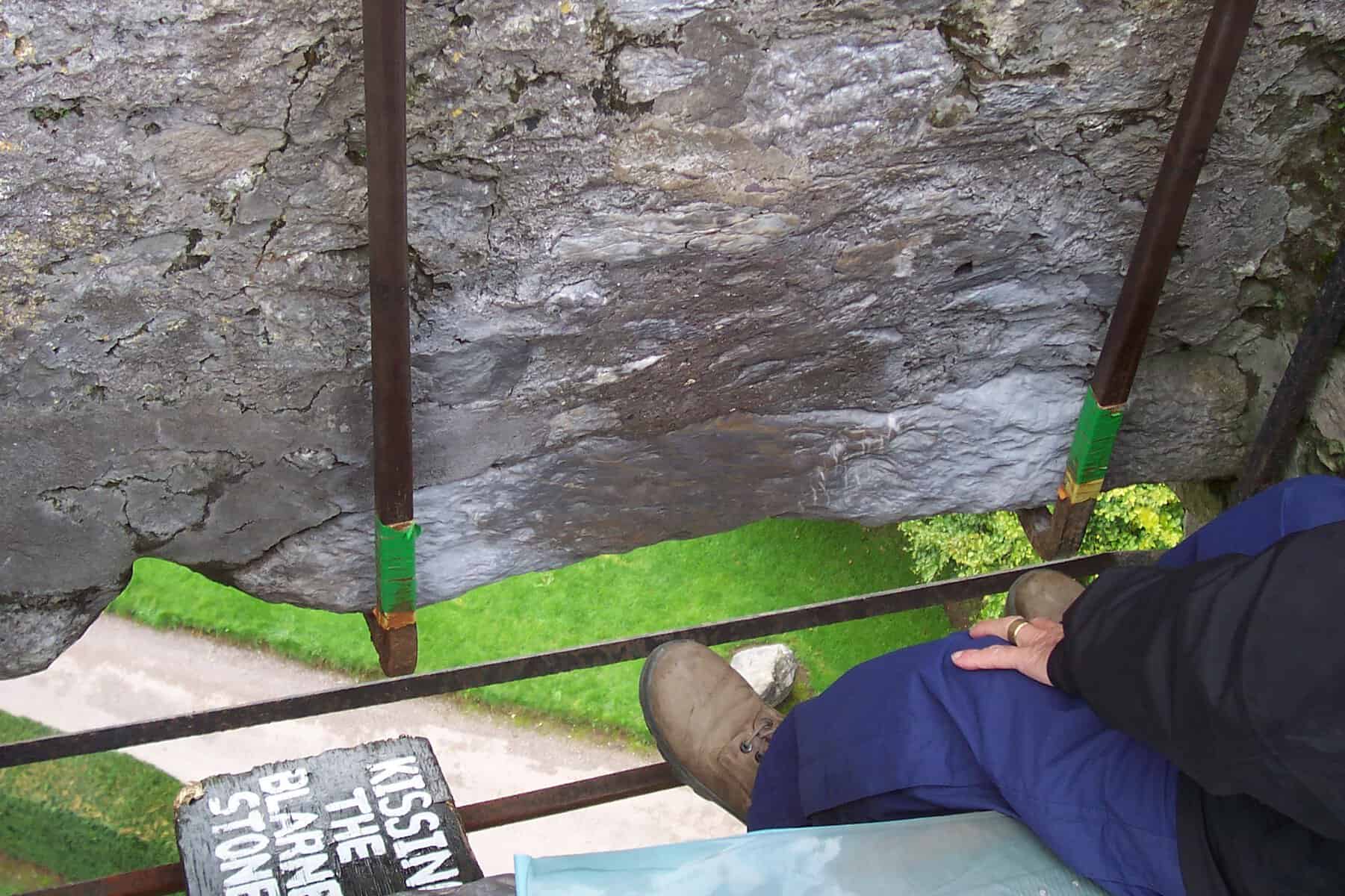
The legend of the Blarney Stone promises the gift of eloquence to those who dare kiss it. You imagine a mystical, romantic experience in the lush Irish countryside — until you find yourself hanging upside down from a castle wall, lips pressed against a stone that’s seen millions of smooches. The charm quickly fades as you queue with fellow tourists, each vying for their moment with this storied rock. In truth, the experience is more germy than glamorous.
Locals often chuckle at the idea of tourists clamoring to kiss a stone when there are countless other authentic ways to experience Ireland. Instead of braving the crowds, consider exploring the nearby town of Cork, with its rich history and lively music scene. You’ll discover friendly pubs where locals will share tales, providing all the blarney you could ever wish for. Here, the spirit of Ireland comes to life far more vividly than it ever could in a stone.
3. The Leaning Tower of Pisa, Italy

The Leaning Tower of Pisa is an architectural marvel, but the reality of visiting may lean more towards mediocrity than magnificence. You envision a postcard-perfect photo, only to jostle for space among hundreds of others trying to capture the same shot. The surrounding area is filled with vendors selling tchotchkes, and the experience can feel more like a bustling circus than an awe-inspiring historical site. While the tower’s tilt is remarkable, the journey there can leave you feeling less than impressed.
According to Professor Maria Annunziata, an expert in Italian Renaissance architecture, the tower’s fame overshadows other magnificent sites in Tuscany. She suggests venturing to nearby Lucca or Siena, where medieval streets and stunning cathedrals offer a richer historical context. In these towns, you can experience Italy’s architectural splendor without the crowds, allowing you to connect with the country’s history on a deeper level. Plus, the local cuisine and warm hospitality are sure to enhance your journey.
4. The Great Wall of China: Badaling Section

The Great Wall of China is an undeniable marvel, yet many visitors find the Badaling section to be less than serene. You arrive expecting breathtaking vistas and a sense of ancient history, but instead, discover a bustling area crowded with tourists wielding selfie sticks. The commercialization of this section, complete with souvenir stalls and fast food outlets, detracts from the wall’s majesty. It’s hard to feel the gravitas of history amid such modern-day chaos.
Rather than joining the crowds, locals often recommend exploring less-visited sections like Mutianyu or Jinshanling. These areas offer a more authentic experience, where the wall’s grandeur can truly be appreciated in peace. You can wander along the rugged terrain, taking in the panoramic views without the overwhelming presence of tourists. Here, the wall’s history and scale come to life, offering the kind of awe-inspiring experience you originally sought.
5. The Hollywood Walk of Fame, Los Angeles

The Hollywood Walk of Fame promises glamour and stardom, but often delivers disappointment. You anticipate a star-studded street lined with history, yet find yourself navigating cracked pavements amidst costumed performers and overpriced souvenirs. The glitz and glamour of Hollywood feel elusive as you realize the stars are just names etched into the sidewalk. While it’s a quintessential stop on LA tours, it can feel more like a tourist trap than a tribute to celebrity culture.
According to LA historian Richard Schave, the Walk of Fame’s allure often overshadows the city’s rich cultural tapestry. He advises exploring neighborhoods like Silver Lake or Echo Park, where LA’s artistic and eclectic spirit thrives. Here, you can find trendy boutiques, vibrant street art, and a laid-back vibe that captures the essence of the city. These areas offer a taste of the real Los Angeles — creative, diverse, and ever-evolving.
6. The Little Mermaid Statue, Copenhagen

The Little Mermaid Statue in Copenhagen is a symbol of Danish culture, inspired by Hans Christian Andersen’s beloved fairy tale. You expect a grand, enchanting tribute to the famous author, only to find a diminutive statue perched on a rock. Surrounded by crowds, the statue’s charm can feel overshadowed by its anticlimactic size and setting. Many leave pondering if they’ve missed the magic that was promised by guidebooks.
Locals suggest diving into Copenhagen’s vibrant arts scene to capture the city’s true creative spirit. The city is brimming with galleries, innovative architecture, and cozy cafes where Andersen himself might have penned his tales. By exploring neighborhoods like Nørrebro or Vesterbro, you can discover Denmark’s modern-day fairy tales in the making. Here, authenticity and whimsy meld together in a way the statue alone cannot capture.
7. The Eiffel Tower, Paris

The Eiffel Tower is synonymous with Paris, a city that promises romance and elegance. Yet when you visit, you might find the experience more exhausting than enchanting. You’re met with long lines, pickpockets, and overpriced champagne at the top, while the view — though magnificent — competes with the discomfort of the crowds. The reality is that Paris offers so much more than this iconic structure.
According to travel expert Rick Steves, Paris’s magic lies in its enchanting neighborhoods, not just its landmarks. He suggests getting lost in the streets of Le Marais or Saint-Germain-des-Prés, where intimate cafes, boutique shops, and vibrant street life paint a more authentic picture of the city. These areas, rich with history and charm, offer the Parisian experience you’ve been dreaming of. Here, you’re not just a tourist; you’re part of the city’s ever-unfolding story.
8. Fisherman’s Wharf, San Francisco

Fisherman’s Wharf is a staple on any San Francisco itinerary, promising maritime history and fresh seafood. However, the reality often falls short as you weave through crowds and navigate overpriced attractions. You might find yourself more drawn to the kitschy souvenir shops than the supposed cultural experiences. The clamor of street performers and the omnipresent scent of clam chowder can feel more overwhelming than immersive.
Locals often suggest bypassing the Wharf in favor of the city’s diverse neighborhoods. Areas like the Mission District or North Beach offer rich cultural experiences and vibrant food scenes. Here, you can savor authentic Mexican cuisine or classic Italian dishes while exploring eclectic street art and historic landmarks. These neighborhoods provide a taste of San Francisco’s true character, beyond the touristy facade of the Wharf.
9. Machu Picchu, Peru (During Peak Season)

Machu Picchu is a bucket-list destination, but visiting during peak season can turn awe into aggravation. You arrive expecting serene Incan ruins, only to find the site swarming with tourists and guided tours. The sense of discovery and wonder is dampened by the hustle and bustle of selfie-takers and crowded pathways. It’s challenging to connect with the site’s ancient history amid the throngs of people.
To truly appreciate Machu Picchu, experts recommend visiting during the shoulder seasons, like April or October. The crowds are thinner, allowing you to savor the site’s mystical ambiance without the distraction of the masses. Alternatively, consider exploring lesser-known Incan sites like Choquequirao or the Sacred Valley, which offer similar histories with far fewer tourists. These experiences provide a deeper connection to Peru’s captivating past.
10. The Colosseum, Rome

The Colosseum is a symbol of Rome’s imperial history, drawing visitors from all over the globe. Yet upon arrival, you might find the experience slightly underwhelming amidst the throngs of tourists and aggressive street vendors. The structure itself is awe-inspiring, but the atmosphere can feel more like a theme park than an ancient wonder. The surrounding area, teeming with tacky gladiator impersonators, detracts from the grandeur of this historic landmark.
For a more authentic experience, locals recommend exploring Rome’s countless other historical sites. The Roman Forum and Palatine Hill offer equally rich history but with fewer crowds and more space to reflect. Additionally, wandering through the city’s charming neighborhoods, like Trastevere or Monti, provides a glimpse into daily Roman life. Here, history is woven into the fabric of modernity, offering a captivating contrast that the Colosseum alone cannot.
11. The Pyramids of Giza, Egypt

The Pyramids of Giza are the epitome of ancient Egyptian magnificence, but the experience can sometimes fall short of expectations. You might find yourself amidst hawkers and camel rides, which may feel more like a circus than a sacred site. The sheer volume of visitors can make meaningful moments feel elusive, and the ever-present dust and heat add to the discomfort. Yet, standing before these colossal structures, the sense of history is undeniable.
To enrich your visit, consider hiring a knowledgeable local guide who can offer insights beyond the typical tourist spiel. Exploring at sunrise or sunset can also allow you to experience the pyramids in a more tranquil atmosphere. Additionally, visiting the nearby, less-crowded Saqqara or Dahshur pyramids can provide a more intimate connection to Egypt’s ancient wonders. These quieter sites offer a glimpse into the past that feels both sacred and personal.
12. The Taj Mahal, India

The Taj Mahal stands as an icon of love and architectural beauty, yet the logistics of visiting can be a challenge. You envision serene gardens and marble majesty, but are met with long lines, persistent guides, and the click of countless cameras. The monument’s beauty is undeniable, but the crowded experience may leave you longing for more intimacy. The commercialization surrounding the site can sometimes overshadow its poetic origins.
To truly appreciate the Taj Mahal, consider visiting at dawn when the light is softer and the crowds lighter. This quieter time allows you to take in the monument’s ethereal beauty without distraction. Additionally, exploring nearby Agra Fort or the “Baby Taj,” Itimad-ud-Daulah’s Tomb, can provide further context and richness to your visit. These sites, often overlooked, offer their own unique splendor and tranquility.
13. The Louvre, Paris
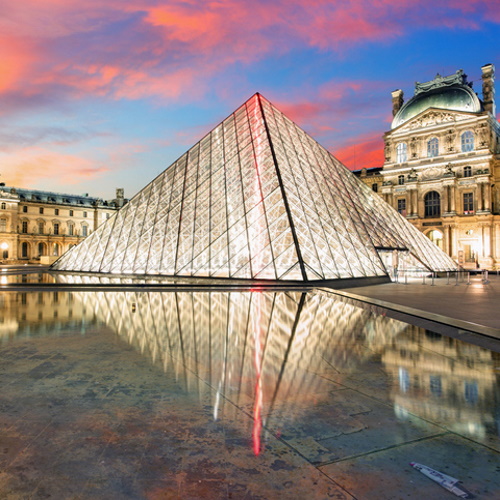
The Louvre is a beacon for art lovers worldwide, housing masterpieces like the Mona Lisa. Yet, navigating its vast halls can be overwhelming, with throngs of tourists vying for a glimpse of the famous painting. The experience can feel more like a marathon than a leisurely stroll through art history. The sheer size and crowd dynamics often overshadow the intimate encounters with art that you crave.
Instead of rushing through the Louvre, consider visiting smaller, specialized museums like the Musée d’Orsay or the Rodin Museum. These venues offer equally impressive collections with a more manageable size and fewer crowds. Here, you can savor the beauty of art at a pace that allows for reflection and appreciation. These intimate settings provide a deeper, more personal engagement with Paris’s artistic treasures.
14. Stonehenge, England

Stonehenge is a wonder of prehistoric engineering, but the modern visitor experience can be less than mystical. You might find yourself kept at a distance from the stones, encircled by crowds and the hum of nearby traffic. The atmosphere can feel more like a controlled exhibit than a profound connection to ancient history. The barriers in place remove any sense of intimacy or mystery you may have hoped for.
For a more evocative experience, consider visiting nearby Avebury, where you can walk among Neolithic stones free of barriers and crowds. This site offers a more personal interaction with ancient history and a chance to ponder its mysteries in peace. Exploring the surrounding landscape, rich with archaeological sites, provides a deeper understanding of Britain’s prehistoric past. Here, the ancient world feels alive and accessible, far from the limitations of Stonehenge.
More Bolde Stories

7 habits that look like overthinking but are often signs someone processes information unusually ...

Psychology says people who end up cheating usually tell themselves 7 lies long before they betray...

