

Often, the quirks and behaviors of those around you are tough to understand until you delve into their unique backstories. Understanding the experiences that shape a person provides clarity and empathy for their seemingly unusual habits. Whether it’s a predilection for certain foods, a love for solitary activities, or a penchant for meticulous organization, these habits are often a window into a person’s past. By exploring the stories behind the actions, you can appreciate the rich tapestry of human experience that informs everyday life.
1. Hoarding Books They Never Read
Walking into a home filled with books you suspect have never been cracked open can seem baffling. However, this habit often stems from a deep-seated belief in the power of knowledge and learning. The mere presence of books can provide comfort and a sense of potential for growth. People may have grown up in environments that valued reading highly, and owning books is an homage to those formative years.
Additionally, books can represent aspirations and ambitions yet to be fulfilled. The idea that one day you’ll get to them all symbolizes hope and future possibility. For some, it’s not about the reading; it’s about the belief that they are surrounding themselves with wisdom and inspiration. Viewing this habit with empathy allows you to appreciate the silent promise that these volumes hold.
2. Avoiding Phone Calls

In an era when instant communication is at your fingertips, some people have a strong aversion to phone calls. This avoidance often traces back to anxiety-inducing experiences with communication or a preference for written forms of interaction. According to a report from the Anxiety and Depression Association of America, phone anxiety is common and can be rooted in fear of judgment or saying the wrong thing. For many, text messages provide the time to collect thoughts and communicate more clearly without the pressure of real-time conversation.
Furthermore, phone conversations can be overwhelming due to background noise or the inability to read non-verbal cues, making them less appealing for those who value clarity and depth in communication. Having grown up in an environment where misunderstandings were common, written communication offers a safety net. This preference is not about being impersonal but rather about ensuring meaningful and stress-free interactions. Recognizing the history behind this habit fosters patience and understanding.
3. Eating Dessert Before Dinner

You might find it unconventional when someone insists on having dessert before dinner, but this habit often has roots in childhood experiences. Growing up in a family where sweets were scarce or a reward for completing chores can leave a lasting impression. A study by the American Psychological Association discusses how childhood experiences with food can shape adult eating habits. This seemingly rebellious act may actually be a tribute to a time when dessert was the ultimate reward, and eating it first is a celebration of newfound freedom.
On the other hand, this habit might be a practical approach for those who have realized the transient nature of life and choose to savor the sweetest moments first. It’s a poignant reminder that life is short, and sometimes you need to enjoy the good stuff while you can. This philosophy is often embraced by those who have faced significant losses or have learned the hard way that deferred gratification doesn’t always guarantee future enjoyment. Understanding this backstory can turn your confusion into appreciation for their zest for life.
4. Preferring To Be Alone Over Socializing

When someone frequently declines social invitations, it might come across as antisocial or aloof. However, this preference for solitude is often a product of an introspective nature or past experiences where solitude provided solace and safety. People who have faced overwhelming social situations in their past or have introverted personalities may find peace and rejuvenation in their own company. Solitude can be a time for reflection, creativity, and personal growth.
Additionally, opting for alone time can be a form of self-care for those who give a lot of themselves in social or professional contexts. Recharging in solitude allows them to maintain their energy and mental well-being. This choice is not necessarily a rejection of others but rather an affirmation of their own needs and limits. Understanding this habit can foster greater empathy and appreciation for their personal boundaries.
5. Always Being Early

When someone consistently arrives early, it may seem excessive or even obsessive. However, this habit is often rooted in a deep respect for time and personal accountability. People who are habitually early often grew up in environments where punctuality was a sign of respect and reliability. They may have been taught that being late shows a lack of consideration for others’ time.
This dedication to promptness can also be a response to past experiences of being rushed or feeling unprepared. Arriving early provides a buffer, allowing them to settle in and mentally prepare for the meeting or event. It can also be a coping mechanism for managing anxiety, offering control over at least one aspect of a potentially chaotic day. Understanding these motivations can transform a perception of rigidity into one of consideration and respect.
6. Collecting Random Objects
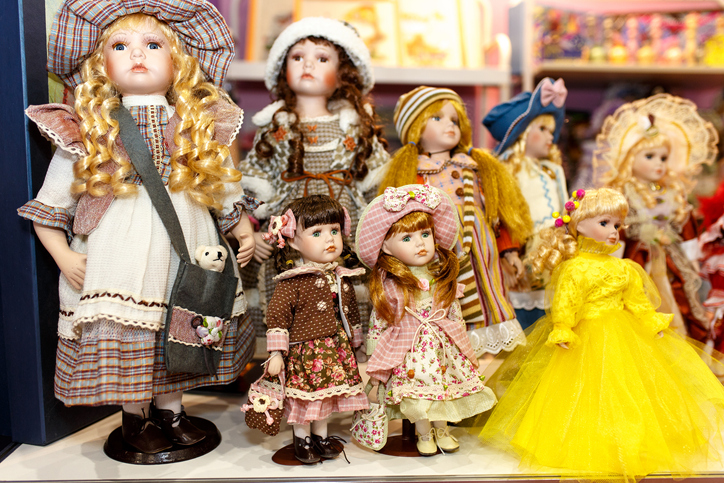
To some, a collection of seemingly random objects like bottle caps or postcards might appear as clutter, but for others, it’s a treasure trove of memories and stories. This habit often begins in childhood, where small items become the keepers of special moments or reminders of significant events. Experts from the University of Colorado Boulder suggest that collecting is a way of organizing and preserving personal history. What looks like randomness to you may actually be a carefully curated archive of someone’s life experiences.
Moreover, collecting can be a comforting ritual for those who have experienced instability or loss. Each item represents continuity and connection to happier times or places. For some, the act of collecting itself is therapeutic, providing a sense of achievement and order. By seeing these collections through the lens of personal history, you can appreciate the emotional depth behind the assortment.
7. Meticulously Planning Everything

A person who consistently plans everything down to the last detail might seem inflexible. But this habit often originates from a need for control, especially in those who have experienced chaotic or unpredictable environments. According to research from Stanford University, structured planning can be a coping mechanism for reducing anxiety and managing stress. For these planners, knowing the steps and anticipating outcomes provides a sense of stability.
This meticulous approach can also reflect a desire to avoid past mistakes by preparing for every possible scenario. Planning becomes a form of self-protection and a way to ensure success. For them, it’s not just about the plan itself but the peace of mind that comes with it. Recognizing the reasons behind this habit helps you see the calmness they seek in a world that can often feel uncertain.
8. Never Being Able To Throw Anything Away

Encountering someone who can’t seem to part with their possessions might make you question their attachment to material things. This reluctance to discard items often stems from a fear of loss or a history where scarcity was a recurring theme. People who have faced financial instability or have emotional ties to their belongings may find comfort in holding onto things. Each item can represent a memory, a person, or a time worth cherishing.
Furthermore, the practice of keeping everything can be a way of preserving a sense of identity and personal history. For some, objects are not just things but extensions of themselves and their experiences. Letting go can feel like erasing parts of their life story. Understanding this perspective allows you to see the sentimental value that transcends the physical nature of these possessions.
9. Engaging In Intense Exercise Routines

The dedication to intense exercise routines can be perplexing to those who prefer a more relaxed approach to fitness. However, this commitment often originates from a quest for self-discipline and empowerment. For many, rigorous exercise is a channel for overcoming previous limitations or insecurities. It can be a celebration of what their bodies are capable of and a testament to their resilience.
Exercise can also be a therapeutic outlet for processing emotions and relieving stress. People who have faced challenging emotional landscapes may find solace in the physical exertion and endorphin release that comes with a tough workout. The structure and routine of a fitness regimen can provide stability and predictability. By understanding the emotional and psychological motivations behind this habit, you can appreciate their dedication as a form of self-care and personal triumph.
10. Wearing the Same Outfit All The Time

Seeing someone in the same outfit day after day might initially seem like a lack of interest in fashion or variety. However, this habit can often be traced back to a desire for simplicity and efficiency. People who choose a “uniform” often do so to reduce decision fatigue and focus their mental energy on more important tasks. This choice can be liberating, as it eliminates the daily stress of deciding what to wear.
Moreover, a consistent wardrobe can be an expression of identity and personal branding. For some, wearing the same outfit reflects confidence and a strong sense of self, unaffected by trends or societal expectations. This habit may also be rooted in past experiences where clothing played a significant role in shaping self-perception and public image. Seeing this choice as intentional and meaningful allows you to respect their sartorial strategy.
11. Writing Everything Down

When someone is constantly jotting things down, it might seem like an obsession with documentation. However, this habit often develops from a desire to capture fleeting thoughts and preserve important information. People who have experienced memory lapses or have a fear of forgetting valuable insights may find comfort in writing. This practice can serve as a tangible extension of their thinking process, providing clarity and organization.
Additionally, keeping a written record can be a way of creating a personal archive of experiences and reflections. For those who value introspection and self-awareness, writing becomes a tool for understanding themselves and their journey. It’s a form of self-expression and a means of making sense of the world around them. Appreciating this habit can help you see the depth and purpose behind their constant note-taking.
12. Always Asking Questions

When someone is perpetually inquisitive, it may come across as intrusive or overly persistent. However, this habit often stems from an innate curiosity and a deep desire to understand the world and those around them. Growing up in an environment where questioning was encouraged can foster a lifelong quest for knowledge. For many, asking questions is a way of connecting with others and engaging with life more fully.
This behavior can also be a response to past experiences where information was withheld or learning was stifled. The act of questioning becomes a reclaiming of power and a pursuit of truth. It reflects a proactive approach to life, where knowledge is seen as a pathway to empowerment and empathy. Understanding this backstory can transform annoyance into admiration for their inquisitive nature.
13. Having an Obsession with Cleanliness

Being around someone who is obsessively clean can feel overwhelming, yet this habit often has roots in a need for control and safety. Those who have experienced chaotic or unpredictable environments may find solace in cleanliness and order. According to experts at the International OCD Foundation, cleanliness can be a way to manage anxiety and create a sense of calm. It’s about creating a sanctuary where they can feel safe and in control.
For some, cleanliness goes beyond hygiene and becomes a reflection of self-respect and discipline. The act of cleaning can also be meditative, allowing for a moment of mindfulness in a busy world. This habit often reflects a desire for harmony and balance in their surroundings. By recognizing the motivations behind their cleanliness, you can appreciate their efforts to maintain a peaceful and orderly life.
14. Following Rituals Religiously

When someone adheres to personal rituals or routines with near-religious fervor, it might seem excessive at first glance. However, these rituals often provide a sense of stability and continuity, especially for those who have experienced significant change or upheaval. Rituals can serve as anchors, grounding people in daily life and connecting them to past traditions. They can be a source of comfort and predictability in an ever-changing world.
Moreover, rituals are often a way of honoring cultural or familial traditions, keeping memories alive, and fostering a sense of belonging. For those who value connection and heritage, these practices become a bridge between past and present. Understanding the role of rituals helps you see them as meaningful traditions rather than mere habits. In appreciating their significance, you gain insight into the cultural and personal stories that shape them.


