
Having a job that makes you squirm is a daily reality for many unsung heroes. From handling foul smells to managing human remains, these stomach-turning professions require a special kind of resilience. If you think your job is tough, spare a thought for those that work in these fields.
1. Crime Scene Cleaner

When a crime scene is vacated, someone has to clean up. Enter the crime scene cleaner, who steps in once the police and investigators have left. They deal with everything from blood to bodily fluids, transforming chaos back into order. Their work demands not only a strong stomach but also a deep respect for the emotional weight of the job.
According to the Bureau of Labor Statistics, this profession often requires specialized training in biohazard control and containment. Safety is paramount, as cleaners handle potentially infectious materials. Despite the grim nature of the work, many in the field find a sense of purpose by helping families move forward after tragedy.
2. Sewage Worker

Sewage workers deal with one of humanity’s least glamorous byproducts: waste. Their job involves maintaining and repairing the complex systems that keep our cities clean and functional. Day in and day out, they’re knee-deep in muck, ensuring the rest of us enjoy the luxury of modern plumbing. It’s a tough job that often goes unnoticed until something goes wrong.
Working in sewers isn’t just about grit — it’s about expertise and teamwork. Sewage systems are intricate networks requiring in-depth knowledge to navigate safely. Despite the unpleasantness, it’s a role that serves a critical public health function, preventing disease outbreaks and environmental contamination.
3. Forensic Entomologist

Forensic entomologists have a unique role in crime-solving: studying insects to uncover details of a crime. They examine how insects interact with human remains, using this data to determine factors like time of death. It’s a job that requires a mix of scientific precision and an extraordinary tolerance for decomposing bodies and the critters that inhabit them. The findings can be pivotal in legal cases, making their work vital yet often overlooked.
A study published in the Journal of Forensic Sciences highlights the critical role of forensic entomology in criminal investigations. By understanding insect life cycles, forensic entomologists can provide accurate timelines that are crucial for solving cases. While it’s not a career for the squeamish, it’s one that offers a unique intersection of entomology, law enforcement, and medical science.
4. Vomit Collector

Amusement parks are all about fun, but what goes up must come down — sometimes in the form of puke. Vomit collectors, often part of the park’s maintenance team, are tasked with cleaning up after those who had a little too much excitement on the rides. Armed with cleaning supplies, they ensure the park remains pristine for the next round of thrill-seekers. It’s a job that demands speed, efficiency, and a strong disposition.
Despite the off-putting nature of the task, these workers are essential for keeping the park experience enjoyable for everyone. They often work behind the scenes, swiftly sanitizing areas to prevent odors and maintain hygiene standards. While it might seem like a never-ending cycle, the satisfaction comes from contributing to the park’s smooth operation and visitor enjoyment.
5. Animal Carcass Remover

Animal carcass removers have the unenviable job of clearing roadkill from our highways and streets. This role involves more than just disposal; it requires understanding local wildlife and ensuring the remains are handled ethically and safely. They often work in demanding conditions, from scorching heat to freezing cold, to keep roads safe and unobstructed. It’s not a job for the faint-hearted, but it’s crucial for maintaining public health and safety.
According to an article in National Geographic, this job is essential in preventing the spread of diseases that could be transmitted from carcasses to humans or other animals. Workers need to follow strict regulations regarding the disposal and potential composting of remains. The role combines elements of public safety, environmental protection, and even a touch of ecology.
6. Gastroenterologist

Gastroenterologists are physicians specializing in the digestive system, from mouth to anus. Their work involves diagnosing and treating conditions like IBS, Crohn’s disease, and other gut-related disorders. Daily, they perform procedures like colonoscopies, which can be quite unpleasant for both patient and doctor. Despite the nature of the work, it’s an incredibly rewarding field focused on improving patients’ quality of life.
The role demands a unique combination of medical expertise, empathy, and the ability to handle challenging cases. Gastroenterologists often work closely with patients to manage chronic conditions, requiring strong communication skills and patience. Despite the less-than-glamorous aspects, the specialty is crucial for diagnosing life-threatening conditions and promoting digestive health.
7. Embalmer

Embalmers are tasked with preparing bodies for funerals, a role that blends science, art, and respect. They use chemicals to preserve bodies, ensuring they’re presentable for grieving families. While the work is technical, requiring knowledge of anatomy and chemistry, it’s also deeply personal and sensitive. Embalmers provide an invaluable service, helping to bring closure to families at a difficult time.
A report in The International Journal of Mortuary Science emphasizes the importance of embalmers in the funeral industry. Their work allows families to hold viewings and memorials, offering a chance to say goodbye in a dignified manner. Though it involves confronting mortality daily, embalmers often find fulfillment in providing comfort and peace to those in mourning.
8. Pest Control Technician
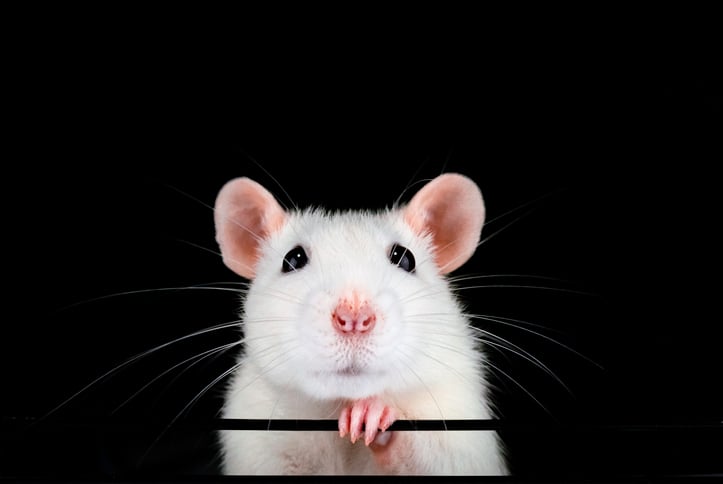
Pest control technicians are the unsung heroes of our homes and businesses, tackling infestations that range from ants to rodents. They identify pest problems, apply treatments, and implement strategies to prevent future infestations. While the job might involve unpleasant encounters with creepy crawlies, it’s essential for maintaining health and safety standards. Pest control is not just about extermination; it’s about understanding ecosystems and ensuring long-term solutions.
These technicians need a keen eye for detail and comprehensive knowledge of pest behaviors and habitats. The work can be unpredictable, with each day bringing new challenges in different environments. Despite the ick factor, pest control offers a sense of accomplishment in creating safer, cleaner spaces for people to live and work.
9. Wastewater Treatment Plant Operator

Wastewater treatment plant operators manage the flow and treatment of sewage before it’s released back into the environment. Their role is crucial in protecting water resources and public health. They monitor systems, perform maintenance, and ensure compliance with environmental regulations. It’s a job that requires a strong understanding of technical systems and a willingness to get your hands dirty.
Working at a wastewater treatment plant involves shifts that can be long and demanding. Operators must be vigilant, as any oversight could lead to significant environmental impacts. Despite the less-than-glamorous conditions, it’s a career that offers stability and the reward of contributing to environmental sustainability.
10. Clinical Waste Disposal Worker

Clinical waste disposal workers handle the medical waste generated by hospitals and clinics. This includes everything from used needles to discarded surgical supplies. Their work involves collecting, transporting, and disposing of hazardous materials safely. It’s a high-risk job that requires adherence to strict safety protocols and regulations.
Workers must be meticulous in their approach, as improper handling can pose serious health risks. Despite the challenges, this role is critical for ensuring that healthcare facilities operate smoothly and safely. Those in the field often take pride in their contribution to public health and the well-being of healthcare workers and patients alike.
11. Slaughterhouse Worker
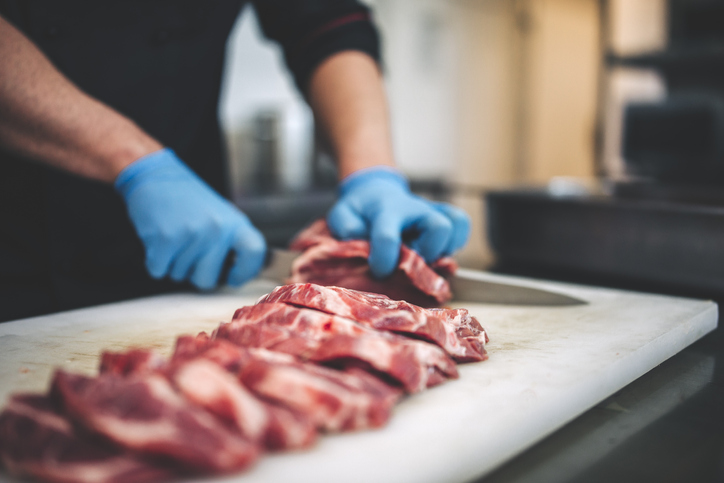
Slaughterhouse workers process livestock to produce meat for consumption. Their duties range from slaughtering animals to processing and packaging meat. It’s a physically demanding job that involves long hours in challenging environments. Despite the ethical debates surrounding the industry, it’s a necessary part of the food supply chain that requires strength and resilience.
The work is often repetitive and takes a toll both physically and mentally. Safety is a significant concern, with strict regulations in place to protect workers from injury. While the conditions can be harsh, those in the industry often find community and purpose in providing an essential service to society.
12. Roadkill Taxidermist

Roadkill taxidermists have a unique niche in the world of taxidermy, focusing on animals that have met their end on the road. They transform these unfortunate creatures into educational displays or art pieces. It’s a delicate balance of preserving nature’s beauty while confronting its brutality. The job requires both artistic skill and a strong stomach.
Taxidermists working with roadkill often face unpredictable challenges, as the condition of specimens can vary widely. They must be creative problem-solvers, finding ways to make damaged animals presentable. Despite the grim materials, many taxidermists find satisfaction in giving animals a second life through their craft.
13. Fish Processor

Fish processors work in the seafood industry, preparing fish and seafood products for market. The job involves cleaning, gutting, and filleting fish, often in cold and wet conditions. While the work can be repetitive and physically demanding, it plays a crucial role in bringing seafood to tables worldwide. It’s a job that requires efficiency, attention to detail, and a tolerance for strong odors.
Processors must be skilled with knives and machinery, ensuring that the products meet quality standards. Despite the challenges, the industry often offers stability and opportunities for advancement. Those in the field take pride in their contribution to a vital part of the global food industry.
14. Odor Tester

Odor testers work in industries ranging from perfumes to waste management, evaluating the smells of products and processes. It’s a job that requires a highly sensitive nose and the ability to distinguish subtle differences in scents. Whether it’s testing the effectiveness of deodorants or ensuring waste facilities are up to standard, their work is all about ensuring olfactory satisfaction. While it might sound glamorous, it involves exposure to some truly pungent odors.
Testers must undergo rigorous training to hone their sense of smell and learn to communicate their findings effectively. The job requires both scientific understanding and subjective judgment. Despite the nasal assault, odor testers play a critical role in product development and quality control, ensuring that what reaches consumers is pleasant to the senses.


