

Finding peace is often seen as an internal quest, but the environment you’re in can play a significant role in shaping your mind and emotions. You might not notice it right away, but the wrong surroundings can slowly chip away at your sense of peace. Sometimes, it’s not about changing yourself; it’s about changing where you spend your time. Here are 14 reasons why you won’t find peace if you’re in the wrong environment.
1. Constant Noise Disrupts Your Focus
Being surrounded by constant noise can make it really hard to focus, and that stress adds up. Your brain needs quiet time to process information and recharge, but noise pollution doesn’t give it a break. According to Dr. Mathias Basner, a professor at the University of Pennsylvania, prolonged exposure to noise can increase stress levels and disturb sleep patterns, which are crucial for your peace of mind. You may start feeling irritable and find it hard to concentrate, which only adds to your stress. It’s like trying to read in a crowded café when all you really want is a cozy nook in a quiet library.
Even low-level noise can be annoying when it’s relentless. This constant auditory bombardment doesn’t just bother you; it raises cortisol levels in your body. Over time, that can make you feel more anxious and less able to enjoy the moment. It’s one of those situations where the phrase “it gets under your skin” feels all too literal. A quiet environment isn’t just a luxury; it’s a necessity for mental peace.
2. Lack Of Natural Light Affects Your Mood

Natural light does wonders for your mood and general well-being, and when you don’t get enough of it, you can feel off. If you’re stuck in a room with fluorescent lights all day, it’s easy to feel disconnected from the world. Your body operates on a circadian rhythm, which relies on sunlight to keep it on track. Without enough natural light, you can start feeling sluggish and irritable. It’s like being in a constant state of jet lag, without ever traveling.
Over time, lack of natural light can even lead to conditions like Seasonal Affective Disorder (SAD). Your body craves that natural cycle of light and dark, and not getting it can mess with your mood. You might notice yourself feeling down or lacking energy, without really understanding why. Sometimes just stepping outside for a few minutes a day can do wonders. Even if it’s not sunny, being exposed to natural daylight is a game-changer.
3. Toxic People Bring You Down

Being around toxic people can drain your energy faster than any physical activity. They always have something negative to say, and their pessimism can easily rub off on you. Research from Dr. John Cacioppo, a social neuroscientist at the University of Chicago, shows that emotional contagion is a real thing—you’re likely to pick up on the moods of those around you. If you’re constantly surrounded by negativity, it’s hard to keep a positive outlook. It’s like trying to swim with weights on your feet; eventually, you’ll tire out.
Toxic people can also make you doubt yourself, leading to a lack of self-confidence and peace. Their constant criticism or negativity can make you question your decisions and your worth. Over time, this can lead to anxiety and a feeling of hopelessness. It’s crucial to recognize these types of people and set boundaries. Your peace should never be a casualty of someone else’s negativity.
4. Clutter Overwhelms Your Senses

Living in a cluttered environment can make you feel overwhelmed and stressed. It’s like visual noise that your brain has to process, and it can be exhausting. When everything around you is chaotic, it’s hard to find mental clarity. Clutter can also make simple tasks more complicated, and you end up wasting time looking for things. A tidy space can lead to a tidy mind, making it easier to relax and focus.
Clutter doesn’t just affect your physical space; it invades your mental space too. When your home or workspace is messy, it can feel like a weight on your mind. You might find it harder to focus on what you need to do, which can cause stress and anxiety. A cluttered space can make you feel like you’re always a step behind. Taking time to organize your environment can do wonders for your sense of peace and productivity.
5. Lack Of Privacy Breeds Stress

Having your own space is essential for peace of mind, and not having it can lead to stress. When you lack privacy, you might feel like you’re always “on” and never truly able to relax. According to a study by Dr. Julie Smith, people who lack personal space are more prone to stress and anxiety. Everyone needs a place where they can unwind without interruptions. If you can’t find that, it’s like trying to read a book with someone constantly flicking the pages.
When you’re constantly surrounded by others, even your mental space doesn’t feel like your own. You need time to process your thoughts and emotions without outside influence. A lack of privacy can make you feel perpetually on edge, as though you can never truly let your guard down. Over time, this can contribute to anxiety and a sense of being overwhelmed. Finding even a small area that you can call your own can make a huge difference.
6. Unpredictable Changes Create Anxiety

Being in an environment where things are always changing can make you feel anxious. Whether it’s constant schedule changes or shifting expectations, unpredictability can leave you feeling like you’re always playing catch-up. A stable environment gives you a sense of security, which is necessary for peace. When you don’t know what to expect, you’re in a constant state of alert. This can make it hard to relax or feel at ease.
While flexibility is important, too much unpredictability can take a toll on your mental health. You might start feeling like you’re on a roller coaster that never stops. This can be exhausting and lead to burnout. A stable routine provides a framework that helps you manage stress better. It’s important to find a balance between being flexible and having a predictable environment.
7. Unhealthy Competition Zaps Joy

When you’re in an environment where everyone is out to outdo each other, it can be exhausting. Healthy competition can be motivating, but when it turns toxic, it becomes draining. Dr. Carol Dweck, a psychologist at Stanford University, states that environments focusing on unhealthy competition can stifle creativity and lead to anxiety. You might start feeling like you’re not good enough, which is a major peace-killer. Constantly comparing yourself to others can leave you feeling inadequate.
This kind of environment can also make it hard to celebrate your own achievements. When everyone is competing, there’s less focus on personal growth and more on outperforming others. It can make you feel like you’re never doing enough, no matter how hard you try. Over time, this can erode your confidence and inner peace. Finding a more supportive and collaborative environment can help you thrive without draining your spirit.
8. Poor Air Quality Affects Your Health

Breathing in poor air quality doesn’t just harm your physical health; it impacts your mental well-being too. Pollution and indoor air contaminants can cause headaches, fatigue, and even anxiety. Over time, you might not even realize that the air you’re breathing is affecting your mood and energy levels. This can make it hard to find peace when you’re not feeling your best. It’s like trying to focus on work when you’re feeling under the weather.
Taking steps to improve your air quality can have a noticeable impact on your mood. Something as simple as adding some plants to your space or opening a window can make a big difference. You might find that you feel more alert and less stressed once you clean up the air you’re breathing. It’s an often-overlooked factor that can significantly influence your peace of mind. You deserve to breathe easy in your own space.
9. Lack Of Support Keeps You Isolated

Being in an environment where you don’t feel supported can make life feel a lot harder. Whether it’s at work or at home, having a network of supportive people is crucial. When you don’t have that, even small challenges can feel overwhelming. It’s hard to find peace when you feel like you’re going at it alone. A supportive environment can make all the difference in how you handle stress.
Feeling isolated can also lead to feelings of loneliness and depression. Humans are social creatures, and we thrive on connection and support. When you lack that, it can make you feel disconnected and alone. Over time, this can negatively impact your mental health. Building a strong support network can help you feel more secure and at peace.
10. Overwhelming Responsibilities Cause Burnout

Being in an environment where you’re constantly overloaded with responsibilities can lead to burnout. It’s hard to find peace when you feel like you’re drowning in tasks. You might start feeling exhausted and unable to keep up, which only adds to your stress. Taking on too much can leave you feeling like you’re on a never-ending treadmill. It’s important to recognize when you need to scale back and prioritize self-care.
Burnout doesn’t just affect your productivity; it impacts your mental health, too. When you’re constantly stressed, it’s hard to find joy in anything. You might start feeling irritable and disconnected, which affects your relationships and overall happiness. Learning to set boundaries and delegate tasks can help you manage stress better. A balanced workload is key to maintaining peace and preventing burnout.
11. Lack Of Recreation Time Limits Relaxation

When you’re in an environment that doesn’t prioritize relaxation and recreation, it can be hard to unwind. You might feel guilty for taking a break, even though it’s necessary for your well-being. Recreation time allows you to recharge and come back more focused and energized. Without it, you might feel like you’re constantly running on empty. It’s like trying to drive a car without ever refueling; eventually, you’ll break down.
Having time for hobbies and relaxation is crucial for maintaining your mental health. It helps you de-stress and find joy in activities you love. Without recreation time, you might start feeling overwhelmed and burnt out. It’s easy to lose sight of what makes you happy when you’re always working. Making time for yourself is essential for finding peace and balance in your life.
12. Poor Communication Fuels Confusion

Being in an environment with poor communication can be incredibly frustrating. When information is unclear or miscommunicated, it can lead to confusion and stress. You might find yourself constantly second-guessing or making mistakes, which only adds to your anxiety. Clear and open communication is essential for a peaceful environment. Without it, misunderstandings and conflicts are more likely to occur.
Poor communication doesn’t just affect your productivity; it impacts your relationships, too. When people aren’t communicating effectively, it can lead to tension and frustration. You might start feeling disconnected and misunderstood, which can erode your peace of mind. Creating a culture of open communication can help prevent these issues. It’s important to speak up and ensure everyone is on the same page.
13. Lack Of Autonomy Stifles Growth

Being in an environment where you have no control can be stifling. It’s hard to find peace when you feel like you’re constantly being micromanaged. Autonomy gives you the freedom to make your own decisions and learn from your mistakes. Without it, you might start feeling frustrated and powerless. It’s like being on a ship where someone else is always steering; you never get to decide the direction.
Lack of autonomy can also impact your motivation and creativity. When you’re always following someone else’s rules, it’s hard to think outside the box. You might start feeling disengaged and uninspired, which affects your productivity and happiness. Having the freedom to express yourself and take ownership of your work is crucial for growth. It allows you to thrive and find peace in what you do.
14. No Connection To Nature Blocks Serenity
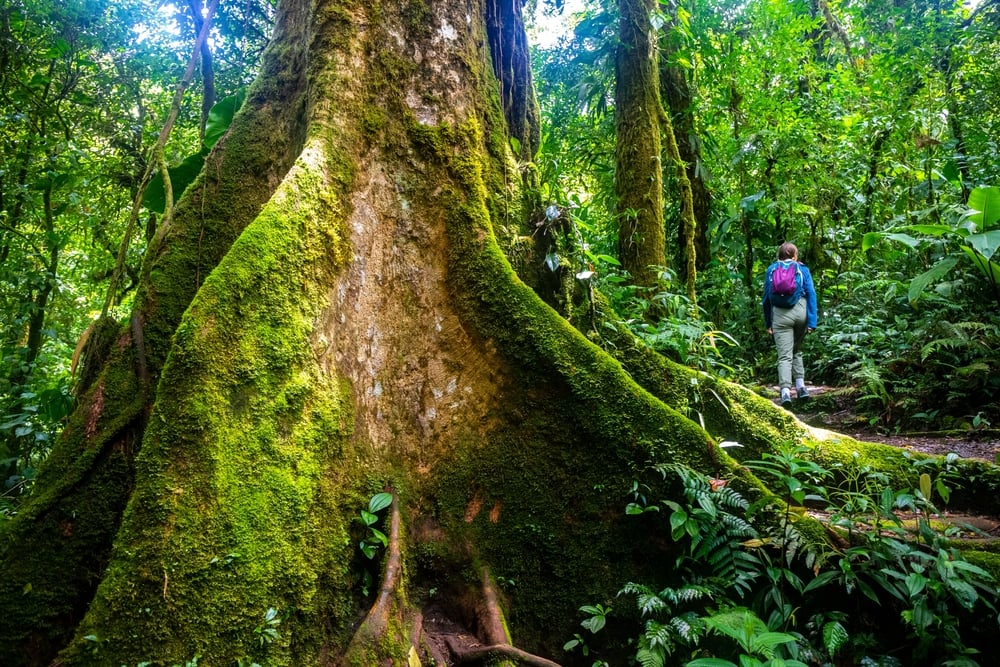
Being disconnected from nature can make you feel out of touch with yourself and your surroundings. Nature has a calming effect, and spending time outside can significantly reduce stress and anxiety. When you’re stuck indoors all the time, it’s easy to feel cooped up and restless. It’s like trying to experience a beautiful landscape through a tiny window; you miss the full picture.
Connecting with nature can help you find balance and peace in your life. Even a short walk outside can clear your mind and boost your mood. Nature reminds you of the bigger picture and helps you put things into perspective. It’s important to make time to get outside and enjoy the natural world around you. It’s a simple yet powerful way to enhance your well-being and find peace.


