
Wildfire smoke is no longer just a seasonal nuisance—it’s becoming a persistent public health threat that demands our attention. As once-rare events grow more frequent and intense, the impact of wildfire smoke on our health is set to become a much bigger problem in the U.S. From respiratory issues to mental health challenges, the intricate web of consequences is woven into the fabric of our daily lives.
1. Wildfires Are Increasing Respiratory Issues

With each inhale of smoky air, you may unknowingly draw harmful particles into your lungs. Wildfire smoke is a complex mix of gases and fine particles, with PM2.5 being the most concerning for your health. These particles penetrate deep into your respiratory system, exacerbating conditions like asthma and chronic obstructive pulmonary disease (COPD). According to the Environmental Protection Agency, even short-term exposure can lead to serious respiratory effects, especially in vulnerable populations.
Think about how much time you spend outdoors, or even near open windows, during fire season. The haze might seem distant, but the impact on your breathing is immediate and significant. For those with pre-existing conditions, it’s like adding fuel to the fire—literally. Taking proactive steps, like using air purifiers and limiting outdoor activities, can be crucial in preserving your respiratory health.
2. Wildfires Are Causing Cardiovascular Complications

Beyond the lungs, wildfire smoke shows no mercy to your heart. Research suggests that exposure to fine particulate matter from smoke can trigger a cascade of cardiovascular issues, including heart attacks and strokes. These particles create inflammation and oxidative stress, putting additional strain on your heart and blood vessels. It’s a reminder of how interconnected your body systems are, and how external factors can quietly wreak havoc inside.
You might be wondering how something so seemingly distant and natural can have such a profound effect on your heart health. Yet, those smoky air days are akin to prolonged exposure to cigarette smoke. The invisible assault is a silent but potent threat that doesn’t discriminate, affecting both the young and the elderly. Being vigilant and maintaining a heart-healthy lifestyle becomes even more critical during wildfire seasons.
3. Wildfires Stain Mental Health

When the air is thick with smoke, it’s not just your physical health that suffers—your mental well-being can take a hit too. The constant haze and confinement indoors can lead to increased anxiety, stress, and even depression. A study published in the journal Environmental Health Perspectives found that wildfire smoke exposure is linked to heightened psychological distress and a reduction in quality of life.
Imagine the unease of waking up to an orange sky, or the frustration of being unable to carry out daily routines. These disruptions can slowly chip away at your sense of normalcy and security. It’s important to acknowledge these feelings and seek support when needed. Prioritizing activities that bolster your mental health can serve as a crucial buffer during these challenging times.
4. Wildfires Make The Air Dangerous

The joys of outdoor activities are marred when wildfire smoke turns the air dangerous. Whether you’re an athlete or someone who simply enjoys a stroll in the park, the smoky haze can put a damper on your plans. It’s not just about the inconvenience—it’s about the genuine risk to your health from prolonged exposure to harmful pollutants. For fitness enthusiasts and casual walkers alike, this new normal means adapting routines to prioritize safety.
You may find yourself trading morning runs for indoor workouts or reconsidering that weekend hike with friends. It’s a stark reminder of how environmental changes can reshape our daily lives and leisure activities. But it’s also an opportunity to explore new ways to stay active. Indoor fitness classes, home workouts, and virtual group activities can offer alternative means to keep moving while safeguarding your health.
5. Wildfires Have Severe Economic Consequences
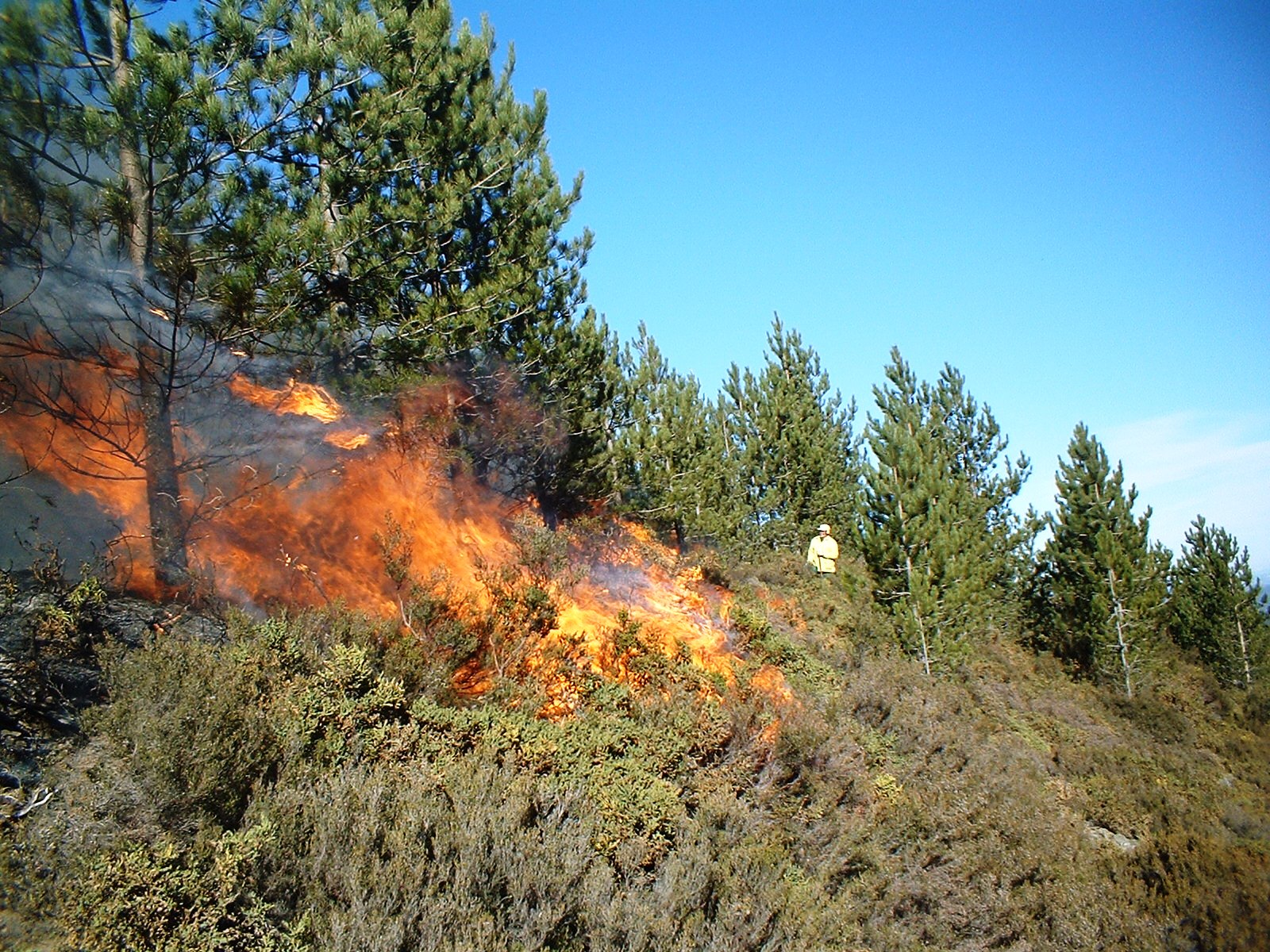
Wildfire smoke doesn’t just translate to personal health issues; its economic impact is staggering as well. From healthcare costs spiraling due to increased hospital visits to diminished productivity as workforces grapple with health-related absences, the financial toll is immense. A report from the National Bureau of Economic Research estimates billions in losses due to health-related expenses and reduced labor productivity during wildfire events.
Let’s not forget the hit to industries reliant on tourism and outdoor recreation, both of which suffer as visitors steer clear of smoky regions. Communities that thrive on fresh air and outdoor experiences face significant downturns, affecting livelihoods and local economies. This ripple effect underscores the broader implications of what might seem like a localized issue. It’s a stark reminder of how interconnected health and economic stability truly are.
6. Wildfires Harm Are Healthcare Systems
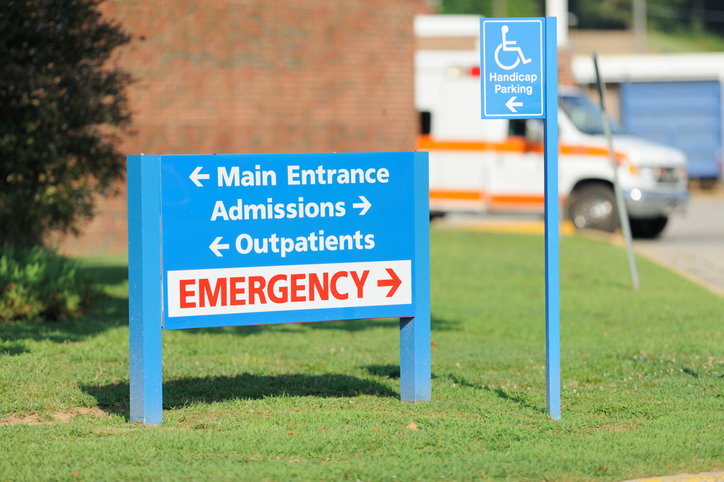
As wildfires grow in size and frequency, the resulting smoke puts additional pressure on healthcare systems. Hospitals and clinics must brace for a surge in patients experiencing respiratory and cardiovascular issues, stretching already limited resources. In regions frequently affected by wildfires, medical facilities are often pushed to the brink during peak smoke events. This strain can lead to longer wait times and reduced access to care for all patients.
Think about the added stress on healthcare workers, who must manage this increased demand while maintaining high standards of care. It’s a scenario that highlights the need for robust emergency preparedness plans and community support systems. For you and your loved ones, understanding how to protect your health before needing medical intervention is more important than ever. Educating yourself on preventative measures can be a pivotal part of the solution.
7. Wildfires Threaten Vulnerable Populations

It’s a sobering fact that wildfire smoke disproportionately affects the most vulnerable among us. Children, the elderly, and those with pre-existing health conditions face heightened risks due to their increased susceptibility to smoke exposure. A study published in the Journal of the American Medical Association emphasizes that these groups are particularly at risk for respiratory and cardiovascular complications during wildfire events.
Consider how these populations often have limited means to escape or mitigate the effects of smoke. Factors like socio-economic status, access to healthcare, and mobility can exacerbate their vulnerability. It’s a call to action for communities to band together, ensuring that everyone has the resources and support needed to weather the smoky seasons. Addressing these disparities is key to protecting those most at risk and fostering resilience in the face of this growing crisis.
8. Wildfires Make Air Quality Monitoring Difficult

Monitoring air quality becomes crucial as wildfire smoke increasingly pollutes our skies. However, the challenge lies in the inconsistent availability and accuracy of air quality data across regions. While urban areas may have sophisticated monitoring systems, rural communities often lack the resources to provide timely and adequate information. This disparity can leave people in affected areas without the necessary data to make informed decisions about their health.
You might rely on apps or news outlets to gauge air quality, but the quality of this information can vary significantly. Understanding the limitations and learning to interpret air quality indices yourself becomes a vital skill. It’s about taking control of what you can measure and adapting your daily activities accordingly. Being proactive and informed can help you navigate the uncertainties that come with smoke-filled air.
9. Wildfires Hurt Our Pets And Wildlife

While we’re busy protecting ourselves, it’s easy to overlook the impact of wildfire smoke on animals. Pets, much like people, are susceptible to the harmful effects of smoky air. Irritated eyes, coughing, and shortness of breath are common symptoms for our furry companions during smoke events. It’s essential to monitor their behavior and limit their outdoor exposure to reduce the risk.
On a larger scale, wildlife faces even greater challenges as habitats become shrouded in smoke. Animals must navigate changing landscapes and reduced air quality, which can affect their migration patterns and survival. It’s a reminder of the broader environmental impacts of wildfires and the interconnectedness of all living beings. Taking small steps to protect pets can translate into a broader awareness of environmental stewardship.
10. Wildfires Strain Our Firefighting Efforts

Firefighters are on the front lines battling the blazes that produce the smoke impacting our lives, but the task is daunting. The intensity and frequency of modern wildfires strain the resources and capacity of firefighting teams. These challenges not only affect their ability to control fires but also increase the physical and mental toll on the firefighters themselves. It’s a dangerous and demanding job made even more difficult by the sheer scale of today’s wildfire threats.
When you see news of brave firefighters in action, it’s a reminder of the human element behind every blaze. Their health and safety are just as critical as the communities they serve. Supporting policies and initiatives that enhance firefighting resources and prioritize firefighter health is essential. After all, their work is crucial in mitigating the very crises that affect us all.
11. Wildfires Cause Long-Term Environmental Damage

The smoke we see is just one part of the picture—wildfires are a catalyst for longer-term environmental change. Burned landscapes can lead to altered ecosystems, loss of biodiversity, and increased vulnerability to future fires. The immediate aftermath might feel like the end of the story, but the ripple effects on soil, water quality, and plant and animal life are profound and lasting. Recognizing these broader ecological impacts highlights the need for sustainable land management practices moving forward.
As you witness the aftermath of yet another wildfire season, consider the delicate balance of ecosystems and the role we play in their preservation. It’s a call to action for everyone to engage in conversations about land use, conservation, and climate change. While the effects on the environment might feel distant, they ultimately impact the air we breathe, the water we drink, and the food we eat. Being aware and proactive in advocating for environmental stewardship is crucial in addressing the root causes of these fires.
12. Wildfires Disrupt Educational

Schools and educational institutions are not immune to the challenges posed by wildfire smoke. Poor air quality can lead to class cancellations or the need for remote learning, disrupting educational routines and affecting student performance. The unpredictability of wildfire seasons means that contingency plans must be continuously updated and refined. It’s a reminder of how interconnected our education systems are with environmental conditions.
For students and parents, adapting to these changes requires flexibility and resilience. The shifts in learning environments can be challenging but also offer opportunities to explore new educational tools and methods. Understanding the importance of air quality and its impact on health can become a valuable part of the curriculum itself. Preparing the next generation to navigate these challenges is key to building a more resilient society.
13. Wildfires Have Policy And Regulation Gaps

Effective policies and regulations are crucial in mitigating the impact of wildfire smoke, yet gaps remain. While some regions have implemented strict air quality controls and emergency response plans, others lag, leaving residents vulnerable. The disparity in policy enforcement can lead to uneven protection and preparedness across communities. It’s a call for a more unified and comprehensive approach to address the cross-border nature of wildfire smoke.
Consider how local, state, and federal policies influence your daily life and well-being during fire season. Engaging with policymakers, supporting evidence-based regulations, and staying informed about legislative changes can empower you to advocate for stronger protective measures. It’s about ensuring that every community has the tools and support necessary to face the challenges of wildfire smoke. Collaboration and action are key to creating a safer and more resilient future.
14. Wildfires Are Spurred On By Climate Change

At the heart of the increasing wildfire smoke issue is climate change, a driver of the extreme weather conditions that lead to more frequent and intense fires. Rising temperatures, prolonged droughts, and shifting precipitation patterns create the perfect storm for wildfires to thrive. Understanding this connection is vital in addressing both the symptoms and root causes of wildfire-related health crises. It’s a reminder of the need for urgent climate action to mitigate future risks.
You might feel overwhelmed by the magnitude of climate change, but every action counts—whether it’s reducing your carbon footprint, supporting sustainable initiatives, or advocating for climate policies. The road to resilience requires collective effort and commitment to change. By understanding the links between climate change and public health, you can contribute to a movement that seeks to protect our planet and the health of future generations.


