

A lot of foods wear a “healthy” label now. The packaging is understated, the language is reassuring, and the marketing leans hard on words like natural, whole, and clean. The problem is that many of these foods are still heavily engineered, stripped down, and rebuilt to be shelf-stable and hyper-palatable. They look responsible in your cart, but they don’t behave that way in your body.
1. Flavored Yogurt
Yogurt has a solid reputation, so flavored versions feel like a safe upgrade. But many are packed with added sugars, stabilizers, and artificial flavors that push them closer to dessert than breakfast. The protein halo makes it easy to miss what’s actually inside.
What makes this frustrating is how routine it becomes. Yogurt turns into a daily habit, not an occasional treat. Over time, the sugar load adds up in a way most people don’t expect.
2. Protein Bars

Protein bars are marketed as fuel—clean, efficient, and functional. According to research published in The BMJ on ultraprocessed foods, many protein bars qualify as highly processed products due to their use of isolates, emulsifiers, artificial sweeteners, and synthetic fibers. They’re engineered to hit macros, not necessarily to nourish.
They’re convenient, which is why they stick around. But they often behave more like candy bars with better branding than like real food. The “protein” label does a lot of heavy lifting.
3. Plant-Based Meat Alternatives
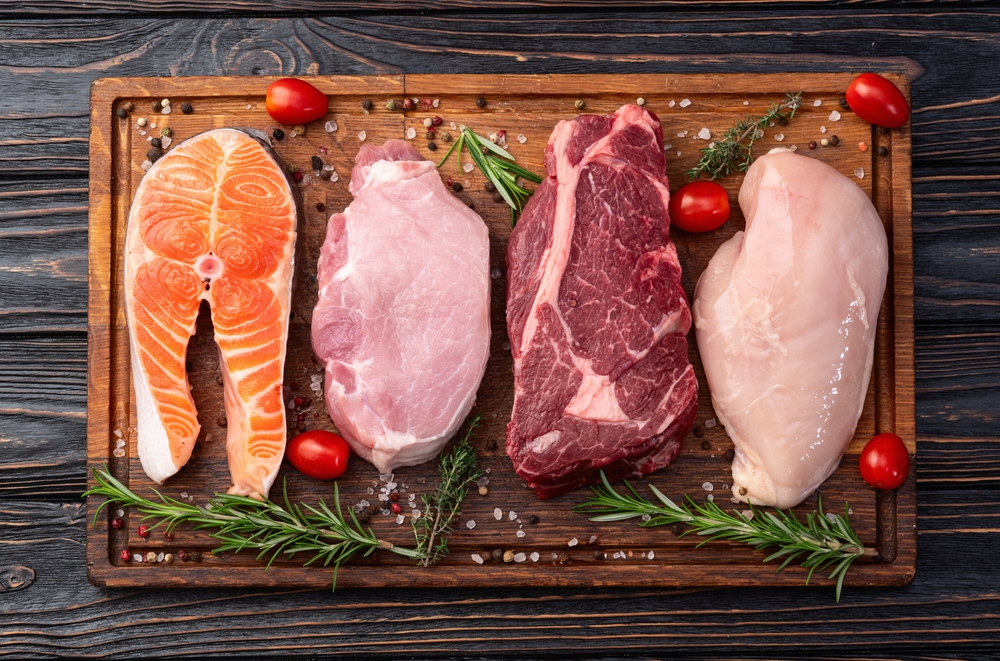
These products are often framed as a healthier or more ethical swap for meat. Ingredient lists tell a different story. Many are built from refined oils, protein isolates, binders, and flavor systems designed to mimic meat as closely as possible.
They can be useful in specific contexts, but they’re not simple foods. Treating them as a clean, everyday staple overlooks how industrial they actually are.
4. Granola
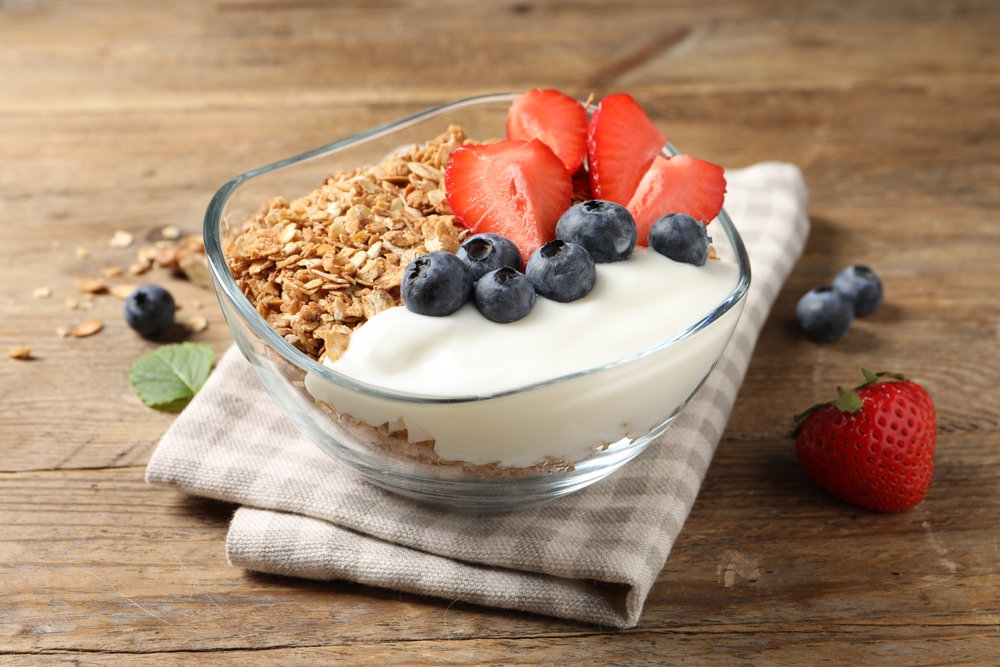
Granola sounds wholesome—oats, nuts, maybe a little honey. But research cited by Harvard Health shows that many commercial granolas are loaded with added sugars, oils, and processing steps that push calorie density far beyond what people assume. Portions quietly creep up.
It’s easy to pour without thinking. Granola doesn’t feel indulgent, so it doesn’t trigger caution. That’s part of why it can be so misleading.
5. Whole Wheat Bread

Whole wheat bread feels like the responsible choice. The name implies fiber, nutrients, and a closer connection to real grain. But many loaves labeled “whole wheat” are made from finely milled flour, added sugars, and dough conditioners that make the bread behave more like white bread in the body.
It feels so normal, though. It shows up in sandwiches, toast, and lunches without raising alarms. Over time, it becomes a daily exposure to something way more processed than the label suggests.
6. Packaged Smoothies

Smoothies are sold as drinkable nutrition—fruits, vegetables, and superfoods blended for convenience. According to analyses cited by the Center for Science in the Public Interest, many bottled smoothies contain as much sugar as soda, along with stabilizers and flavor additives that extend shelf life. The blending also breaks down fiber in ways that change how the body absorbs sugar.
They’re easy to consume quickly, which matters. Drinking calories bypasses many of the body’s fullness cues. What feels like a light, healthy choice can hit the bloodstream fast.
7. Low-Fat Or Fat-Free Snack Foods

Removing fat from food doesn’t make it simple. Research discussed by the American Heart Association shows that low-fat processed foods often compensate with added sugars, starches, and flavor enhancers to maintain taste. The result is a product that’s highly refined despite its health messaging.
These snacks encourage mindless eating. Without fat to slow digestion or signal satiety, it’s easy to keep reaching for more. The packaging promises control, but the experience does the opposite.
8. Adult Breakfast Cereals

Cereals aimed at adults use muted colors, minimalist fonts, and words like “ancient grains” or “energy.” Ingredient lists often reveal refined grains, sweeteners, and additives that aren’t far removed from kids’ cereal. The difference is branding, not formulation.
They’re easy to rely on because they feel grown-up and practical. But nutritionally, many don’t offer the stability people expect from a real breakfast.
9. Flavored Nuts And Trail Mixes

Nuts themselves are nutrient-dense, which gives flavored versions a healthy facade. Once sugar coatings, oils, and flavor powders enter the mix, the balance shifts. Portions become harder to control because the combination is designed to be craveable.
Trail mix especially blurs the line between food and snack candy. It looks rugged and wholesome, but it’s just a vehicle to be constantly snacking rather than nourishing your body.
10. Diet Soda And “Zero Sugar” Drinks

These drinks are often treated as a harmless alternative to soda. Artificial sweeteners, acids, colorings, and preservatives do most of the work. The formulation keeps the taste intense without calories.
But regular consumption can affect appetite, taste preferences, and gut responses. For many people, these drinks keep the cravings coming rather than reduce them, which keeps ultra-processed foods in the daily mix.
11. Bottled Salad Dressings

Salad dressing feels like a minor detail, but many bottled versions are built almost entirely from refined oils, stabilizers, added sugars, and flavor compounds. Even brands marketed as clean or natural often rely on processing to keep ingredients from separating and to extend shelf life.
Because dressing is used lightly but frequently, it becomes a steady source of ultraprocessed ingredients. It doesn’t feel indulgent, so it doesn’t get questioned, even though it can undo much of what makes the salad appealing in the first place.
12. Packaged Soups And Bone Broths

Soup carries a strong health association, especially when labeled as bone broth or immune-supporting. Many packaged versions depend on sodium, flavor concentrates, thickeners, and stabilizers to deliver consistency.
They can still feel light while delivering a heavy processing load. Regular use often contributes more additives than nutrients, especially when they replace homemade or simpler options.
13. Gluten-Free Packaged Snacks

Gluten-free doesn’t mean less processed. Many snacks replace wheat with refined starches, gums, and emulsifiers to recreate texture and shelf life.
These products are useful for medical needs, but for everyone else, they often function as another ultra-processed snack category. The label reassures, but the formulation stays complex.
14. Ready-To-Eat “Healthy” Freezer Meals

Frozen meals marketed as clean or balanced rely on industrial techniques to preserve flavor and texture. Even when calories are controlled, the ingredient lists tend to be long and technical.
They’re designed for convenience above all else. Used occasionally, they’re manageable. Used daily, they normalize ultra-processed eating.


