

You step off the plane, and suddenly, it’s not just the language that’s different. Everything from the air you breathe to the way people greet each other feels subtly, yet profoundly, unfamiliar. It’s only after you’ve walked the cobblestone streets of a faraway city or tried to navigate a public transport system in a foreign language that you begin to see your own country through a completely new lens. Traveling has a way of holding a mirror to your everyday reality, challenging you to rethink what’s “normal.” Here are 14 things you only come to realize about your own country once you’ve begun to explore the wider world.
1. Size Matters More Than You Thought
You never really consider the sheer size of your country until you find yourself in a place where a day trip can mean crossing international borders. In the U.S., for example, a road trip can lead you through several states without so much as a passport check, making it easy to forget that the vastness isn’t universal. According to National Geographic, the U.S. is nearly 2,800 miles from coast to coast, making it larger than many entire continents. When you travel to a country like Belgium or Switzerland, where people hop on a train and find themselves in another nation an hour later, you start to comprehend how geography shapes daily life. Suddenly, all those cross-country road trips feel like monumental journeys across an expansive land.
In smaller countries, people tend to have a broader understanding of their neighbors’ cultures and languages simply by necessity. Meanwhile, in larger countries, cultural variations are more internal, existing within regional differences rather than between neighboring nations. You may realize you’ve been living a somewhat insular life, thinking of your country as a world unto itself. Yet outside your borders, people navigate and negotiate an entirely different set of relationships with their immediate neighbors. This realization can prompt a newfound appreciation for the varied landscapes and cultures within your own country.
2. The Pace of Life is Relative
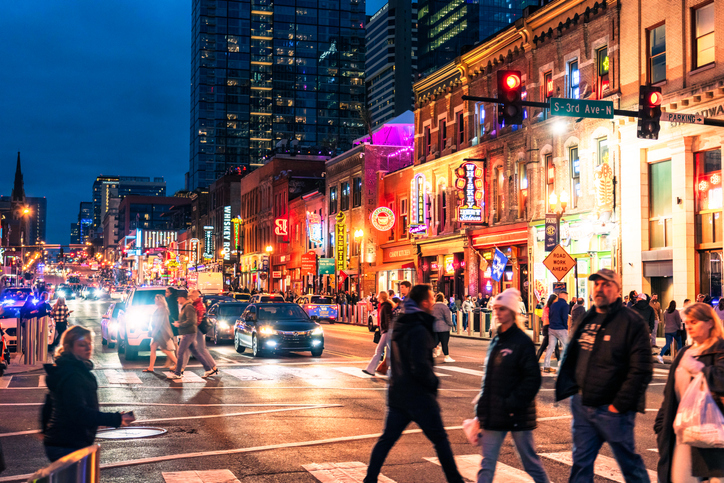
How fast or slow life feels often depends on where you are and what you’re used to. You might have thought your daily grind was just universally hectic until you find yourself in a Mediterranean town where the most pressing decision involves the timing of an afternoon siesta. Suddenly, there’s a different rhythm to life that makes your usual routine seem almost frenetic by comparison. It’s not just about how fast people walk or talk but rather an entire lifestyle that can make you question your own priorities. Do people seem more relaxed because they’re less stressed, or are they simply accustomed to a different flow?
Observing this can inspire you to evaluate how you spend your own time and what you consider productive. Maybe life doesn’t have to be a series of ticked-off to-do lists. There’s value in learning to savor the moment, to understand that productivity isn’t the only measure of a day’s success. Finding a balance between work and leisure is an art form, and it’s fully on display in places where people take time for long lunches and afternoon rest. You may find yourself wanting to integrate some of that leisure-oriented lifestyle back home.
3. Language Shapes Thought

When you’re immersed in a language other than your own, you realize just how much language shapes your perceptions and interactions. There are words and phrases in other languages that encapsulate feelings or ideas that English counterparts can only approximate. For example, the German word “Schadenfreude” and the Danish concept of “hygge” both describe uniquely specific feelings that don’t translate neatly into English. According to the linguist Guy Deutscher, the structure and vocabulary of a language can significantly impact how its speakers perceive the world. This understanding can make you appreciate the nuances in your own language while also sparking an interest in learning more about others.
Language also dictates cultural norms and expectations, such as how politeness or directness is expressed. You might find that people in some countries are more straightforward due to linguistic structures that favor brevity and clarity. Other cultures may lean on formalities and elaborate phrases to convey respect and politeness. These insights can make you more empathetic and adaptable, giving you the skills to better navigate intercultural interactions. Ultimately, you may return home with a heightened awareness of how powerful language truly is.
4. Food is a Cultural Identifier

You don’t truly appreciate your local cuisine until you’ve tasted it in contrast to culinary traditions from around the world. Each meal abroad becomes an adventure, a crash course in understanding a culture’s history and values. Whether it’s savoring street food in Bangkok or indulging in fresh pasta in Rome, food becomes a memorable part of your travel experience. You may realize that what you consider a “balanced meal” is completely different elsewhere, challenging your culinary notions and opening your palate to new flavors.
Food isn’t just sustenance; it’s a conversation starter and a medium for cultural exchange. When you’re abroad, you might find yourself learning about regional specialties that you never knew existed. You return home with a newfound appreciation for the diversity of flavors and the stories they tell. Perhaps you’ll even attempt to recreate some of these dishes, adding new spices and techniques to your culinary repertoire. Ultimately, you realize that food is more than a meal; it’s a cultural identifier that connects people across borders.
5. Social Norms Have Many Different Meanings

Before you travel, you could be forgiven for assuming that certain social norms are universal. After all, who hasn’t been taught that a firm handshake and eye contact are signs of respect? But step into a country with different customs, and you’ll quickly see how much these norms can vary. In Japan, bowing is a fundamental part of social interaction, while in parts of the Middle East, a soft handshake may be more appropriate. According to the anthropologist Edward T. Hall, what is considered polite or rude is deeply embedded in a culture’s unique social fabric.
Your newfound understanding of these differences can help you become more flexible and sensitive in social situations. You start to appreciate that what seems “normal” is simply one of many ways people interact. This realization can add a layer of complexity to how you engage with others, both abroad and at home. You become more attuned to non-verbal cues and cultural subtleties, enhancing your ability to communicate effectively. As a result, you’re likely to carry these lessons back into your personal and professional interactions.
6. Public Transport is a Universal Puzzle

Navigating public transport in a foreign country can feel like solving a particularly challenging puzzle. Every system has its quirks, from the efficient bullet trains of Japan to the intricate underground networks of European cities. You quickly learn that the ease of transport isn’t universal, and what works smoothly in one city might be a maze in another. You start to appreciate well-designed systems that make it easy for locals and tourists alike to get from point A to point B. In contrast, you realize how frustrating poorly designed or underfunded systems can be.
This experience can make you more appreciative of your own country’s public transport system, flaws and all. You become more patient and adaptable, as you learn to decode maps and signs, sometimes in languages you don’t understand. These skills are transferable, making you more resourceful and confident when tackling new challenges. It’s a reminder that while convenience is relative, the ability to adapt is universally valuable. Ultimately, you come home with a deeper appreciation for what works and a more forgiving attitude toward what doesn’t.
7. Health and Wellness are Cultural Concepts

Health isn’t just a matter of diet and exercise; it’s a concept that varies widely across cultures. When you travel, you may encounter different attitudes towards health, wellness, and even medical treatment. In Scandinavian countries, for instance, wellness often includes time spent in nature and a focus on mental health, which is supported by government policies. According to the World Health Organization, these countries often rank high in global health metrics due to their holistic approach. Recognizing these differences can prompt you to reevaluate your own perceptions of what it means to be healthy.
You might discover that wellness in other countries integrates practices you hadn’t considered, such as meditation, community support, or alternative medicine. This broader spectrum of wellness can encourage you to explore new practices that you can incorporate into your life. You start to see that health isn’t a one-size-fits-all concept but a deeply personal journey influenced by cultural norms. This perspective shift can lead to a more balanced and adaptable approach to your own health and wellness. It’s a reminder that while some concepts are universal, the ways we achieve them can be wonderfully diverse.
8. Historical Context Shapes Identity

Traveling immerses you in histories that have shaped the people and places you visit. Every museum, monument, and local story you encounter adds layers to your understanding of a nation’s identity. You start to see how deeply historical events influence modern culture and attitudes. Whether it’s the impact of colonialism, wars, or revolutions, history is an ever-present backdrop to daily life. This realization can deepen your appreciation for the complexities of your own national identity.
Back home, you may start to notice the historical echoes in your own culture that you once took for granted. You gain a better understanding of why people think and act the way they do, based on a shared history. This insight makes you more empathetic and open-minded, giving you the ability to appreciate different perspectives. Your travels teach you that history is not just a subject in school but a living, breathing element that shapes societies. You return with a richer, more nuanced understanding of both your own country and the world at large.
9. Environmental Priorities Vary Wildly

When you travel, you observe how different cultures prioritize environmental issues. Some countries are leaders in sustainable practices and renewable energy, setting benchmarks for the rest of the world. Others may struggle with pollution and conservation, facing challenges that seem worlds apart from what you’re used to. Witnessing these variations can be eye-opening, prompting you to reassess your own country’s environmental policies and practices. This experience can inspire you to advocate for better practices at home or adopt more sustainable habits in your own life.
Seeing the range of environmental priorities also highlights the global nature of ecological challenges. You realize that while solutions are often localized, the problems themselves are interconnected and require international cooperation. This understanding can foster a sense of responsibility and urgency about environmental issues. You might return home with a greater desire to be part of the solution, whether through activism, education, or personal lifestyle changes. Ultimately, you understand that while priorities may differ, the health of the planet is a shared responsibility.
10. Education Systems Influence Worldviews

Education is more than just reading, writing, and arithmetic; it’s a powerful tool that shapes how people view the world. Traveling exposes you to different education systems and philosophies, from the rigorous academic focus in parts of Asia to the experiential learning approach in Scandinavian countries. These experiences can highlight the strengths and weaknesses of your own country’s educational framework. It’s eye-opening to see how different systems prepare students not just for careers but for life itself. You begin to appreciate the diversity of thought and problem-solving that different educational backgrounds foster.
These insights can lead you to question the educational priorities at home, potentially inspiring you to advocate for changes or innovations. You might find yourself valuing critical thinking and creativity over rote memorization, or vice versa. The exposure to different educational paradigms can also give you a broader perspective on global challenges, as you see how young people are prepared to tackle them. Ultimately, you return with a deeper understanding of how education shapes not just individuals but entire societies. It becomes clear that while methods differ, the goal remains to cultivate informed, capable citizens.
11. Religion and Spirituality are Deeply Personal

Travel introduces you to a multitude of religious and spiritual practices, each with its own set of beliefs and traditions. Whether you’re visiting temples in India or cathedrals in Europe, you witness firsthand how deeply ingrained these practices are in daily life. This exposure can challenge your own beliefs, prompting introspection and a renewed understanding of faith. You start to see religion and spirituality as personal journeys that vary significantly from person to person, even within the same faith. It’s a reminder of the diversity of human experience and the various paths people take in search of meaning.
These encounters may inspire you to explore different spiritual practices or deepen your understanding of your own faith. You begin to appreciate the role of religion in shaping cultures and communities, providing a sense of belonging and purpose. This realization can make you more empathetic and open-minded, as you recognize the personal significance of faith in people’s lives. You return home with a more nuanced perspective, aware that while beliefs differ, the quest for meaning is universal. Ultimately, travel teaches you that spirituality is a deeply personal and profoundly human experience.
12. Economic Disparities are Stark

Traveling exposes you to the economic realities faced by people in different parts of the world. You witness firsthand the stark contrasts between wealth and poverty, sometimes within the same city. These disparities can be jarring, challenging your assumptions about economic success and opportunity. You start to see how historical, political, and social factors contribute to these inequalities, offering a more comprehensive understanding of global economic issues. This experience can inspire a greater sense of empathy and a desire to contribute to meaningful change.
Back home, you may find yourself questioning the economic systems and policies that govern your own society. You gain a greater appreciation for the opportunities you’ve had, as well as a renewed awareness of those who have been less fortunate. This understanding can drive you to become more engaged in efforts to address economic disparities, whether through advocacy, volunteering, or supporting fair trade initiatives. Ultimately, you realize that while economic challenges are complex, they are not insurmountable. Travel opens your eyes to the realities faced by others, inspiring you to work toward a more equitable world.
13. Technology Adoption is Uneven

When you travel, you see firsthand how technology is adopted and integrated into daily life around the world. Some countries are at the forefront of technological innovation, with smart cities and cutting-edge infrastructure. Others may lag behind, relying on older technologies or struggling with limited access to the internet. These differences can highlight the digital divide that exists globally, prompting you to reevaluate your own relationship with technology. You start to appreciate the conveniences that technology affords while also recognizing its limitations and potential consequences.
This exposure can inspire you to become more mindful of your technology use and more appreciative of the access you have. You may find yourself considering the ethical implications of technological advancements, as well as the importance of bridging the digital divide. The experience can also encourage you to explore new technologies and innovations, staying informed about global trends. Ultimately, travel teaches you that while technology is a powerful tool, its impact is not uniformly felt. You return home with a broader perspective, aware of the opportunities and challenges that technology presents worldwide.
14. Hospitality is a Universal Language

One of the most heartwarming realizations you have while traveling is that hospitality transcends cultural barriers. No matter where you are in the world, people are often eager to welcome you into their homes, offer a meal, or share a story. This universal hospitality can be a powerful reminder of the kindness and generosity that exist across cultures. You experience firsthand the warmth and connection that come from shared meals and genuine conversations. It’s a testament to the human spirit and the inherent goodness that can be found in people everywhere.
These experiences can inspire you to be more open and welcoming in your own life, extending hospitality to others in your own community. You begin to see the value in creating connections and building relationships, regardless of cultural differences. This realization can also encourage you to explore opportunities for cultural exchange, fostering understanding and empathy across borders. Ultimately, you return home with a renewed appreciation for the simple acts of kindness that make the world a brighter place. Travel teaches you that while cultures may vary, the language of hospitality is universal.


