

Flushing things down the toilet might seem like an easy way to get rid of waste, but it’s not without consequences. Toilets are designed for human waste and toilet paper, but not much else. Unfortunately, many people still think of them as trash cans, leading to plumbing issues and environmental damage. Let’s go through a list of items you should never flush, even if it seems like a harmless choice at the moment.
1. Wet Wipes
While they might look like toilet paper, wet wipes are not the same. They’re often made from synthetic fibers that don’t break down like regular toilet paper. Even those labeled “flushable” can cause problems in plumbing systems. A study from Ryerson University found that none of the 101 products tested met the criteria for flushability. Flushing them can lead to clogged pipes, sewer overflows, and environmental damage.
Many cities spend millions on unclogging pipes and sewer lines due to flushed wipes. When they accumulate, they can combine with other debris to form massive blockages known as “fatbergs.” These obstructions can lead to sewage backups into homes and local waterways. It’s not just about your pipes; it’s about the entire community’s plumbing system. So, next time, think twice and toss those wipes in the trash instead.
2. Feminine Hygiene Products

Tampons and pads are designed to absorb moisture, not break down in water. Flushing them can quickly lead to blockages in your plumbing. These products expand when wet, causing them to get stuck in pipes. They can also accumulate over time, leading to costly repairs. It’s best to wrap them up and dispose of them in the trash.
Besides the risk of plumbing issues, flushing feminine products contributes to pollution. These items often end up in water bodies, harming marine life. Sewage treatment plants aren’t equipped to filter them out effectively. This leads to long-lasting environmental consequences. For the sake of your pipes and the planet, always dispose of feminine products in the trash.
3. Dental Floss

Dental floss might seem harmless, but it’s not biodegradable and can cause serious plumbing issues. It’s made of nylon or Teflon, which don’t break down in water. Once flushed, it can wrap around other debris, forming large clogs. Floss can also get tangled in sewage pumps, leading to costly damage. It’s best to dispose of dental floss in the trash where it belongs.
Floss can also contribute to environmental pollution. When it reaches water bodies, it can endanger marine life by entangling animals. Its non-biodegradable nature means it persists in the environment for years. By tossing it in the trash, you’re helping to prevent these negative impacts. Remember, even small items like floss can have a big impact when flushed.
4. Cotton Swabs

Cotton swabs might seem small and innocent, but they can cause big problems when flushed. Made from plastic or paper sticks with cotton tips, they don’t break down easily in water. They can get lodged in pipes, leading to blockages and backups. Over time, they can accumulate and cause significant damage to plumbing systems. Instead of flushing, throw them in the trash after use.
Beyond plumbing issues, cotton swabs pose a threat to the environment. Sweeping through sewage systems, they often find their way into rivers and oceans. Once there, they can be ingested by marine animals or contribute to pollution. Their plastic components are particularly harmful, as they take years to degrade. By choosing the trash can over the toilet, you’re helping protect both your home and the planet.
5. Hair

Hair might seem like a natural material to flush, but it doesn’t break down easily in water. It can create knots and tangles in pipes, leading to stubborn clogs. Dr. Elizabeth Scott, a public health expert, notes that hair can bind with other materials, making blockages more severe. Over time, these clogs can lead to costly plumbing repairs. To avoid this, dispose of hair in the trash, not the toilet.
In addition to plumbing headaches, flushed hair can contribute to environmental issues. Once it makes its way through sewage systems, it can end up in water bodies, where it poses risks to wildlife. Hair can entrap or be ingested by marine creatures, causing harm. By keeping hair out of your toilet, you’re helping maintain a healthier ecosystem. Always use a trash bin for hair disposal, whether it’s from a brush or a shower drain.
6. Paper Towels
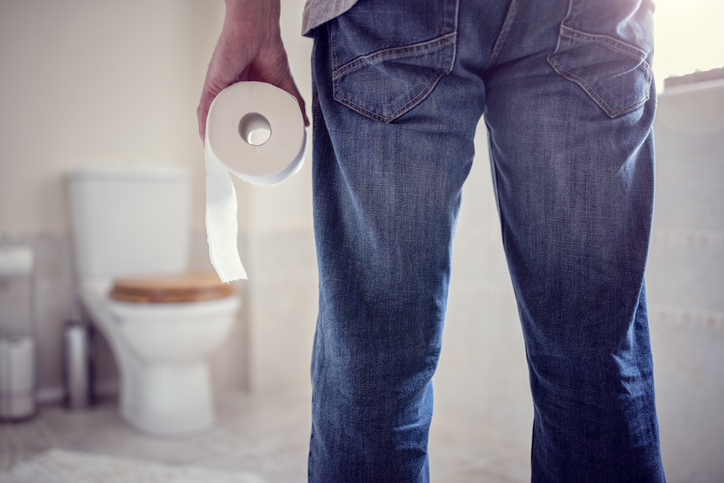
Paper towels might look similar to toilet paper, but they’re much thicker and designed to be more durable. This durability means they don’t break down as quickly in water, leading to blockages in plumbing systems. When flushed, they can accumulate and cause significant clogs. Over time, this can result in severe plumbing problems that require professional intervention. For this reason, it’s best to dispose of them in the trash, not the toilet.
Furthermore, flushing paper towels contributes to environmental waste. They’re often made from virgin paper, which means more trees are cut down for their production. When they end up in sewage systems, they strain water treatment facilities and can end up polluting water bodies. By tossing them in the trash, you’re making a more environmentally conscious choice. Remember, toilets are for toilet paper, not paper towels.
7. Medications

Flushing medications might seem like a safe way to dispose of them, but it can have harmful environmental consequences. Pharmaceuticals flushed down the toilet can contaminate water supplies. Dr. Emma Rosi, an ecologist, emphasizes that these chemicals can endanger aquatic life and disrupt ecosystems. Wastewater treatment plants are not equipped to filter out all drug residues. Instead of flushing, take advantage of local drug take-back programs for safe disposal.
In addition to ecological impacts, improperly disposed of medications can pose public health risks. Traces of pharmaceuticals can make their way back into drinking water sources, potentially affecting human health. By participating in take-back programs, you help ensure that these substances are managed responsibly. Doing so protects both the environment and the community’s well-being. Always choose safe disposal methods for any unused or expired medications.
8. Cooking Grease

Pouring cooking grease down the toilet might seem convenient, but it’s a recipe for disaster. When grease cools, it solidifies, causing blockages in pipes and sewers. This can lead to severe plumbing issues that require expensive repairs. The grease combines with other debris to form fatbergs – massive, hard clogs that can choke entire sewer systems. To prevent these problems, let the grease cool and dispose of it in the trash.
Flushing grease also poses environmental risks. When it reaches water bodies, it can create oily films that harm aquatic life. These films can block sunlight and oxygen from reaching the water, disrupting ecosystems. By disposing of grease properly, you’re helping to protect your home and the environment. Always let grease solidify and throw it away in the trash, not the toilet.
9. Cigarette Butts

Cigarette butts might seem small and harmless, but they can cause significant harm when flushed. They’re made from cellulose acetate, a type of plastic that doesn’t break down easily in water. This can lead to clogs in plumbing systems and contribute to pollution. When they end up in water bodies, they release toxic chemicals that harm aquatic life. Instead of flushing, extinguish them and throw them away in the trash.
Beyond plumbing issues, cigarette butts are a major environmental pollutant. They’re the most littered item in the world, and flushing only exacerbates the problem. Once in the ocean, they release harmful substances that can poison marine animals. By disposing of cigarette butts properly, you’re contributing to a cleaner, healthier environment. Remember, the trash can is the best place for those butts.
10. Band-Aids

Band-aids might seem small and harmless, but they’re made from materials that don’t break down easily in water. The combination of plastic and adhesive means they can cause blockages in plumbing systems. When flushed, they can accumulate with other debris, leading to significant clogs. Over time, this can result in costly plumbing repairs. For this reason, it’s best to dispose of them in the trash, not the toilet.
In addition to plumbing issues, flushed band-aids can contribute to environmental pollution. Once they reach water bodies, they can pose risks to wildlife. The plastic components can take years to degrade, causing long-term harm to ecosystems. By tossing them in the trash, you’re making a more environmentally friendly choice. Remember, even small items can have a big impact when flushed.
11. Cat Litter

Flushing cat litter might seem like a quick solution, but it’s not suitable for plumbing systems. Most cat litters are made from clay or other materials that don’t dissolve in water. Flushing them can lead to clogs in pipes and sewage systems. Over time, the accumulation of litter can result in serious plumbing issues. Instead, scoop out waste and dispose of it properly in the trash.
Beyond plumbing problems, flushing cat litter can pose environmental risks. Some litters contain chemicals or fragrances that can harm water quality. Additionally, cat waste may contain pathogens that treatment plants aren’t equipped to handle. By disposing of litter in the trash, you’re protecting both your home and the environment. Always use the trash can for cat litter to prevent these issues.
12. Chewing Gum

Chewing gum might be small, but it can cause big problems when flushed down the toilet. It’s designed to be sticky and resilient, which means it doesn’t break down in water. Once flushed, it can adhere to pipes and other debris, leading to blockages. Over time, this can cause significant plumbing issues that require costly repairs. For this reason, it’s best to throw gum in the trash, not the toilet.
In addition to plumbing problems, chewing gum can contribute to environmental pollution. Once it makes its way through sewage systems, it can end up in water bodies. There, it poses risks to wildlife, which may mistake it for food. By disposing of gum properly, you’re helping to protect the environment. Remember, the trash can is always the best place for your gum.
13. Stickers And Labels

Stickers and labels might seem like harmless paper, but they can cause issues when flushed. They’re often made with adhesives that don’t break down easily in water. This can lead to clogs in plumbing systems and contribute to pollution. Over time, the adhesives and paper can accumulate, causing significant blockages. Instead of flushing, always remove and dispose of them in the trash.
Beyond plumbing issues, flushed stickers and labels can impact the environment. Once they reach water bodies, they can pose risks to wildlife. The adhesive and paper components can persist in the environment, causing long-term harm. By disposing of them properly, you’re making a more environmentally friendly choice. Remember, the trash can is always the best place for stickers and labels.
14. Diapers

Flushing diapers might seem like a quick solution, but it’s a bad idea for your plumbing. They’re designed to absorb moisture and expand, not break down in water. This means they can cause serious blockages in pipes and sewage systems. Over time, the accumulation of diapers can lead to costly repairs. Instead, wrap them up and dispose of them in the trash.
In addition to plumbing issues, diapers pose environmental risks when flushed. They contain materials that can harm water quality and wildlife. Once in water bodies, they can take years to degrade, causing long-term pollution. By disposing of them in the trash, you’re helping to protect both your home and the environment. Always choose the trash can over the toilet for diaper disposal.


