

Storing food can sometimes feel like a game of Tetris, trying to fit everything in the fridge. But did you know some items don’t belong there in the first place? Certain foods are best kept in the cabinet, not only to save precious fridge space but also to maintain their quality and flavor. Let’s go through a list of common items that you might be refrigerating unnecessarily. You might be surprised by which ingredients thrive better outside the chilly confines of your refrigerator.
1. Coffee
You might think storing coffee in the fridge keeps it fresh, but it’s actually doing the opposite. The cold and moist environment of the fridge can cause condensation, leading your coffee to absorb unwanted moisture. This moisture can degrade the quality of your coffee, making it stale and affecting its flavor. Instead, store your coffee in an airtight container in a cool, dark cabinet to retain its freshness. According to the National Coffee Association, proper storage of coffee is crucial to preserving its rich flavors and aromas.
Refrigerating coffee can also lead to the absorption of other food odors, which is something you definitely want to avoid. Imagine your morning cup of joe with a hint of last night’s leftovers—definitely not appealing. The best way to enjoy a fresh cup is to keep your grounds or beans in a dry area where they’re less likely to absorb other scents. By doing this, each brew will taste as fresh as it should. So, make the switch to cabinet storage and savor the true essence of your coffee.
2. Tomatoes

Tomatoes often lose their flavor and texture after hanging out in the fridge. The cold air breaks down the cell structure, making them mushy and bland. To keep that vibrant taste and firm flesh, store them on your countertop or in a cabinet. They’ll continue to ripen naturally, giving you sweeter and more flavorful tomatoes. It’s all about maintaining that delicious, garden-fresh quality.
When it comes to tomatoes, their ripening process is essential for flavor. Refrigeration disrupts this process, leaving you with less than ideal results. By keeping them at room temperature, you ensure they develop their natural sugars and acids. This gives tomatoes their characteristic tang and sweetness. So, for a more flavorful salad or sandwich, let your tomatoes breathe outside the fridge.
3. Bread

You might think the fridge will keep bread fresher for longer, but it actually speeds up the staleness. According to Harold McGee, a food scientist and author, refrigeration causes bread to undergo retrogradation, a process where the starch molecules crystallize, leading to quicker staling. Instead, store bread in a bread box or a cabinet to keep it soft and fresh. If you have a surplus, freezing it is a better option for preserving its texture. When you want to enjoy your bread, just thaw and give it a quick toast.
Bread thrives in an environment where it can breathe a bit but not too much, which is why a bread box is ideal. The fridge inadvertently dries bread out, which is the opposite of what you’re trying to achieve. Whether it’s a loaf of sourdough or a batch of bagels, keeping them at room temperature maintains their integrity. If you’re concerned about mold, buy in smaller quantities and consume it within a few days. For long-term storage, consider freezing your bread, which preserves its moisture and taste.
4. Potatoes

Potatoes can become gritty and overly sweet when stored in the fridge. The cold temperature turns the starches into sugars more quickly, which affects their taste and texture. Instead, keep potatoes in a cool, dark place, like a cabinet or pantry, where they can maintain their natural state. Avoid storing them in plastic bags, which can trap moisture and lead to spoilage. A paper bag or a basket works best to allow air circulation.
When potatoes are stored in the fridge, they can develop a grainy texture when cooked. This is because the cold environment alters their chemical structure. To keep your potatoes firm and flavorful, a cabinet or pantry is a much better option. Ensure they are kept away from onions, which can cause them to sprout faster. With the right storage conditions, you’ll enjoy perfect potatoes every time.
5. Honey

Honey is one of those magical foods that never spoils, so there’s no need to keep it in the fridge. In fact, refrigeration speeds up the crystallization process, making honey thick and grainy. According to a study by the National Honey Board, honey is best stored at room temperature to maintain its smooth consistency. Store it in a cool, dry cabinet to enjoy its natural sweetness and smooth texture. This way, your honey will always be ready to drizzle over your favorite dishes.
Crystallized honey can be a hassle to deal with, often leading people to waste it instead of using it. By storing it in a cabinet, you’ll avoid this issue altogether. If crystallization does happen, gently warming the honey in a bowl of hot water can return it to its liquid state. This simple trick saves you money and ensures that you always have usable honey on hand. Keep it in a tightly sealed container for best results.
6. Onions

Onions have no business being in the fridge, as the moisture can make them soft and moldy. Instead, store them in a cool, dry place where air can circulate around them, like a pantry or cabinet. Keeping them in a mesh bag or a basket allows them to breathe, prolonging their freshness. Avoid storing them with potatoes, as this can cause both to spoil faster. Proper storage will ensure you always have a crisp onion for your cooking needs.
The cold environment of the fridge can actually promote sprouting and spoilage in onions. Not only does this waste food, but it also leads to a less-than-ideal cooking experience. A cabinet or pantry offers the right balance of cool and dry conditions that help onions last longer. By keeping them separate from potatoes, you extend their shelf life and preserve their sharp, pungent flavor. This simple switch can make a big difference in your kitchen’s efficiency.
7. Garlic
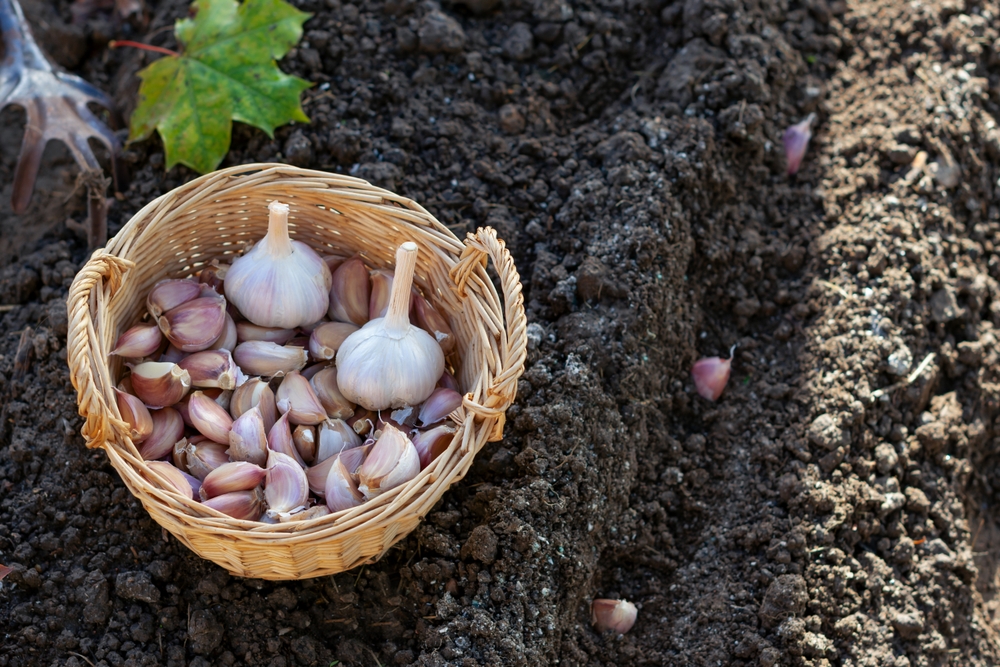
Garlic doesn’t belong in the fridge because it thrives in dry, cool places with good air circulation. Storing garlic in the fridge might cause it to sprout, leading to a loss of its robust flavor. A study by Dr. Linda Harris from the University of California recommends storing garlic in a ventilated container in a cabinet or pantry. This method maintains its pungency and ensures it remains a staple in your cooking. When stored correctly, garlic can last for months, providing a burst of flavor whenever you need it.
Refrigeration can also cause moisture to seep into the garlic, promoting mold growth. This not only affects its taste but also its safety for consumption. A dry storage area, like a cabinet or pantry, allows garlic to retain its natural oils and flavor. You’ll notice the difference in your dishes when using properly stored garlic. So, for a more flavorful and efficient kitchen, keep your garlic out of the fridge.
8. Hot Sauce

Hot sauce generally has a high vinegar content, acting as a preservative and making refrigeration unnecessary. The spicy condiment can easily be stored in a cabinet, maintaining its flavor for months or even years. Refrigeration might dampen the intensity of the flavors, which is not what you want. Keeping it on a pantry shelf ensures it’s always ready to spice up your meals. Plus, room temperature hot sauce pours more smoothly.
The beauty of hot sauce is in its long shelf life, thanks to its acidic nature. Putting it in the fridge might seem like a safe bet, but it can alter the consistency of the sauce. A kitchen cabinet is a perfect spot to store this fiery condiment. You’ll maintain its vibrant color and perfect pourability by keeping it out of the cold. Enjoy a consistent kick with every use by letting your hot sauce live outside the fridge.
9. Peanut Butter

Storing peanut butter in the fridge can make it hard and difficult to spread. The oils within peanut butter solidify in the cold, making it lose its creamy texture. To keep your peanut butter at its best, store it in a cabinet where it can maintain its natural, spreadable consistency. An airtight container can help preserve its freshness and prevent it from drying out. Whether it’s on a sandwich or a spoon, room-temperature peanut butter is always more enjoyable.
Refrigerating peanut butter also risks altering its flavor profile. The cold can dull the rich, nutty taste that makes peanut butter so beloved. By keeping it in a cabinet, you allow the flavors to remain robust and true. Spreadability and taste are key when it comes to peanut butter, and the right storage method ensures both. Next time you reach for the jar, make sure it’s from the pantry, not the fridge.
10. Chocolate

While you might think keeping chocolate in the fridge prevents it from melting, it can actually lead to a condition known as “sugar bloom.” This is when moisture draws sugar to the surface, creating a grainy texture and dull appearance. To maintain its glossy finish and smooth texture, store chocolate in a cool, dry cabinet. Direct sunlight or warm environments can melt it, but a steady, cool room temperature keeps it just right. This way, you enjoy every piece just as the makers intended.
Refrigeration can also affect the flavor balance in chocolate, causing it to pick up other food odors. Chocolate’s rich, nuanced flavors are best appreciated when stored properly. By keeping it in a cabinet, you avoid these pitfalls and ensure a perfect bite every time. A cabinet also protects chocolate from the temperature fluctuations that can occur in a fridge. For true chocolate lovers, the difference is noticeable and worthwhile.
11. Olive Oil

Olive oil should be kept out of the fridge as the cold can cause it to crystallize and turn cloudy. This change in texture doesn’t harm the oil, but it can make it difficult to use and alter its taste. The best place for olive oil is a cool, dark cabinet, away from direct heat and light. This keeps it in a liquid state and maintains its rich flavor profile. A tightly sealed container will also help preserve its freshness.
When exposed to cold temperatures, olive oil can solidify and lose its smooth pourability. This is far from ideal, especially if you use olive oil regularly for cooking or dressing salads. A cabinet provides the right environment to keep it flavorful and fluid. Light and heat can degrade olive oil, so proper storage ensures its quality remains intact. For those who appreciate the nuances of good olive oil, this simple change makes a big impact.
12. Pickles
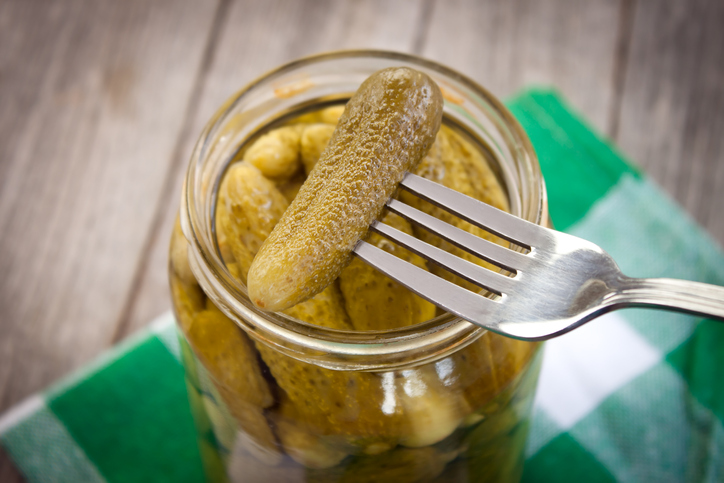
You might think the fridge is the best home for pickles, but their brine is an effective preservative. Stored in a fridge, pickles can lose some of their crispness over time. A pantry or cabinet offers the ideal conditions to maintain their crunch and tangy flavor. Just make sure they’re tightly sealed to avoid any leaks or spills. Plus, having pickles at room temperature means they’re always ready to enjoy right out of the jar.
Pickles can endure longer periods at room temperature due to their acidic and salty brine. This not only preserves them but enhances their flavor, making them a versatile kitchen staple. Storing them in a cabinet ensures they remain fresh and flavorful without the risk of becoming mushy. If crispness and taste are important to you, then pantry storage is the way to go. Your sandwiches and snacks will thank you for keeping pickles in prime condition.
13. Berries

Berries seem like a natural fit for the fridge, but they often fare better outside it, at least for short-term storage. Refrigeration can make them lose flavor and become mushy more quickly. If you plan to consume them within a day or two, keeping them on the counter can help retain their natural sweetness. For longer storage, refrigerating is fine, but room temperature allows them to ripen and enhance their taste. Make sure to wash them just before eating to prevent mold.
The fridge might seem like a safe haven for berries, but it can also hasten spoilage. Cold temperatures can dull their vibrant flavors, leaving you with lackluster fruit. A short stay outside the fridge allows the berries to breathe and develop deeper sweetness. Proper storage and timely consumption make a big difference in flavor. By keeping them out for just a bit, you enjoy a juicier, more delightful berry experience.
14. Ketchup

Ketchup is another condiment that doesn’t need the fridge once opened. Its high vinegar content acts as a natural preservative, allowing it to be stored in the cabinet. Keeping ketchup at room temperature helps maintain its flavor and makes it easier to pour. Refrigeration can change its consistency, making it thicker and harder to use. So, let it live next to the mustard and relish in your pantry.
While it might seem comforting to refrigerate all condiments, ketchup thrives outside. The acidity within helps keep it fresh and tangy without additional chilling. A cabinet or pantry shelf is not only space-efficient but flavor-friendly for your ketchup bottle. You’ll notice it’s much easier to drizzle on fries or burgers when stored this way. So, make the switch for a more convenient and tasty condiment experience.


