

Finding a place to call home where you don’t have to constantly worry about natural disasters is a relief for many. Living in an area that’s less prone to such calamities can mean peace of mind and fewer disruptions to your daily life. While no place is entirely immune to Mother Nature’s whims, some states in the U.S. tend to be safer than others. Here’s a rundown of 14 states where you might have a better shot at avoiding major natural disasters.
1. Michigan
Michigan is often overlooked as one of the safest places from natural disasters, but it deserves a closer look. Nestled in the Midwest, this state is largely shielded from the hurricanes that can wreak havoc on coastal areas. Plus, its inland location means it’s much less likely to experience earthquakes. According to John Renne, a professor of urban and regional planning at Florida Atlantic University, Michigan’s geography makes it less vulnerable to extreme weather events compared to many other states. For those seeking a safe haven, Michigan offers a good balance of natural beauty and relative safety from natural disasters.
Residents of Michigan face their own set of weather challenges, like heavy snowfall in the winter. But, unlike hurricanes or tornadoes, snowstorms are predictable, and you can prepare in advance. This predictability allows for effective planning and minimizes potential damage. Moreover, Michigan’s infrastructure is designed to handle the snowy conditions, making it a manageable inconvenience. It’s a small trade-off for living in a state with fewer natural threats.
2. Maine
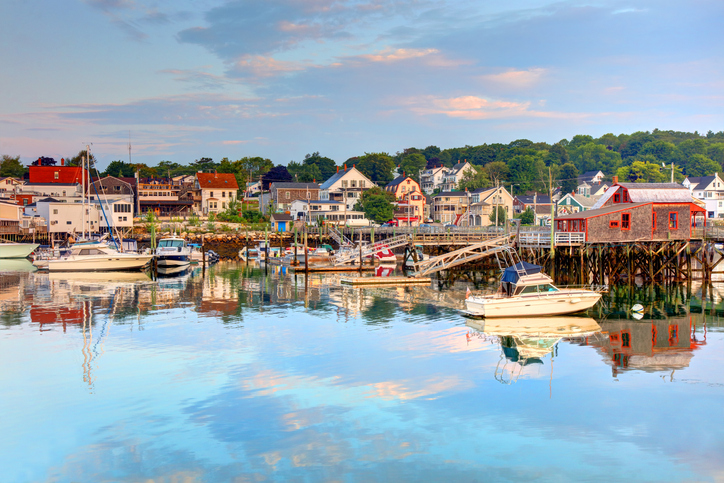
Maine is another state that offers a respite from many natural disasters. Positioned in the far northeastern corner of the U.S., it’s less likely to see the intense weather events that plague other regions. The state doesn’t face the constant threat of tornadoes or hurricanes, and its distance from major fault lines reduces the risk of earthquakes. Maine’s climate is generally stable, with distinct seasons that seldom bring severe surprises. For many, the prospect of being far from the typical storm paths is an appealing one.
While Maine does experience its fair share of snow and cold, the area is well-equipped to handle it. Residents are accustomed to preparing for the winter months, and the infrastructure supports heavy snowfalls. People often find the beauty of Maine’s snowy landscapes worth the occasional inconvenience. Plus, the cold climate can be a draw for those who appreciate winter sports and outdoor activities. Overall, Maine provides a sense of safety with its lower risk of natural disasters.
3. Vermont

Vermont often flies under the radar when it comes to discussions about safe states, but it has a lot going for it. As a state that rarely experiences extreme weather, it offers a level of comfort to those worried about natural disasters. Dr. Alice Hill, a senior fellow for energy and the environment at the Council on Foreign Relations, notes that Vermont’s location and topography protect it from many severe weather events. Earthquakes are rare, and it sits comfortably outside the hurricane belt. This makes Vermont an appealing choice for those looking to avoid the more chaotic elements of nature.
The state’s biggest weather challenge tends to be its cold winters, much like its neighbor, Maine. However, residents are well-prepared for the snow and frigid temperatures, and they embrace the winter season. Vermont’s charm is its ability to transform the cold months into a time for skiing, snowboarding, and cozy fireside gatherings. The infrastructure is well-suited to handle snow, making disruptions minimal. With its low risk of natural disasters and picturesque landscapes, Vermont offers a peaceful place to call home.
4. Illinois

Illinois might surprise you as a safer state, but its central location shields it from many extreme weather events. Unlike states on the coasts, Illinois is free from the threat of hurricanes. Tornadoes are a possibility, but they are less frequent than in other parts of the Midwest. Earthquakes are rare, and the state has a generally stable climate. For those who prefer not to worry about natural disasters, Illinois presents a viable option.
The state does have to contend with harsh winters, which bring plenty of snow and cold temperatures. Yet, like its neighbors in the Midwest, Illinois is well-prepared for winter weather. Residents often find ways to enjoy the season, with winter festivals and activities. While snow can be a headache, it doesn’t compare to the unpredictability of hurricanes or tornadoes. When weighing the pros and cons, Illinois offers a relatively safe environment from the worst of nature’s fury.
5. Minnesota

Minnesota, known as the Land of 10,000 Lakes, also boasts a reputation for safety from natural disasters. The state’s location in the northern U.S. keeps it away from the hurricane-prone areas along the coast. According to a study published by the University of Minnesota’s Department of Geography, the state’s risk of severe weather events is relatively low. Earthquakes are nearly non-existent, and tornadoes are less frequent than in the southern plains. For those seeking a balance of scenic beauty and safety, Minnesota is a strong contender.
Winter can be harsh in Minnesota, with temperatures often plunging well below freezing. However, the state is equipped to handle the cold, with infrastructure designed to withstand icy conditions. Residents have adapted to the climate, turning winter into a time for ice fishing, skiing, and enjoying the snowy landscape. While winter poses its challenges, it’s predictable and manageable, especially for those used to cold climates. Minnesota’s low risk of natural disasters makes it a sensible choice for those prioritizing safety.
6. Colorado

Colorado offers a different kind of natural beauty, with its stunning mountains and outdoor lifestyle. While the state isn’t entirely immune to natural disasters, it avoids many of the severe weather events common to other regions. Hurricanes and coastal storms are non-issues here, thanks to its inland location. Tornadoes can occur, but are less frequent than in states located in Tornado Alley. For outdoor enthusiasts who prioritize safety, Colorado provides a landscape that’s both beautiful and relatively safe from disasters.
The biggest natural challenge in Colorado is the wildfire risk, especially in the dry, hot summer months. However, the state actively works on fire prevention and management strategies to minimize this risk. Residents are informed about fire safety and preparedness, which helps to mitigate potential damage. Wildfires aside, the moderate climate and low risk of other natural disasters make Colorado an appealing choice. With its focus on safety and proactive measures, Colorado offers a balanced lifestyle.
7. Utah

Utah stands out as a state with a low risk of natural disasters, making it a safe bet for those looking to avoid them. It’s away from hurricane zones, and while earthquakes can occur, they are infrequent and generally minor. Dr. David Schwartz, a geologist with the U.S. Geological Survey, emphasizes that Utah has one of the lowest seismic risks in the western U.S. The state also experiences fewer tornadoes compared to places further east. This makes Utah a less stressful environment when it comes to dealing with nature’s unpredictability.
While Utah’s climate can be challenging, especially in terms of heat and dryness, it doesn’t usually result in catastrophic events. The desert environment means that heavy rain and flooding are rare occurrences. Residents often enjoy the predictability of living in a place where you don’t need to worry about hurricanes or frequent earthquakes. The trade-off is the arid climate, but for many, the benefits of safety outweigh the downsides. Utah’s natural beauty and low risk profile offer a compelling reason to consider it as a safe place to live.
8. Wisconsin

Wisconsin is another state that offers a reprieve from the dramatic weather events found elsewhere. Its location in the north-central U.S. reduces the risk of hurricanes, major earthquakes, and frequent tornadoes. The state enjoys a relatively stable climate, making it a comfortable place for those uneasy about natural disasters. While it does experience cold winters, the challenges they present are manageable. This stability makes Wisconsin an attractive option for those looking for a safer environment.
In the winter months, Wisconsin gets its fair share of snow and ice, but it’s nothing the state isn’t prepared to handle. Residents are accustomed to bundling up and navigating snowy roads, and the infrastructure is designed to manage these conditions. The cold weather is simply a part of life, and most people find ways to embrace it. Snowy landscapes provide a backdrop for winter sports and outdoor activities, turning the chilly season into something to look forward to. Wisconsin’s lower risk of natural disasters makes it a comforting choice for many.
9. North Dakota

North Dakota might not be the first place you think of when considering safety from natural disasters, but it has a lot going for it. The state is far from hurricane zones, and earthquakes are virtually non-existent. Tornadoes can occur, but they are infrequent and usually not severe. This makes North Dakota a low-risk area in terms of natural disasters. For those who prioritize safety, it’s a strong contender.
The state’s biggest weather concern tends to be its harsh winters, with cold temperatures and significant snowfall. However, North Dakotans are well-prepared for winter’s challenges. The infrastructure is up to the task, and residents have adapted to the cold climate. Winter is a time for embracing the snow and enjoying activities like ice fishing and snowmobiling. With its low risk of major natural disasters, North Dakota offers peace of mind to those who call it home.
10. Connecticut

Connecticut may seem like an unlikely choice when you think about natural disaster safety, but it has some strong points. Although it’s located on the Eastern Seaboard, it’s typically less impacted by hurricanes compared to its southern neighbors. The state’s geography helps buffer against the worst of the storms. Earthquakes are rare, and tornadoes occur infrequently. This makes Connecticut a viable option for those seeking a safer living environment.
One of the challenges Connecticut faces is dealing with snow and winter weather. However, this is par for the course in New England, and residents are well-prepared for it. The state’s infrastructure is designed to handle snow, and people know how to navigate the winter months. Snowy winters bring opportunities for skiing and cozy firesides, turning challenges into pleasures. With a lower risk of severe natural disasters, Connecticut is a comforting choice for many families.
11. New Hampshire

New Hampshire offers another option in New England for those seeking refuge from natural disasters. Its inland position means it’s less susceptible to hurricanes compared to coastal regions. The state also experiences a few earthquakes and tornadoes, adding to its appeal as a safe haven. New Hampshire’s climate is generally stable, with predictable seasonal changes. This predictability allows residents to prepare and adapt without the worry of unexpected natural disasters.
Winter can be challenging in New Hampshire, with cold temperatures and heavy snowfall. However, the state is equipped to handle winter weather, with well-maintained roads and structures designed to withstand snow. Residents are accustomed to winter’s demands and often find joy in the season’s activities. From skiing to winter festivals, there’s plenty to enjoy during the colder months. New Hampshire’s lower risk of natural disasters and scenic beauty make it an attractive place to live.
12. Ohio

Ohio isn’t often highlighted for its safety from natural disasters, but it offers a level of security that’s worth considering. Located in the Midwest, it’s far enough from the coast to avoid hurricanes. Earthquakes are rare, and while tornadoes can happen, they are not a frequent occurrence. This makes Ohio a stable and secure option for those concerned about natural disasters. The state offers a reliable and comfortable environment for its residents.
The main weather challenge in Ohio tends to be its cold winters and occasional severe thunderstorms. Despite this, the state is well-prepared to handle these conditions, with infrastructure and emergency systems in place. Residents are used to dealing with winter weather and find ways to enjoy it, whether through winter sports or indoor activities. While summer storms can bring heavy rain, they are usually short-lived and manageable. Ohio’s balance of safety and stability makes it a solid choice for many families.
13. Montana
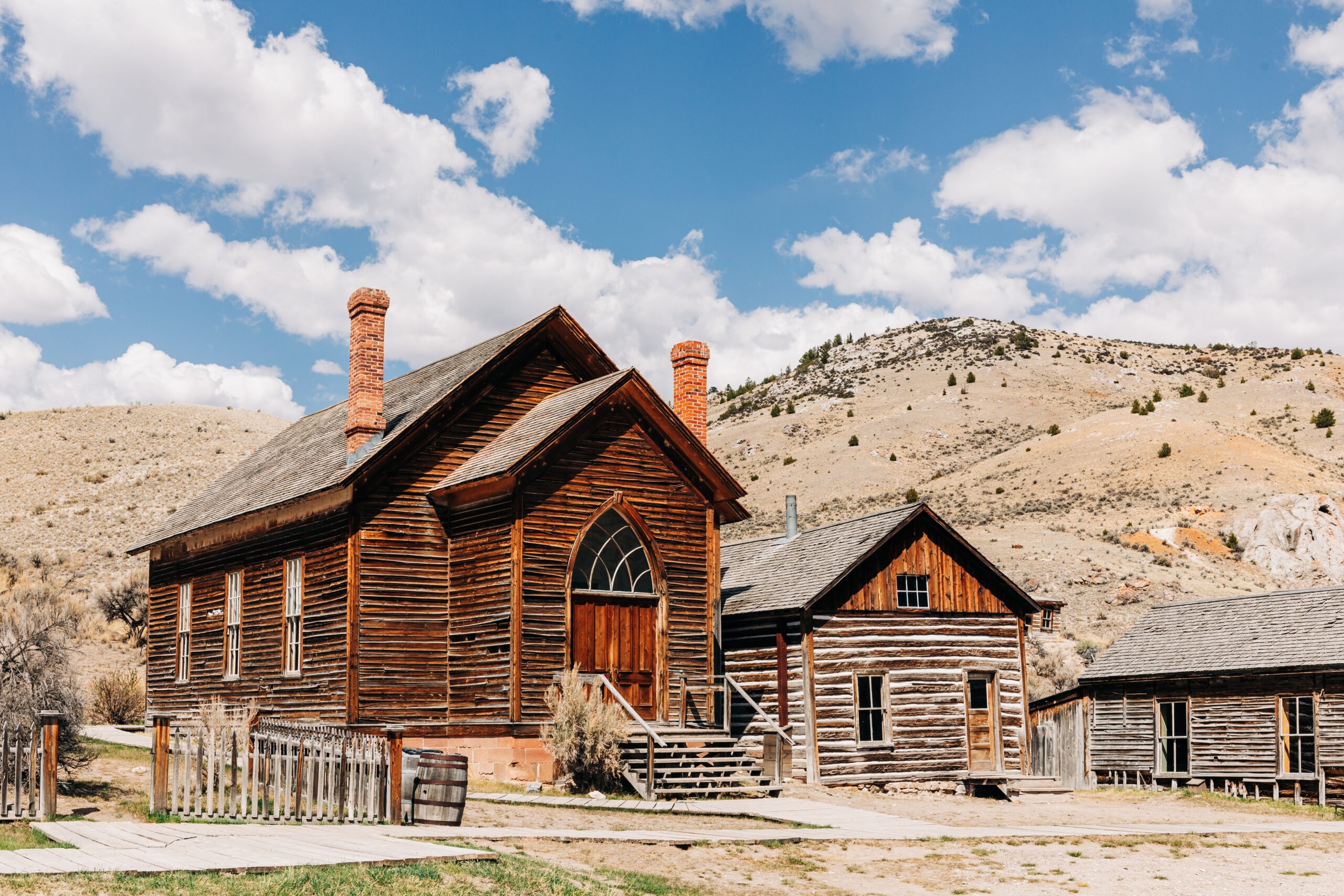
Montana is a place where the natural beauty of the landscape is complemented by a low risk of natural disasters. Earthquakes are possible but typically minor, and the state is well away from hurricane paths. Tornadoes are rare, making it a peaceful place for those worried about extreme weather events. Montana’s climate is generally predictable, with distinct seasons that bring their own charm. This predictability allows residents to enjoy the state’s natural beauty without constant worry.
Winters in Montana can be long and cold, but they also offer opportunities for adventure and enjoyment. Residents are well-acquainted with the demands of winter and have adapted to make the most of it. From skiing to ice fishing, the cold months provide a backdrop for outdoor fun. The state’s infrastructure is equipped to handle snow and ice, minimizing disruptions. With its low risk of natural disasters, Montana provides a sense of security for those calling it home.
14. Iowa

Iowa might not be the first state you think of when it comes to safety from natural disasters, but it has its advantages. It’s far from the coast, so hurricanes are not a concern, and earthquakes are rare. Tornadoes can occur, but they are less frequent than in some other parts of the Midwest. The state’s weather is generally stable, providing a comfortable living environment. For those looking to avoid the chaos of natural disasters, Iowa presents a compelling choice.
Winter in Iowa brings cold temperatures and snow, but these are predictable and manageable challenges. The state is well-prepared for winter weather, with infrastructure designed to cope with snow and ice. Residents find ways to embrace the season with winter activities and community events. While the winters can be harsh, they also provide opportunities for fun and community bonding. Iowa’s low risk of natural disasters makes it a sensible choice for those seeking stability.


