
Donald Trump’s public persona is loud, forceful, and relentlessly self-assured. But behind closed doors, former aides, advisors, and staffers—many of whom were loyal until they weren’t—have painted a far less flattering picture. Through interviews, books, testimony, and off-the-record accounts, a pattern emerges that’s less about ideology and more about temperament, impulse, and management style. What follows isn’t rumor or partisan caricature. It’s what people who worked closest to him say they witnessed firsthand.
1. He Routinely Ignored Briefings He Didn’t Like
Multiple former staffers have described how Trump would disengage from intelligence briefings if the information contradicted his instincts or preferred narrative. Reports indicate he often skimmed written materials, asked for his name to be highlighted, or redirected conversations toward topics that interested him more. Complex or nuanced information frustrated him, particularly if it required patience or follow-up.
What disturbed aides wasn’t disagreement—it was disinterest. Decisions were sometimes made without fully absorbing the underlying facts. For a president, that pattern alarmed staff who understood the stakes. The issue wasn’t skepticism; it was selective attention.
2. He Frequently Pitted Staff Against One Another

Former aides have said Trump fostered competition and confusion by giving conflicting instructions to different people. Rather than clarifying chains of command, he often encouraged rivalries and rewarded whoever delivered results—or praise—fastest. This created an environment where loyalty mattered more than coordination.
Staffers described a culture of anxiety, where information was hoarded and alliances shifted constantly. The lack of internal trust made consistent policy execution difficult. Chaos wasn’t a side effect—it was baked into how the workplace functioned.
3. He Was Obsessive About Personal Image

Accounts from former staff consistently point to Trump’s fixation on optics. He reportedly monitored television coverage obsessively, tracked crowd sizes, and demanded immediate rebuttals to perceived slights. Staff were often tasked with managing not policy outcomes, but emotional reactions to media narratives.
This preoccupation shaped priorities. Decisions were sometimes evaluated based on how they would “look” rather than how they would function. For aides trying to manage governance, image frequently overrode substance.
4. He Took Criticism Extremely Personally
Former staffers have said Trump struggled to separate criticism of his actions from attacks on his identity. Pushback—even internal—was often interpreted as betrayal. This made honest counsel risky, especially when delivering bad news.
As a result, aides learned to soften language or avoid raising concerns altogether. The feedback loop narrowed over time. Staff who challenged him tended not to last, reinforcing an echo chamber around his preferences.
5. He Changed Positions Based on Who Spoke to Him Last

Several former officials have described Trump as highly impressionable in the moment. A persuasive conversation, cable news segment, or trusted voice could dramatically shift his stance—sometimes within hours. Consistency was difficult to maintain.
This volatility frustrated staff tasked with implementing decisions that might reverse without warning. Policy became fluid not because of new evidence, but because of new influence. For insiders, it created constant instability.
6. He Delegated Poorly but Micromanaged Selectively
Staff accounts suggest Trump oscillated between detachment and intrusion. He often avoided detailed oversight, then suddenly intervened in minor decisions that caught his attention. This unpredictability made planning difficult.
Aides were left guessing which issues would trigger involvement. Large-scale strategy might receive little input, while trivial details drew intense focus. The imbalance weakened organizational coherence.
7. He Valued Loyalty Over Competence
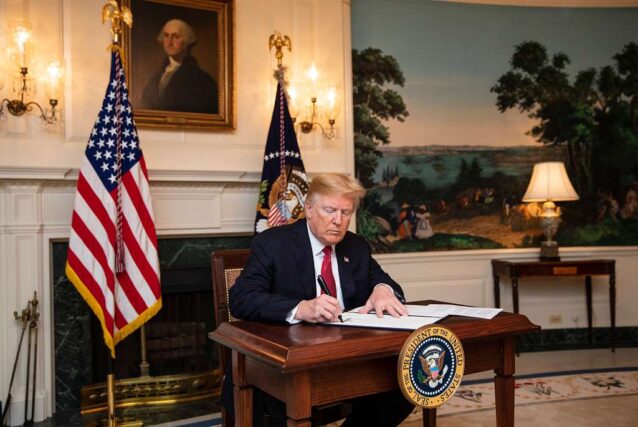
Many former staffers have said Trump prized personal loyalty above expertise. Advisors who defended him publicly or flattered him privately were often elevated, even if they lacked relevant experience. Conversely, qualified staff who contradicted him were sidelined.
This dynamic shaped hiring, retention, and internal culture. Competence mattered less than allegiance. Over time, this narrowed the pool of voices willing—or able—to operate effectively within his orbit.
8. He Had Little Tolerance for Complexity or Ambiguity

Former aides have said Trump preferred clear winners and losers, simple explanations, and immediate outcomes. Issues that required nuance, patience, or long-term tradeoffs often lost his attention quickly. Staff learned that presenting layered analysis could backfire if it felt too abstract or unresolved.
This made governing in a complex global system especially difficult. Problems that didn’t lend themselves to simple framing were either delayed or oversimplified. The discomfort with ambiguity pushed decision-making toward blunt solutions, even when the situation demanded precision.
9. He Frequently Undermined His Own Team Publicly

Numerous staffers have described the shock of being contradicted, corrected, or criticized by Trump in public settings, including press conferences and on social media. Statements made internally would be reversed without warning. Loyalty did not guarantee protection from public rebuke.
This behavior eroded internal trust and credibility. Aides struggled to represent administration positions confidently, knowing they could be disavowed at any moment. The unpredictability weakened both morale and authority.
10. He Treated Governance Like a Performance
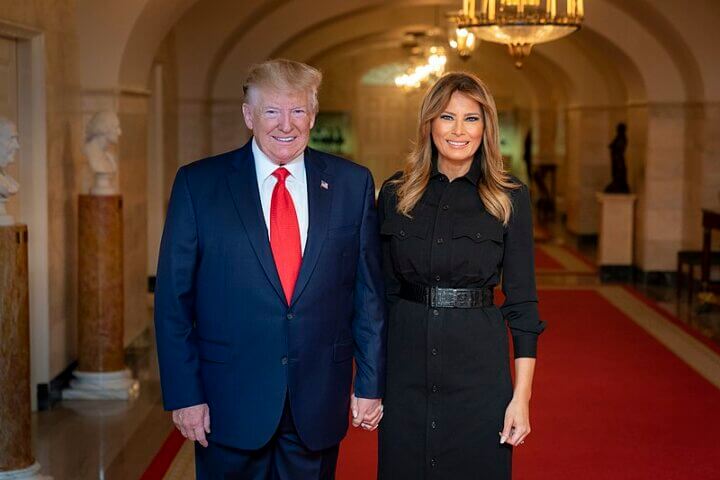
Staff accounts often describe Trump approaching the presidency as an extension of branding rather than administration. Rallies, television appearances, and crowd response carried disproportionate weight in shaping his priorities. Governing tasks that lacked spectacle received less enthusiasm.
This blurred the line between leadership and entertainment. Policy became secondary to audience reaction. For aides focused on outcomes rather than optics, the imbalance was a constant source of friction.
11. He Struggled to Absorb Information That Challenged His Self-Image
Former insiders have noted that Trump reacted defensively to information that portrayed him as uninformed, wrong, or at fault. Briefings that contradicted his self-perception were often dismissed or reframed. Admitting error was seen as a weakness rather than a course correction.
This limited adaptive learning. Mistakes were harder to acknowledge, and strategies harder to revise. Staff learned that protecting ego was often necessary to keep conversations moving forward at all.
12. He Created a Culture of Exhaustion and Crisis Management

Many aides have described the pace of work as relentless and reactive. Emergencies were frequent, often driven by Trump’s own statements or actions. Staff spent enormous energy responding to self-created crises rather than advancing long-term goals.
The environment left little room for stability or reflection. Burnout was common, turnover high. For many insiders, survival replaced strategy as the primary focus.
13. He Rarely Took Responsibility for Outcomes
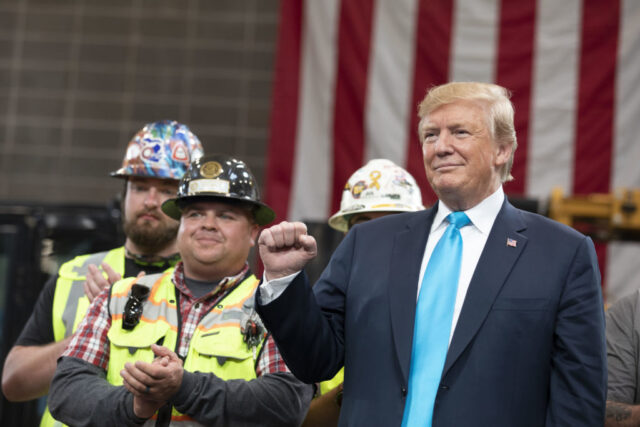
Former staffers have said Trump was quick to claim credit for perceived successes but distanced himself from failures. Blame was often redirected toward aides, opponents, or external forces. Accountability flowed downward, not upward.
This shaped internal dynamics sharply. Staff learned that proximity to power carried risk as well as prestige. Mistakes—real or perceived—could end careers abruptly.
14. He Left Many Staffers Emotionally Drained and Disillusioned
Perhaps the most consistent thread across post-White House interviews is emotional exhaustion. Even aides who supported Trump’s goals described feeling worn down by volatility, unpredictability, and constant tension. The job demanded not just labor, but emotional regulation.
For many, leaving wasn’t ideological—it was psychological. The cumulative effect of chaos, loyalty tests, and public exposure took a lasting toll. What staff revealed afterward wasn’t bitterness so much as relief.


