

Brushing your teeth is one of those things you’ve been doing for so long, it feels like second nature, right? Well, it turns out that even if you’ve been diligently brushing twice a day, there might be some common missteps you’re making without realizing it. Let’s dive into these 14 ways we might have been brushing our teeth wrong all along and see if any of them sound familiar to you.
1. Not Brushing Long Enough
Many of us think a quick scrub will suffice, but most dentists recommend brushing for a full two minutes. That’s 120 seconds, which might feel like an eternity if you’re rushing out the door, but it’s essential for thorough cleaning. According to Dr. Alice Boghosian, a spokesperson for the American Dental Association (ADA), brushing for less than two minutes means those hard-to-reach places don’t get the attention they need. You might end up with plaque build-up, which can lead to cavities or gum disease down the line. Next time you brush, try setting a timer or playing a short song to ensure you hit that two-minute mark.
Brushing for two minutes also gives your fluoride toothpaste more time to work its magic. Fluoride needs time to strengthen your enamel, making it more resistant to acid attacks from plaque bacteria and sugars. If you cut your brushing short, you might not be reaping the full benefits of your toothpaste. Plus, taking those extra seconds ensures you’re cleaning each tooth surface effectively. So, invest those two minutes; your teeth will thank you for it.
2. Using The Wrong Toothbrush

Not all toothbrushes are created equal, and using the wrong type can be ineffective or even harmful. Most experts recommend a soft-bristled toothbrush, as hard bristles can wear down enamel and irritate gums. If you’re using a toothbrush with stiff bristles thinking it will clean better, you might be doing more harm than good. Consider the size of the brush head too; it should comfortably fit in your mouth and allow you to reach all areas. It might be worth consulting your dentist for a recommendation suited to your specific dental needs.
The kind of handle and grip can also make a difference in your brushing effectiveness. If the toothbrush is uncomfortable to hold, you may not angle it correctly or apply the right amount of pressure. Some people find that power brushes help them clean more efficiently. Electric toothbrushes often come with built-in timers and pressure sensors to aid in more effective brushing. Whether manual or electric, the best brush is one you’ll use consistently and correctly.
3. Brushing Too Hard

Brushing harder doesn’t mean brushing better. In fact, applying too much pressure can damage your gums and enamel. The enamel is the hardest substance in your body, but it isn’t indestructible. According to a study published in the Journal of Clinical Periodontology, aggressive brushing can contribute to receding gums and enamel abrasion. The key is to use a gentle, circular motion with a light grip on your toothbrush, much like holding a pen.
If you’re unsure about how much pressure to apply, try letting your toothbrush do most of the work. Some modern electric toothbrushes have built-in pressure sensors that alert you if you’re brushing too hard. This feature can be particularly helpful in breaking the habit of aggressive brushing. Remember, it’s not a scrubbing contest; it’s more about technique than force. Just focus on being thorough yet gentle.
4. Skipping Your Gums

While it’s important to brush your teeth, don’t neglect your gums. They form the foundation of a healthy mouth, and failing to clean them can lead to gum disease. When brushing, angle your toothbrush at a 45-degree angle towards the gum line. This ensures you’re removing any plaque hiding where your teeth meet your gums. Healthy gums are just as important as healthy teeth, so treat them with care.
Neglecting your gums can have repercussions beyond bad breath or yellow teeth. Gum disease can cause inflammation, lead to tooth loss, and even affect your overall health. Some studies have linked gum disease to conditions like heart disease and diabetes. Make sure you give your gums as much attention as your pearly whites. A little care can go a long way in maintaining both your oral and overall health.
5. Not Replacing Your Toothbrush Often Enough

How often do you actually remember to change your toothbrush? If it’s been more than three to four months, it’s time for a new one. The ADA recommends replacing your toothbrush every three to four months, or sooner if the bristles are frayed. Dr. Kim Harms, a dental expert with the ADA, emphasizes that worn bristles are less effective at cleaning teeth and removing plaque. A fresh toothbrush will ensure you’re getting the most out of each brushing session.
Bacteria can also accumulate on your toothbrush over time. While it’s not something to panic about, a regularly swapped toothbrush is more hygienic. After all, you don’t want to be putting old germs back into your mouth. Keeping an eye on your toothbrush’s condition can also serve as a reminder for regular dental check-ups. A small change like this can make a big difference in your oral health routine.
6. Forgetting To Brush Your Tongue

Your tongue can be a breeding ground for bacteria, yet it’s commonly overlooked in the brushing routine. Not brushing your tongue can lead to bad breath and even affect your overall oral hygiene. Using the bristles of your toothbrush or a tongue scraper, gently clean your tongue from back to front. This simple step can significantly reduce the bacteria and food particles lingering in your mouth. In fact, a clean tongue can improve your sense of taste and contribute to fresher breath.
Moreover, brushing your tongue can help prevent plaque buildup on your teeth. The texture of your tongue can trap tiny food particles, on which bacteria thrive. By including your tongue in your brushing routine, you’re tackling one of the main sources of bad breath. This step is quick and easy, so there’s no reason to skip it. Just a few extra seconds can make a noticeable difference in your oral hygiene.
7. Using The Wrong Technique

There’s more to brushing than just moving the brush back and forth. A proper technique can make a huge difference in the effectiveness of your cleaning. According to a report by the British Dental Journal, using a circular motion is generally more effective at removing plaque than a horizontal scrub. The circular technique helps reach all surfaces of your teeth and is gentler on your gums. It’s also recommended to hold the brush at a 45-degree angle to your gums to get the best results.
Another common technique mistake is brushing in a straight line. This method might seem efficient, but it often misses the spaces between teeth and along the gum line. Instead, try to focus on small, gentle circles over each tooth and along the gum line. This ensures a more thorough clean and helps prevent gum erosion. A little technique adjustment can lead to significantly better oral health outcomes.
8. Neglecting The Back Teeth
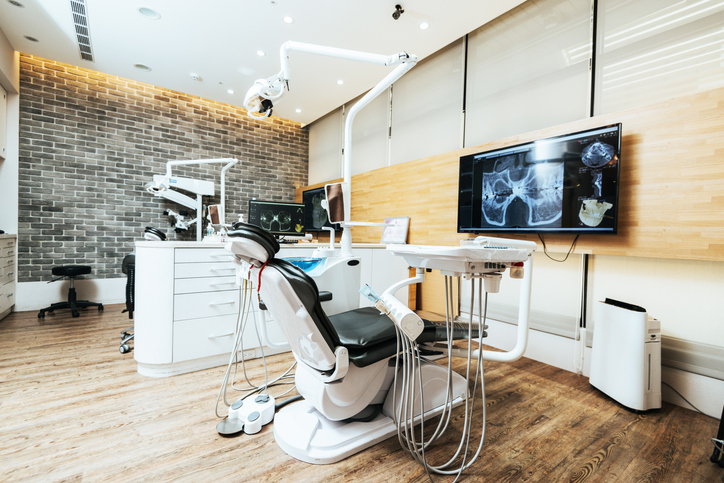
Your molars do most of the heavy lifting when it comes to chewing, so they deserve extra attention during brushing. Unfortunately, these back teeth are often missed because they’re harder to reach and see. To make sure you’re cleaning them well, take the time to feel rather than see where your toothbrush is going. Use the brush head to reach all surfaces of these teeth, including the outer, inner, and chewing surfaces. Properly cleaning your molars can prevent cavities and other dental issues.
When brushing your back teeth, try to open your mouth slightly to give your toothbrush better access. Using a smaller brush head can also help you navigate these tight spaces more effectively. If you have an electric toothbrush, it can be especially useful in reaching those hard-to-reach areas. Remember, a well-rounded brushing routine includes every corner of your mouth. So take your time and ensure those back teeth are well taken care of.
9. Not Rinsing Your Brush

After brushing, it’s important to thoroughly rinse your toothbrush. This might seem obvious, but it’s easy to skip in a hurry. Rinsing removes leftover toothpaste, food particles, and bacteria that can linger on the bristles. If you don’t rinse well, these can dry up and create an unsanitary environment on your toothbrush. Make it a habit to rinse your brush under running water until it’s clean.
Storing a dirty toothbrush is not only unhygienic but can also affect its effectiveness over time. After rinsing, make sure to store it upright in an open space where it can air dry. Avoid covering the brush head or storing it in a closed container, as this can promote bacterial growth. Keeping your toothbrush clean and dry minimizes the risk of bacteria buildup and maintains its longevity. It’s a simple, yet essential step in your oral care routine.
10. Ignoring The Importance Of Flossing

Brushing alone doesn’t remove all the plaque and food particles from between your teeth. Flossing is crucial for cleaning those tight spaces your toothbrush can’t reach. Many people skip this step, thinking brushing is enough, but flossing is vital for preventing gum disease and tooth decay. Use about 18 inches of floss, gently guiding it between each tooth, making a “C” shape to clean both sides. It might feel tedious, but it plays a significant role in maintaining your oral health.
If traditional flossing is challenging, consider using floss picks or a water flosser. These tools can make the process quicker and easier, especially if you have braces or other dental appliances. Regular flossing can also help prevent bad breath by removing trapped food particles. Incorporating it into your daily routine is simple and can make a big difference over time. Remember, your toothbrush can’t do it all on its own.
11. Brushing At The Wrong Time

Timing matters when it comes to brushing your teeth. Many people brush right after meals, thinking it’s a proactive approach to oral hygiene. However, brushing immediately after eating, especially acidic foods, can harm your enamel. Waiting about 30 minutes allows your saliva to neutralize acids and protect your enamel. If you’re short on time, rinse your mouth with water after eating to help wash away food particles and acids.
Brushing at the right times can enhance the benefits of your oral care routine. It’s ideal to brush first thing in the morning and before bed. Brushing in the morning removes bacteria that accumulate overnight, while brushing before bed helps clean away food particles and bacteria from your day. This routine can help maintain healthy teeth and gums. Small timing adjustments can significantly impact your oral health.
12. Using An Old Toothpaste

Believe it or not, toothpaste has an expiration date, and using an old tube can be less effective in maintaining your oral health. Over time, the active ingredients in toothpaste, like fluoride, may lose their potency. An expired toothpaste might not provide the same level of protection against cavities and gum disease. Always check the expiration date on your toothpaste and replace it as needed. It’s a simple step to ensure you’re getting the full benefits of your oral care products.
Besides losing effectiveness, old toothpaste can also separate or change texture, making it less pleasant to use. If your toothpaste seems off, it’s probably time for a new tube. Consider buying smaller tubes if you find it hard to finish before they expire. It’s a small investment that ensures you’re giving your teeth the best care possible. Keeping your oral care products up to date is a simple way to maintain a healthy smile.
13. Brushing Only Once A Day

Some people might think brushing once a day is enough, but dental experts advise brushing at least twice daily. This routine helps remove plaque and bacteria that accumulate throughout the day and night. Brushing only in the morning leaves your teeth vulnerable to decay from food particles and bacteria that linger after meals. Establishing a consistent routine of morning and night brushing helps keep your mouth clean and healthy. It’s a habit that can significantly reduce your risk of cavities and gum disease.
If you find it hard to brush twice a day, consider setting reminders or tying it to other daily routines like showering or getting ready for bed. Keeping a spare toothbrush at work or in your bag can also help you stay on track. Regular brushing is the foundation of good oral hygiene and is easy to maintain once you establish a routine. Your teeth deserve the best care, day and night.
14. Rinsing After Brushing

A common mistake is rinsing your mouth with water or mouthwash immediately after brushing. While it might feel refreshing, rinsing can actually wash away the concentrated fluoride in your toothpaste. Fluoride is crucial for strengthening your enamel and protecting against cavities. Instead, try spitting out the excess toothpaste and skipping the rinse to allow the fluoride to work longer. It might feel strange at first, but it’s a simple change that can enhance your oral health.
If you still prefer to rinse, consider using a fluoride mouthwash that complements your toothpaste rather than diluting it. Just remember to wait at least 30 minutes after brushing to let the fluoride absorb fully. This small adjustment can make a big difference in how well your toothpaste works. Ultimately, the goal is to maximize the cavity-fighting benefits of your toothpaste. Embracing this change could make your brushing routine more effective.


