
Taking a shower is part of your daily routine, but have you ever stopped to think about whether you’re doing it right? You might not realize it, but some of your shower habits could be doing more harm than good. Whether it’s affecting your skin, hair, or even your water bill, these mistakes are easy to make and even easier to fix. So, let’s dive into some common shower blunders you might be making without even knowing it.
1. Using Water That’s Too Hot

Long, hot showers can feel incredibly relaxing, especially after a long day. However, using water that’s too hot can strip your skin of its natural oils, leaving it dry and irritated. Dermatologist Dr. Whitney Bowe explains that hot water can disrupt the skin’s natural barrier, leading to inflammation and potential long-term issues. To avoid this, try to keep your shower temperature lukewarm. Your skin will thank you for the extra moisture and protection.
In addition to drying out your skin, hot water can have negative effects on your hair. High temperatures can damage the hair cuticle, causing it to become brittle and more prone to breakage. If you color your hair, hot water can also cause the dye to fade faster. Opt for cooler water temperatures to maintain healthy hair and vibrant color. It might take a bit of getting used to, but you’ll likely notice the benefits over time.
2. Showering Too Frequently

It might seem impossible to over-shower, especially if you’re someone who hits the gym regularly or works a physically demanding job. However, showering too frequently can also strip your skin and hair of their natural oils, leading to dryness and irritation. Your skin’s natural barrier needs time to retain moisture and heal from everyday wear and tear. If you notice your skin feeling dry or itchy, it might be worth cutting back on the number of showers you take each week.
Moreover, frequent showers can also have environmental implications, as they contribute to excessive water consumption. Being mindful of your shower frequency is an easy way to be more eco-friendly. Consider showering every other day or using dry shampoo in between washes to give your hair a break. Remember, it’s all about balance and finding a routine that works for you while also being kind to your skin and the planet.
3. Neglecting To Clean Your Showerhead

The showerhead is something you probably don’t think about much, but neglecting it can have consequences. Over time, mineral deposits and bacteria can build up, affecting water flow and even your health. According to a study published in the journal “Indoor and Built Environment,” researchers found that showerheads can be a breeding ground for Mycobacterium, a group of bacteria linked to lung infections. So, make it a habit to clean your showerhead regularly by soaking it in vinegar or using a specialized cleaner.
Besides health concerns, a clogged showerhead can affect your shower’s efficiency, leading to higher water bills. Reduced water flow means you’ll spend more time trying to rinse off, further contributing to water waste. By keeping your showerhead clean, you’ll enjoy a more satisfying shower experience while also saving money on utilities. It’s a simple step that can make a world of difference.
4. Using The Wrong Soap
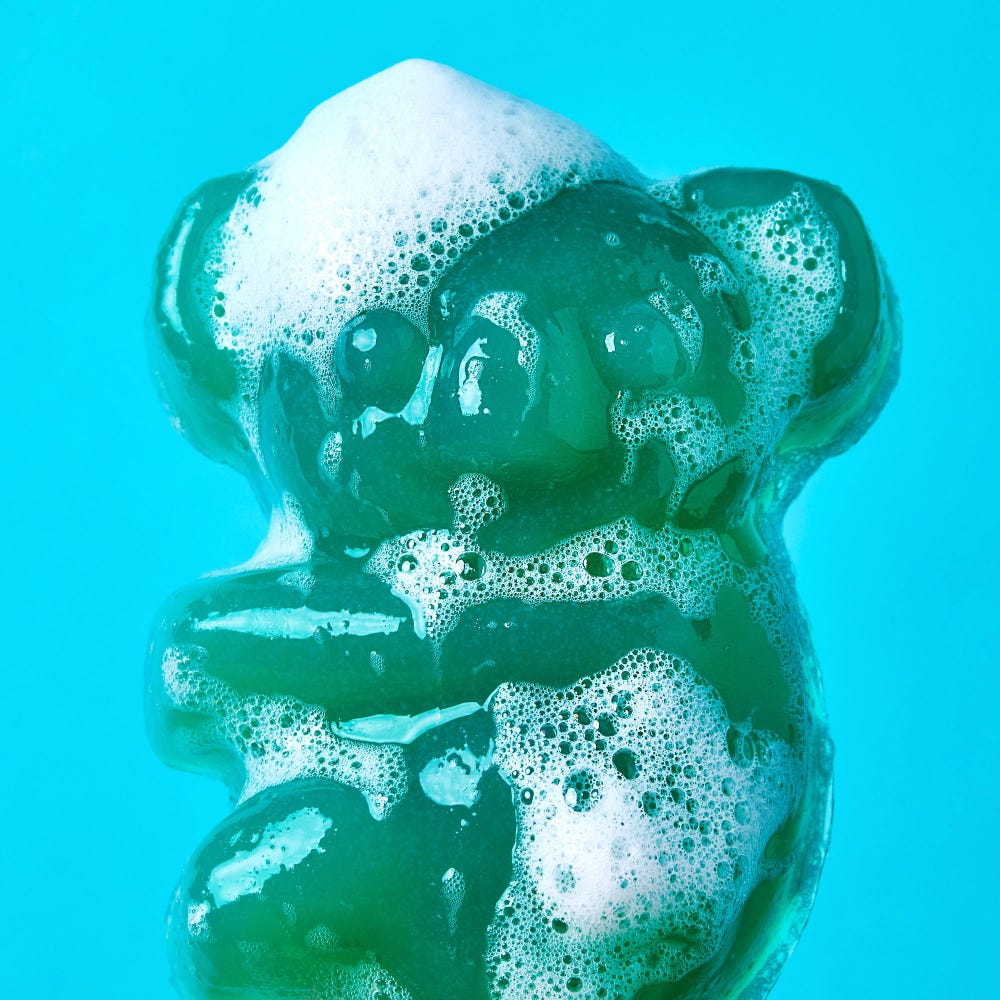
The soap you use in your shower can have a significant impact on your skin’s health. Many people opt for the most fragrant or cheapest option without considering their skin’s unique needs. The truth is, harsh soaps can strip your skin of its natural oils, leaving it dry and irritated. To avoid this, look for soaps that are free from sulfates and contain moisturizing ingredients like glycerin or oils.
Furthermore, your skin type should dictate the kind of soap you use. Those with sensitive skin may benefit from hypoallergenic or fragrance-free options, while others might need a soap that helps with acne or other skin conditions. Testing different products can help you find the right match for your skin. Once you do, you’ll likely notice your skin feeling more balanced and hydrated after each shower.
5. Ignoring Your Feet

When you’re in the shower, it’s easy to focus on the parts of your body that are most visible, like your arms and face. Unfortunately, your feet often get overlooked, even though they require just as much attention. Podiatrist Dr. Jane Andersen emphasizes the importance of thoroughly cleaning your feet to prevent fungal infections and other issues. Make it a habit to scrub between your toes and around your nails with a gentle brush to keep them clean and healthy.
In addition to cleaning, it’s also essential to dry your feet properly after your shower. Moisture left between the toes can become a breeding ground for bacteria and fungi, leading to conditions like athlete’s foot. Ensure you dry your feet thoroughly, paying special attention to the spaces between your toes. By taking these extra steps, you can avoid common foot problems and enjoy healthier, happier feet.
6. Overusing Hair Products

Hair products like shampoo and conditioner are essential for maintaining clean, healthy hair, but it’s possible to overdo it. Using too much product can weigh down your hair, making it look greasy or limp. It can also lead to a buildup of residue on your scalp, which can cause irritation or dandruff. To avoid these issues, start with a small amount of product and add more only if necessary.
Additionally, it’s important to choose hair products that suit your specific hair type and concerns. For instance, if you have oily hair, look for a clarifying shampoo to help control excess oil. If your hair is dry or damaged, opt for products with moisturizing ingredients. By using the right amount of suitable products, you’ll achieve healthier hair and a more effective shower routine.
7. Not Exfoliating Regularly

Exfoliating is an essential part of any skincare routine, but many people either skip this step or do it too infrequently. Exfoliating helps remove dead skin cells, allowing for better absorption of moisturizers and other products. According to dermatologist Dr. Ava Shamban, regular exfoliation can also help reduce the appearance of fine lines and improve skin texture. Aim to exfoliate one to three times a week, depending on your skin type and sensitivity.
It’s important to choose the right exfoliator for your skin’s needs. Chemical exfoliants, like those containing alpha or beta hydroxy acids, are effective for most skin types and can be less abrasive than physical scrubs. If you prefer a scrub, look for one with fine particles to avoid irritating your skin. By incorporating exfoliation into your shower routine, you’ll be rewarded with smoother, healthier skin.
8. Leaving Your Loofah In The Shower

Loofahs are popular shower accessories for their exfoliating properties, but leaving them in the shower can be problematic. The damp, warm environment is a perfect breeding ground for bacteria and mold, which can then transfer to your skin. To mitigate this, make sure to thoroughly rinse and wring out your loofah after each use. Allow it to dry outside of the shower to reduce the risk of bacterial growth.
Consider replacing your loofah every month to maintain hygiene and effectiveness. If you’re worried about bacterial buildup, you might opt for a washcloth or silicone scrubber, both of which are easier to clean. Taking these steps can help ensure that your loofah stays an asset in your shower routine, rather than a liability. Your skin will benefit from the extra care and attention.
9. Using Expired Products

Checking the expiration date on your shower products might not always be top of mind, but it’s an important step. Using expired products can reduce their effectiveness and even cause skin irritation. Ingredients like active enzymes or preservatives can break down over time, meaning they won’t work as intended. To avoid this, regularly check the expiration dates on your products and replace them as needed.
It’s also helpful to keep your shower products organized so that you can easily spot items that need replacing. Consider marking the purchase date on the bottle with a waterproof marker to keep track. Taking this extra step ensures that your shower routine remains effective and your skin remains healthy. It’s a simple way to make sure you’re getting the most out of your products.
10. Skipping Moisturizer After Showering

Showering is essential for cleaning your skin, but it can also leave it feeling dry and tight. Failing to apply moisturizer afterward can exacerbate this dryness, especially if you use hot water. It’s crucial to lock in moisture immediately after showering while your skin is still slightly damp. This helps to maintain your skin’s natural barrier and prevents moisture loss.
Choosing the right moisturizer is also key to maintaining healthy skin. Look for products that contain hydrating ingredients like hyaluronic acid, ceramides, or glycerin. Apply them generously all over your body, focusing on areas that tend to get dry, like elbows and knees. By making moisturizing a regular part of your post-shower routine, you’ll enjoy softer, more hydrated skin.
11. Overlooking The Condition Of Your Shower Curtain

Your shower curtain might seem like a minor detail, but it plays a crucial role in your shower environment. A dirty or moldy shower curtain can harbor bacteria and unpleasant odors. Regularly washing or replacing your shower curtain can help maintain a clean and healthy shower space. Consider opting for a machine-washable fabric curtain for easier maintenance.
In addition to health concerns, a clean shower curtain also enhances the overall shower experience. A fresh, clean curtain can make your shower feel more inviting and enjoyable. It’s a small detail that can make a big difference in the ambiance of your bathroom. By paying attention to it, you’re investing in a more refreshing and pleasant shower routine.
12. Using The Same Razor For Too Long

Shaving is a regular part of many people’s shower routine, but using the same razor for too long can lead to problems. Dull blades can cause skin irritation, razor burn, and even increase the risk of cuts and infections. It’s essential to replace your razor regularly to ensure a smooth and comfortable shave. If you notice the blade starting to tug at your skin, it’s probably time for a new one.
Moreover, proper razor care can extend the life of your blades. Rinse your razor thoroughly after each use and store it in a dry place to prevent rust and bacterial growth. By taking these steps, you’ll enjoy a more effective and hygienic shave. Your skin will appreciate the extra consideration and care.
13. Not Rinsing Off Soap Completely

It might seem obvious, but not rinsing soap off completely is a common shower mistake. Residual soap can leave your skin feeling sticky and can cause irritation or dryness. Make sure to thoroughly rinse all areas, paying special attention to spots where soap tends to linger, like behind the ears or under the arms. A quick rinse might not be enough, so take the time to ensure all soap is washed away.
Using a handheld showerhead can make the rinsing process more thorough and efficient. With more control over the water flow, you can focus on hard-to-reach areas and ensure a complete rinse. By making this small adjustment, you’ll likely notice your skin feeling cleaner and more comfortable after each shower. It’s a simple step that can enhance your entire shower experience.
14. Forgetting To Ventilate Your Bathroom

Proper ventilation is crucial for maintaining a healthy shower environment, but it’s often overlooked. Failing to ventilate your bathroom can lead to excess humidity, which contributes to mold and mildew growth. To avoid this, make sure to use an exhaust fan during and after your shower to help remove excess moisture. If you don’t have a fan, consider opening a window or leaving the bathroom door ajar to promote airflow.
In addition to preventing mold, proper ventilation also helps protect your bathroom fixtures and walls from damage caused by excess moisture. Mildew and mold are not only unsightly but can also pose health risks if left unchecked. By ensuring your bathroom is well-ventilated, you’ll create a cleaner, safer space for your shower routine. It’s an easy step that can make a significant difference in the long run.


