
We all have something that gives us the creeps. While you might think your fears are unique, you’d be surprised to learn that some of the weirdest phobias out there are more common than you’d imagine. These fears might not come up in everyday conversation, but they affect many people in small, peculiar ways. Let’s dive into some of these unusual fears and see just how relatable they might actually be.
1. Fear Of Clowns (Coulrophobia)

You might think clowns are just a circus act, but for some people, they are a source of genuine terror. The exaggerated features and over-the-top smiles can seem sinister rather than silly. A study by the University of Sheffield found that children often find clowns to be frightening rather than entertaining, which could explain why this fear persists into adulthood. It’s not just the kids who are creeped out; adults can be just as uneasy around clowns. Whether it’s their painted faces or unpredictable behavior, clowns aren’t as funny to everyone as they might seem.
If you’ve ever felt your heart race when a clown is nearby, you’re definitely not alone. Coulrophobia is a recognized phobia that affects people all around the world. The fear often starts in childhood and can continue into later life if not addressed. Some people avoid parties or events where clowns are likely to appear, just to avoid that uneasy feeling. For them, what’s meant to be a symbol of fun is more like a living nightmare.
2. Fear Of Birds (Ornithophobia)
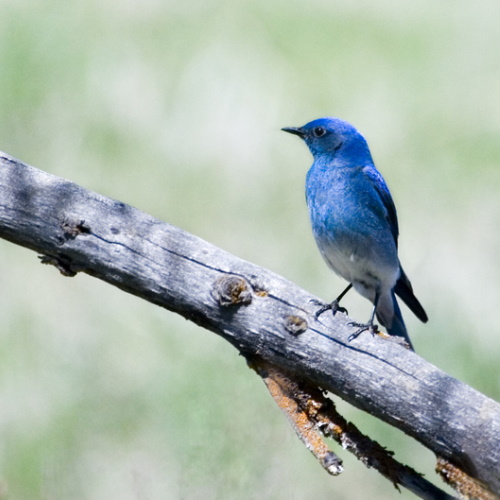
Birds might be majestic to some, but for others, they are a source of dread. The flapping wings and sudden movements can be unsettling, making you want to duck for cover. It doesn’t help that birds are practically everywhere, from city parks to seaside promenades. For someone with ornithophobia, a walk through the park can feel like traversing a minefield. Even the sound of wings flapping can be enough to set off alarm bells.
This fear isn’t just about the birds themselves, but also about what they might do. The unpredictability of a bird suddenly swooping down or landing nearby can be terrifying. You might find yourself scanning the skies, trying to ensure no feathered creatures are near. It’s not just pigeons and seagulls either; even small garden birds can cause anxiety. Understanding this fear can be the first step in managing it, enabling you to reclaim your outdoor experiences.
3. Fear Of Trees (Dendrophobia)

Trees are often seen as symbols of life and growth, but for some, they’re sources of anxiety. The sheer size and looming presence of a tree can be overwhelming, especially in dense forests or wooded areas. According to the Urban Forest Initiative, dendrophobia can stem from a traumatic experience or even from the fear of what might be lurking among the trees. It’s not just about the trees themselves but the feeling of being trapped or isolated in their presence. This fear can limit activities like hiking or camping, turning what should be enjoyable experiences into stress-inducing ones.
It might sound unusual, but trees can evoke a sense of vulnerability. The rustling leaves and creaking branches might be enough to trigger anxiety. For those with dendrophobia, stepping into a forest can feel like entering another world, full of unknowns. While some might find solace in the shade of a tree, others see it as a potential threat. Overcoming this fear often requires gradual exposure and reassurance of safety in natural settings.
4. Fear Of Numbers (Arithmophobia)

Numbers are a part of everyday life, but for some, they can be a source of dread. Arithmophobia isn’t just about math exams or balancing a budget; it’s a persistent fear of numbers themselves. This can make even simple tasks like checking prices or telling time a challenge. For those affected, numbers seem to hold a power that’s difficult to comprehend or control. It’s not just about understanding math; it’s about the anxiety numbers can provoke.
The fear can be so intense that it affects daily activities and decisions. You might avoid situations where numbers are involved, making it hard to navigate a world that’s driven by figures and statistics. While some people dread equations and calculations, arithmophobia takes it to another level. It’s about the feeling of inadequacy and the fear of being overwhelmed. Finding ways to gradually face numbers can help reduce anxiety and improve your quality of life.
5. Fear Of Mirrors (Spectrophobia)

Mirrors are just reflective surfaces, yet they can be sources of fear for those with spectrophobia. It’s not just about the reflection, but the idea of seeing something unexpected or frightening looking back. Dr. Sarah Lee, who conducted research on phobias at Stanford University, suggests that this fear can be linked to anxiety about self-image or the supernatural. For some, the fear stems from horror movies or folklore, where mirrors are portals to other worlds. The mere thought of standing in front of a mirror can be enough to cause panic.
If you find yourself avoiding mirrors, it’s likely due to the fear of losing control over what you might see. The anxiety can be so strong that it impacts daily grooming routines or even the layout of your living space. Spectrophobia can make you feel like you’re constantly on edge, never fully comfortable in your surroundings. The key to overcoming this fear is to gradually confront it with support and understanding. Building a positive association with mirrors can help ease the anxiety and restore a sense of normalcy.
6. Fear Of Bridges (Gephyrophobia)

Bridges can be marvels of engineering, but for some, they’re terrifying structures to be avoided at all costs. The fear of heights and the uncertainty of the bridge’s stability can make crossing it a daunting task. It’s not just about the structure itself but also the feeling of vulnerability while being suspended over a gap. For those with gephyrophobia, even the thought of driving over a bridge can induce panic. This fear can limit travel options and make planning trips more complicated.
While some people might enjoy the view from a bridge, others are focused solely on getting to the other side as quickly as possible. The fear can be so intense that it prevents you from crossing bridges altogether, impacting your daily routine or commute. It’s not just about the physical act of crossing; it’s also about the psychological barriers that come with it. Taking small steps to face this fear can help reduce anxiety and build confidence. With time, bridges can become less of an obstacle and more of a path to new experiences.
7. Fear Of Butterflies (Lepidopterophobia)

Butterflies are often seen as harmless, beautiful creatures, but for some, they’re a cause for concern. Lepidopterophobia involves an intense fear of butterflies, moths, or other winged insects. Dr. Emily Watson, an entomologist at the University of Florida, points out that this fear might stem from the unpredictable flight patterns and delicate wings of these insects. For those affected, even the sight of a butterfly can trigger a fight-or-flight response. It’s not just about the insects themselves, but the fear of being caught off guard.
The vibrant colors and fluttering wings that many find enchanting can be overwhelming to those with this phobia. It can make outdoor activities daunting, limiting your enjoyment of gardens or parks. This fear can be isolating, as others may not understand the intensity of your reaction. Gradual exposure therapy can be effective in helping individuals manage their fear of butterflies. By slowly increasing your comfort level around these insects, you can learn to appreciate their beauty without anxiety.
8. Fear Of The Moon (Selenophobia)
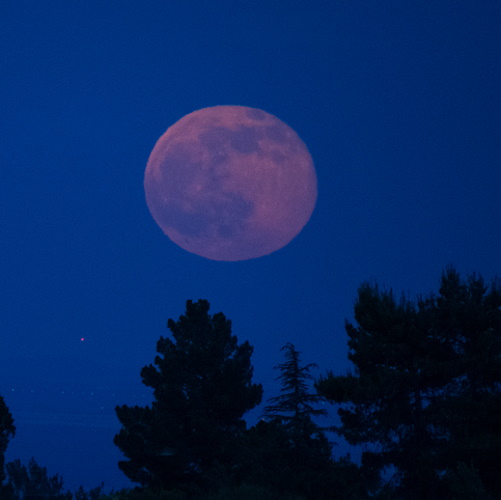
The moon is a constant presence in our night sky, yet for some, it’s a source of unease. Selenophobia involves a fear of the moon and its phases, the way it changes from night to night. This fear can be rooted in cultural myths or personal associations with the moon as an ominous entity. For those affected, the sight of a full moon can be particularly unsettling. It’s not just about the celestial body itself but the emotions it evokes.
The moon’s influence on tides and nocturnal creatures may add to the fear, making it seem powerful and unpredictable. Those with selenophobia might feel anxious or restless during certain lunar phases. This can disrupt sleep patterns and lead to heightened anxiety at night. Understanding the scientific aspects of lunar cycles can help demystify the moon and reduce fear. With time and reassurance, the moon can become a fascinating part of the night sky rather than a source of dread.
9. Fear Of Cooking (Mageirocophobia)

Cooking is a daily task for many, but for some, it’s a daunting challenge. Mageirocophobia is the fear of cooking, often tied to anxiety about making mistakes or causing harm. This fear can make meal preparation a stressful ordeal, leading to avoidance of the kitchen altogether. It’s not just about the act of cooking but the pressure to meet expectations and produce edible results. For those affected, even simple recipes can seem insurmountable.
The fear can be rooted in past experiences, such as a cooking mishap or criticism from others. You might worry about undercooking food, causing illness, or ruining a dish. This anxiety can limit your food choices and reliance on takeout or pre-prepared meals. Building confidence in the kitchen through simple, step-by-step recipes can help ease this fear. With practice, cooking can become a rewarding and enjoyable activity rather than a source of stress.
10. Fear Of Gravity (Barophobia)

Gravity is an invisible force that keeps us grounded, yet for some, it’s a source of fear. Barophobia is the fear of gravity, often associated with anxiety about being crushed or weighed down. It can be triggered by a heightened awareness of the force that affects every aspect of daily life. For those affected, the fear can be constant, making it hard to feel secure or comfortable. It’s not just about the physics of gravity but the sense of vulnerability it creates.
The fear can lead to avoidance of activities that emphasize gravity, such as flying or certain sports. You might feel anxious about changes in gravitational force, like those experienced on amusement park rides. This can limit your experiences and enjoyment of certain activities. Understanding the science behind gravity and its consistency can help alleviate fear. By recognizing the stability it provides, you can begin to feel more at ease with this natural phenomenon.
11. Fear Of Colors (Chromophobia)

Colors are all around us, yet for some, they can be anxiety-inducing. Chromophobia is the fear of colors, which can be specific to certain hues or a general unease around bright or intense colors. This fear can make everyday environments overwhelming, from clothing and decor to advertising and media. It’s not just about the colors themselves but the emotions and reactions they can evoke. For those affected, navigating a colorful world can feel like a constant challenge.
The fear can be linked to personal experiences or cultural associations with certain colors. You might find yourself avoiding places or situations where specific colors are prominent. This can limit your choices and impact your lifestyle. Gradual exposure to colors in a controlled manner can help reduce anxiety and increase comfort levels. By exploring the meanings and uses of colors, you can develop a more positive relationship with the hues that surround you.
12. Fear Of Opinions (Allodoxaphobia)

In a world where everyone seems to have an opinion, fearing them can be particularly challenging. Allodoxaphobia is the fear of other people’s opinions, often tied to anxiety about judgment and criticism. This fear can make social interactions daunting, as you might worry about what others think of you. It’s not just about the opinions themselves but the perceived impact they have on your self-worth. For those affected, avoiding discussions or debates becomes a coping mechanism.
The fear can stem from past experiences of being criticized or feeling inadequate. You might find yourself constantly second-guessing or seeking validation. This anxiety can lead to isolation, as engaging with others feels overwhelming. Building self-confidence and learning to accept differing viewpoints can help manage this fear. With the right support, you can learn to engage more freely in social situations without the weight of others’ opinions looming over you.
13. Fear Of Balloons (Globophobia)

Balloons are often associated with celebrations, but for some, they’re sources of fear. Globophobia involves an intense fear of balloons, particularly the sound of them popping. This can turn festive events into anxiety-inducing experiences. It’s not just about the balloons themselves but the unpredictability they represent. For those affected, even the sight of balloons can cause discomfort.
The fear might be rooted in childhood experiences or the sharp sound that accompanies a popping balloon. This can lead to avoidance of events where balloons are present, limiting social interactions and celebrations. Understanding the triggers and working through them can help reduce anxiety. Gradual exposure and desensitization techniques can be effective in overcoming this fear. With time, balloons can become less of a threat and more of a symbol of joy.
14. Fear Of Cats (Ailurophobia)

Cats are beloved pets for many, but for some, they’re a source of fear. Ailurophobia is the fear of cats, often tied to their unpredictable nature and sharp claws. This fear can make interactions with feline friends stressful and anxiety-inducing. It’s not just about the cats themselves but the feeling of being unable to predict their behavior. For those affected, avoiding places where cats are present becomes a necessity.
The fear might be based on past negative experiences or cultural myths surrounding cats. You might find yourself tense around even the most docile of cats, unsure of how they might react. This can limit social interactions and make visiting cat owners difficult. Building familiarity and positive experiences with cats can help manage this fear. With patience and understanding, cats can go from being feared creatures to appreciated companions.


