
Food is a huge part of experiencing different cultures, and sometimes you come across dishes that make you raise an eyebrow. What might be a delicacy in one country could be downright illegal in another. If you’ve ever wondered why certain foods are banned, this list will shed some light on the reasons behind these peculiar restrictions. From safety concerns to cultural taboos, these food bans are as diverse as the dishes themselves. Let’s dive into some fascinating examples of weird foods that are off-limits in various parts of the world.
1. Kinder Surprise Eggs

You might think that a chocolate egg with a toy inside sounds harmless and fun, but in the United States, it’s a big no-no. The Food and Drug Administration (FDA) prohibits the sale of Kinder Surprise Eggs because they contain a non-nutritive object embedded in the chocolate, which poses a choking hazard. Dr. Felicia Wu, a food safety expert at Michigan State University, explains that the FDA’s concern is mainly about the potential danger to young children who might not understand the risk. In fact, U.S. customs often seizes thousands of these eggs each year from travelers unaware of the rule. So, if you’re in the U.S., you’ll have to settle for a safer chocolate treat.
Outside the U.S., Kinder Surprise Eggs are a cherished part of European childhoods. The toys inside are sometimes collectible, sparking excitement in kids and even adults. Despite their ban in one country, these eggs have found a way to enchant people globally. The controversy highlights cultural differences in what is deemed acceptable or safe. While Americans might miss out on this experience, they have alternatives like Kinder Joy, which separates the toy from the chocolate to comply with regulations.
2. Haggis

If you’re in the United States, you won’t find traditional Scottish haggis on the menu. The reason? It’s illegal due to a ban on one of its key ingredients: sheep lungs. Since 1971, the USDA has considered sheep lungs unfit for human consumption, citing potential health risks. This doesn’t stop Americans from enjoying a modified version, though, often made with similar ingredients minus the lungs.
In Scotland, haggis is a beloved national dish, often served with “neeps and tatties” (turnips and potatoes). It’s a symbol of Scottish heritage and is frequently featured in cultural celebrations like Burns Night. Many Scots consider the U.S. ban an overreaction, as they’ve enjoyed the dish for centuries without widespread health issues. Despite the restrictions, haggis enthusiasts in the U.S. can find recipes and products that attempt to mimic the original flavor. The ban doesn’t seem to dampen the dish’s international allure.
3. Raw Milk

Raw milk might seem natural and wholesome, but several states in the U.S., along with countries like Canada and Scotland, have restrictions or outright bans on its sale. The primary concern is the risk of bacterial contamination, which can lead to serious illnesses. According to a study by the Centers for Disease Control and Prevention (CDC), people who consume raw milk are 150 times more likely to contract foodborne illnesses than those who drink pasteurized milk. Advocates argue that it offers health benefits and superior taste, but the risks have led to strict regulations. If you’re keen on trying it, you’ll need to check local laws or find a farm that offers it legally.
In countries where raw milk is legal, there’s often a robust culture around it, with enthusiasts swearing by its purported health benefits. They often cite improved digestion and a stronger immune system as reasons to choose raw over pasteurized milk. However, health authorities continue to emphasize the potential dangers, especially for vulnerable populations like children and the elderly. The debate between health benefits and risks is ongoing, with passionate arguments on both sides. Whether worth the risk or not depends largely on personal preference and local laws.
4. Casu Marzu
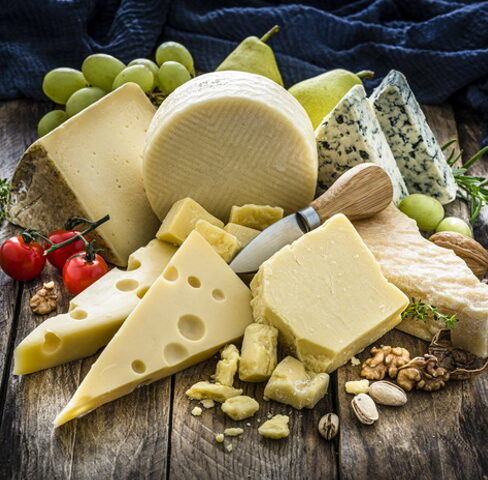
When it comes to weird foods, Casu Marzu takes the cake—or cheese, in this case. This Sardinian delicacy is a type of pecorino cheese that’s been infested with live insect larvae. Yes, you read that right: live maggots. The cheese is outlawed by the European Union due to health concerns, primarily the risk of foodborne illnesses from consuming live insects. Yet, it remains a part of Sardinian culture, often consumed during significant celebrations.
For those daring enough to try it, Casu Marzu presents a unique gastronomic experience. Fans describe it as rich, creamy, and quite unlike any other cheese. The larvae create a level of fermentation that gives the cheese its unique taste and texture. However, the idea of eating live insects is understandably off-putting for many. Despite the ban, some Sardinians continue to produce it illegally, showcasing the cheese’s cultural significance despite the health risks.
5. Fugu (Pufferfish)

Fugu, or pufferfish, is a Japanese delicacy that’s both famous and infamous. It contains a toxin called tetrodotoxin, which is extremely potent and deadly if the fish is not prepared correctly. Japan has stringent regulations requiring chefs to undergo years of training before they can serve it. According to Chef Hiroshi Nishiyama, a certified fugu chef in Tokyo, the meticulous preparation process is crucial to ensure safety. Due to these risks, several countries, including the European Union, have banned the sale of this product.
In Japan, eating fugu is often seen as a thrilling culinary adventure. The careful preparation and consumption are part of the experience, adding a layer of intrigue. It’s typically served as sashimi, hot pot, or grilled, offering a delicate flavor that’s highly prized. However, the stakes are high, with the potential for lethal consequences if preparation goes awry. The allure of fugu lies not just in its taste but also in the skill and danger associated with it.
6. Absinthe

Once dubbed “The Green Fairy,” absinthe is a potent spirit that was banned in the United States and much of Europe for nearly a century. The controversy stemmed from its supposed hallucinogenic properties, attributed to a compound called thujone found in wormwood, one of its main ingredients. While modern research has debunked many of the myths surrounding absinthe, the bans persisted until recent years. In the U.S., absinthe was only re-legalized in 2007 with strict regulations about thujone content. The misconceptions and mystery surrounding absinthe have only added to its allure.
In European countries, particularly France and Switzerland, absinthe was historically a favorite among artists and writers. Its resurgence has sparked a renewed interest in its history and production. Today, absinthe is enjoyed for its complex flavors, typically mixed with water and sugar to dilute its high alcohol content. The lifting of bans has allowed a new generation to explore this storied spirit. Despite its past, absinthe remains a symbol of artistic inspiration and bohemian lifestyle.
7. Bushmeat

In parts of Africa, bushmeat refers to the meat of wild animals hunted in the forests. While it’s a traditional food source for many communities, it’s illegal in several countries due to health and conservation concerns. A report by the World Health Organization (WHO) highlights the potential for zoonotic diseases to spread through the handling and consumption of bushmeat. Additionally, hunting can threaten endangered species and disrupt ecosystems. As a result, many countries enforce strict regulations to curb the trade and consumption of bushmeat.
Despite the bans, the demand for bushmeat remains high in some regions, driven by cultural preferences and economic necessity. For many, it’s not just a food choice but a way of life deeply rooted in tradition. Enforcement of bans can be challenging, particularly in remote areas where authorities have limited reach. Education and alternative livelihoods are crucial in addressing the issues surrounding bushmeat consumption. Balancing tradition, health, and conservation remains a complex challenge for policymakers.
8. Ortolan

The ortolan is a small songbird considered a delicacy in French cuisine, but its consumption is illegal in the European Union. The ban is aimed at protecting the species from overhunting, as populations have declined significantly over the years. Traditionally, the bird is captured, fattened, and then cooked and consumed whole, bones and all. Its preparation and method of eating, often under a napkin to hide from God, add to the dish’s allure and mystique. Despite the ban, some gourmets still seek out the bird through illegal means.
The ortolan holds a special place in French culinary history, often associated with luxury and indulgence. Its flavor is described as rich and complex, offering a unique taste experience. However, the ethical issues surrounding its consumption have led to heated debates. Conservationists argue that protecting endangered species should take precedence over culinary traditions. The ban reflects a broader shift towards sustainable and ethical eating.
9. Sassafras Oil

Sassafras oil, once a common ingredient in root beer and other beverages, is banned in the United States due to health concerns. The oil contains safrole, a compound linked to liver damage and cancer in studies involving laboratory animals. As a result, the FDA prohibits its use in food and beverages. Before the ban, sassafras oil was prized for its distinct flavor and aromatic properties. Today, root beer is made with artificial flavors or safrole-free sassafras extracts.
In herbal medicine, sassafras was traditionally used for its perceived health benefits. However, modern science has raised questions about its safety. The ban has sparked some debate among herbalists and natural remedy advocates, who argue that moderation and proper preparation reduce risks. Despite these claims, regulatory agencies continue to prioritize public health over traditional uses. The shift to artificial flavors reflects changing attitudes towards food safety and consumer protection.
10. Foie Gras

Foie gras, the fattened liver of a duck or goose, is a controversial delicacy known for its rich taste and creamy texture. However, it’s banned in several places, including California and certain other countries, due to animal welfare concerns. The traditional method of production involves force-feeding birds, a practice deemed inhumane by animal rights activists. Despite the bans, foie gras remains a symbol of luxury and gourmet dining in many parts of the world. Its prohibition has sparked debates about ethical eating and culinary tradition.
In regions where foie gras is legal, it’s celebrated as a culinary masterpiece with a long-standing history. Chefs often pair it with sweet sauces or fruit to complement its savory richness. The bans have prompted some producers to explore alternative methods of production, aiming to address ethical concerns while preserving flavor. The controversy surrounding foie gras highlights the tension between tradition and modern values. Ultimately, consumers are left to decide where they stand on this contentious issue.
11. Horse Meat

Horse meat is considered a delicacy in some countries, like France and Japan, but it’s banned in others due to cultural sensitivities and animal welfare concerns. In the United States, for example, there is a strong cultural aversion to eating horses, which are seen as companions rather than livestock. While not technically illegal everywhere in the U.S., federal and state regulations have effectively halted its production and sale. The debate around horse meat often highlights differing views on what animals are considered food. Despite these differences, horse meat remains a contentious topic globally.
In countries where horse meat is consumed, it’s often prized for its tender texture and slightly sweet flavor. It’s used in a variety of dishes, from steaks to sausages, and is particularly popular in regions with a tradition of horse breeding. The cultural divide over horse meat consumption speaks to broader questions about food ethics and human-animal relationships. For some, it’s a matter of culinary tradition, while for others, it’s about compassion and respect for animals. These differing viewpoints continue to shape the global conversation about horse meat.
12. Shark Fins

Shark fin soup is a traditional Chinese dish often served at special occasions like weddings and banquets, but the practice of finning is illegal in many places. The ban is primarily due to the cruel and unsustainable methods used to harvest the fins, where sharks are often finned alive and thrown back into the ocean to die. This has led to drastic declines in shark populations, sparking international outrage and conservation efforts. Countries like Canada and several U.S. states have enacted laws to ban the trade and sale of shark fins. The bans aim to protect marine ecosystems and discourage harmful practices.
Despite the bans, shark fin soup remains a symbol of wealth and status in some communities. Advocates for shark conservation emphasize the importance of protecting these apex predators, which play a crucial role in maintaining ocean health. Public awareness campaigns have sought to shift cultural perceptions and promote sustainable alternatives. The issue underscores the challenges of balancing tradition with environmental stewardship. As attitudes shift, many chefs and consumers are turning to faux shark fin products as a compromise.
13. Black Pudding

Black pudding, a type of blood sausage popular in the UK and Ireland, is banned in several countries due to its main ingredient—animal blood. The consumption of blood is restricted in countries like the United States and some parts of Scandinavia, primarily due to cultural and religious reasons. In places where it is banned, black pudding is often viewed as unappetizing or even taboo. Despite this, it remains a beloved breakfast staple in the British Isles, often served alongside eggs and bacon.
In regions where black pudding is consumed, it’s celebrated for its rich flavor and hearty texture. It’s often made with pork or beef blood, oatmeal, and spices, creating a savory and satisfying dish. The bans reflect broader cultural attitudes towards blood and its place in the human diet. While some see it as a nutrient-rich ingredient, others are put off by its origins. These cultural differences highlight the diverse ways people around the world approach food.
14. Pig’s Blood Cake

Pig’s blood cake, a traditional street food in Taiwan, is banned in the United States due to food safety regulations regarding animal blood. The cake is made from a mixture of pig’s blood and sticky rice, often served on a stick and coated with peanuts and cilantro. It’s a popular snack in Taiwan, known for its unique texture and savory flavor. The U.S. ban stems from concerns over foodborne pathogens that can be present in animal blood. As a result, those curious about pig’s blood cake will need to travel to Taiwan to try the authentic version.
In Taiwan, pig’s blood cake is more than just a snack; it’s a part of the culinary heritage that locals and tourists alike enjoy. Vendors selling the cakes are a common sight in night markets, offering a taste of traditional Taiwanese street food. The ban reflects differences in food safety standards and cultural acceptance of animal blood in cuisine. While it’s a delicacy for some, it’s seen as unpalatable or risky in places like the U.S. The varied reception of pig’s blood cake highlights the diverse and subjective nature of food preferences globally.


