

When you think of the United States, images of sprawling cities and vast landscapes might come to mind, but not the hidden and ever-present geological threat: volcanoes. While you might associate volcanic eruptions with distant lands, numerous active volcanoes across America could potentially erupt tomorrow.
1. Yellowstone Caldera, Wyoming
The Yellowstone Caldera is not just a tourist hot spot; it’s one of the largest active volcanic systems in the world. Sitting atop a supervolcano, it could erupt cataclysmically, releasing vast amounts of ash and gases into the atmosphere. While the park is a site of splendor with its geysers and hot springs, it’s also a ticking clock, watched closely by geologists. Every rumble and geyser eruption gets scrutinized, knowing that beneath lies a volcanic system with the potential to alter the global climate.
According to the U.S. Geological Survey (USGS), the probability of a supereruption at Yellowstone within our lifetime is relatively low. Yet, they stress the importance of ongoing research to understand the complex dynamics at play beneath the park. The concern isn’t just about a supereruption but also about frequent smaller eruptions that could disrupt air travel or local communities. For you, this means visiting Yellowstone isn’t just about admiring its beauty; it’s a lesson in respecting the raw power of nature.
2. Mount St. Helens, Washington
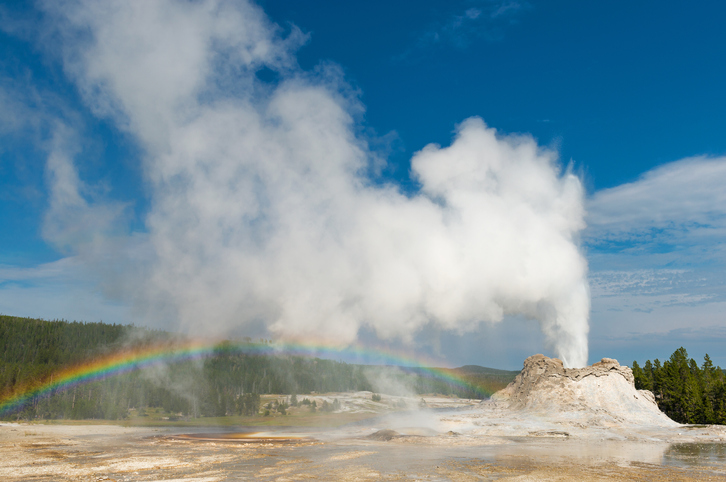
Mount St. Helens is one of the most infamous volcanoes in the United States, thanks to its catastrophic 1980 eruption. That event reshaped the surrounding landscape and changed how scientists study volcanic activity. Today, the volcano remains highly active, regularly reminding visitors and residents of its potential to erupt again. Ash plumes and minor eruptions are not unusual, making it a closely monitored site by volcanologists.
The 1980 eruption taught valuable lessons in disaster preparedness and response. Many safety measures were implemented afterward to mitigate risks for communities living in the shadow of this volatile giant. You might find it intriguing that the region has adapted and learned to live with the presence of an active volcano, illustrating resilience in the face of nature’s unpredictability. Mount St. Helens stands as a testament to the power of observation and preparedness in the modern age.
3. Mauna Loa, Hawaii

Mauna Loa is perhaps the poster child for Hawaii’s volcanic identity, being the world’s largest active volcano. Its size and frequent eruptions have shaped the island’s geography, making it a living laboratory for volcanic activity. Despite its serene beauty, it commands respect due to its history of eruptions, which can produce enormous lava flows. Each eruption becomes a spectacle, drawing both scientists and tourists eager to witness the raw spectacle of creation and destruction.
The USGS maintains a vigilant watch over Mauna Loa, emphasizing the importance of early warning systems. Their monitoring efforts include satellite data, ground sensors, and aerial surveys that keep tabs on seismic activity and changes in the volcano’s shape. If you’re considering a visit, it’s worth noting that while Mauna Loa is a geological marvel, it also demands caution and respect for its unpredictable nature. The juxtaposition of danger and beauty is what makes Mauna Loa so captivating yet daunting.
4. Mount Rainier, Washington

Mount Rainier is a majestic presence on the Washington skyline, but beneath its snow-capped peaks lies a powerful volcanic system. As a stratovolcano, it has the potential for explosive eruptions that could threaten nearby communities with ashfall and lahars. Its beauty can be deceiving, masking the simmering unrest beneath its surface. The potential for a significant eruption makes it a constant subject of study and monitoring.
For those living in its vicinity, Mount Rainier represents a dual identity as both a natural wonder and a latent threat. Preparedness plans are in place, but the unpredictability of volcanic activity adds an element of uncertainty. When you gaze upon Mount Rainier, it’s easy to get lost in its grandeur, but a quick reminder of its volcanic nature can bring a sobering perspective. It’s a reminder that living near a volcano is a dance with nature’s most powerful forces.
5. Mount Shasta, California

Mount Shasta, with its striking silhouette, is more than just a photographer’s paradise; it’s an active volcano that has the potential to erupt without much warning. It’s part of the Cascade Range, known for its chain of active volcanoes, and it’s a significant geological feature with a history of explosive eruptions. While currently at rest, its potential for future activity keeps scientists vigilant. The serene landscape can quickly transform if the mountain decides to wake from its slumber.
Renowned geologist Dr. John Ewert highlights Mount Shasta as one of the most dangerous volcanoes in the United States due to its explosive potential and proximity to populated areas. The USGS employs a range of monitoring techniques to anticipate any changes in its activity, providing crucial data to local authorities for emergency planning. For you, a visit to Mount Shasta isn’t just a chance to enjoy its natural beauty but also an opportunity to appreciate the delicate balance of life near an active volcano. The mountain’s tranquil facade belies the dynamic geological processes at work beneath.
6. Mount Hood, Oregon
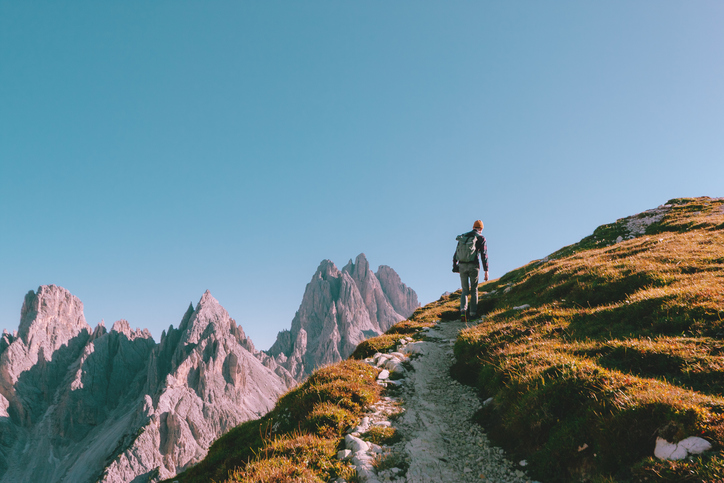
Mount Hood, a picturesque backdrop for Portland, is one of the most potentially dangerous volcanoes in the Cascade Range. Its last major eruption was over two centuries ago, but it continues to show signs of unrest through minor seismic activity. While it currently enjoys a peaceful repose, it remains an active volcano with a history of producing lava flows and debris avalanches. This proximity to populated areas makes it a focal point for emergency preparedness and monitoring.
The presence of glaciers atop Mount Hood adds another layer of complexity, as they can influence volcanic activity by altering pressure and temperature dynamics. Residents and visitors alike are reminded of the ever-present risk through community drills and awareness programs. You might wonder about the unpredictability of such natural phenomena, highlighting the importance of staying informed and prepared. Mount Hood is a constant reminder of how nature’s beauty and fury often coexist.
7. Kīlauea, Hawaii

Kīlauea is one of the most active volcanoes on Earth, with its frequent eruptions continually reshaping Hawaii’s landscape. It’s known for its effusive eruptions, producing gentle lava flows that captivate and intimidate in equal measure. Over the years, it has been a critical site for volcanic research, providing insights into the mechanics of lava flow and eruption patterns. Kīlauea’s eruptions, while often non-explosive, can still cause significant disruption to local communities and ecosystems.
The Hawaii Volcano Observatory, a part of the USGS, constantly monitors Kīlauea’s activity, employing cutting-edge technology like thermal imaging and gas emissions analysis. Their efforts provide crucial data that helps predict potential eruptions and protect lives. When you visit Kīlauea, you’re not just witnessing a natural wonder; you’re engaging with one of the world’s most studied and monitored volcanoes. It’s a testament to the interplay of science and nature, where each eruption offers lessons for the future.
8. Lassen Peak, California

Lassen Peak is a striking feature of Lassen Volcanic National Park, known for its dramatic volcanic history. Its last major eruption cycle occurred between 1914 and 1921, transforming the landscape and attracting international scientific attention. Today, it’s a popular destination for hikers and nature enthusiasts, offering a glimpse into the dynamic processes that shape our planet. While dormant now, the possibility of future eruptions remains a compelling reason for ongoing studies.
The park’s geothermal features, like boiling springs and fumaroles, hint at the volcanic activity simmering beneath the surface. For people living or traveling nearby, understanding the risks associated with Lassen Peak is part of embracing the region’s unique character. Whether you’re visiting for scientific interest or simply to enjoy its beauty, it’s essential to remain aware of its unpredictable nature. Lassen Peak serves as a vivid reminder of the power and unpredictability of the Earth’s geology.
9. Mount Baker, Washington

Mount Baker, often overshadowed by its more famous neighbors, is a vigorously active volcano in Washington’s North Cascades. Its steaming vents and hot springs indicate that it’s very much alive, with a potential for future eruptions. Historically, Mount Baker has experienced both explosive and effusive eruptions, each with unique challenges and risks. The volcano’s proximity to populated areas makes understanding its behavior a priority for scientists and authorities.
The volcano’s activity is closely monitored by the USGS and other geological entities, who use a combination of satellite imagery, seismic data, and on-ground observations. For those living in its shadow, Mount Baker is a constant reminder of nature’s latent power. While it offers stunning views and recreational opportunities, it also demands respect for its potential to change lives and landscapes overnight. The duality of Mount Baker is a testament to the unpredictable beauty of volcanic activity.
10. Mount Katmai, Alaska

Mount Katmai is part of the volcanic Aleutian Range, and it owes much of its fame to the 1912 eruption of Novarupta, the most powerful eruption of the 20th century. This event created the dramatic Valley of Ten Thousand Smokes, a stark reminder of nature’s ability to reshape entire regions. While Katmai itself hasn’t erupted since, its proximity to seismic activity in the region keeps it on scientists’ radars. The landscape here is a testament to the raw power and beauty of volcanic processes.
For those venturing into its terrain, Katmai National Park offers more than just a chance to observe volcanic history. It’s a place where you can witness bears fishing for salmon and experience the solitude of remote wilderness. Visitors are often struck by the juxtaposition of serene beauty and the underlying threat of geological activity. It’s an ever-present reminder of how our planet’s history is written in fire and ash.
11. Long Valley Caldera, California

The Long Valley Caldera, located near Mammoth Lakes, is a massive volcanic depression formed by a catastrophic eruption over 700,000 years ago. Though its most violent days are in the distant past, the caldera remains geothermally active, with hot springs and fumaroles dotting the landscape. Seismic activity in the area suggests that the magmatic systems beneath are far from dormant, posing a potential threat to nearby communities. As a result, the region is heavily monitored for any signs of increased volcanic risk.
For those living near Long Valley Caldera, awareness and preparedness are key components of everyday life. The unpredictable nature of volcanic activity means that vigilance is crucial for both safety and peace of mind. When you explore this geologically rich area, you’re not just visiting a natural wonder but stepping into a living laboratory of Earth’s dynamic processes. It offers a unique opportunity to witness the interplay between geological history and modern-day life.
12. Mount Redoubt, Alaska

Mount Redoubt is a striking feature of the Alaskan landscape, known for its frequent eruptions and towering presence. Situated in the Aleutian Range, it’s one of North America’s most active volcanoes, with notable eruptions in 1989 and 2009. These eruptions have sent ash plumes high into the atmosphere, disrupting air travel and affecting air quality for miles. The combination of its remote location and explosive potential makes it a vital subject for scientific study and monitoring.
The Alaska Volcano Observatory, a division of the USGS, keeps a close watch on Mount Redoubt’s activity using an array of sensors and satellite data. Their work helps predict potential eruptions and guide emergency response efforts. For those living in Alaska or visiting its rugged terrain, Mount Redoubt is a stark reminder of the region’s volatile geological activity. It’s a place where the majesty of nature is intertwined with the ever-present threat of volcanic eruptions.
13. Mount Cleveland, Alaska

Mount Cleveland is one of the most active volcanoes in the Aleutian Islands, frequently erupting with little warning. Its remote location and frequent activity make it a challenging subject for scientists who strive to understand its patterns. When it erupts, it can produce ash clouds that pose a significant hazard to aviation, with the potential to disrupt trans-Pacific flights. Despite its formidable reputation, it remains an alluring subject for volcanologists seeking to unravel its mysteries.
The volcanic monitoring efforts in the Aleutians focus heavily on Mount Cleveland, utilizing satellite imagery and seismic data to track changes in its activity. This remote monitoring is crucial, given the inaccessibility of the region and the potential dangers involved. For you, the allure of Mount Cleveland lies in its embodiment of natural power and unpredictability. It’s a reminder that the Earth’s most remote places can also be its most dynamic and volatile.


