

The hours leading up to a flight can be a whirlwind of stress and decisions, especially when it comes to what to eat. With limited time and options at the airport, it’s tempting to grab whatever looks quick and appetizing. But not all foods are flight-friendly. Eating the wrong thing can lead to discomfort, fatigue, or even digestive issues at 30,000 feet. To help you navigate this culinary minefield, here are 15 airport foods you should steer clear of before hopping on your flight.
1. Greasy Fast Food
It’s easy to be lured by the familiar golden arches or a whiff of fried chicken, but resist the temptation. Greasy fast food can be heavy on your digestive system, causing bloating and discomfort mid-flight. The high-fat content slows down digestion, which is the last thing you need when you’re confined to a small seat for hours. Moreover, dehydration is a concern, as greasy foods can increase thirst and exacerbate dehydration, which is already heightened at high altitudes.
Nutritionists like Dr. Lisa Young suggest opting for lighter fare, emphasizing that meals high in fat can disrupt your natural digestive rhythm. It’s better to choose foods with balanced nutrients that can sustain you throughout your journey. A salad with some lean protein, for instance, can be both satisfying and gentle on your stomach. This way, you’ll arrive at your destination feeling refreshed rather than sluggish.
2. Alcohol

A pre-flight drink may seem like a great way to unwind, but it’s a choice you might regret once airborne. Alcohol can interfere with your body’s ability to cope with the dehydration effects of flying. The cabin’s low humidity levels, combined with alcohol-induced dehydration, can leave you feeling parched, tired, and even hungover by the time you land. Plus, alcohol can amplify the effects of jet lag, making it harder to adjust to new time zones.
While a glass of wine or a cocktail might calm pre-flight nerves, it can impair your judgment and lead to more impulsive snacking on unhealthy foods. Opt for hydrating beverages like water or herbal tea instead. Staying hydrated not only helps you feel better physically but also keeps your skin looking fresh. Remember, moderation is key if you do choose to indulge.
3. Spicy Foods

Spicy foods are another airport no-go, no matter how much you love the heat. Consuming spicy dishes can lead to heartburn, especially when you’re sitting for extended periods without the ability to walk it off. The capsaicin in spicy food can irritate your stomach lining, which is not ideal when your mobility is restricted. Plus, the cabin pressure can amplify this discomfort, turning a fiery meal into a regrettable decision.
Research published in the Journal of Travel Medicine highlights that consuming spicy foods before flying increases the risk of gastrointestinal discomfort. If you’re craving flavor, consider milder options that use herbs and spices in moderation. This will keep your taste buds satisfied without the fiery aftermath. Your stomach and your seatmates will thank you for it.
4. Cruciferous Vegetables

While a broccoli salad might seem like a healthy option, it’s best to save it for after your flight. Cruciferous vegetables, including broccoli, cauliflower, and Brussels sprouts, are known to produce gas. The pressurized cabin can make this even more uncomfortable, leading to bloating and cramps. Not exactly the best company for a cramped airplane seat.
These vegetables are healthy and nutritious but contain oligosaccharides, which our stomachs struggle to break down. If you’re looking for a healthy pre-flight meal, opt for vegetables that are easier on the stomach, like carrots or bell peppers. These options provide nutrients without the digestive fireworks. Enjoy your nutrient-packed choices without trading comfort for health.
5. Carbonated Beverages

A fizzy soda might seem refreshing, especially when faced with a long layover, but it’s best to resist. The carbonation in sodas can lead to bloating and discomfort, particularly in a pressurized cabin. The bubbles expand in your stomach, which can be magnified by the reduced cabin pressure, causing additional discomfort. Plus, these drinks often contain high levels of sugar, which can cause energy crashes and dehydration.
According to a study in the American Journal of Clinical Nutrition, carbonated beverages can exacerbate gastrointestinal distress, especially in a flight setting. Instead, reach for still water or a non-caffeinated herbal tea to stay hydrated. These beverages keep your system balanced and comfortable throughout your journey. You’ll thank yourself as you sit back and relax without the extra gas buildup.
6. Dairy Products

Lactose intolerance can reveal itself at the most inconvenient times, and a flight is no exception. Even if you usually tolerate dairy well, the combination of cabin pressure and an altered environment can make digestion more challenging. Consuming dairy products like milk, cheese, or yogurt can lead to bloating and discomfort during your flight. Not to mention, if you are mildly lactose intolerant, the symptoms could be more pronounced.
Instead, consider dairy-free alternatives that are gentler on the digestive system. Almond or oat milk, for instance, can be a great substitute in coffee or with cereal. These alternatives reduce the risk of discomfort, allowing you to enjoy your flight without worrying about unexpected turbulence in your stomach. You’ll land feeling more at ease and ready to tackle your destination.
7. Beans and Legumes

Beans and legumes are a great source of protein and fiber, but they’re not the best travel companions at high altitudes. They can lead to gas production, which can be both uncomfortable and embarrassing in the tight confines of an airplane. The pressure changes in the cabin can exacerbate this effect, making you feel bloated and uneasy. While they’re nutritious, the digestive challenges they pose can outweigh their benefits in a flight context.
A report from the World Journal of Gastroenterology notes that certain fibers in beans and legumes can cause increased bloating and gas. If you’re looking for plant-based protein, consider alternatives like quinoa or tofu, which are less likely to upset your stomach. These choices offer nutritional benefits without the gas-inducing side effects. You’ll enjoy a smoother, more comfortable journey by modifying your pre-flight menu.
8. Onions and Garlic

Onions and garlic can transform the simplest dishes into culinary masterpieces, but they’re best avoided before flying. Both are high in fructans, a type of carbohydrate that can cause bloating and gas, especially when you’re seated for extended periods. In the confined space of an airplane, their pungent aroma can also linger, which might not be appreciated by fellow passengers. The discomfort they cause can be amplified by the cabin pressure, making an otherwise pleasant flight, well, not so pleasant.
If you’re craving flavor without the digestive drama, consider herbs like basil or thyme, which add taste without the side effects. These alternatives can enhance your meal without causing bloating or unwanted attention from your seatmates. Keeping your meal light and fragrant-free ensures a more comfortable and socially pleasant flight. Your stomach and your fellow travelers will thank you.
9. Sushi

Sushi is often considered a healthy meal option, but it’s one you should think twice about before boarding. The freshness of fish is crucial, and airports might not always guarantee the highest quality. Consuming raw fish that isn’t at its freshest can lead to food poisoning, which is the last thing you want to deal with while flying. Additionally, sushi rice is often seasoned with a high amount of sugar, which can lead to energy spikes and crashes.
If you’re in the mood for seafood, opt for cooked options like grilled fish or shrimp. These alternatives are less risky in terms of food safety and are generally easier on the stomach. You’ll enjoy the flavors without the gamble on your health. Arrive at your destination ready to explore, not recuperate.
10. Candy and Sweets

A quick sugar fix may seem tempting when you’re tired and waiting for your flight, but it’s a quick fix that can backfire. Sugary treats can cause a rapid spike in your blood sugar, followed by an inevitable crash that leaves you feeling sluggish and irritable. The dehydrating effects of sugar can also exacerbate the dryness experienced at high altitudes. And, let’s be honest, the thrill of a candy high is short-lived.
Instead of reaching for a candy bar, choose snacks that provide sustained energy, like a handful of nuts or a piece of fruit. These options offer natural sugars and essential nutrients that help maintain your energy levels throughout the flight. By choosing wisely, you’ll avoid that mid-flight crash and feel more balanced on arrival. It’s a small adjustment that makes a significant impact on your travel experience.
11. Salty Snacks

It might be easy to grab a bag of chips or pretzels, but the high sodium content in these snacks is a ticket to bloat city. Salt causes your body to retain water, leading to swelling and puffiness, which is exacerbated by the pressurized cabin environment. The effects can be uncomfortable, especially when cramped in an economy seat. Plus, excessive salt can make you thirstier, increasing the risk of dehydration on a flight.
If you’re craving something savory, opt for lightly salted or unsalted versions of your favorite snacks. Nuts, seeds, or whole-grain crackers can satisfy the craving without the accompanying puffiness. Staying mindful of your sodium intake ensures a more comfortable and hydrated flight experience. Arrive without the added baggage of bloat, ready to enjoy your trip.
12. Raw Vegetables
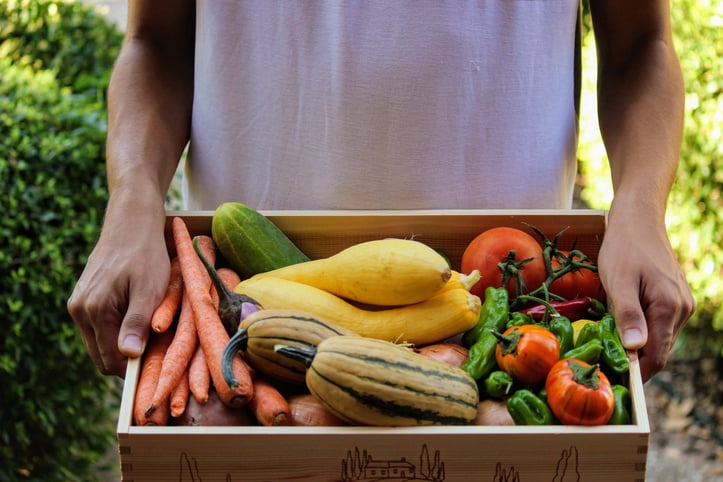
Raw vegetables, while usually the poster children of a healthy diet, might not be the best pre-flight choice. The fibrous nature of raw veggies can be hard on your digestive system when you’re about to spend hours sitting still. They can cause bloating and gas, making the flight more uncomfortable than it needs to be. Additionally, the freshness of airport salads can be questionable, leading to potential food safety issues.
If you’re committed to keeping it green, opt for cooked vegetables, which are gentler on your stomach. Steamed or roasted options offer the same nutritional benefits without the digestive distress. This way, you can maintain your healthy eating habits without compromising comfort. A little foresight can go a long way in ensuring a pleasant journey.
13. Chewing Gum

Chewing gum might seem like a harmless way to pass time and keep your breath fresh, but it can lead to unintended consequences. The act of chewing can cause you to swallow excess air, leading to bloating and discomfort once you’re airborne. Sugar-free gum, in particular, often contains sugar alcohols like sorbitol, which can cause gas and intestinal distress. In addition, the constant chewing can also trick your stomach into thinking food is on the way, leading to increased acid production and possible heartburn.
Opt for mints as a more flight-friendly way to keep your breath fresh. They are less likely to cause bloating and are easy to consume without the same digestive interruption. Mint also has the added benefit of soothing your stomach. Arrive at your destination feeling fresh without the bloating or digestive distress.
14. Red Meat

It might be tempting to enjoy a hearty steak before your flight, but red meat is best avoided. It’s difficult to digest, which can be particularly taxing when you’re sitting in a cramped airplane seat for several hours. The high protein and fat content require more energy and time to process, which can lead to discomfort and bloating. Moreover, the feeling of fullness can be uncomfortable, especially if the flight is turbulent.
Lighter protein options like chicken or fish are more digestible and can be just as satisfying. These choices prevent the heavy, sluggish feeling often associated with red meat, enabling you to enjoy your flight with ease. By choosing your pre-flight meal wisely, you’ll land ready to hit the ground running. A little meal prep can make all the difference in your travel experience.
15. Caffeine

Grabbing a cup of coffee or an energy drink might seem like a good way to stay alert before your flight, but it can backfire. Caffeine is a diuretic, which can exacerbate dehydration in the already dry cabin environment. It can also lead to increased anxiety levels, making it harder to relax during the flight. Plus, the energy boost is often followed by a crash, leaving you feeling more tired than before.
If you need a pick-me-up, consider decaffeinated options or herbal teas. These alternatives can provide a warm, comforting beverage experience without the jittery side effects. You’ll feel more balanced and hydrated throughout your flight. A thoughtful approach to caffeine intake ensures you arrive feeling fresh and ready to tackle whatever awaits.


