

The American city, long viewed as an immutable symbol of permanence, is facing its greatest existential crisis since the urban flight of the 1970s. Current climate models, economic shifts, and infrastructural decay are creating a perfect storm for some metropolitan regions. Experts now suggest that the physical, social, and fiscal pressures will render numerous cities functionally unlivable by 2100.
This is not a matter of decline, but of potential collapse, forcing governments and citizens to confront the uncomfortable reality that some locations are simply no longer sustainable. Below are 15 cities whose futures are now being openly questioned by climate scientists and urban planners, all of which are already grappling with the irreversible effects of environmental and economic change.
1. New Orleans, Louisiana: The Sinking City
New Orleans is ground zero for a relentless, dual crisis of rising sea levels and rapidly subsiding land mass. The city is already fifty feet below sea level in certain areas, relying on an aging system of levees and pumps that experts agree are inadequate for future storm surges. Antarctic ice mass loss affects the Gulf Coast explicitly, exacerbating sea-level rise and intensifying rainfall. A 2025 report from the Gulf Coast Climate Institute noted that “The current rate of subsidence, combined with sea-level rise projections, makes the city’s long-term survival highly improbable without unprecedented, immediate, and nearly continuous federal intervention.” The city faces the terrifying likelihood of being physically underwater before 2050, a timeline that dwarfs any realistic infrastructure plan.
The city’s vibrant culture cannot shield it from the economic devastation that follows every major hurricane, resulting in ongoing outward migration and a shrinking tax base. Essential infrastructure, including ports crucial to the national grain supply, is being disrupted as water tables rise and flood defenses are routinely breached. The cycle of disaster and rebuilding continues to prioritize short-term repairs over the necessary, painful discussion of long-term relocation. New Orleans is currently attempting to address these issues, but the sheer scale of the environmental challenge is overwhelming for a single municipality.
2. Miami, Florida: The Zero-Foot Elevation Crisis
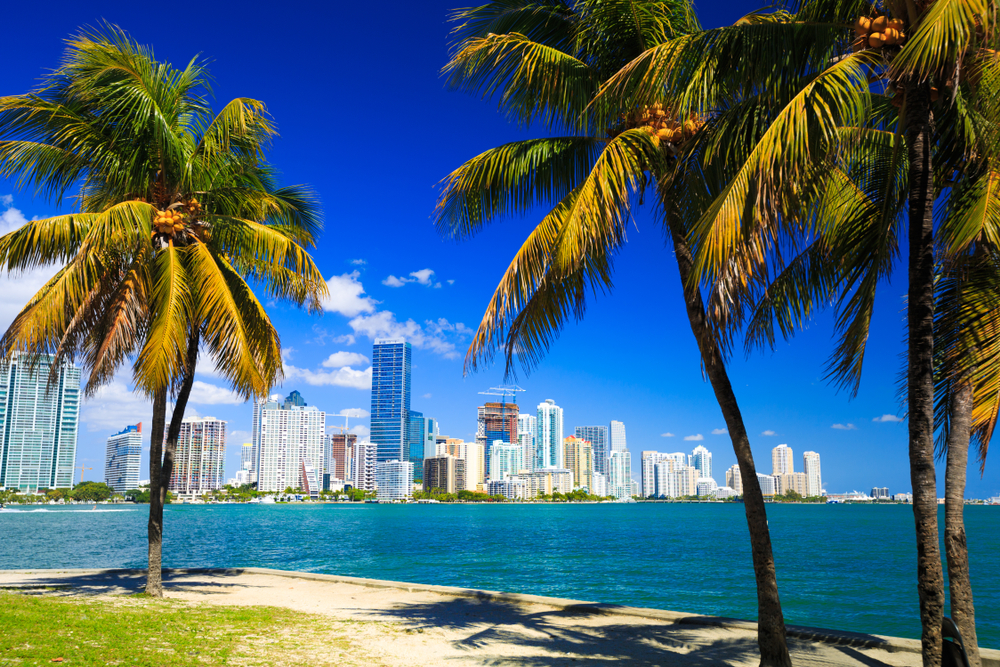
Climate scientists consistently cite Miami as one of the most doomed major cities in the world, built directly on porous limestone that makes flood barriers nearly useless. Saltwater intrusion is already a crippling daily reality, contaminating the city’s freshwater supply and destroying municipal water systems at an alarming rate. Experts have chillingly nicknamed Miami “ground zero” for climate change because of the crisis’s immediate, visible nature. The city’s core industries, tourism and agriculture, are uniquely vulnerable to the year-round warmth and the proliferation of mosquito-borne illnesses.
The city has attempted to counter with large-scale bonds, such as the “Miami Forever Bond.” Still, these efforts address only short-term infrastructure fixes, not the fundamental problem of elevation. Researchers predict that a combination of extreme heat and a three-foot sea-level rise will render vast portions of the city uninhabitable by the end of the century. The real estate market, while still inflated, masks a deeper institutional panic among insurance companies that are increasingly exiting the state. Miami is fighting a battle that its geology is already pre-programmed to lose.
3. Phoenix, Arizona: The Unbearable Furnace
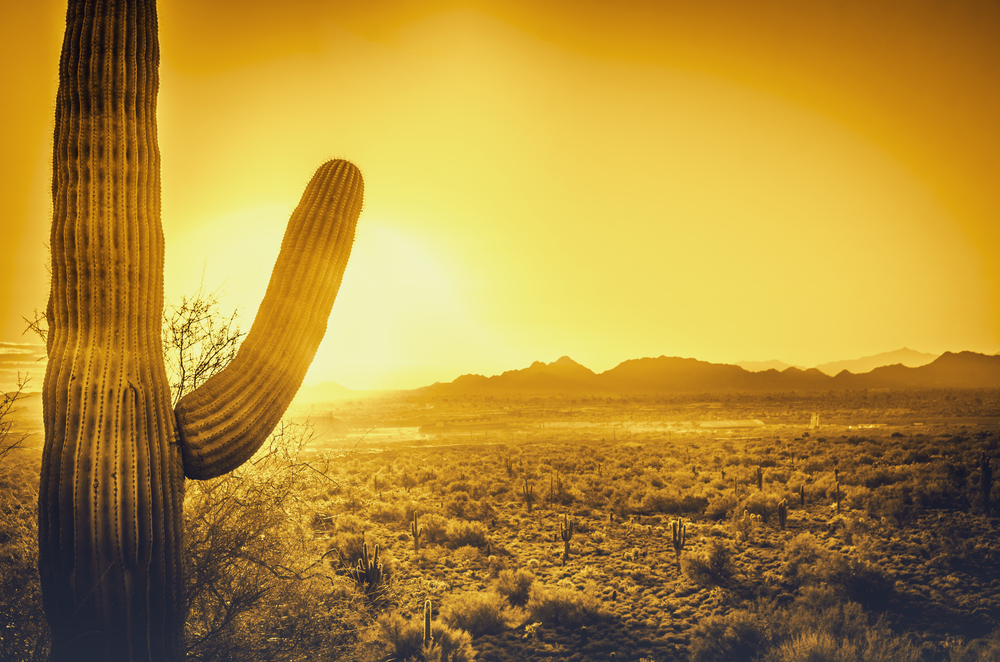
Phoenix faces a profound, singular threat: the relentless, escalating danger of extreme, unlivable heat that threatens human health and basic infrastructure. It is currently the United States’ fifth-largest city. Still, it is also among its hottest, with researchers projecting that the average summer temperature could reach an extreme 114 degrees Fahrenheit by 2100. This increase would make life in the city resemble present-day Kuwait, which is not conducive to urban life. The growing threat of drought in the Colorado River Basin further complicates survival, significantly reducing the water allocation for the city’s millions of inhabitants.
The energy grid struggles under the massive load of constant air conditioning, leading to rolling blackouts during peak summer months, increasing the risk of hyperthermia-related deaths. Reliance on the Colorado River for water is unsustainable and will eventually force the state to choose between agricultural demands and urban consumption. A 2025 analysis from the Southwest Water Security Initiative stated, “The Phoenix metropolitan area is predicated on a stable climate and a reliable water supply, both of which are evaporating at an accelerating rate, threatening to make the city functionally untenable for its current population.” This city is rapidly becoming a political example of human settlement defying basic ecological logic.
4. St. Louis, Missouri: The Flooding/Drought Whiplash
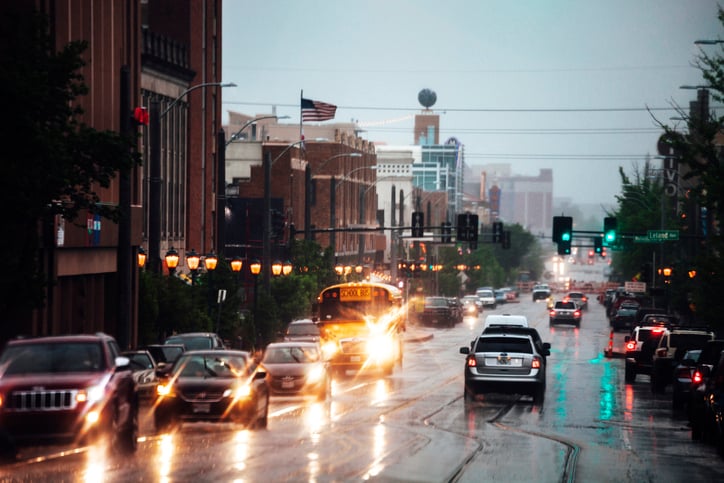
St. Louis and the surrounding Midwest face a dual environmental threat: extreme, devastating spring flooding, followed by prolonged, debilitating summer drought. Temperatures in the city are expected to warm by three to four degrees Fahrenheit by 2040, dramatically changing rainfall patterns. This means the region will endure heavier downpours and more frequent record-breaking floods, immediately followed by long, severe dry spells that endanger surrounding farmland.
The combination of flooding and drought places immense stress on the city’s aging, already deficient infrastructure, with swelling rivers weakening hundreds of older bridges by eroding the foundation. The region’s economy relies heavily on the stability of the surrounding agriculture, which increasing drought conditions will threaten. This climate whiplash undermines the stability of the entire metro area, forcing a constant state of costly emergency maintenance rather than proactive development.
5. Houston, Texas: The Hurricane Risk Multiplier

Houston is facing a perfect storm of geographical vulnerability, rapid population growth, and escalating climate hazards from the Gulf of Mexico. By mid-century, temperatures are expected to increase by more than 3°F, warming Gulf waters and fueling the development of more destructive, intense storms. The city’s massive, sprawling urbanization often exacerbates flooding by replacing natural wetlands with concrete, which impedes proper drainage during major rainfall events. A 2024 analysis published by the National Oceanic and Atmospheric Administration (NOAA) concluded that “Houston’s growth pattern, coupled with increased Gulf warming, has created a high-risk multiplier effect where even moderate storms now produce catastrophic, unprecedented flooding.” The damage inflicted by hurricanes like Harvey in 2017 is becoming the new baseline for seasonal preparedness.
Sea levels around Houston are projected to rise by 2 feet this decade, which will inundate low-lying areas and increase the power of hurricane storm surges. The city’s reliance on oil and gas infrastructure, which is concentrated along the vulnerable coast, exacerbates economic precarity during major weather events. Houston’s long-term sustainability hinges on a multi-billion-dollar coastal protection plan that remains politically and financially challenging to execute fully. The city must quickly address its land-use policy to avoid a catastrophic economic event.
6. San Francisco, California: Smoke and Sea Level Rise

San Francisco and the Bay Area face a combination of rising sea levels that threaten coastal infrastructure and intense, increasingly frequent wildfires from the surrounding dry forests. By 2040, sea levels are projected to increase by 1 ft, which is sufficient to regularly flood parts of both San Francisco and Oakland international airports, severely disrupting air travel. The relentless drought, driven by warmer temperatures that dry the soil, has made the Sierra Nevada and coastal mountains highly vulnerable to bark beetle infestations and major fires.
The greatest threat to daily life is the pervasive, noxious smoke that now regularly blankets the Bay Area for weeks during “fire season,” leading to dangerously smoky days that necessitate the use of air masks. This smoke has a profound impact on public health, tourism, and the outdoor industry, contributing to a measurable decline in the region’s quality of life. The combination of high fire risk and substantial infrastructure costs associated with sea-level defense places the city’s economic future under severe strain.
7. Los Angeles, California: The Water and Heat Deficit
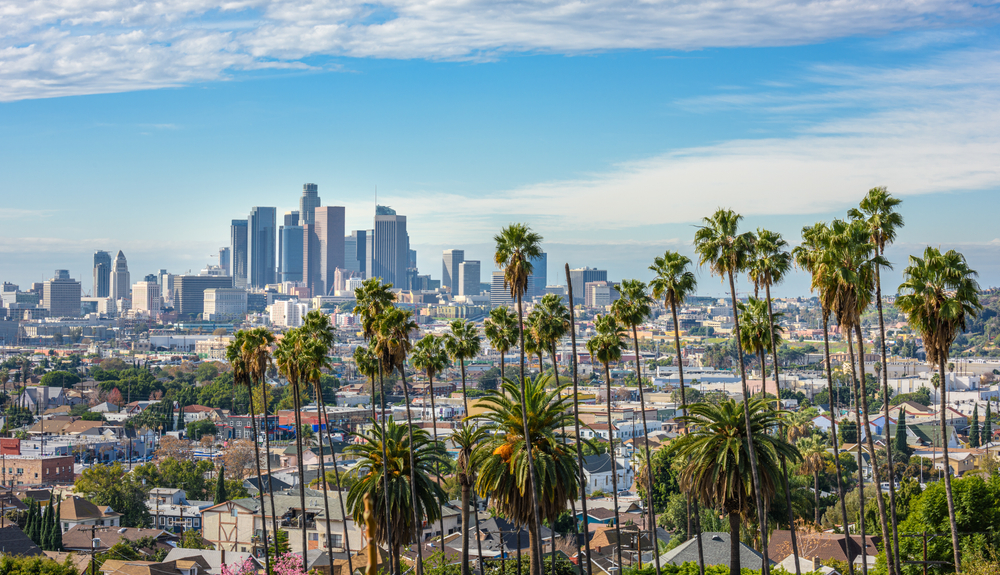
Los Angeles faces complex, multi-angled threats, including soaring temperatures, increasingly destructive fire rates, and severe strain on its already tenuous water supply. The city is projected to experience 60 to 90 additional “sweltering days” by the end of the century, placing the population at risk of hyperthermia and the power grid at risk of failure. Water security is the most immediate crisis, as California’s drought worsens and the region’s reliance on distant, dwindling resources becomes unsustainable. Dr. Kenneth Hayes, a hydrologist at UC Berkeley, confirmed in his 2025 research that “Los Angeles’s current water management structure is a mathematical certainty to fail under sustained climate-change-induced drought, requiring a massive, multi-decade overhaul to secure its future.” The city’s fate is tied directly to the health of the distant mountains and rivers it has long appropriated.
Coastal erosion is also a major concern, with some studies predicting Southern California could lose 30 to 70 percent of its beaches, devastating both the tourism and massive coastal real estate industries. Higher temperatures are already decreasing local agricultural production and increasing the financial burden on the state’s emergency services due to perpetual wildfire response. The city’s low compound annual growth rate suggests that, even as pressures mount, the population is not growing fast enough to sustain the enormous long-term infrastructure investment required.
8. Stockton, California: The Bankruptcy and Decay Cycle
Stockton has long struggled with profound economic instability, becoming the largest city in the nation to file for bankruptcy in 2012, a designation that continues to color its reputation and deter investment. Although it emerged from bankruptcy, the city continues to grapple with high crime rates, severe housing instability, and chronically underfunded public services. The lack of investment means infrastructure, including roads and municipal buildings, is constantly on the verge of collapse, accelerating a cycle of urban decay.
Located in the heart of the Central Valley, the city is also increasingly affected by California’s worsening air quality and extreme heat events, placing a dual burden on its less affluent population. Without significant, sustained economic diversification and a major overhaul of its tax base, Stockton remains highly vulnerable to future economic shocks. The city’s ongoing struggles represent a fundamental failure to rebuild a modern, sustainable civic structure following financial ruin.
9. Gary, Indiana: The Shrinking Ghost Town
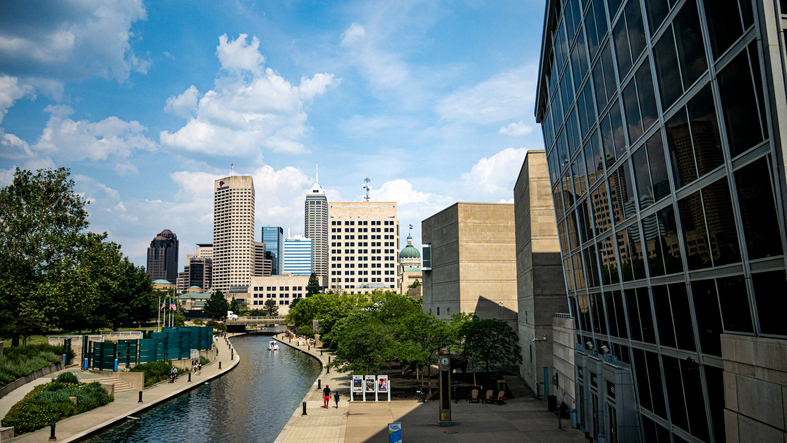
Gary, Indiana, is the quintessential American “rust belt” city, characterized by a massive, decades-long population loss and the subsequent abandonment of extensive infrastructure and housing. Once a thriving industrial powerhouse, the city’s population has shrunk by over 50 percent since its peak, leading to a crippling lack of municipal funding for basic maintenance and essential services. This relentless cycle of depopulation makes any serious redevelopment effort incredibly difficult to finance or execute.
The huge number of abandoned buildings and vacant lots creates major urban blight, attracting crime and making the remaining residential areas less desirable for young families and investors. Contamination from its industrial past further complicates efforts to repurpose the land for new uses or to attract clean-energy businesses. Gary represents a sociological collapse in which the city’s financial structure has become unsustainable at its current population density.
10. Detroit, Michigan: The Recovery’s Fragile Balance
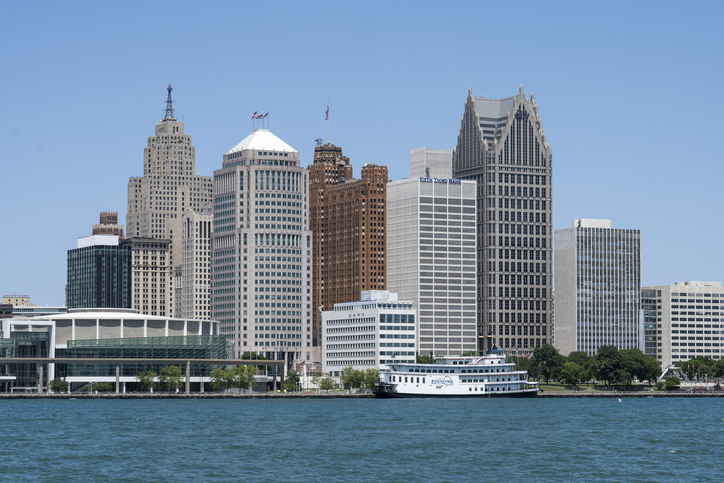
While Detroit has seen a highly publicized and often celebrated urban revival in its core downtown areas, the city’s long-term survival hinges on the incredibly fragile nature of that recovery. The vast majority of the city’s land remains characterized by poverty, blight, and large tracts of vacant land, which drain municipal resources and deter investment outside the core districts. The city’s economic health remains heavily dependent on the highly volatile global automotive industry.
Detroit’s high taxes and fragmented infrastructure planning continue to hinder its efforts to attract and retain middle-class families, which are essential to sustaining a healthy tax base. Without widespread, equitable development that reaches the neighborhoods outside the central business district, the current recovery will remain an isolated island of wealth. This economic disparity, coupled with aging water and sewer systems, leaves the entire municipality vulnerable to future economic recession.
11. Honolulu, Hawaii: The Triple Threat
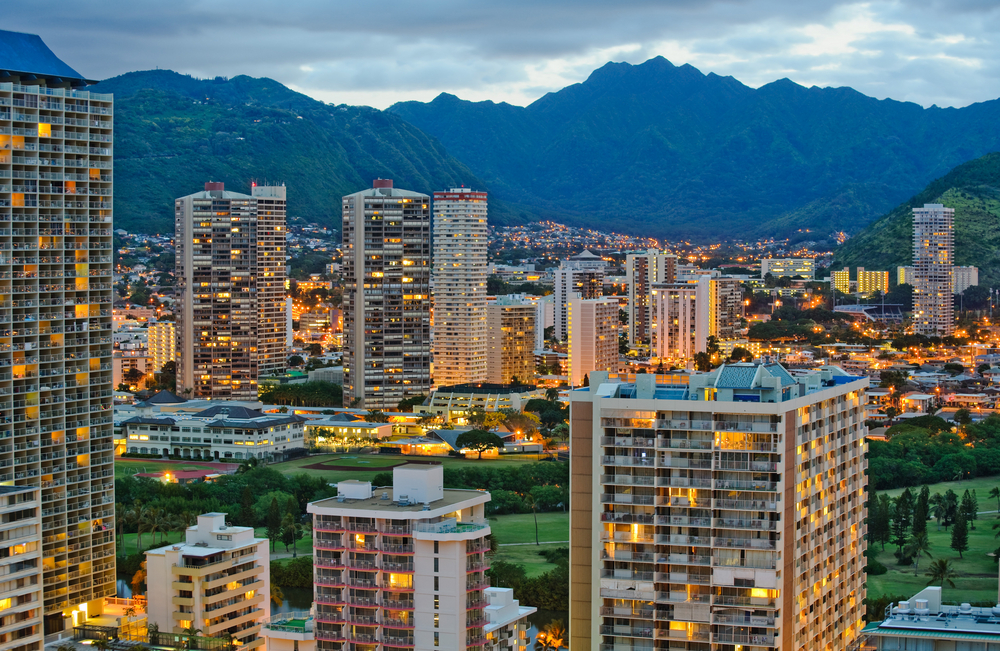
Honolulu, as an island city, faces a particularly acute triple threat: dramatic sea level rise, increasing frequency of “king tides,” and crippling costs of maintaining a sustainable food and energy supply chain. The city is on track for sea levels to rise by as much as three feet by the end of the century, which is enough to wipe out roads and beaches crucial for both transportation and the massive tourism industry. The rate of air warming in Hawaii has also quadrupled in the past four decades, further stressing local ecology.
The economic realities of island life mean that the cost of protecting infrastructure from the ocean is substantially higher than on the mainland, creating an unsustainable financial burden for the state. Regular king tides are already causing major flooding on city streets, forcing officials to confront the fact that parts of the coast will simply have to be abandoned. The threat to both real estate and the primary economic engine of tourism makes the city’s future outlook profoundly tenuous.
12. New York, New York: The Coastal Flood Barrier Challenge

New York City, specifically the low-elevation coastal zones of Manhattan and the outer boroughs, faces a monumental and hugely expensive challenge in defending its essential infrastructure from rising sea levels. The city’s utility and transportation infrastructure was historically built “upside down,” with crucial circuitry and subways located in low-elevation floodplains, making them acutely vulnerable to storm surges such as those observed during Hurricane Sandy. The city’s sluggish population growth is also projected to cause it to fall from the nation’s largest city to the fifth-largest by 2100.
The implementation of massive, multi-billion-dollar protective barriers and seawalls is a slow, politically complex process that may not be completed before the next major storm event. This lag time leaves financial centers, subway tunnels, and residential areas in an immediate, perpetual danger of catastrophic flooding. The economic stability of the entire region depends on the city’s ability to secure its coastline, which is proving to be a challenge of unprecedented physical and political scale.
13. East St. Louis, Illinois: Total Fiscal Collapse

East St. Louis, located just across the river from St. Louis, Missouri, is often cited by urban sociologists as a textbook case of municipal fiscal collapse, operating effectively as a failed city. The city struggles with massive poverty, crippling debt, chronically high crime rates, and severe depopulation that has rendered the tax base almost non-existent. The city lacks the financial means to provide basic, consistent services, trapping its residents in a cycle of instability and decline.
The city’s proximity to a major river also places it at high risk for the same disastrous flooding events that threaten its Missouri neighbor, adding environmental danger to its deep fiscal problems. Without a fundamental, state-level intervention to dissolve its current structure and rebuild its economy, experts believe the city is on a clear path toward total abandonment. It is often ranked among the most distressed municipalities in the country due to this unique combination of economic and social decay.
14. Del Rio, Texas: Border and Water Stress
Del Rio, situated on the U.S.-Mexico border, faces unique challenges related to extreme heat, increasing water scarcity due to the drying Rio Grande, and persistent geopolitical and immigration pressures. The city’s remote location makes it challenging to secure major infrastructure projects or attract large-scale diversified industry to stabilize the local economy. The town is frequently a focal point for national political crises, which further strains its already limited public resources.
The increasing frequency of severe drought and the depletion of local aquifers threaten to make the city’s water supply unsustainable for its growing population and border control operations. Without significant federal investment in water management and economic diversification, Del Rio will continue to struggle against the dual pressures of climate and political geography. The combination of heat and scarcity places the city in a highly vulnerable and uncertain position for the latter half of the century.
15. Lake Charles, Louisiana: Industrial and Environmental Peril

Lake Charles is an industrial hub on Louisiana’s coast, making it highly vulnerable to the escalating threat of catastrophic hurricanes and storm surges. The city’s economy is heavily tied to the petrochemical industry, which not only contributes to environmental vulnerability but also concentrates risk around major chemical plants. This concentration creates a persistent threat of industrial accident during major weather events, adding a layer of danger far beyond simple flooding.
The city’s infrastructure has been severely tested and repeatedly crippled by successive, record-breaking hurricanes, with rebuilding efforts constantly lagging behind the next inevitable disaster. This cycle of destruction impedes sustained economic growth and drives insurance and operating costs to unsustainable levels. Environmental and economic instability make the city a major long-term risk for both residents and investors, placing it firmly among municipalities at risk of collapse.


