

With climate change discussions echoing across the globe, the startling reality is that some of the world’s most vibrant cities could be entirely underwater by 2050. Rising sea levels, driven by melting ice caps and thermal expansion, pose a mounting risk to coastal urban areas. While it can be easy to feel detached from these distant projections, the timeline is alarmingly close — within the lifetimes of many people alive today. Here are 15 cities that scientists warn could be submerged within the next few decades, and why it matters to you.
1. Jakarta, Indonesia
Jakarta, the bustling capital of Indonesia, has long been infamous for its traffic congestion and vibrant street life. Yet beneath the surface, the city is sinking — and fast. According to a study published in “Nature Communications,” parts of Jakarta are subsiding at a staggering rate of up to 10 inches per year. Combine this with rising sea levels, and you have a city on the brink of disaster.
For you, this means the possible disappearance of a cultural hub and economic powerhouse. Millions of people could be displaced, leading to a humanitarian crisis of epic proportions. The Indonesian government has even considered relocating the capital to Borneo, a move that underscores the severity of the situation. It’s a stark reminder of how climate change isn’t just a hypothetical problem for the future; it’s happening right now.
2. Miami, Florida

Miami conjures images of sun-soaked beaches and a lively nightlife scene. However, the city is increasingly becoming synonymous with climate vulnerability. With an average elevation of just six feet above sea level, Miami is acutely susceptible to sea-level rise and storm surges. High tides and torrential rains already lead to frequent flooding, turning streets into canals.
What does this mean for you? If you’re among the many who flock to Miami for vacations or retirement, you may need to rethink your plans. Property values in flood-prone areas are already beginning to plummet, and insurance premiums are skyrocketing. The city is investing in infrastructure improvements like elevated roads and water pumps, but the question remains: will it be enough?
3. Shanghai, China
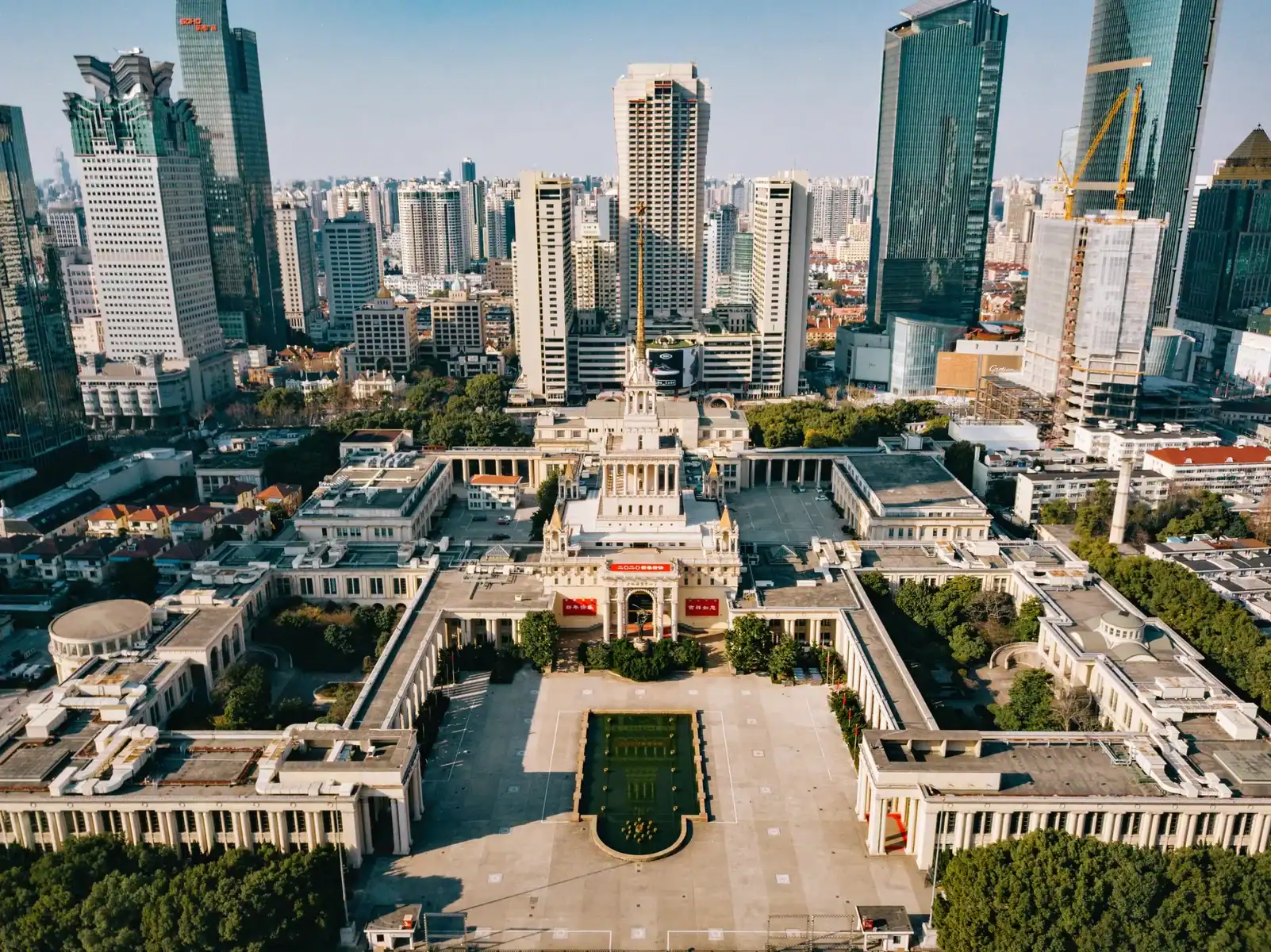
Shanghai, one of China’s most important financial and cultural centers, faces an uphill battle against rising waters. The city is encroaching on the East China Sea, and while its skyline is impressive, its vulnerability to flooding is a growing concern. According to a report by the Intergovernmental Panel on Climate Change (IPCC), Shanghai could see significant portions underwater by mid-century if current trends continue.
For you, Shanghai’s risk signals potential disruptions in global trade and economics. The city serves as a key port and business hub, meaning its flooding would have ripple effects worldwide. Moreover, millions living in low-lying areas might become climate refugees, adding to global migration challenges. It’s a future that demands urgent attention and comprehensive planning.
4. Dhaka, Bangladesh

Dhaka is a city of contrasts, with its vibrant culture juxtaposed against dense, sprawling slums. Unfortunately, it’s also one of the world’s most flood-prone capitals. The city sits on the banks of several rivers, making it vulnerable to both riverine and flash floods. With climate change exacerbating these threats, Dhaka is teetering on the brink of catastrophe.
For those who call Dhaka home, the stakes are incredibly high. Already grappling with overpopulation and poverty, the city’s infrastructural challenges could worsen as floodwaters rise. While local and international efforts focus on climate adaptation, the task is monumental. As Dhaka faces these trials, it serves as a poignant reminder of the human cost of environmental neglect.
5. Bangkok, Thailand

Bangkok is renowned for its vibrant street food, ornate temples, and bustling markets. Yet the very canals that once earned it the moniker “Venice of the East” now highlight its peril. A study by Chulalongkorn University indicates that Bangkok could be submerged by 2030, much earlier than many might think. The city’s low elevation and heavy reliance on groundwater exacerbate its sinking problem.
For you, this means a potential loss of rich cultural history and tourism opportunities. As a major tourist destination, Bangkok’s submergence would have far-reaching impacts on Thailand’s economy. Efforts to fortify the city’s defenses are underway, but overcoming such complex environmental challenges is no small feat. It’s a sobering thought for anyone who cherishes the vibrant energy of this iconic city.
6. New Orleans, Louisiana

New Orleans, with its jazz-infused spirit and multicultural heritage, is no stranger to floods. The devastation of Hurricane Katrina in 2005 highlighted the city’s vulnerability to extreme weather and rising sea levels. Sitting mostly below sea level, New Orleans requires an intricate system of levees and pumps to keep the water at bay. However, as climate change intensifies, these defenses may not suffice.
For those enamored with New Orleans’ unique culture, its potential submergence is a significant concern. The city embodies a rich tapestry of American history and art that could be lost to the waters. Though efforts are being made to bolster flood defenses, the city’s precarious position serves as a stark reminder of climate change’s broader impacts. It’s a call to action for sustainable solutions that ensure New Orleans remains above water.
7. Lagos, Nigeria

Lagos, Africa’s largest city, is a powerhouse of innovation and growth. However, its coastal location makes it incredibly vulnerable to rising sea levels. A report by the Nigerian Institute of Oceanography and Marine Research predicts dire consequences if current trends persist. The city’s infrastructure struggles to cope with frequent flooding, causing significant economic and social disruptions.
For you, Lagos represents both a challenge and an opportunity in the global climate crisis narrative. The city’s prosperity is at risk, with millions potentially displaced, exacerbating the social and economic strains. While local initiatives aim to improve drainage systems and bolster coastal defenses, the challenges are immense. Lagos’s plight underscores the urgent need for global cooperation and innovative solutions to combat climate change.
8. Venice, Italy

Venice, the city of canals, has long battled the encroaching waters that make it famous. Known for its romantic gondola rides and historic architecture, Venice faces a dire future. Rising sea levels and land subsidence have intensified the flooding that residents call “acqua alta.” Despite ongoing efforts to protect the city, such as the MOSE project, the threat looms large.
For you, the potential loss of Venice is both cultural and emotional. This jewel of Italy is not just a city; it’s a symbol of human creativity and resilience. However, the increasing frequency of floods jeopardizes its cultural heritage and tourism industry. As Venice fights to stay afloat, it serves as a poignant reminder of what stands to be lost if climate change goes unchecked.
9. Rio de Janeiro, Brazil

Rio de Janeiro, famed for its Carnival and picturesque beaches, is on the front lines of climate change. The city’s stunning coastline is a double-edged sword, making it exceptionally vulnerable to rising sea levels. Already, frequent flooding disrupts daily life and damages infrastructure. If current trends continue, significant parts of Rio could be underwater by 2050.
For you, the possible inundation of Rio signifies more than just environmental loss; it’s a cultural crisis. The city is synonymous with Brazilian identity, and its submergence would impact global cultural heritage. Efforts are underway to address the risks, but the challenges are significant. As Rio faces these uncertainties, it highlights the urgent need for global climate cooperation.
10. Rotterdam, Netherlands

Rotterdam, a city shaped by its relationship with water, faces a paradoxical future. Known for its innovative architecture and thriving port, Rotterdam is battling rising sea levels with advanced engineering. The Dutch have long been at the forefront of water management, employing sophisticated dikes and barriers. However, climate change poses unprecedented challenges that even these defenses may struggle to counter.
For you, Rotterdam symbolizes the relentless human spirit to adapt and innovate. But the city’s battle against the sea is a microcosm of the global climate crisis. If Rotterdam fails, it raises questions about the viability of other cities facing similar threats. As you ponder this, consider the broader implications of climate resilience and the urgent need for sustainable solutions.
11. Manila, Philippines
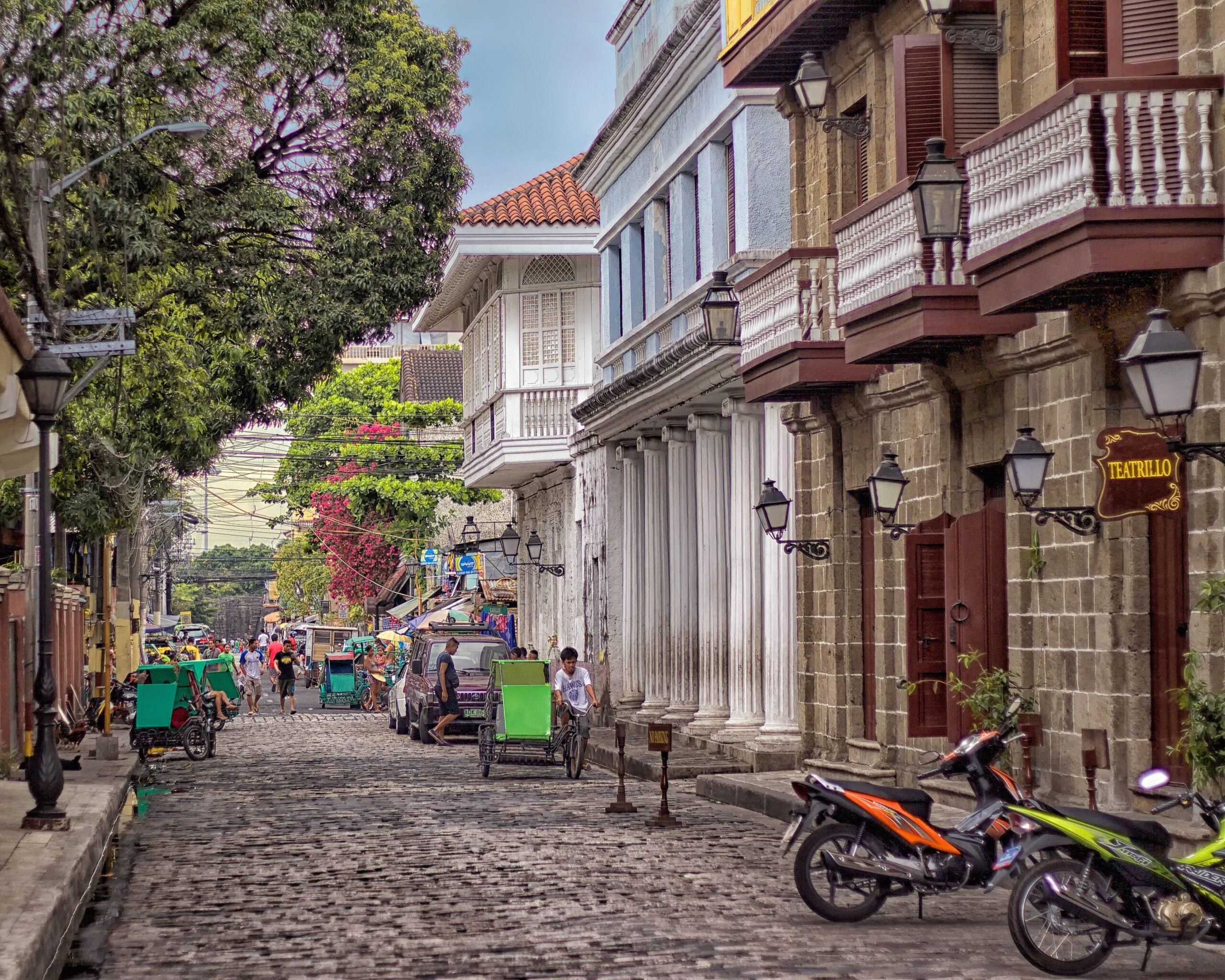
Manila, a bustling metropolis with a rich history, confronts the dual threats of sinking land and rising seas. The city is plagued by chronic flooding, which is exacerbated by typhoons and torrential rains. As sea levels rise, the risk of more severe floods grows, threatening lives and livelihoods. The government is investing in flood control systems, but the situation remains precarious.
For you, Manila’s challenges illustrate the broader human and economic costs of climate inaction. The city is a vibrant center of culture and commerce that could be severely impacted by environmental changes. As millions face potential displacement, the social and economic consequences could be far-reaching. Manila’s predicament serves as a wake-up call for immediate and coordinated global climate efforts.
12. Osaka, Japan

Osaka, a beacon of modernity and tradition, faces an ominous future due to climate change. The city, with its bustling economy and cultural landmarks, is particularly vulnerable to rising sea levels. Frequent typhoons and storm surges exacerbate the risk, threatening to inundate parts of the city by mid-century. Efforts to enhance infrastructure resilience are underway, but the challenges are formidable.
For you, Osaka represents a cultural and economic treasure at risk. The city is a hub of innovation and tradition that significantly influences global trends. Its potential flooding would have profound implications for international trade and cultural heritage. As you reflect on this, consider the urgent need for global solutions to protect cities like Osaka from a watery demise.
13. Alexandria, Egypt

Alexandria, a historic city on the Mediterranean coast, faces the dual threats of rising seas and sinking land. Famous for its ancient history and vibrant culture, Alexandria is at risk of losing significant portions to the encroaching waters. The city’s low elevation and subsidence issues make it particularly vulnerable to climate change impacts. Local and international efforts aim to mitigate these threats, but the challenges are immense.
For you, Alexandria’s plight highlights the broader cultural and historical stakes of climate change. The loss of such a significant city would erase millennia of history and cultural heritage. As the world grapples with these challenges, Alexandria stands as a testament to the urgent need for sustainable solutions. It’s a vivid illustration of the human cost of environmental inaction.
14. Amsterdam, Netherlands

Amsterdam, with its iconic canals and historic architecture, is a city that dances with water. However, this intricate relationship is under threat as sea levels continue to rise. Despite the Netherlands’ expertise in water management, climate change presents unprecedented challenges. The city is investing in innovative flood defenses, yet the stakes have never been higher.
For you, Amsterdam’s situation underscores the delicate balance between human ingenuity and environmental forces. The city is a cultural and economic hub that influences global art, design, and trade. Its potential inundation would have widespread impacts, both culturally and economically. As you consider Amsterdam’s future, the urgency of addressing climate change becomes starkly apparent.


